In my two decades turning wrenches in shops from urban garages to rural repair bays, few topics generate more confusion—or cause more catastrophic engine damage—than pre-ignition and detonation. While often used interchangeably, they’re fundamentally different phenomena with distinct causes, progression, and consequences. Getting them right matters, especially when diagnosing a pinging engine or inspecting a melted piston. This guide cuts through the noise and gives you the practical knowledge to identify, diagnose, and fix both conditions—before a rebuild becomes necessary.
What Is Pre-Ignition?
Pre-ignition occurs when the air/fuel mixture ignites before the spark plug fires—during the compression stroke. The ignition source isn’t a spark but a hot spot in the combustion chamber. This early burn creates extreme pressure while the piston is still moving up, leading to massive mechanical stress and heat buildup. The danger? It often doesn’t make noise until severe damage has already occurred.
How to Check for Pre-Ignition
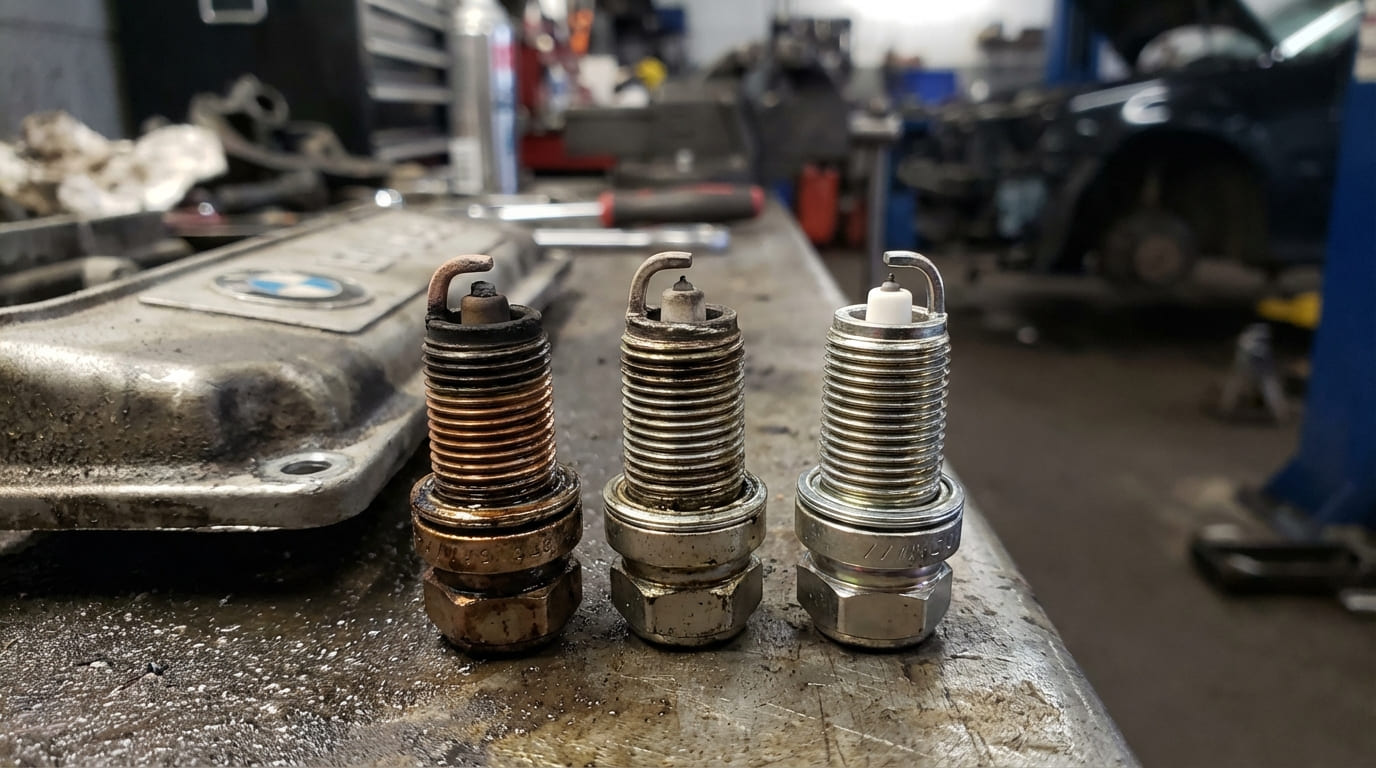
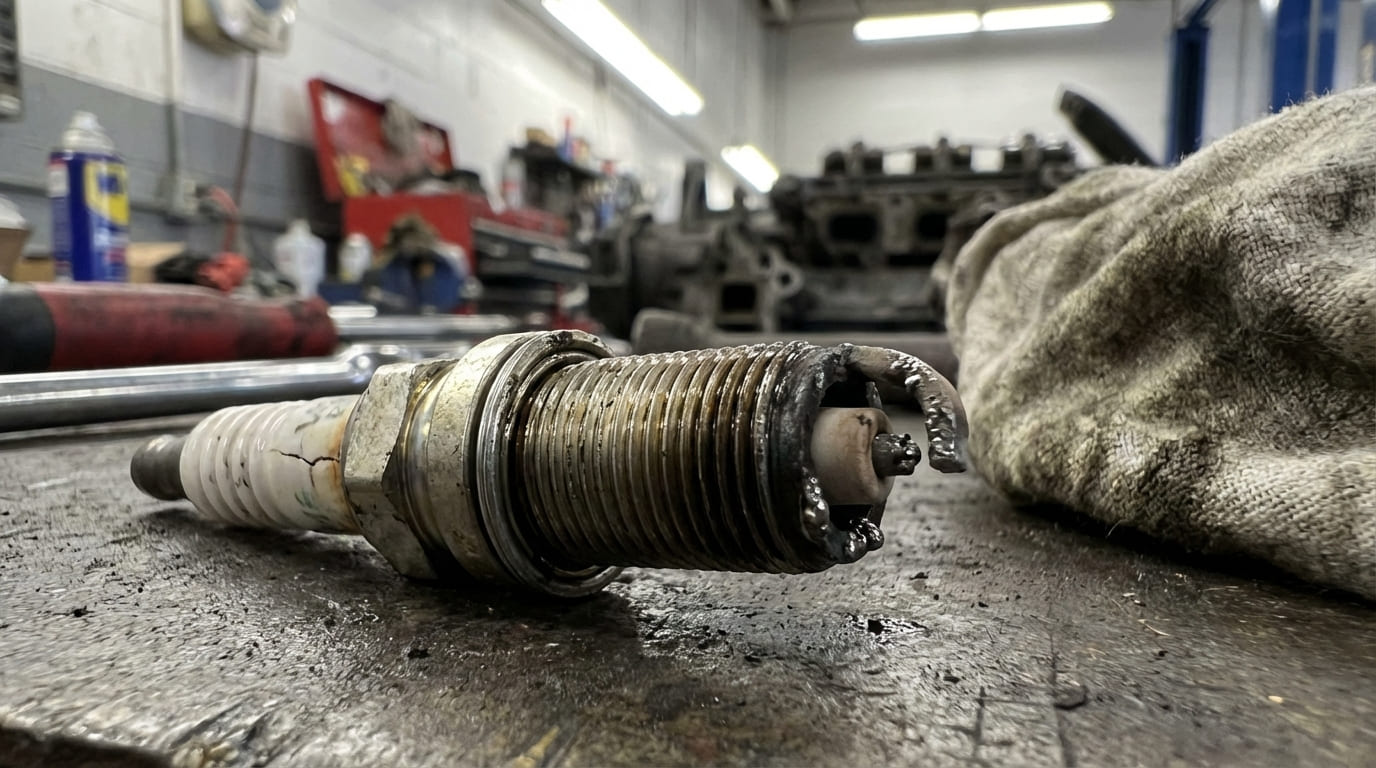
Start with a visual inspection of the spark plugs. Melted center electrodes, blistered porcelain, or eroded ground straps are strong indicators. If you see these signs, inspect for:
- Carbon buildup on piston crowns or valves
- Spark plugs with a heat range too hot for your engine
- Oil consumption (blue smoke at startup or tailpipe)
- Cooling system issues (overheating, low coolant flow)
Use a borescope if available to check for glowing hot spots or carbon deposits in the chamber.
In my shop, we always verify spark plug seating depth. A plug that’s not fully torqued or has damaged threads can protrude into the chamber and act as a glow plug—especially in aluminum heads where thermal expansion differs.
What Is Detonation?
Detonation—commonly called “knock”—is the uncontrolled explosion of the end-gas (the unburned air/fuel mixture farthest from the spark plug) after normal ignition has started. As the flame front compresses this end-gas, heat and pressure can cause it to auto-ignite violently, creating shock waves that hammer pistons, rods, and bearings.
Unlike pre-ignition, detonation usually makes a distinct metallic ping or rattle under load, especially during acceleration. Modern engines use knock sensors to detect this and pull timing, but that’s a band-aid—not a fix.
How to Check for Detonation
Listen under load: drive at 2,500–3,500 RPM in a high gear up a hill. If you hear pinging, it’s likely detonation. Confirm with OBD2 data:
- Check for knock sensor counts or timing retard values
- Monitor long-term fuel trims—consistently positive trims (+10% or more) suggest a lean condition, a common detonation trigger
- Scan intake air and coolant temperatures—excessive heat raises detonation risk
Don’t rely solely on the absence of knock codes. Many ECUs only log data when timing retard exceeds a threshold. I’ve seen engines detonating daily with no stored codes—until the piston cracked.
Key Differences Between Pre-Ignition and Detonation
Telling them apart starts with timing and sound, but confirmed diagnosis requires physical inspection and data. Here’s what to look for:
| Factor | Pre-Ignition | Detonation |
|---|---|---|
| Timing Relative to Spark | Before spark event | After spark event |
| Primary Cause | Hot spot (carbon, plug, valve) | End-gas auto-ignition from heat/pressure |
| Audible Sign | Often silent; may sound like a thud or misfire | Distinct metallic ping or rattle under load |
| Pressure Behavior | Early, sustained high pressure | High-frequency pressure oscillations |
| Typical Spark Plug Damage | Melted electrodes, blistered insulator | Peppered insulator, cracked nose, bent ground strap |
| Failure Progression | Rapid—can destroy a piston in minutes | Gradual but cumulative—leads to fatigue cracks |
Common Causes and Where to Look First
Both conditions stem from heat and pressure imbalances, but the root causes differ. Focus your diagnosis accordingly.
Pre-Ignition Triggers and Fixes
- Carbon deposits: Clean combustion chambers with a professional walnut blast—DIY cleaners rarely reach critical areas. Cost: $150–$300.
- Incorrect spark plug heat range: Use only OEM-specified plugs. Aftermarket “performance” plugs often run hotter and can trigger pre-ignition. Cost: $10–$20 per plug.
- Cooling system failure: Test thermostat, radiator flow, and electric fans. A failed fan can raise coolant temps 30°F+ under load.
- Oil consumption: Worn valve seals or rings allow oil into the chamber, increasing deposits and hot spots. Consider a smoke test ($100–$200) to confirm.
Detonation Triggers and Fixes
- Low-octane fuel: Use the octane rating your engine requires. Turbocharged or high-compression engines often need 91+ octane. Don’t cheap out—premium fuel is cheaper than a rebuild.
- Ignition timing too advanced: Check for faulty sensors (CKP, CMP) or tuning errors. Aftermarket tuners sometimes push limits too far.
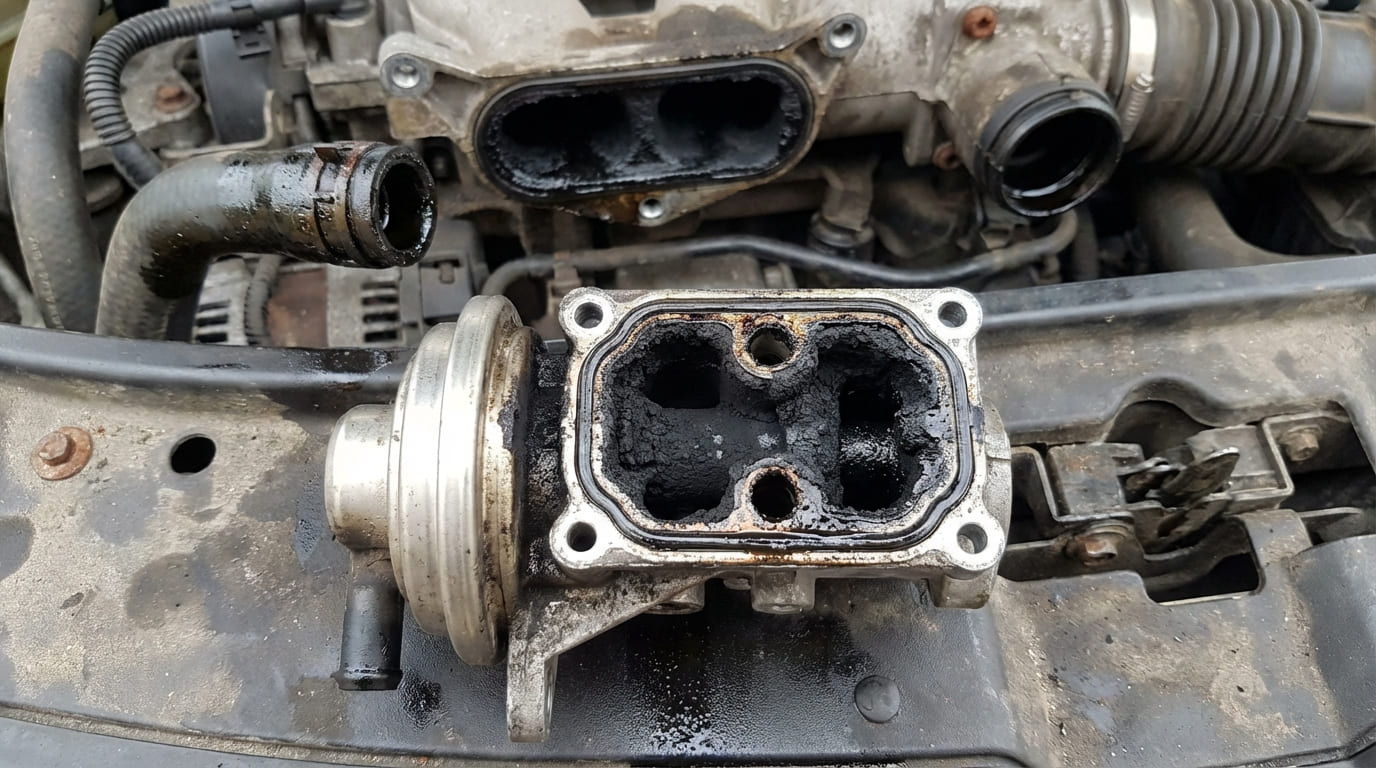
- Inoperative EGR system: A stuck-closed EGR valve reduces charge cooling. Clean the valve and passages—carbon buildup is common. Cost: $50–$150 for parts, $200+ labor.
- Lean air/fuel mixture: Check for vacuum leaks, dirty MAF sensors, or clogged injectors. A smoke test or propane sweep can find leaks fast.
- High intake air temps: Ensure intercooler function (if turbocharged) and proper shrouding around the intake.
In my shop, we always check fuel trims before touching ignition timing. A long-term trim over +10% means the engine’s running lean—fix that first, or you’ll never stop the knock.
Diagnostic Indicators: Reading the Evidence
Combine physical inspection with live data for accurate diagnosis.
Spark Plug Analysis
Pull all spark plugs after a highway drive (not idle). Look for:
- Pre-ignition: Melted center electrode, blistered or eroded insulator, especially near the tip.
- Detonation: Fine speckling on the insulator (like sandblasting), cracked porcelain, or a bent ground strap.
Always clean spark plug threads with a bottoming tap before installation. Metal shavings or carbon buildup can prevent full seating, causing the plug tip to protrude and overheat.
OBD2 Data You Need to Monitor
Use a scan tool to check:
- Knock sensor activity (counts or voltage)
- Timing retard values under load
- Long-term and short-term fuel trims
- Coolant and intake air temperatures
If the ECU is pulling more than 5–8° of timing under moderate load, detonation is occurring—even if you don’t hear it.
Best Practices: What Works (and What Doesn’t)
- ✅ Do: Use OEM-specified spark plugs. They’re engineered for your engine’s thermal profile.
- ✅ Do: Verify cooling system function first. A 20°F rise in coolant temp can push a stable engine into knock.
- ✅ Do: Clean carbon deposits professionally if symptoms persist. Direct-injection engines are especially prone.
- ⚠️ Don’t: Reuse torque-to-yield (TTY) head or main bolts. Stretch reduces clamping force and can lead to head lift and hot spots. Replace them—cost is $20–$50, but failure costs thousands.
- ⚠️ Don’t: Assume carbon is harmless. In modern engines, it increases compression and creates hot spots. Treat it like a fault, not a normal condition.
- ⚠️ Don’t: Tune ignition advance without monitoring exhaust gas temps or cylinder pressure. Aggressive timing can cause hidden detonation.
Real-World Diagnosis and Repair Examples
Situation: 2015 turbo sedan with pinging under boost. Customer using 87 octane.
Action: Switched to 93 octane—knock persisted. OBD2 showed 12° timing retard. Borescope revealed clogged EGR passage.
Fix: Cleaned EGR valve and intake manifold. Cost: $280. Knock eliminated. Lesson: EGR is critical for charge cooling—don’t ignore it.
Situation: Rebuilt 5.7L V8 with melted spark plug electrodes at 200 miles.
Action: Found one plug two threads short of full engagement. It had backed out and was glowing.
Fix: Re-tapped hole, installed new plug with anti-seize, torqued to spec. Cost: $100. Lesson: Thread condition and torque matter—finger-tight isn’t enough.
Situation: High-mileage 4-cylinder with intermittent ping. No codes, plugs looked normal.
Action: Live data showed LTFT at +14%. Smoke test revealed cracked PCV hose.
Fix: Replaced hose. Trims normalized, knock gone. Cost: $25. Lesson: Lean mixtures cause knock—follow the fuel trim data.
Verification and Prevention
After repairs, verify the fix under real-world conditions:
- Road test under load: climb a hill in a high gear, listen for pinging.
- Use a scan tool to confirm knock sensor activity is minimal and timing advance is stable.
- After 500 miles, pull the plugs again. Look for consistent light tan color—no speckling, melting, or erosion.
For engine assembly, always follow factory specs:
| Component | Typical Warpage Limit |
|---|---|
| Cast Iron Block | 0.002″–0.003″ |
| Aluminum Head | 0.0015″ max |
Deviating from these specs increases the risk of hot spots, head gasket failure, and repeat issues.