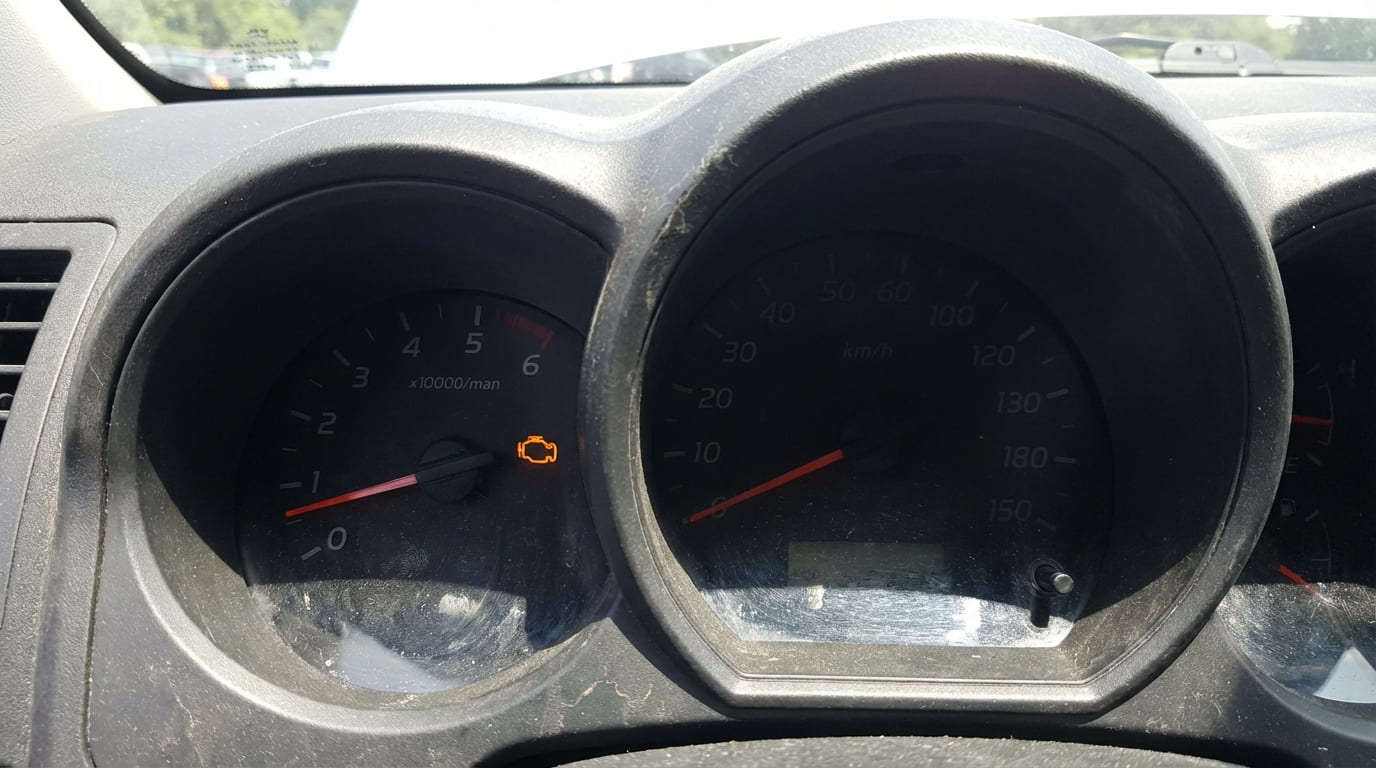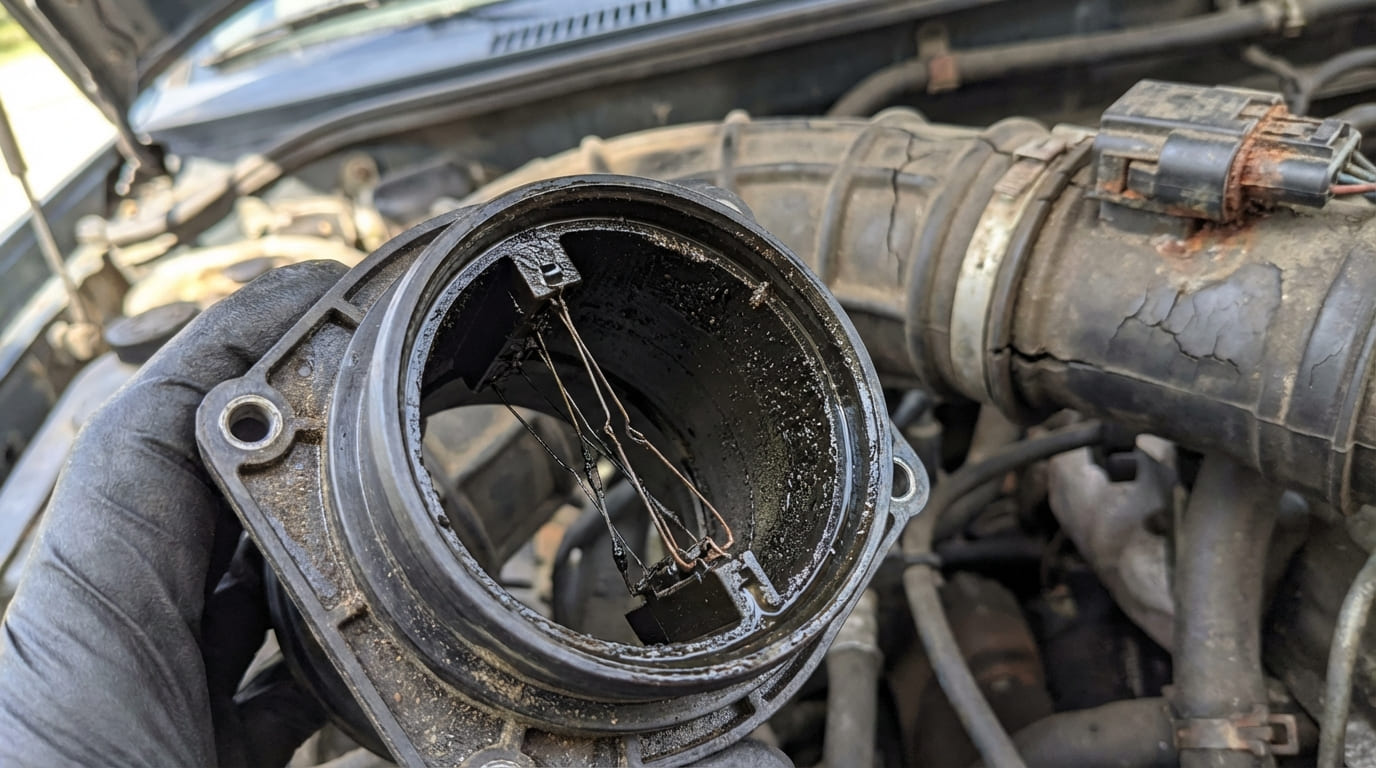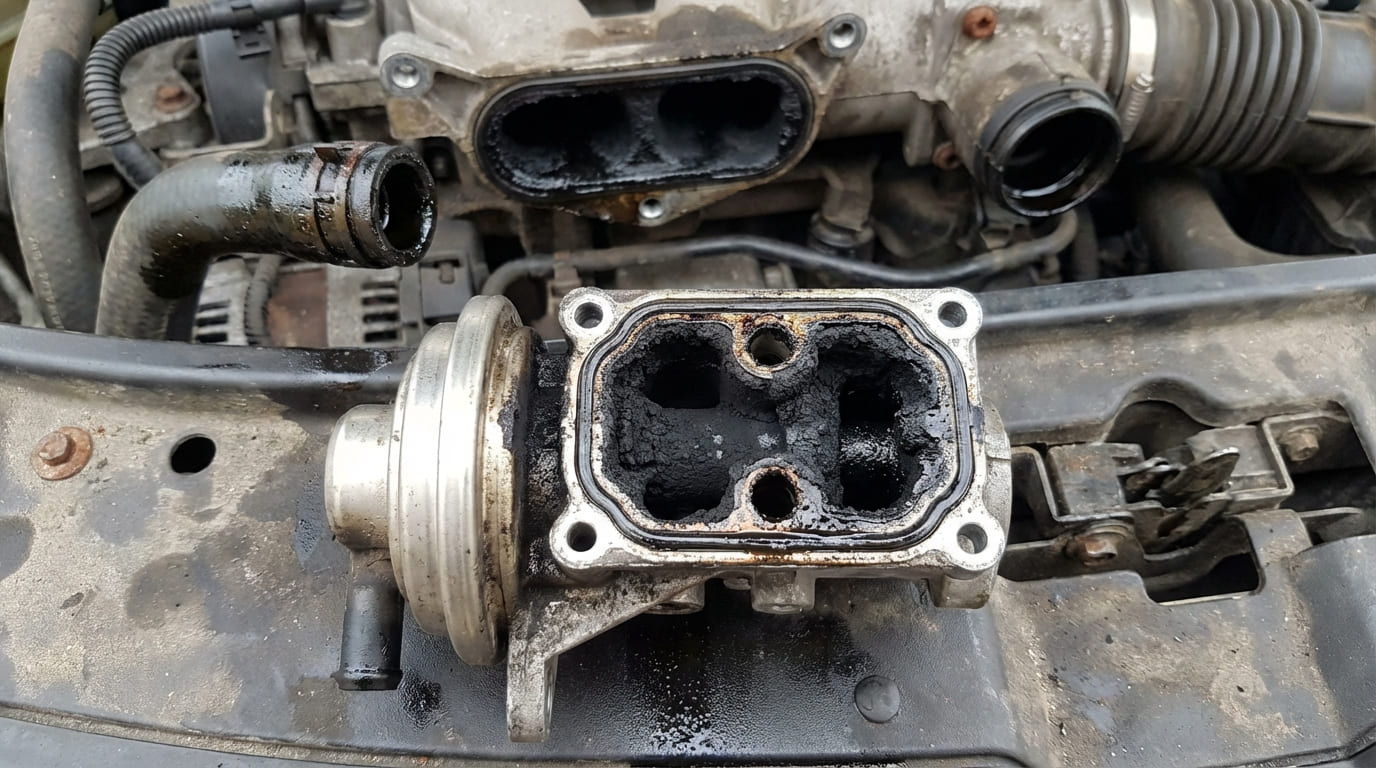
Carbon buildup on the EGR valve is one of the most common issues I see in the shop—especially on engines with over 80,000 miles. It’s not just a “dirty part” problem; it’s a symptom of deeper engine conditions. Left unchecked, it leads to rough idle, poor fuel economy, and check engine lights. But cleaning the valve without diagnosing the root cause? That’s a temporary fix at best. Let’s break down exactly what causes this buildup, how to diagnose it properly, and when to repair versus replace.
How Carbon Forms in the EGR System
The EGR valve recirculates exhaust gas to lower combustion temperatures and reduce NOx emissions. But that exhaust isn’t clean—it carries soot, unburned fuel, water vapor, and oil vapors. When hot exhaust gases hit the cooler surfaces of the EGR valve and intake manifold, these contaminants condense and bake into carbon over repeated heat cycles.
The real issue starts when the engine produces *excessive* contaminants. That’s when soft, oily deposits turn into hard, crusty carbon that jams the valve open or closed.
Primary Causes and How to Diagnose Them
Carbon buildup is rarely random. Each type of deposit points to a specific root cause. Here’s what to look for—and how to test for it.
1. Oil Consumption and Blow-by
Worn piston rings, valve guides, or a failing PCV system allow oil to enter the combustion chamber or intake stream. Burned or partially burned oil creates glossy, sticky carbon in the EGR system.
How to Check:
- Track oil consumption: More than a quart every 1,000 miles is a red flag.
- Perform a compression test: Look for more than 10% variation between cylinders.
- Do a leak-down test: Over 10% leakage suggests internal wear.
- Inspect PCV valve and hoses: Replace if clogged or stiff—cost is $15–$40.
In my shop, we always run a leak-down test before cleaning an EGR valve on a high-mileage engine. If the engine is burning oil, cleaning the valve is just a delay tactic. The carbon will return in 3–6 months.
2. Incomplete Combustion
Misfires, rich fuel mixtures, or poor atomization create excess soot and unburned hydrocarbons. These flow into the exhaust and get recirculated through the EGR system.
How to Check:
- Scan for live fuel trims: Long-term trims above +8% or below -8% indicate mixture issues.
- Check for active misfires: Even intermittent ones matter.
- Inspect fuel injectors: Use a flow test or scope pattern if available.
- Verify MAF sensor readings: Compare idle and WOT values to factory specs.
I’ve seen MAF sensors reading 30% low on a 10-year-old sedan—causing chronic richness and a clogged EGR valve. Replacing the MAF cost $120 and solved both problems.
3. PCV System Failure
A blocked or stuck PCV valve increases crankcase pressure, forcing oil vapor into the intake or disrupting EGR vacuum signals. This is a silent killer—it doesn’t always set a code.
How to Check:
- Remove the PCV valve and shake it: Should rattle. No rattle = replace.
- Check vacuum at idle: Use a gauge or smoke machine. Weak or pulsing vacuum suggests blockage.
- Inspect hoses for collapse or sludge: Common on high-mileage engines.
PCV valve replacement is cheap ($20–$50) but often overlooked. I recommend replacing it every 100,000 miles as preventive maintenance.
4. Air Intake Restrictions
A dirty air filter or clogged MAF sensor reduces airflow, leading to a richer mixture and more soot. Both contribute directly to EGR fouling.
How to Check:
- Inspect air filter: Replace if dirty—cost is $10–$30.
- Verify MAF voltage or frequency: Use a scan tool or multimeter. Compare to known-good values.
- Clean MAF sensor: Use MAF-safe cleaner only—never touch the wire.
5. Poor Fuel Quality
Low-detergent fuel leads to injector deposits and incomplete combustion. Over time, this increases soot output. I’ve seen engines on Top Tier fuel with dramatically cleaner EGR systems.
What to Do:
- Switch to a Top Tier fuel brand.
- Use OEM-approved fuel system cleaner every 15,000 miles if you drive mostly short trips.
Injector cleaning (off-car) costs $150–$300 but can restore proper spray pattern and reduce soot at the source.
6. Turbocharger Seal Leaks (Turbo Engines)
Oil leaking from turbo seals enters the intake or exhaust stream. On the exhaust side, it burns incompletely and adds soot. On the intake side, it bypasses combustion and coats the EGR valve directly.
How to Check:
- Inspect intercooler and intake piping for oil residue.
- Check for blue-tinted smoke at startup or under load.
- Test turbo shaft play: Use specs from manufacturer—exceeding limits means rebuild or replace.
Turbo replacement runs $800–$1,500. But if oil is coming from PCV pressure, not the turbo, you’ll waste money replacing it unnecessarily.
What the Carbon Looks Like—and What It Tells You
The appearance of the deposits helps pinpoint the cause:
| Deposit Type | Appearance | Most Likely Cause | Cleaning Viability |
|---|---|---|---|
| Soft, oily soot | Black, greasy, smears easily | Oil consumption, PCV fault, turbo leak | Good—responds to chemical cleaning |
| Hard, crusty carbon | Dark gray to black, brittle, bonded to metal | Long-term heat cycling, poor combustion, short trips | Poor—often needs mechanical scraping or replacement |
| Shiny, lacquered buildup | Glossy, almost varnished look | High oil content, turbo compressor leak | Fair—cleanable if caught early |
What Happens When the EGR Valve Fails
Carbon buildup doesn’t just clog—it causes functional failure:
- Stuck open: Rough idle, stalling, especially at stoplights.
- Stuck closed: Check engine light (P0401, P0402), possible knock under load.
- Partial flow: Reduced fuel economy, failed emissions test.
Replacing an EGR valve costs $250–$600 (part and labor). Cleaning it yourself costs $20 in solvent and 1 hour—but only works if the valve isn’t damaged.
Never reinstall a cleaned EGR valve without fixing the root cause. I’ve seen customers clean it three times in six months—only to find out they had a clogged PCV system. Fix the system, not just the part.
Do This, Not That: Best Practices
- ✅ Clean EGR mounting surfaces and intake ports during service. Leftover carbon prevents sealing.
- ✅ Inspect EGR passages—on many engines, this means removing the intake manifold.
- ✅ Replace the PCV valve and inspect hoses during major services.
- ⚠️ Avoid aggressive solvents or wire brushes—they damage sensors and seating surfaces.
- ⚠️ Avoid reusing a valve with damaged seals or a worn pintle.
- ⚠️ Avoid assuming carbon is “normal”—it’s a symptom, not a standard wear item.
Diagnostic Decision Guide
| Observed Symptom | Most Likely Causes | Less Common But Possible | Initial Diagnostic Steps |
|---|---|---|---|
| EGR valve stuck closed, carbon buildup | Incomplete combustion, poor fuel quality, short-trip driving | Excessive oil consumption, turbo seal leak | Check fuel trims, inspect air filter, verify MAF readings |
| Shiny, oily deposits in EGR passage | Oil consumption, PCV system fault, turbo seal leak | Overfilled oil, crankcase ventilation blockage | Perform leak-down test, inspect PCV flow, check turbo for oil |
| Hard, crusty carbon on valve pintle | Long-term heat cycling, infrequent highway driving | Combustion chamber deposits, late ignition timing | Review maintenance history, consider combustion cleaning |
| Recurring EGR faults after cleaning | Underlying engine issue not addressed | Defective replacement part, software calibration issue | Recheck oil consumption, verify EGR control strategy with scan tool |
Real-World Lessons from the Shop
Situation: 2014 diesel pickup with rough idle and EGR fault. Valve cleaned—returned two weeks later with same code.
Discovery: Clogged air filter and weak fuel pressure caused rich warm-up mixture. Soot production was 3x normal.
Lesson: Fix the combustion, not just the valve. Replaced filter and fuel pump—no more EGR issues in 18 months.
Situation: Turbo sedan with oil in intercooler and clogged EGR valve. Assumed turbo failure.
Discovery: PCV system completely blocked. Crankcase pressure forced oil past seals. Turbo was fine.
Lesson: Oil in the intake doesn’t always mean turbo. Check PCV first—it’s cheaper and often the real culprit.
Situation: High-mileage V6 with recurring EGR flow codes. Valve cleaned twice.
Discovery: Leak-down test showed 18% leakage. Worn rings were burning oil. EGR was the symptom.
Lesson: Chronic carbon is a window into engine health. Sometimes the fix isn’t cleaning—it’s accepting that the engine is worn.
EGR carbon buildup is never just about the valve. It’s a downstream result of upstream problems. Clean it if needed, but always diagnose why it got dirty in the first place. The real savings isn’t in avoiding a $500 EGR replacement—it’s in spotting a $1,500 engine problem before it leaves you stranded.
Always consult the factory service manual for torque specs, warpage limits, and proper EGR testing procedures. What’s acceptable on one engine can be critical failure on another.