In my two decades in the shop, I’ve seen more than a few engines come in with cracked blocks. Some are obvious disasters, while others are sneaky failures that mimic simple head gasket issues. While the internet might tell you it’s always one specific thing, real-world cracks are usually the end result of a chain of events. A cracked block doesn’t just “happen” overnight; it’s typically caused by extreme heat, freezing temperatures, physical impact, or manufacturing flaws. Here is a straightforward breakdown of what actually causes engine blocks to crack, based on what I’ve seen across hundreds of engines.
The 5 Main Causes of Cracked Engine Blocks
Engine blocks are made of cast iron or aluminum, both of which are strong but brittle under specific conditions. When stress exceeds the material’s limits, the metal fails. Here are the five most common causes, ranked by how often I see them in the shop.
1. Overheating (The #1 Cause)
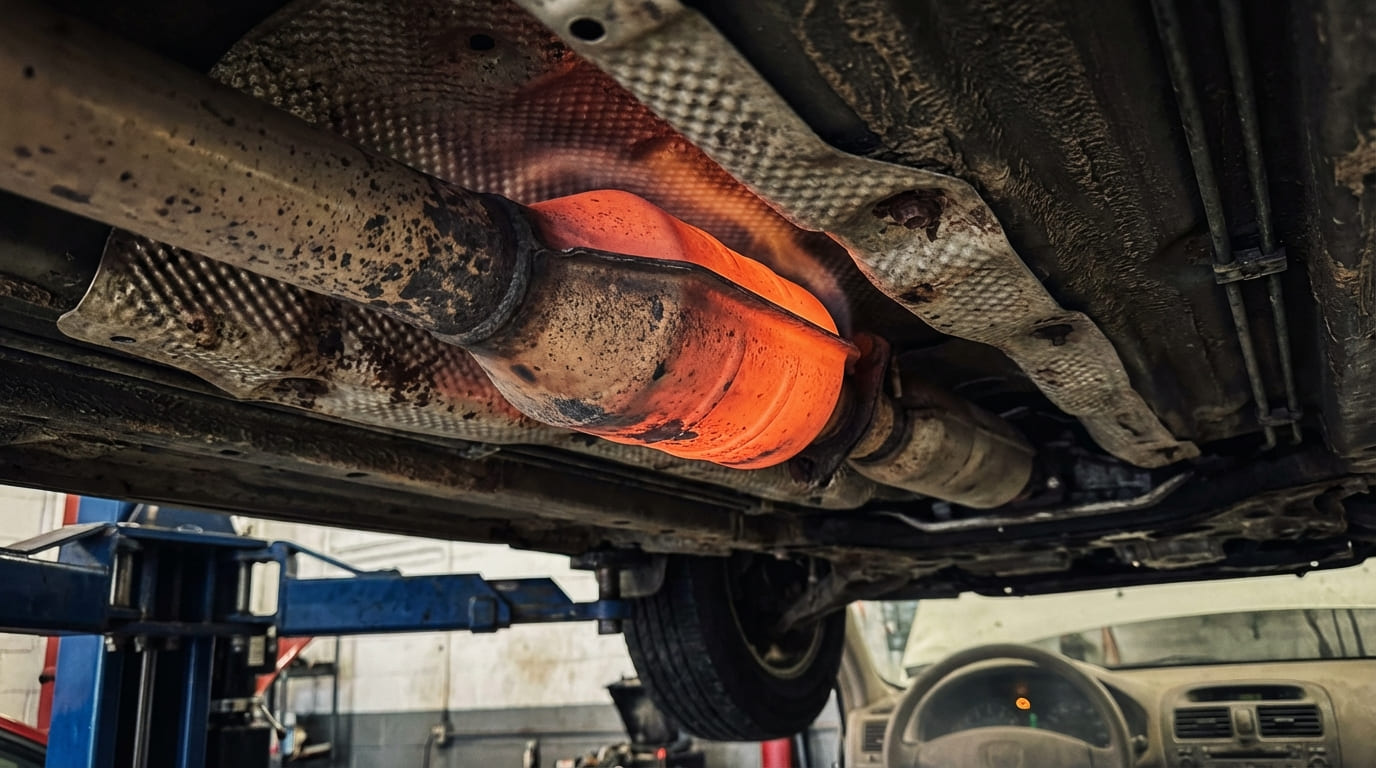
Overheating is the silent killer of engine blocks. It doesn’t have to be a catastrophic meltdown; even moderate, repeated overheating can cause fatigue cracks. When an engine gets too hot, the metal expands. If it expands unevenly—because some parts are hotter than others—it creates internal stress. Eventually, this stress snaps the metal.
- Low Coolant: The most common trigger. A small leak goes unnoticed, coolant levels drop, and hot spots develop in the cylinder heads and block deck.
- Failed Thermostat or Water Pump: If coolant stops circulating, heat builds up rapidly in the block, especially around the exhaust valves and cylinder walls.
- Clogged Radiator: Restricted flow prevents heat dissipation, causing the engine to run hotter than designed, leading to long-term thermal fatigue.
The Result: Cracks usually appear between cylinders (where material is thin) or on the deck surface near the head gasket. In severe cases, the main bearing webs can crack, destroying the engine’s structural integrity.
2. Frozen Coolant
In colder climates, neglecting your coolant mixture is a recipe for disaster. Water expands by about 9% when it freezes. Since the engine block is a sealed container, that expanding ice has nowhere to go. It pushes outward with tremendous force, often cracking the block from the inside out or popping out the core plugs (freeze plugs).
- Improper Mix: Running straight water or a weak coolant mixture (less than 50/50) lowers the freezing point protection.
- Old Coolant: Over time, coolant loses its anti-freeze properties. A 5-year-old mix might not protect against a hard freeze.
The Result: You’ll often see visible bulges in the water jacket walls or cracked areas near the core plugs. In aluminum blocks, the damage can be subtle until the engine is pressurized and leaks profusely.
3. Physical Impact and Hydro-lock
Sometimes the damage is external or sudden. Physical trauma can crack a block instantly, while hydro-lock does it from the inside.
- Hydro-lock: If liquid (water from deep puddles or coolant from a bad gasket) enters the combustion chamber, the piston cannot compress it. The connecting rod acts like a battering ram, often punching through the side of the block. This is common in flooded engines or those with severe head gasket failures.
- Accidents: A front-end collision can shift the engine, causing it to hit the frame rail or subframe. Even if the engine looks fine externally, the impact can crack mounting points or the block itself.
- Drops: I’ve seen blocks cracked during removal or installation if they are dropped or mishandled. Aluminum blocks are particularly fragile in this regard.
The Result: Hydro-lock usually leaves a hole in the block wall near the affected cylinder. Impact damage is often visible on the exterior, near mounting bosses or the oil pan rail.
4. Manufacturing Defects (Casting Porosity)
Not every crack is the owner’s fault. During the casting process, tiny air bubbles or impurities can get trapped in the metal. These are called “porosity.” While small pores are normal, larger clusters act as weak points. Under normal operating pressure and heat, these weak spots can develop into cracks.
- Common in Certain Models: Some engine families are known for porous blocks. It’s a lottery—you might get a good one, or one that fails at 50,000 miles.
- Hard to Detect: Porosity often doesn’t show up until the engine is under stress. It might look like a slow leak that no one can find.
The Result: Small, pinhole-like leaks that seep coolant or oil. Dye penetrant tests often reveal a cluster of tiny holes rather than a single clean crack line.
5. Improper Assembly and Torque
This is a human error cause. If an engine was recently rebuilt, incorrect assembly can lead to cracks. Over-torquing head bolts or main cap bolts stretches the metal beyond its yield point. Using the wrong torque sequence creates uneven clamping force, warping the block and eventually cracking it.
- Reused TTY Bolts: Torque-to-yield bolts stretch permanently. Reusing them means they won’t clamp correctly, leading to movement and stress fractures.
- Dirt in Threads: Debris in bolt holes can prevent bolts from seating properly, causing localized high stress.
The Result: Cracks near bolt holes, main caps, or head studs. These often appear shortly after a rebuild or major repair.
How to Tell if Your Block is Cracked (Symptoms)
Cracked blocks often mimic other issues. Before you tear down the engine, look for these signs.
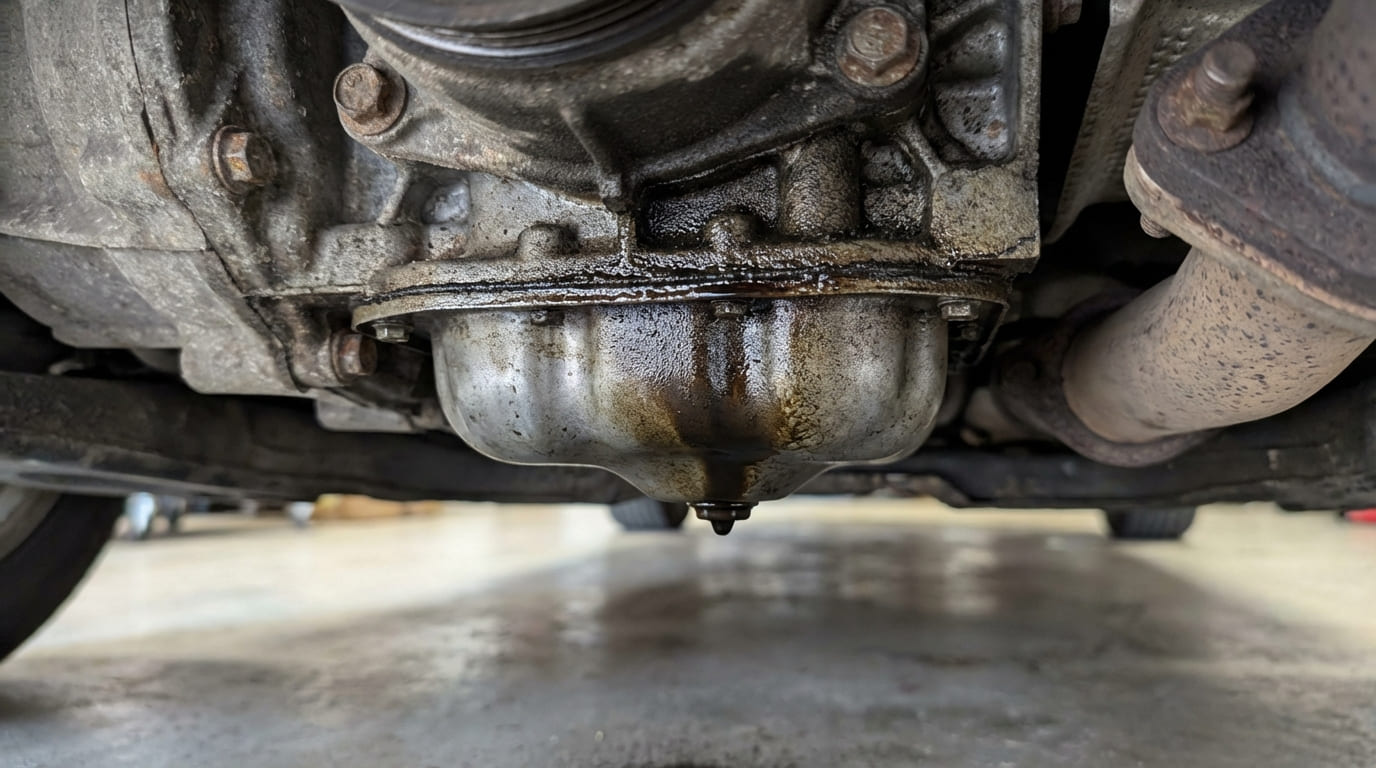
- External Coolant Leaks: Puddles under the car with no visible hose or radiator leak. Look for crusty white or green residue on the block itself.
- Mixing of Fluids: Milky oil (coolant in oil) or oily coolant (oil in coolant). While this can be a head gasket, a crack in the block can also connect these passages.
- White Exhaust Smoke: Sweet-smelling white smoke indicates coolant is burning in the combustion chamber. If the head gasket is fine, the block is the likely culprit.
- Overheating: Persistent overheating despite a new thermostat and radiator. A crack can allow combustion gases to enter the cooling system, creating air pockets that prevent proper cooling.
- Low Compression: If one cylinder has low compression and you’ve ruled out rings and valves, a crack in the cylinder wall or deck could be leaking pressure.
Diagnosing a Cracked Block
Confirming a crack requires more than a visual check. Here is how we diagnose it in the shop.
1. Cooling System Pressure Test
We pump the cooling system to the manufacturer’s specified pressure (usually 15–18 psi) and watch the gauge. If the pressure drops but there’s no external leak, the coolant is going somewhere internal—likely into a cylinder or the oil pan. This is a strong indicator of a crack or bad head gasket.
2. Chemical Block Tester
This tool detects combustion gases in the coolant. If the fluid changes color (usually from blue to yellow/green), it means exhaust gases are escaping into the cooling system. This confirms a breach between the combustion chamber and the water jacket.
3. Borescope Inspection
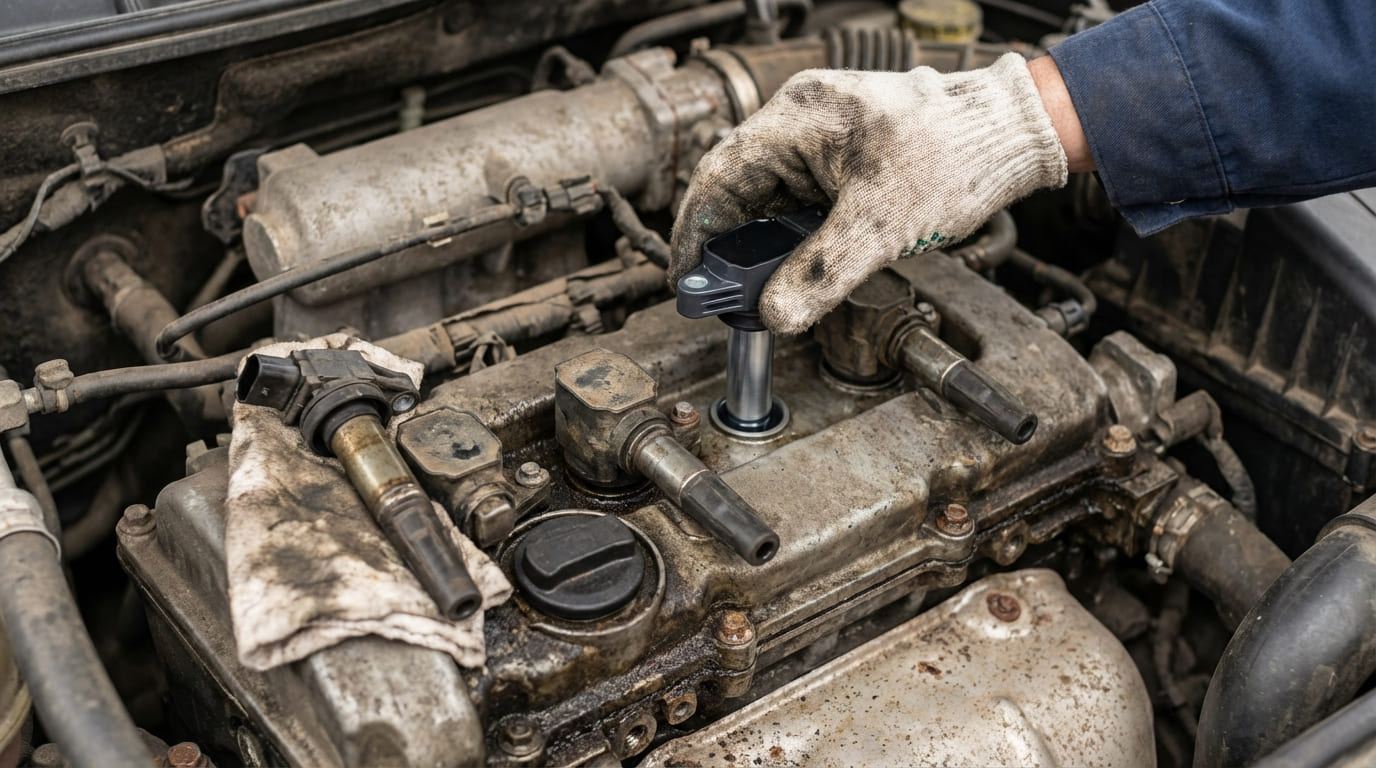
Removing the spark plugs and inserting a camera allows us to look inside the cylinder. We look for hairline cracks on the cylinder walls or deck surface. This is non-invasive and can save hours of teardown time.
4. Dye Penetrant Test
For external cracks, we clean the block thoroughly and apply a fluorescent dye. After letting it sit, we wipe it off and use a UV light. The dye remains in any cracks, making them glow brightly. This is effective for finding small fractures near bolt holes or mounting points.
Repair vs. Replace: Is It Worth Fixing?
Cracked blocks are expensive to fix. In many cases, replacement is more economical than repair. Here is a realistic breakdown.
| Option | Cost Estimate | Viability |
|---|---|---|
| Welding (Cast Iron) | $300–$800 | Low. High risk of re-cracking due to heat stress. Only for non-critical areas. |
| Metal Stitching | $500–$1,200 | Moderate. Good for non-pressurized areas, but labor-intensive. |
| Epoxy Sealants | $50–$200 | Very Low. Temporary fix only. Not reliable for long-term use. |
| Used Engine Swap | $800–$2,500 + Labor | High. Most cost-effective solution for daily drivers. |
| New Long Block | $2,000–$5,000+ | High. Best for performance vehicles or keeping the car long-term. |
My Advice: For most daily drivers, I recommend replacing the engine with a used low-mileage unit. Welding a block is a gamble—it might hold for years, or it might fail on the highway. The labor cost to remove, weld, and reinstall is often close to the cost of a swap, but the swap comes with a warranty.
Prevention: How to Avoid a Cracked Block
- ✅ Monitor Coolant Levels: Check your reservoir monthly. Top off with the correct 50/50 mix.
- ✅ Fix Overheating Immediately: If your temp gauge spikes, pull over. Driving an overheating engine is the fastest way to crack a block.
- ✅ Test Coolant Freeze Point: Before winter, have your coolant tested. A $10 test can save a $3,000 engine.
- ✅ Avoid Deep Water: Don’t drive through floods. Hydro-lock is instant and catastrophic.
- ⚠️ Avoid Cold Shock: Don’t pour cold coolant into a scorching hot engine. Let it cool down first to prevent thermal shock.
- ⚠️ Use Proper Torque: If rebuilding, follow OEM torque sequences exactly. Use a calibrated torque wrench.
Situation: A 2008 F-150 came in with coolant loss and white smoke. No external leaks. Compression was low on cylinder #4.
Initial Assumption: Blown head gasket—common on that model.
Deep Dive: Leak-down test showed air entering the coolant. Borescope revealed no head damage, but the block deck near #4 had a hairline crack running into the water jacket.
Nuanced Lesson Learned: Not every compression leak is the head gasket. Always inspect the block deck, especially if the engine has a history of overheating. On some engines, the gasket might seal fine, but the block itself fails first.
Situation: A rebuilt 350 Chevy started losing coolant after 500 miles. No smoke, no oil contamination.
Initial Assumption: Bad radiator cap or hose leak.
Deep Dive: Pressure test held fine cold, but dropped after warm-up. Dye test showed a tiny seep near the rear main cap. Upon removal, a stress crack was found in the block web—likely from over-torqued main caps during assembly.
Nuanced Lesson Learned: Cracks don’t always open up when cold. Thermal expansion can close or open a fissure depending on location. Test under operating temperature when possible.
A cracked engine block is a serious failure. While some minor external cracks can be repaired, most internal cracks mean the end of the engine’s life. The key is prevention: maintain your cooling system, avoid overheating, and address small leaks before they become big problems. If you suspect a crack, get it diagnosed early. Continuing to drive with a cracked block can turn a manageable repair into a total loss.