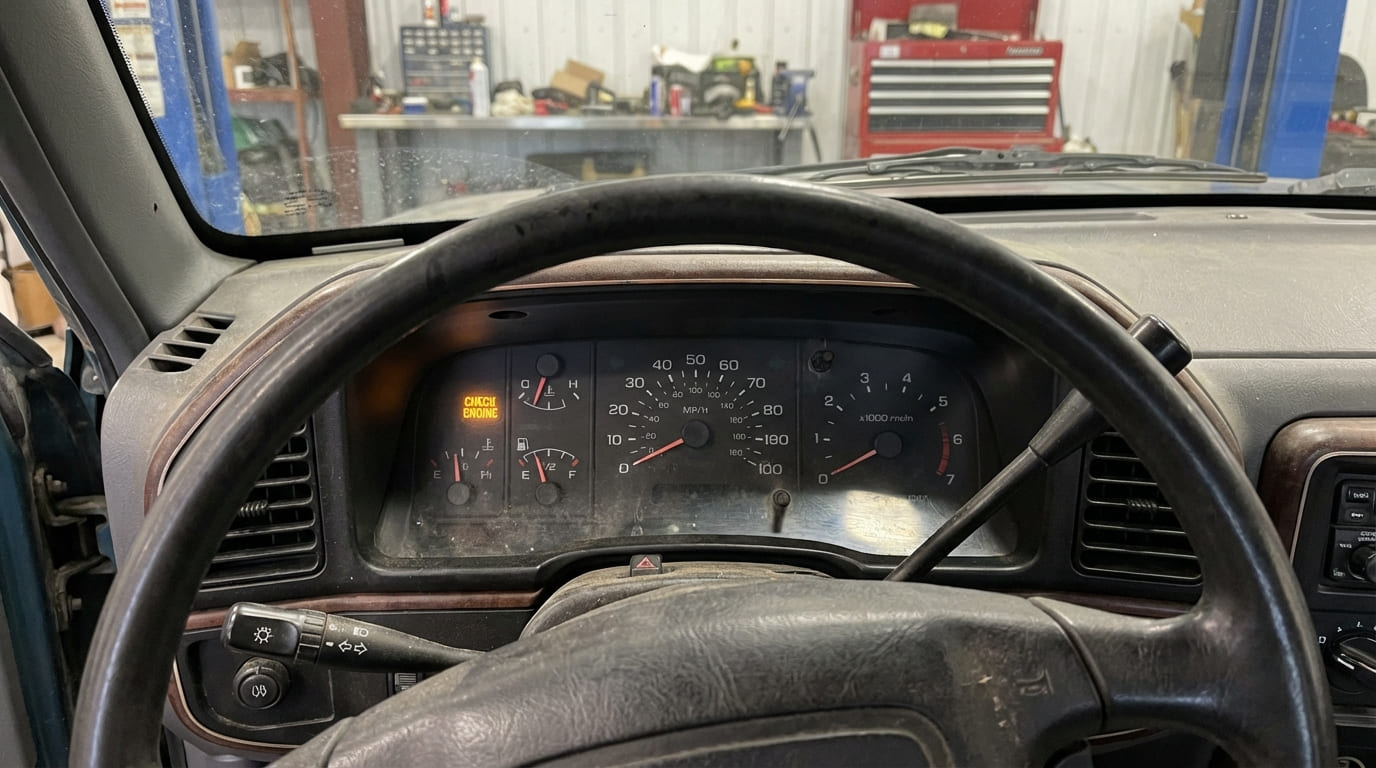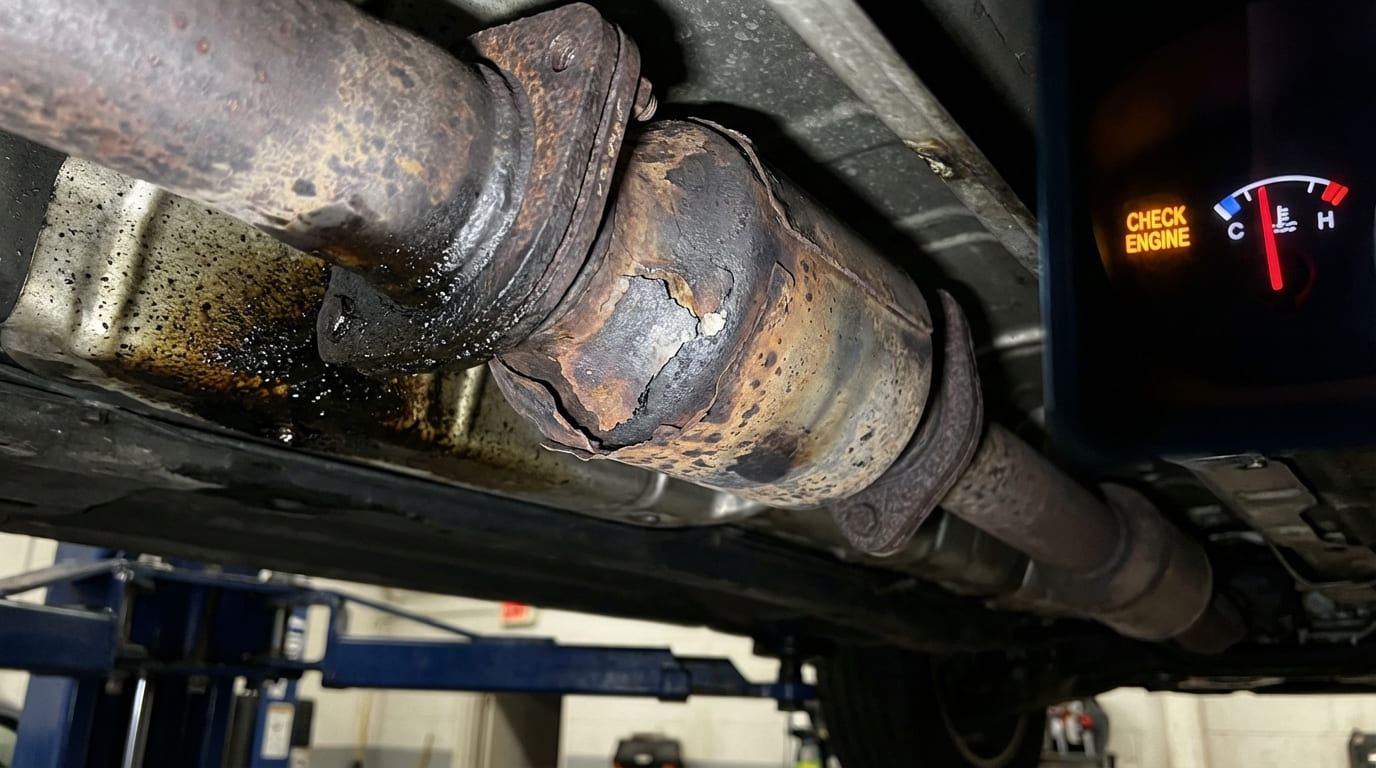
In my shop, I see vehicles come in every month with ignored check engine lights—and a clogged catalytic converter is one of the most dangerous issues we diagnose. While some drivers claim they’re “getting by,” the reality is that continued driving risks engine damage, fire, and even carbon monoxide exposure. After 20 years of teardowns and diagnostics, my verdict is clear: driving with a restricted cat is not safe. It’s not a matter of if something will fail—it’s when.
Safety Assessment and Immediate Risks
Operating a vehicle with a clogged catalytic converter introduces significant mechanical and safety hazards. The restriction builds exhaust back pressure, disrupting combustion, increasing underhood temperatures, and stressing engine components. Even if the car seems drivable at low speeds, load conditions like highway merging or hill climbing expose the severity of the issue.
Key Dangers of Driving with a Clogged Cat
- Engine damage: High exhaust gas temperatures (EGTs) can warp cylinder heads, crack pistons, and damage turbochargers.
- Fire risk: Converters can glow red-hot—over 1,000°C—igniting nearby wiring, fuel lines, or undercoating.
- Loss of power and stalling: Back pressure causes exhaust reversion, leading to poor idle, stalling, and limp mode.
- Carbon monoxide exposure: Cracked manifolds or leaks due to pressure can allow deadly CO into the cabin.
In my shop, we always tell customers: if your converter is glowing red or you smell exhaust inside the cabin, stop driving immediately. No repair is worth a life.
How to Check for a Clogged Catalytic Converter
Don’t guess—test. These field-proven diagnostics confirm restriction and help avoid unnecessary part replacement.
Exhaust Back Pressure Test
Remove the upstream oxygen sensor and install a back pressure gauge. Run the engine:
- At idle: should read under 1.25 psi
- At 2,500 RPM: should stay below 2.5 psi
Readings over 3 psi indicate a restriction. While the cat is the usual culprit, check for collapsed mufflers or crushed pipes before replacing.
Oxygen Sensor Voltage Analysis
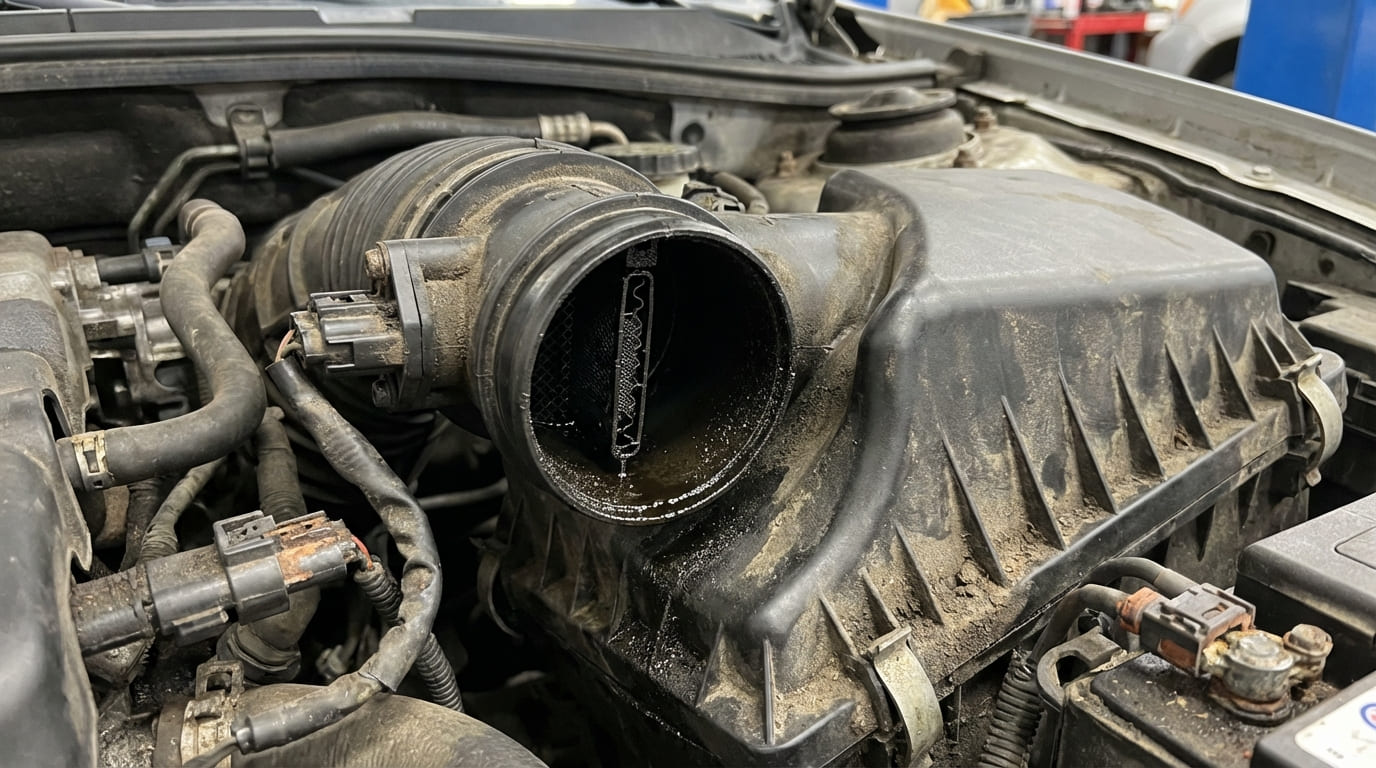
Use a scan tool to monitor live data from upstream and downstream O2 sensors:
- Healthy cat: downstream O2 voltage is stable (0.45V–0.6V)
- Failing cat: downstream sensor mirrors upstream—rapid fluctuations mean no oxygen storage
Note: Always rule out exhaust leaks or faulty sensors before condemning the converter.
Infrared Temperature Test
After a 10–15 minute drive, measure inlet and outlet temps with an IR thermometer:
- Normal: outlet is 10–50°C hotter than inlet
- Clogged: outlet is cooler (reaction not occurring) or excessively hot (over 800°C indicates overload)
Overheating can warp transmission lines and damage nearby components.
Visual and Borescope Inspection
If accessible, inspect the converter externally for discoloration or warping. Use a borescope to view the substrate:
- Melted, broken, or loose ceramic indicates failure
- Debris buildup suggests oil or coolant contamination
Also check for rattling noises—common when the substrate breaks apart.
Symptoms and Diagnostic Scenarios
Use this table to correlate symptoms with likely causes and avoid misdiagnosis.
| Symptom | Most Likely Cause(s) | Less Common But Possible |
|---|---|---|
| P0420 + power loss | Clogged or degraded catalytic converter | Exhaust leak before downstream O2 sensor, faulty O2 sensor |
| Engine stalls at idle | Severe back pressure from cat restriction | Idle air control issue, vacuum leak, EGR malfunction |
| Glowing red exhaust manifold | Unburned fuel entering exhaust (misfire) | Severe ignition timing fault, lean condition |
| Rattling under car | Broken catalyst substrate | Loose heat shield, damaged muffler baffle |
Situation: A 2012 V6 SUV came in with a P0420 code and poor acceleration. The owner had used fuel additives.
Diagnosis: Back pressure was high (4.2 psi), but borescope showed intact substrate. A leaking fuel injector caused a rich condition and misfire.
Lesson: Not every P0420 means a bad cat. Always check fuel, spark, and mechanical health first.
Situation: Turbo sedan towed in—converter glowing, engine dead.
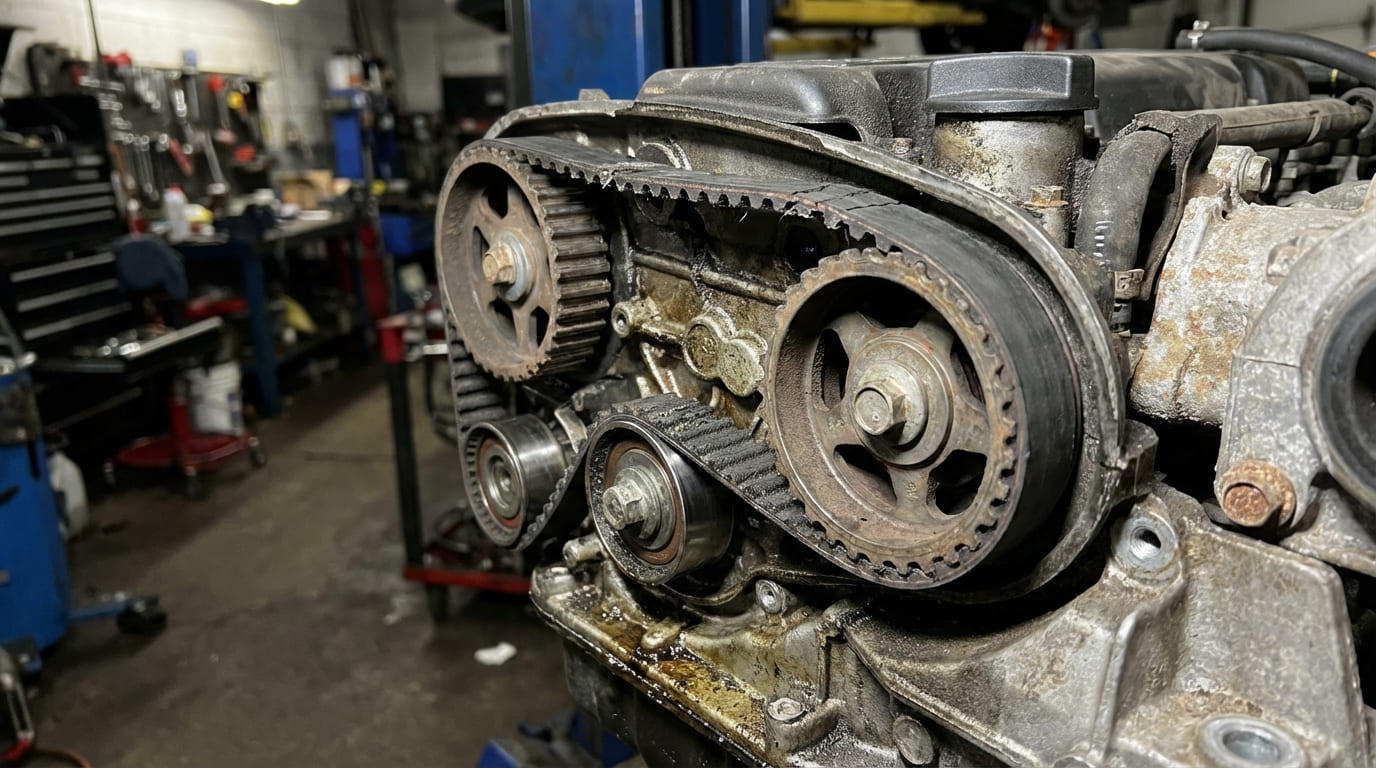
Diagnosis: Compression test revealed low cylinders. Timing chain had jumped, causing valve damage and unburned fuel in exhaust.
Lesson: Glowing converter? Look upstream. Combustion issues—not the cat—are often the root cause.
Situation: Rattling noise and failed emissions. Both O2 sensors fluctuating.
Diagnosis: Cat substrate was intact but loose. Cracked manifold caused vibration that broke internal matting.
Lesson: Structural exhaust damage can mimic or cause cat failure. Inspect hangers, flanges, and mounts.
Repair vs. Replace: Practical Advice
Once diagnosed, decide whether to repair, replace, or clean. Here’s how to make a smart, cost-effective choice.
Catalytic Converter Replacement
OEM converters offer reliability and emissions compliance. Aftermarket units vary—some last years, others fail in months. Expect to pay:
| Type | Average Cost (Part Only) |
|---|---|
| OEM | $600–$2,500+ |
| Quality Aftermarket (CARB-compliant) | $300–$800 |
| Budget Aftermarket | $150–$400 (higher failure rate) |
Always replace both upstream and downstream O2 sensors on high-mileage vehicles. A new cat with old sensors can trigger false codes.
Cleaning Attempts
Chemical cleaners may help with light carbon buildup but won’t fix melted or broken substrates. Risk: dislodged debris can block the muffler. Use only as a diagnostic test—if performance improves briefly, it confirms restriction but not repairability.
Removal (De-catting)
Removing the cat and tuning around it is illegal under the Clean Air Act in the U.S. and many regions. It also increases CO levels, risking cabin contamination. I’ve measured CO at 20,000+ ppm in de-catted vehicles—well above the 35 ppm safety limit. Not worth the legal or health risk.
In my shop, we never install straight pipes on street-driven vehicles. Even if the customer wants more sound or power, safety and legality come first.
Prevention and Long-Term Care
Most catalytic converters fail due to upstream problems. Protect your investment:
- Fix misfires immediately—unburned fuel overheats the cat
- Use correct oil (avoid high-Zinc or high-ash oils that poison catalysts)
- Avoid prolonged short trips—cats need sustained heat to burn off contaminants
- Use top-tier gasoline—lower sulfur and fewer catalyst poisons
- Address oil or coolant consumption—both contaminate the substrate
Neglecting a clogged cat leads to turbo failure, cracked manifolds, or engine rebuilds. The domino effect starts small but ends expensive.
Final Verdict: What to Do Now
If you suspect a clogged catalytic converter:
- Stop driving under load or for long distances.
- Perform a back pressure test and check O2 sensor data.
- Inspect for root causes—misfires, leaks, oil burning.
- If confirmed, replace with a certified unit and update sensors.
The catalytic converter is a witness to engine health. Treat it as a symptom, not just a part. Always consult factory service specs—back pressure limits and torque values vary by model. And remember: measure twice, replace once.