Short answer: No. While you might be able to drive a short distance in a pinch, continuing to operate a vehicle with a failing turbocharger risks catastrophic and costly secondary damage. As a master mechanic, I’ve seen too many “just get it home” decisions turn into complete engine rebuilds. The turbo is integrated into your engine’s oil, air, and exhaust systems—when it fails, it doesn’t just stop working; it can pollute or destroy other critical components.
What Happens When a Turbo Fails? Key Risks
Understanding the real-world consequences helps you make an informed decision. Here’s what you’re risking every time you start the engine with a suspect turbo.
1. Catastrophic Engine Damage from Debris or Oil Contamination
If the turbo’s compressor or turbine wheel begins to disintegrate, fragments can enter the engine. On the intake side, broken blades can travel through the intercooler and into the cylinders, causing valve or piston damage. On the exhaust side, turbine debris can block or damage the DPF or catalytic converter.
Equally dangerous is oil system contamination. Worn turbo bearings shed metal into the oil stream, which circulates through the engine. This can destroy main and rod bearings. I’ve torn down engines where the turbo was the only original failure—but metal contamination required a full rebuild.
In my shop, we always assume metal contamination if the turbo shaft has visible play or noise. We recommend flushing the oil system and replacing the oil filter—even if you’re only replacing the turbo.
2. Fire Hazard from Oil Leaks
A failing turbo seal can leak pressurized engine oil onto the hot turbo housing, which can exceed 1,000°F. This isn’t just smoke—it’s a real fire risk. I’ve seen melted wiring harnesses and vacuum lines from slow leaks that carbonized and eventually ignited under load.
If you smell burning oil or see smoke from the engine bay (not tailpipe), shut the engine off immediately. Do not drive further.
3. Loss of Power or Stranding
A seized or stuck turbo can restrict exhaust flow, increasing backpressure. This makes the engine work harder to expel exhaust, leading to overheating, stalling, or entering limp mode. Modern ECUs often derate power aggressively when boost faults are detected, leaving you stranded in traffic.
4. Damage to the Catalytic Converter or DPF
Excess oil from a leaking turbo seal can coat the catalytic converter or diesel particulate filter (DPF). Over time, this causes clogging and thermal overload. Replacing a DPF can cost $2,000–$4,000—far more than a new turbo.
| Component at Risk | Failure Consequence | Estimated Repair Cost |
|---|---|---|
| Engine internals | Bearing damage from metal contamination | $3,000–$7,000 (rebuild) |
| Catalytic converter | Clogging from oil residue | $800–$2,500 |
| DPF (diesel) | Blockage and overheating | $2,000–$4,000 |
| Intercooler | Oil sludge buildup | $300–$800 (clean or replace) |
How to Diagnose a Failing Turbocharger
Don’t guess—verify. Many turbo symptoms mimic other issues. Use these proven diagnostic steps before making a decision.
Step 1: Listen for Telltale Noises
- Whining or siren noise: Increases with RPM. Often indicates bearing wear. Common on VW/Audi 2.0T engines.
- Grinding or scraping: Metal-on-metal sound means impeller contact. Stop driving immediately.
- Rattling: Could indicate loose turbine vanes (in VGT turbos) or a failing wastegate actuator.
Not all turbo noises are turbo problems. I once chased a whine for hours—turned out to be a worn serpentine belt tensioner. Always rule out accessory drive noise first.
Step 2: Check for Smoke
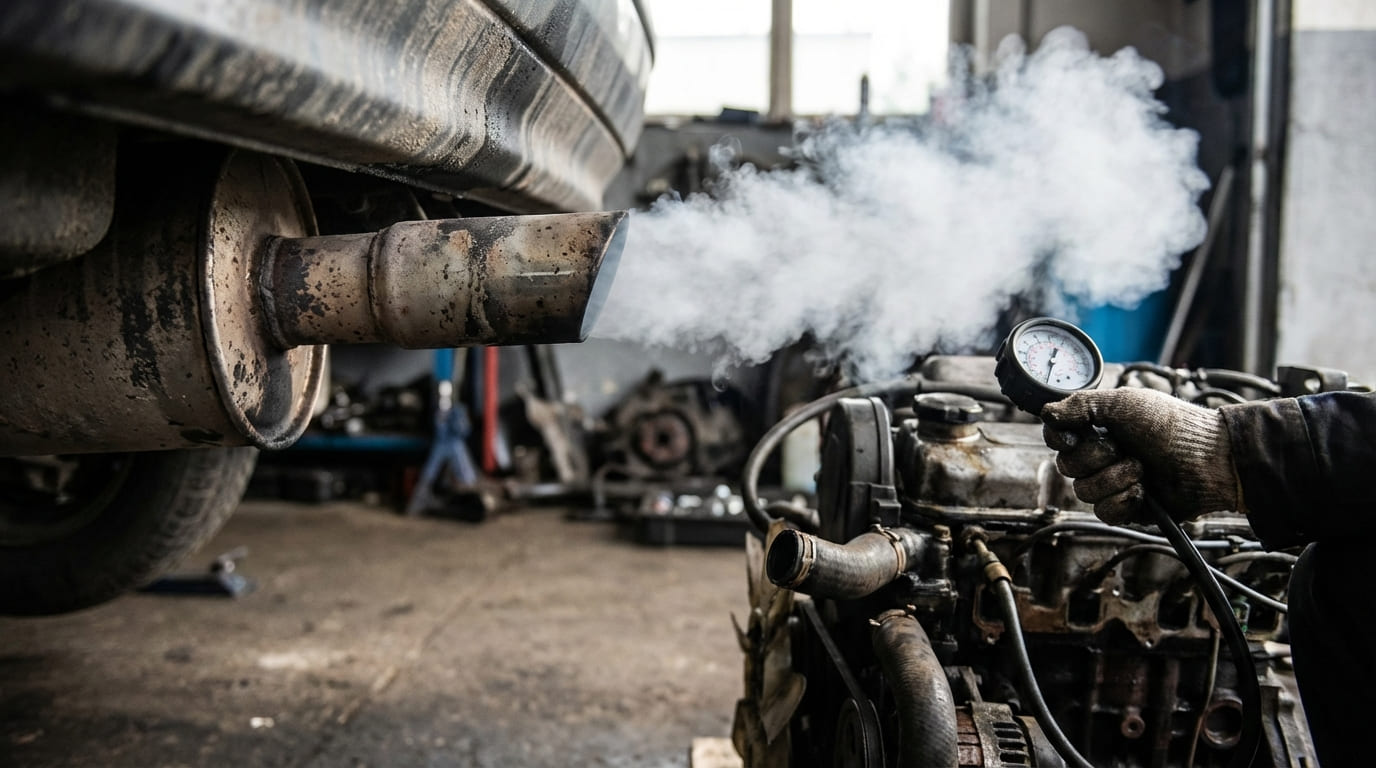
- Blue or grey smoke under acceleration: Likely oil being burned via a failed compressor seal.
- Black smoke under load: Usually not over-fueling—more likely insufficient boost due to a stuck wastegate or boost leak.
But don’t jump to conclusions. Blue smoke can also come from worn valve guides or a clogged PCV system—especially on Subarus and BMWs.
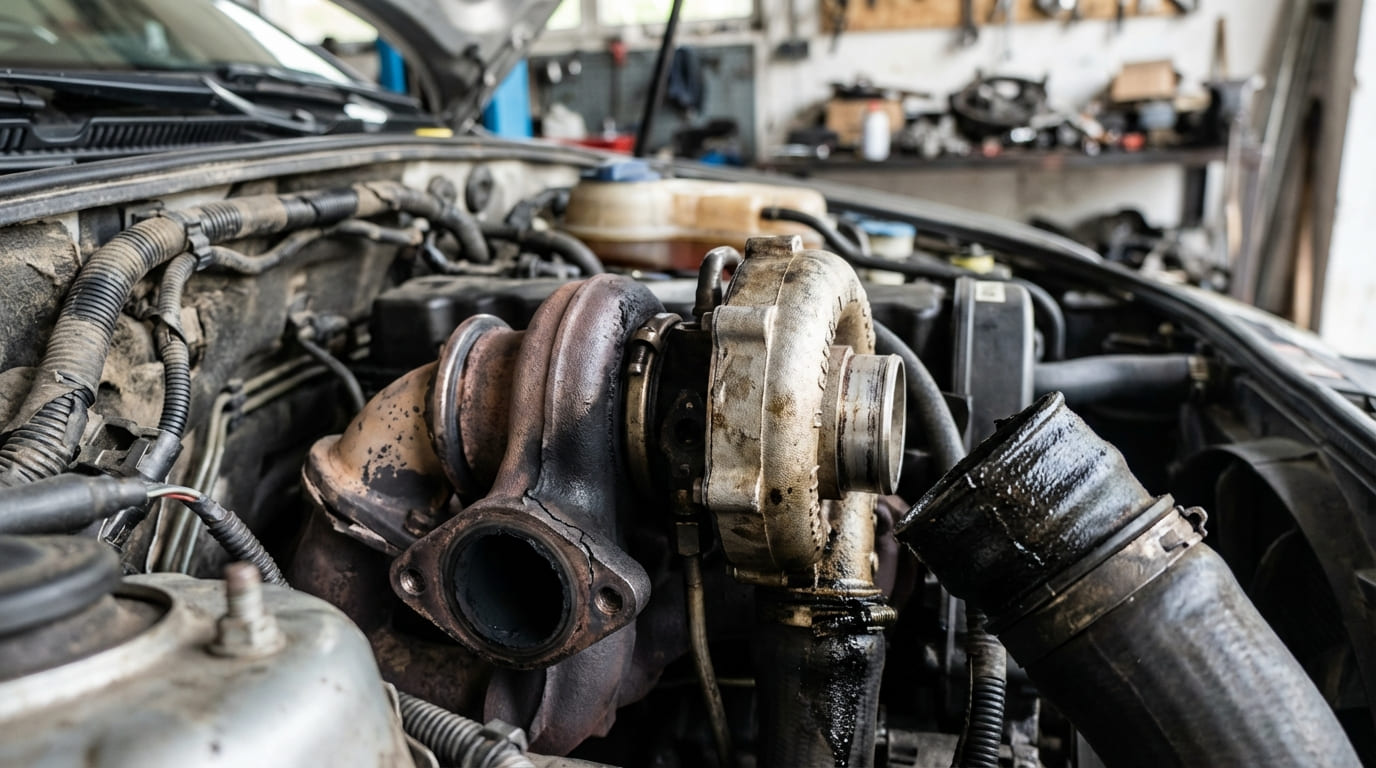
Step 3: Test for Shaft Play
With the intake and exhaust disconnected:
- Manually wiggle the compressor wheel side-to-side (radial play).
- Push and pull the shaft in and out (axial play).
- Use a dial indicator if possible.
General rule: More than 0.005″ (0.12 mm) radial play or any axial movement indicates worn bearings. Ball-bearing turbos have tighter tolerances—consult the service manual.
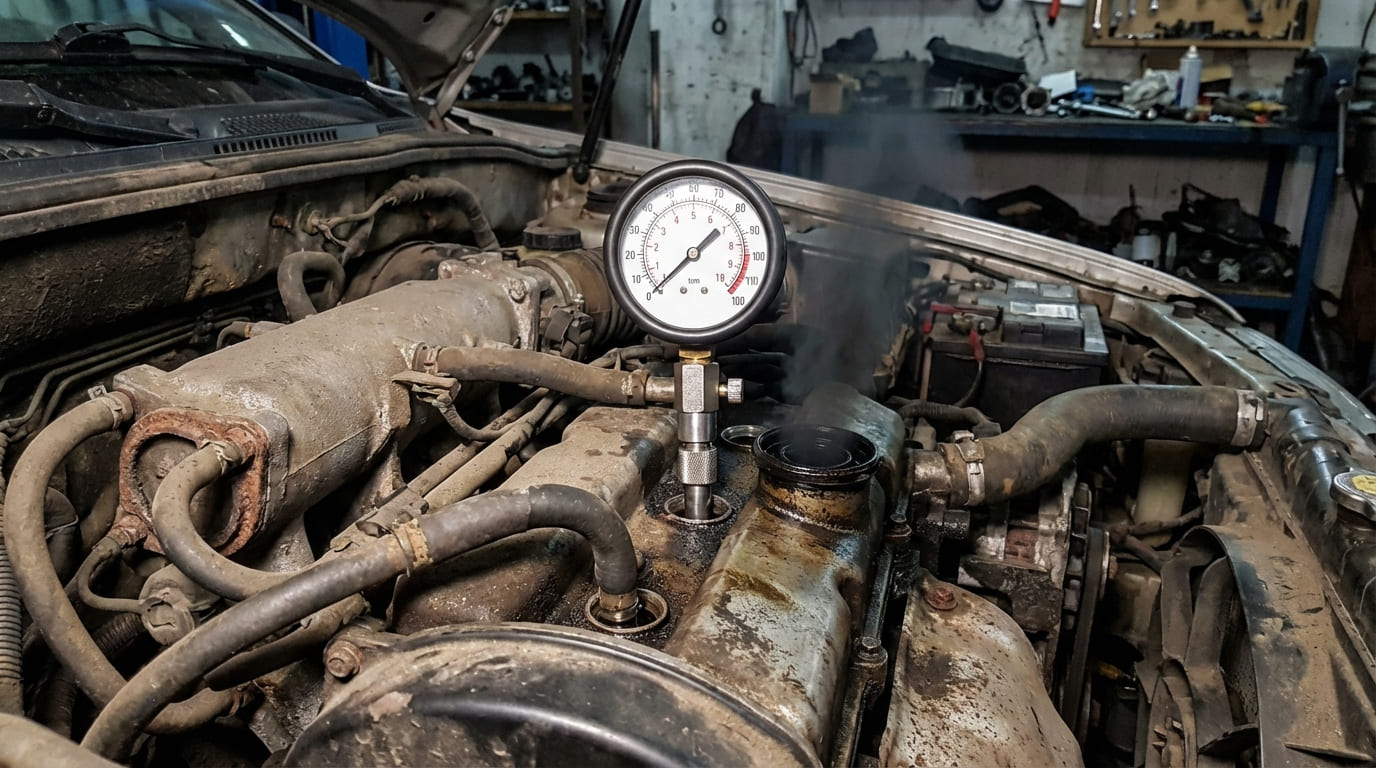
Step 4: Verify Boost Pressure
Use an OBD2 scanner to compare:
- Commanded boost (what the ECU wants)
- Actual boost (what the sensor reads)
On a healthy system, actual boost should be within 1–2 psi of commanded under full load. A large gap suggests:
- Boost leak (check hoses and intercooler connections)
- Stuck wastegate or failed actuator
- VGT vane sticking (diesel)
- Not necessarily a dead turbo
I always perform a smoke test if boost is low. More than half the “bad turbo” cases I see turn out to be split charge pipes or loose clamps.
Step 5: Inspect Oil Feed and Drain Lines
Clogged or kinked oil lines are a leading cause of turbo failure—especially in tight engine bays (GM 2.0L, Ford EcoBoost).
Check for:
- Carbon buildup in the drain line (restricts oil return)
- Kinks or collapses in the feed line
- Crust buildup at the turbo inlet—sign of poor oil flow
Replace or flush lines during turbo replacement. Also inspect the crankcase breather—backpressure here can prevent oil from draining properly.
What to Do If You Suspect Turbo Failure
Your next move depends on symptoms and distance to repair.
If Symptoms Are Severe (smoke, noise, loss of power):
Stop driving. Arrange a tow. Continuing risks engine or fire damage.
If Symptoms Are Mild (slight whistle, no smoke, power mostly OK):
You may cautiously drive short distances (<5 miles) at low RPM to reach a shop. But:
- Avoid boost (stay under 2,500 RPM)
- Monitor oil pressure
- Do not tow or haul
In my shop, we tell customers: “If you’re not sure, don’t drive it.” The cost of a tow is nothing compared to a new engine.
Repair vs Replace: Cost and Viability
A new OEM turbo: $800–$2,500. Aftermarket: $400–$1,200. Labor: $300–$800.
Rebuild kits exist ($150–$300), but I don’t recommend them unless you’re experienced. Improper assembly leads to rapid failure.
Repair is only viable if:
- The engine is otherwise healthy
- No metal contamination found in oil
- No damage to intercooler, DPF, or engine internals
If metal is found in the oil pan or filter, assume engine damage. A cheap turbo fix will fail again quickly.
After Turbo Replacement: Critical Steps
To protect your investment and avoid repeat failure:
- ✅ Replace engine oil and filter with correct spec (usually full-synthetic)
- ✅ Flush oil lines and replace if clogged
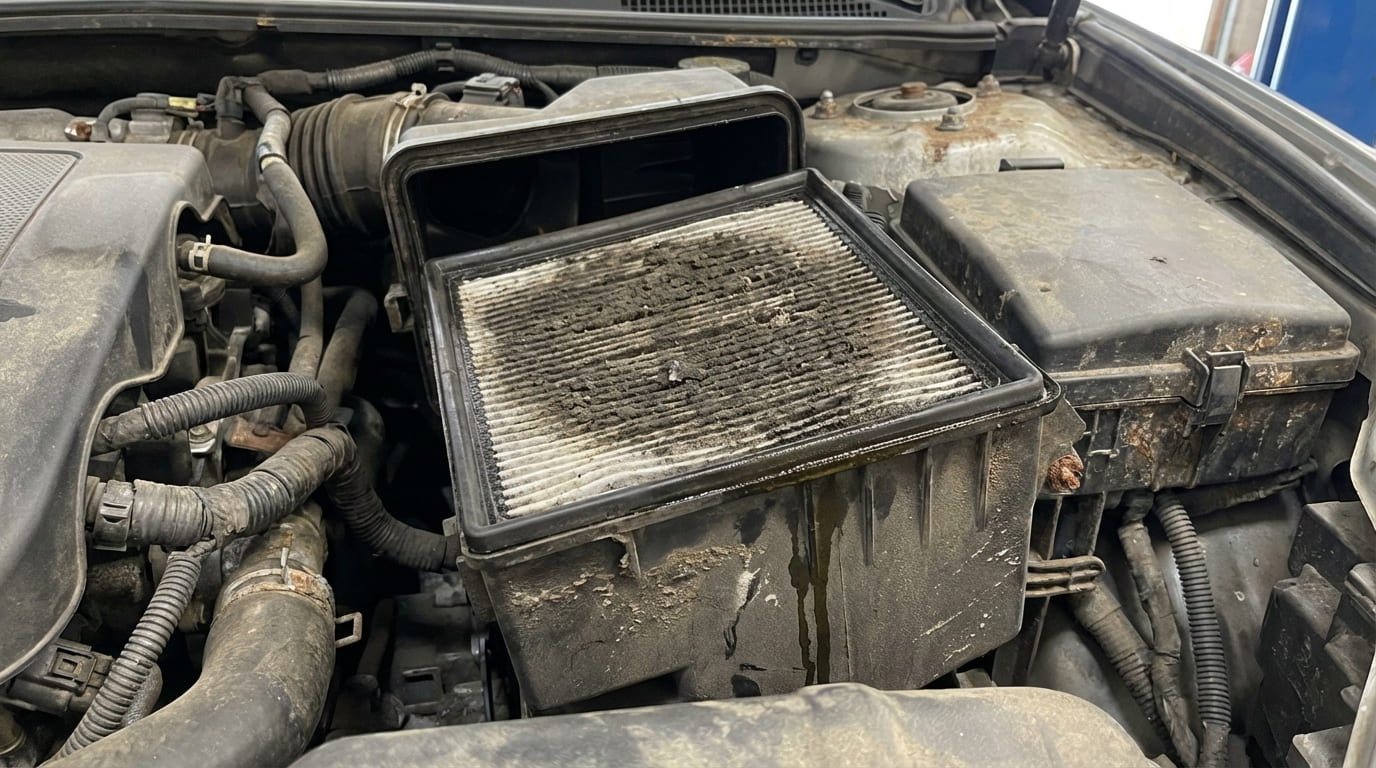
- ✅ Clean or replace intercooler and charge piping
- ✅ Inspect and clean PCV system
- ✅ Pre-lube the turbo before startup (pour oil into inlet)
- ⚠️ Never reuse old oil lines or fittings
- ⚠️ Never skip the oil feed screen
I pre-lube every turbo I install—even if it’s “pre-filled.” Dry startup kills turbos in seconds. Let oil circulate for 30 seconds at cranking speed before full ignition.
Final Verdict: Is It Safe?
No. Driving with a failing turbo is a gamble. The longer you drive, the higher the chance of cascading damage. What starts as a $1,000 repair can become a $5,000 engine job.
Diagnose properly. Tow if in doubt. Fix the root cause—not just the symptom. And always treat turbo replacement as a system overhaul, not just a part swap.