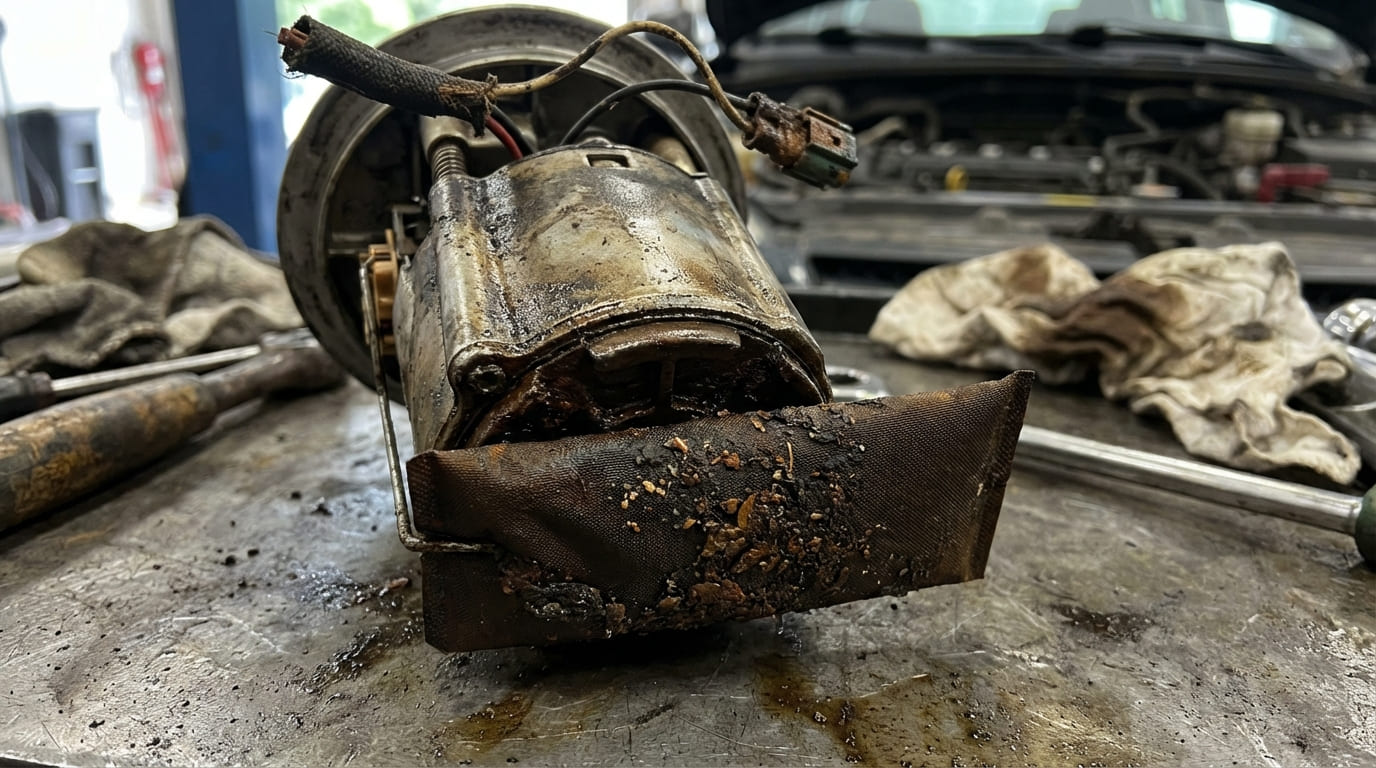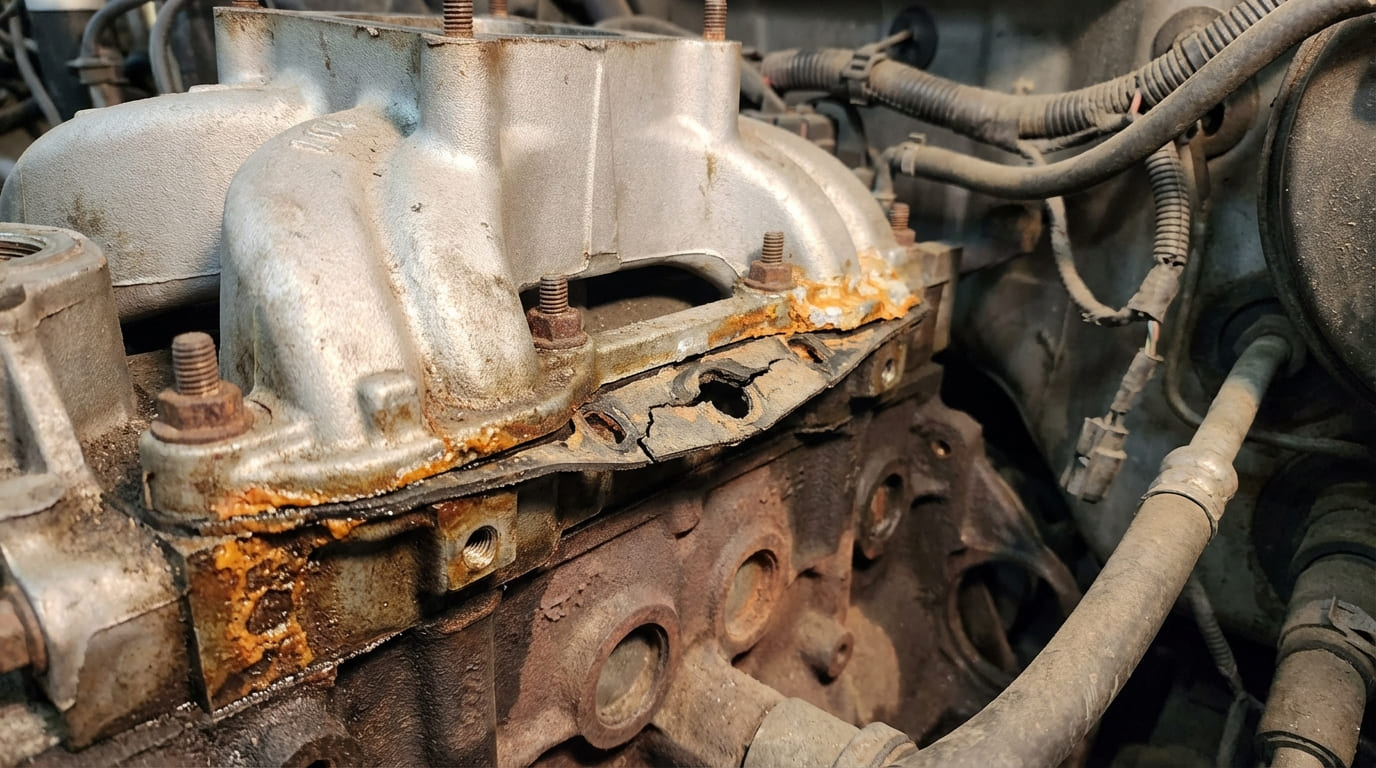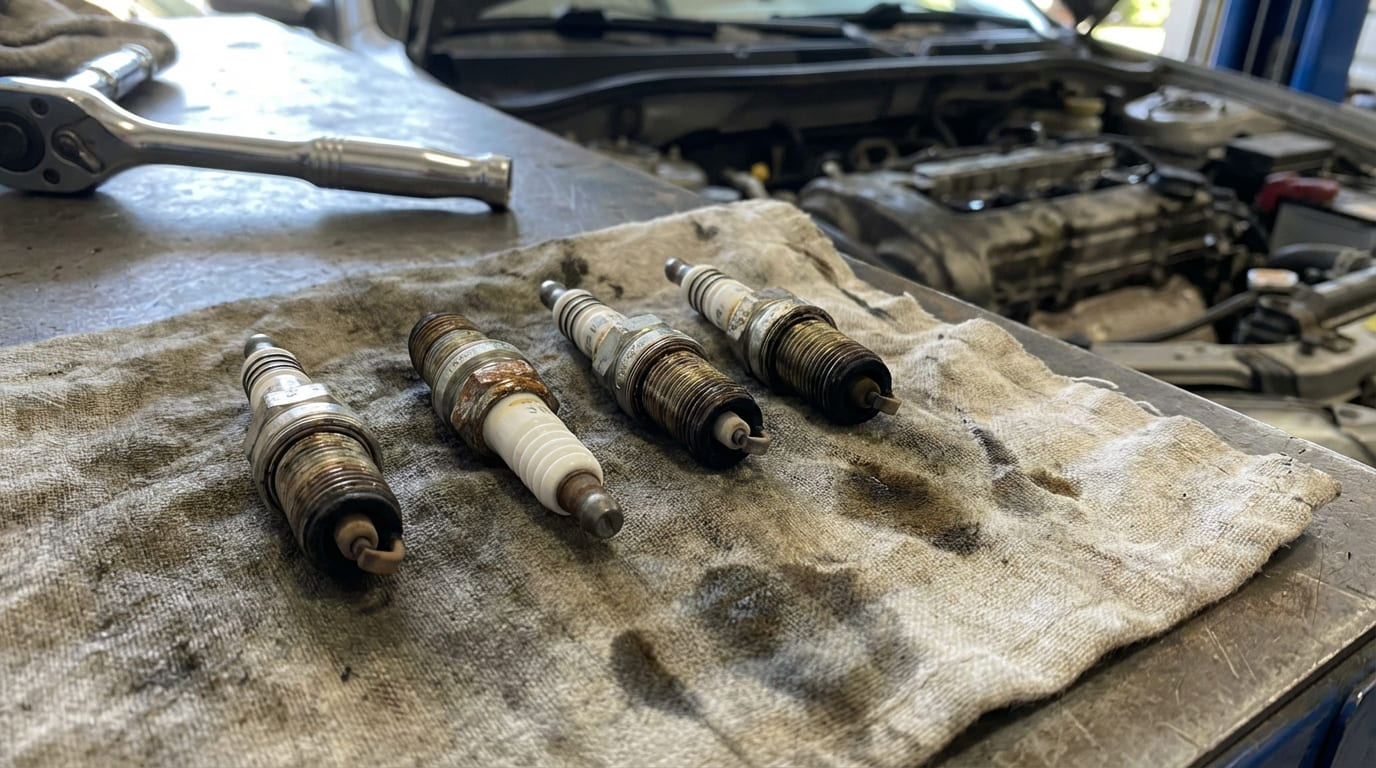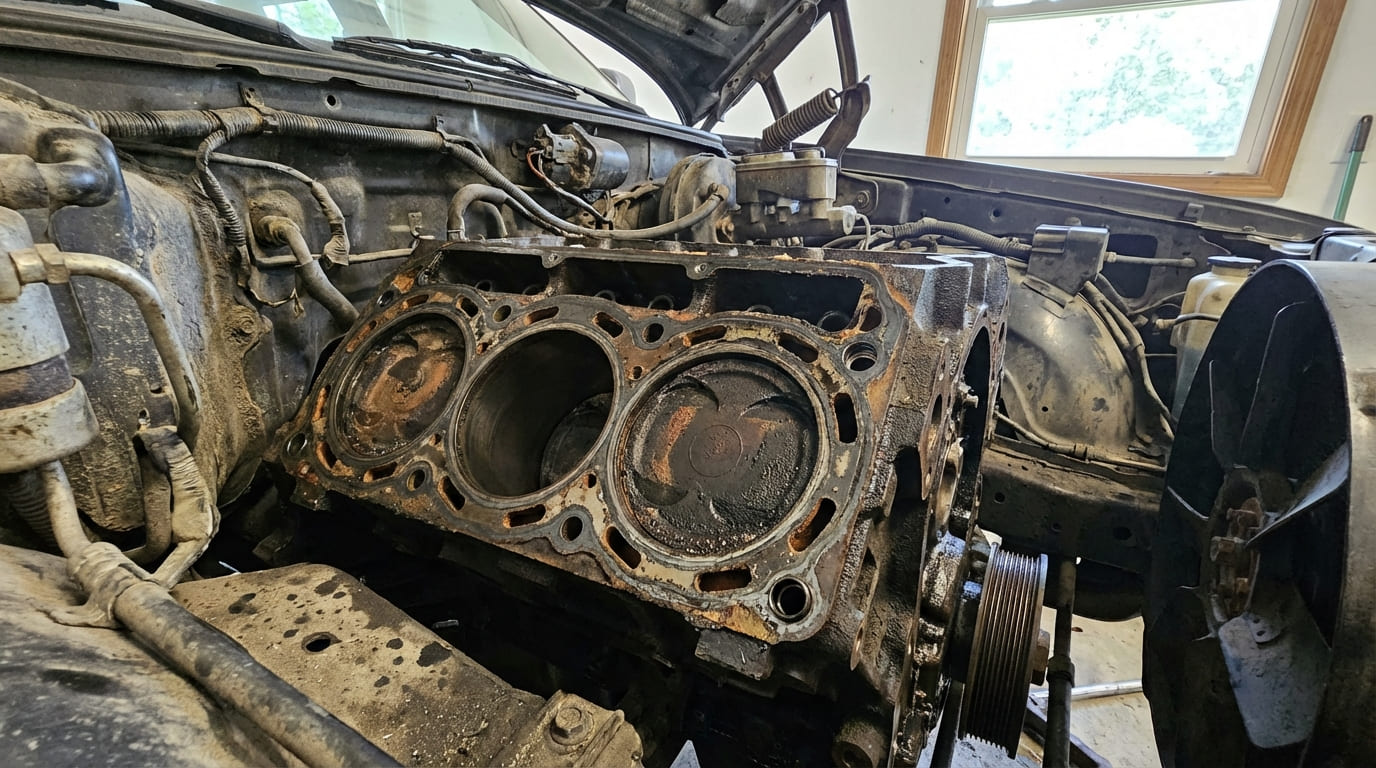
After 20 years as a master mechanic, I’ve seen every reason an engine fails—and every reason a repair goes wrong. The rebuild vs. replacement decision isn’t about pride or nostalgia. It’s a cold, hard calculation based on damage, labor, parts, and vehicle value. This guide cuts through the noise with diagnostics, cost benchmarks, and real-world logic to help you make the right call.
Step 1: Diagnose Before You Decide
Never assume the engine is dead. Many symptoms mimic internal failure but stem from external or sensor issues. Start with a full diagnostic sweep to avoid costly mistakes.
How to Check: Initial Diagnosis
Follow this sequence before opening the engine:
- Visual inspection: Look for oil, coolant, or fuel leaks. Check the serpentine belt and accessories—seized AC compressors or alternators can mimic engine seizure.
- Listen and feel: Rod knock (loud knock under load) often means bearing failure. Main bearing knock is deeper and constant. Valvetrain ticking is common, but sudden or worsening noise needs investigation.
- OBD2 scan: Misfire codes (P0300–P0308) require a cylinder contribution test. High fuel trims (LTFT > +15%) may point to vacuum leaks or compression loss—cross-check with physical tests.
- Oil analysis (recommended for high-mileage engines): $50 test. High iron (Fe) = cylinder or bearing wear. Copper (Cu) and lead (Pb) = bearing material. Sodium (Na) or potassium (K) = coolant in oil.
How to Check: Compression and Leak-Down Tests
These are the gold standards for internal health.
- Compression test: Disable fuel and spark. Hold throttle wide open. Crank each cylinder 4 strokes. Factory spec is usually 130–180 psi. More than 15% variation between cylinders is a red flag. Low and even across all? Check cam timing or head gasket.
- Leak-down test: At TDC compression, pressurize each cylinder to 100 psi. Listen for air escape:
- Oil cap: worn rings
- Throttle body: intake valve leak
- Radiator: head gasket or cracked head
More than 10% leakage demands teardown. 12–15% may be acceptable on high-mileage engines if stable.
How to Check: Borescope and Cooling System
A $200 borescope can save you $4,000. Insert through spark plug hole to inspect:
- Cylinder walls: scoring deeper than 0.002″ usually requires boring.
- Pistons: cracks, carbon buildup, or melted edges indicate detonation or overheating.
- Valves: broken springs or burned edges show up clearly.
Also pressure-test the cooling system to 13–18 psi. A 3–5 psi drop in 10 minutes means a leak. Bubbles in coolant under pressure? That’s combustion gas—head gasket or crack.
Step 2: Classify the Damage
Not all engine failures are equal. Some are rebuildable. Some are death sentences. Know the difference.
Rebuild-Feasible Damage
These issues are predictable and repairable:
- Worn piston rings or cylinder walls within honing range (≤0.0015″ deep)
- Failed head gasket with flat, crack-free heads and block
- Worn valve guides or seals
- Bearings worn but crankshaft within regrind limits (typically 0.030″ undersize)
If machining and parts stay under 70% of a reman engine cost, rebuild is viable.
Replacement-Only Damage
These conditions end the rebuild conversation:
- Verified block crack (especially through main webs or cylinder wall)
- Main bore distortion beyond line-boring capability
- Crankshaft worn past regrind spec or with micro-pitting from oil starvation
- Spun bearing with saddle damage
- Fire-damaged aluminum heads (welding rarely restores strength)
In my shop, we never rebuild a block with stress cracks. The risk of failure is too high.
In my shop, we always pressure-test cylinder heads after machining. A $50 test prevents a $3,000 comeback. Also, never reuse torque-to-yield (TTY) head bolts unless the manual says it’s safe. I’ve seen 15% of head gasket failures tied to reused TTY bolts.
Step 3: Cost Analysis — Rebuild vs. Replacement
Labor is the killer. At $120–$180/hour, 40 hours of labor = $4,800–$7,200. That’s before parts. Compare that to a reman long-block with core exchange.
| Failure Symptom | Root Cause | Rebuild Viability | Replacement Consideration |
|---|---|---|---|
| White smoke, coolant loss, no overheat | Head gasket, intake leak, cracked head | High — if heads and block are intact | Low — unless head is cracked |
| Knock under load, low oil pressure | Worn rod/main bearings, crank damage | Medium — depends on crank and labor cost | High — if crank needs grinding or block scored |
| Oil consumption, blue smoke at startup | Worn valve seals, guides, or rings | High — top-end rebuild often sufficient | Low — unless other components failing |
| Sudden compression loss, engine seized | Hydrolock, spun bearing, rod failure | Low — likely block or crank damage | High — used or reman engine best path |
| Gradual power loss, high trims, misfires | Carboned valves, cam wear, vacuum leaks | Low — may not need engine work | Low — focus on cleaning, sensors, or valvetrain |
Price benchmarks (2024, U.S. average):
- Rebuild (DIY): $1,200–$2,500 (parts, machining, tools)
- Rebuild (shop): $3,500–$6,000 (labor dominates)
- Reman long-block: $2,800–$4,500 (core exchange)
- Installed reman: $4,000–$6,000
- Used engine: $1,000–$2,500 + $1,000 install
I always recommend flushing the oil and cooling systems before installing a new or reman engine. Debris from the old engine is the #1 cause of premature reman failure. Spend $100 on a flush kit—it’s cheaper than a second replacement.
Step 4: Make the Final Call
Now weigh the big picture.
Vehicle Value and Use
Putting $5,000 into a $4,000 car rarely makes financial sense—unless it’s a classic, work truck, or sentimental build. For daily drivers, calculate cost vs. resale. A rebuilt engine adds reliability but not resale value. A reman engine with warranty does.
Warranty and Downtime
Reman engines typically come with 1–3 year warranties. DIY rebuilds have none unless you use premium parts and pro machining. Used engines? Only buy with at least a 90-day warranty. And check compression on the donor car if possible.
Downtime matters. A rebuild takes 3–6 weeks with machining delays. A reman engine in stock? Car back in 5–7 days. For a delivery van or family SUV, that’s a real cost.
In my shop, we don’t default to rebuild or replacement. We diagnose, estimate, and present options. The engine is part of the vehicle’s lifecycle strategy. Always follow factory specs for torque, warpage limits, and clearances. A Ford 302 isn’t a Honda K24—context is everything.