Most diesel owners assume glow plugs need routine replacement like spark plugs—but that’s rarely the case. As a master mechanic, I’ll cut through the noise: glow plugs are condition-based components. Replace them when diagnostics confirm failure or risk outweighs cost, not because a generic schedule says so. Let’s break down when to act, how to test, and when to walk away.
When to Replace Glow Plugs: The Real-World Rules
OEMs rarely specify a fixed interval. Instead, they rely on onboard diagnostics and symptom-based service. In practice, most original glow plugs last 100,000 to 150,000 miles in well-maintained vehicles. Highway-driven diesels in mild climates often exceed that. Proactive replacement without cause wastes money—labor alone can run $200–$500 depending on engine layout.
But there are clear scenarios where full-set replacement makes sense. Use this guide to decide:
| Scenario | Probability of Benefit | Notes |
|---|---|---|
| Two or more plugs failed in 12 months | High | Remaining plugs are likely fatigued. Systemic wear is underway. |
| Over 100,000 miles in cold climate | Moderate | Frequent cold starts increase thermal cycling. Prevent winter no-starts. |
| High labor cost for access (e.g., intake removal) | Moderate to High | Repeating labor for single plugs doubles long-term cost. |
| Vehicle used for critical operations (e.g., remote, emergency) | Moderate | Reliability justifies cost. Avoid failure in inaccessible areas. |
How to Check Glow Plug Condition
Never replace glow plugs on assumption. Diagnose first. Hard starting in cold weather is the most common complaint—but it’s not exclusive to glow plug failure. Use these three tests to confirm.
Electrical Resistance Test
This is your baseline check. It’s fast, accurate, and requires only a digital multimeter (DMM) with 0.01Ω resolution.
- Ensure the engine is cold—warm plugs read lower resistance.
- Disconnect each glow plug connector at the valve cover.
- Set DMM to Ohms (Ω).
- Place one probe on the plug terminal, the other on a clean engine ground.
- Record readings for all plugs.
Healthy glow plugs typically read between 0.4Ω and 1.8Ω. An open circuit (OL) means failure. Flag any plug more than 20% outside the average—uneven resistance stresses the controller.
Current Draw Test
When resistance is borderline, test live current. This reveals failing plugs and controller issues.
- Use a DC clamp meter (100A range, 0.1A resolution).
- Clamp around one glow plug wire or the main power feed.
- Turn ignition to “on” (do not crank) to activate glow cycle.
- Observe peak current draw.
Normal draw: 10–20 amps per plug. Zero amps = open circuit. Excessive draw (e.g., 25A+) suggests internal short. If all plugs draw high current, suspect a stuck relay or failed controller.
Visual Inspection After Removal
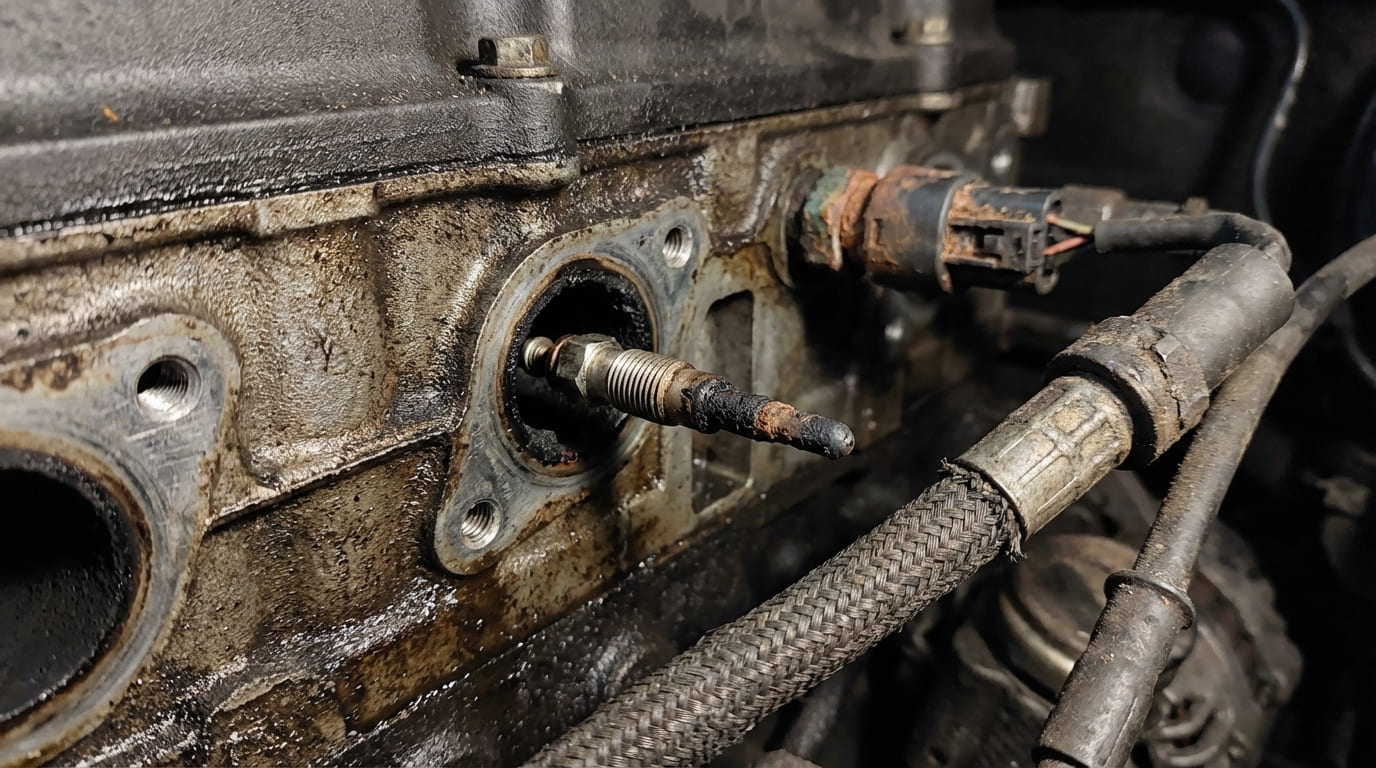
Once out, inspect each plug. The tip tells the story:
- Swollen or melted tip: Overheating—likely over-voltage or prolonged energizing.
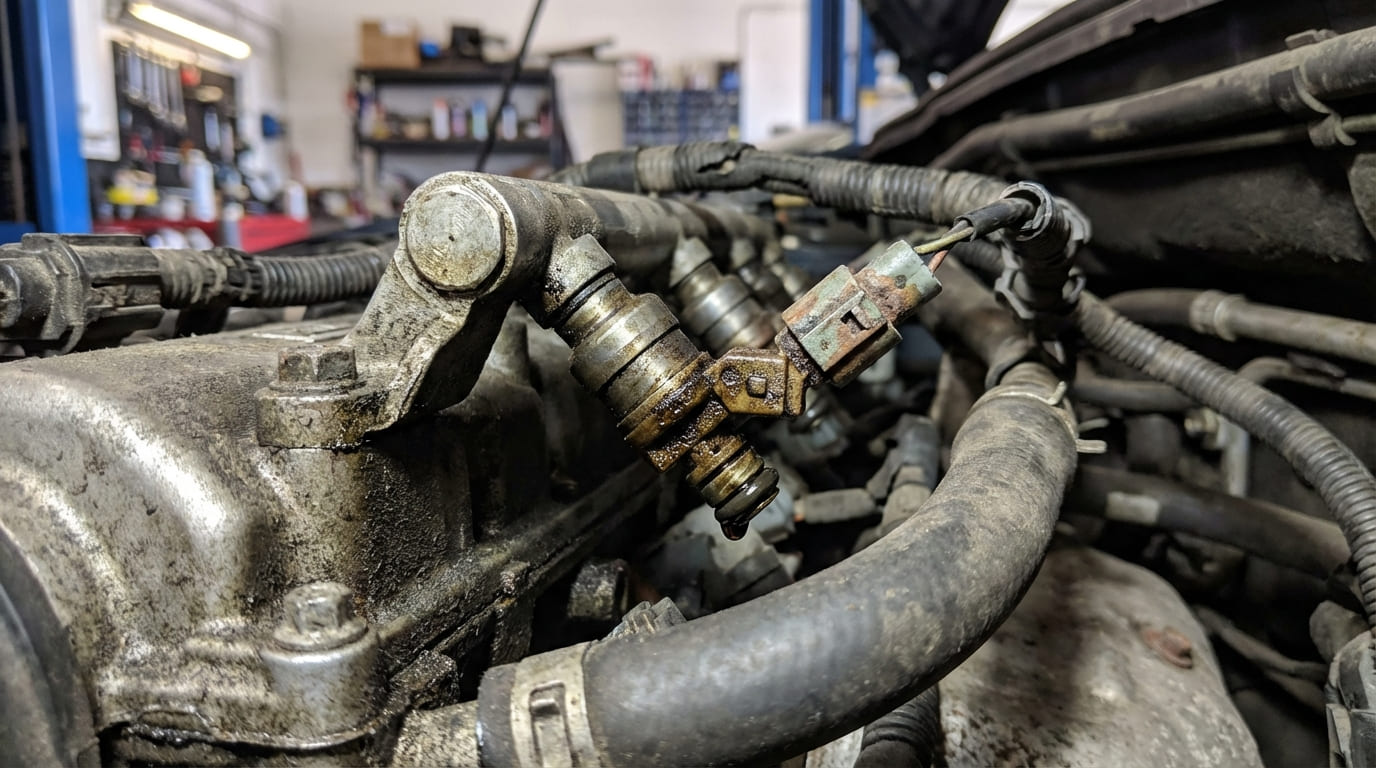
- Heavy carbon buildup: Fuel injector dribble, low combustion temps, or excessive idling.
- Cracked sheath or tip: Thermal shock, coolant ingress, or overtightening.
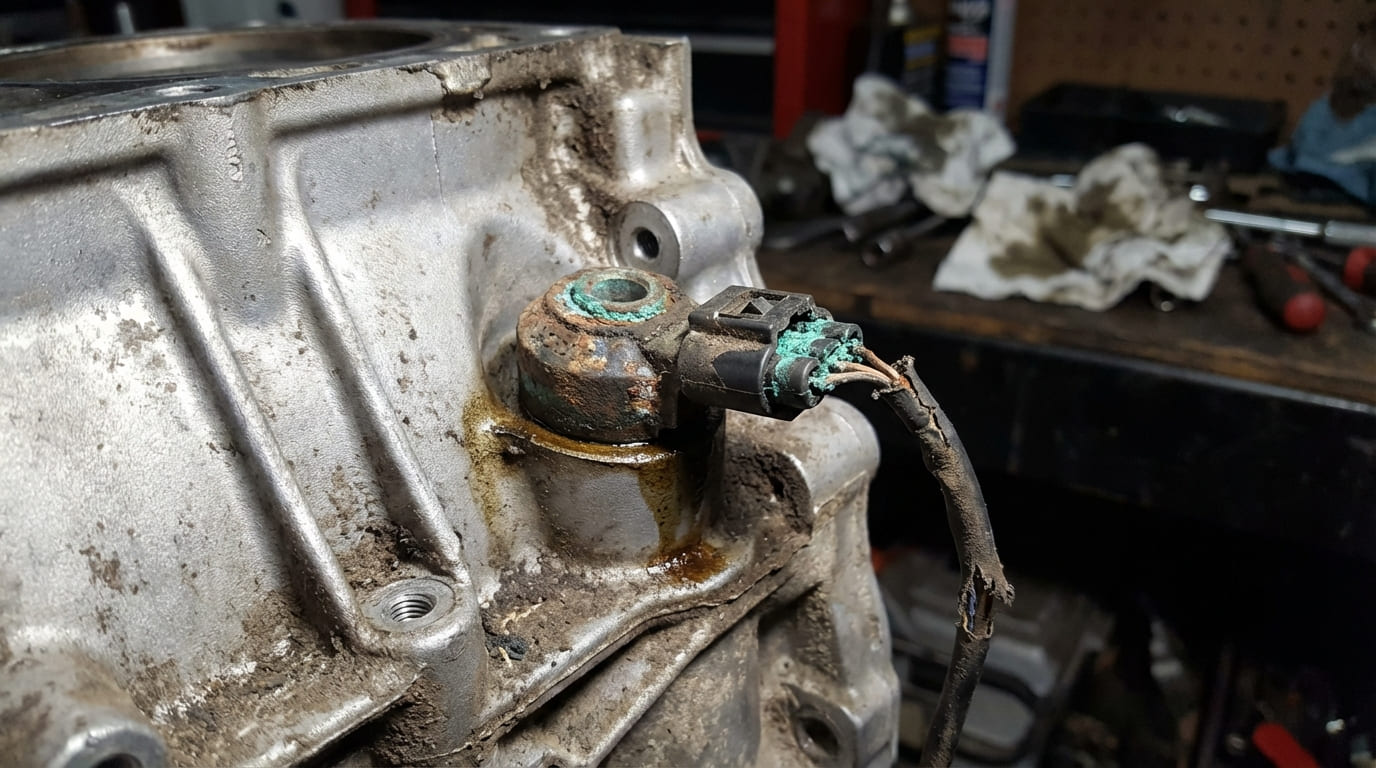
- White crust on threads: Coolant contamination—check head gasket.
In my shop, we always test the entire circuit before replacing plugs. I’ve saved customers hundreds by finding a $40 relay causing “failed” $30 plugs. Don’t replace parts—diagnose systems.
Common Causes of Failure and How to Avoid Them
Most glow plug failures aren’t random. They stem from root causes that, if ignored, will kill new plugs too.
- Over-voltage: Caused by stuck relays or failing controllers. Always test controller output if multiple plugs fail.
- Carbon fouling: Often from leaking injectors. Fix fuel delivery first.
- Tip erosion: Common in tuned engines with aggressive timing. Use OEM-spec or upgraded ceramic plugs.
- Physical damage: Use a fixed ratchet and proper socket. Flex-head tools twist and break plugs.
- Coolant ingress: Check compression and coolant for contamination. A seeping head gasket wicks fluid into the bore.
A 2015 diesel SUV came in with hard starts. Owner replaced one plug already. Resistance test showed three others above 3Ω. Inspection revealed carbon on all tips. Injector balance rates were off by 1.5 mg/stroke. Lesson: Fix the fuel system, or new plugs will foul again.
A diesel pickup had recurring P0382 codes after single plug replacement. Current draw was 32A—way over spec. Found a stuck relay sending continuous voltage. Controller was overriding duty cycle. Lesson: Test the circuit, not just the plug.
Best Practices for Replacement
If you’re replacing glow plugs, do it right. A botched job leads to sheared plugs, misfires, or compression leaks.
- ✅ Clean the bore threads with a bottoming tap. Carbon buildup prevents proper seating.
- ✅ Apply anti-seize to the last 2–3 threads only. Too much can foul the heating element.
- ✅ Torque to spec—usually 10–15 ft-lbs, but check your manual. Overtightening is the #1 cause of breakage.
- ⚠️ Never reuse old harness connectors. Heat and vibration crack insulation, increasing resistance.
- ⚠️ Don’t mix plug types. Ceramic and metal-sheath have different resistance and warm-up curves. The ECU relies on consistency.
- ⚠️ Skip the controller test at your peril. If the circuit is faulty, new plugs will fail prematurely.
What Happens If You Ignore Failed Glow Plugs?
One weak plug won’t strand you, but it creates ripple effects:
- Extended cranking wears starter and battery.
- Wet diesel washes cylinder walls, diluting oil.
- Unburned fuel increases DPF loading and turbo fouling.
- White smoke at startup triggers emissions failures.
- ECU enriches fuel mixture, hurting fuel economy.
Left unchecked, this leads to carboned injectors, misfires, and costly secondary damage. Fix the root cause early.
A fleet van in northern Minnesota had annual glow plug replacements. Finally pulled the head—found coolant in two cylinders. Head gasket was seeping. After repair, the next set of plugs lasted 140,000 miles. Moral: Contamination kills plugs faster than mileage.