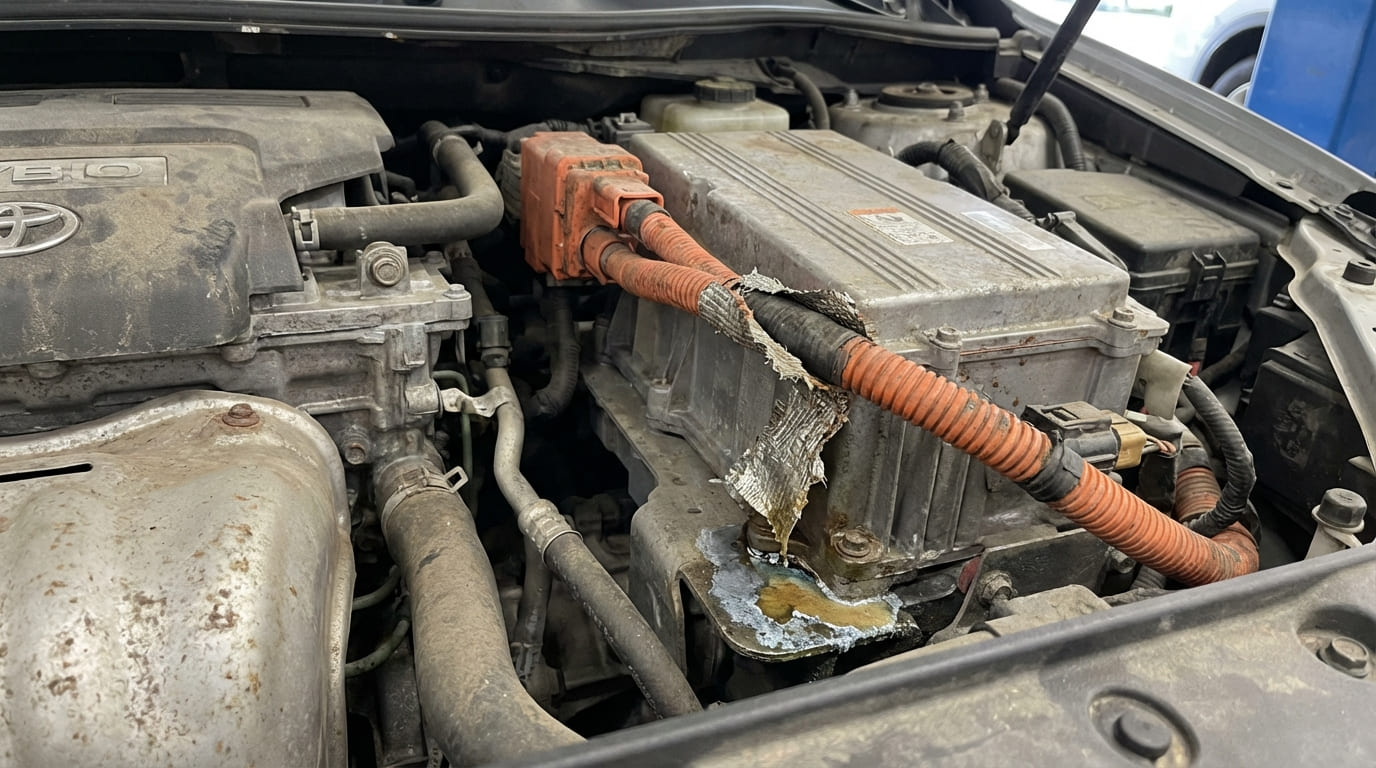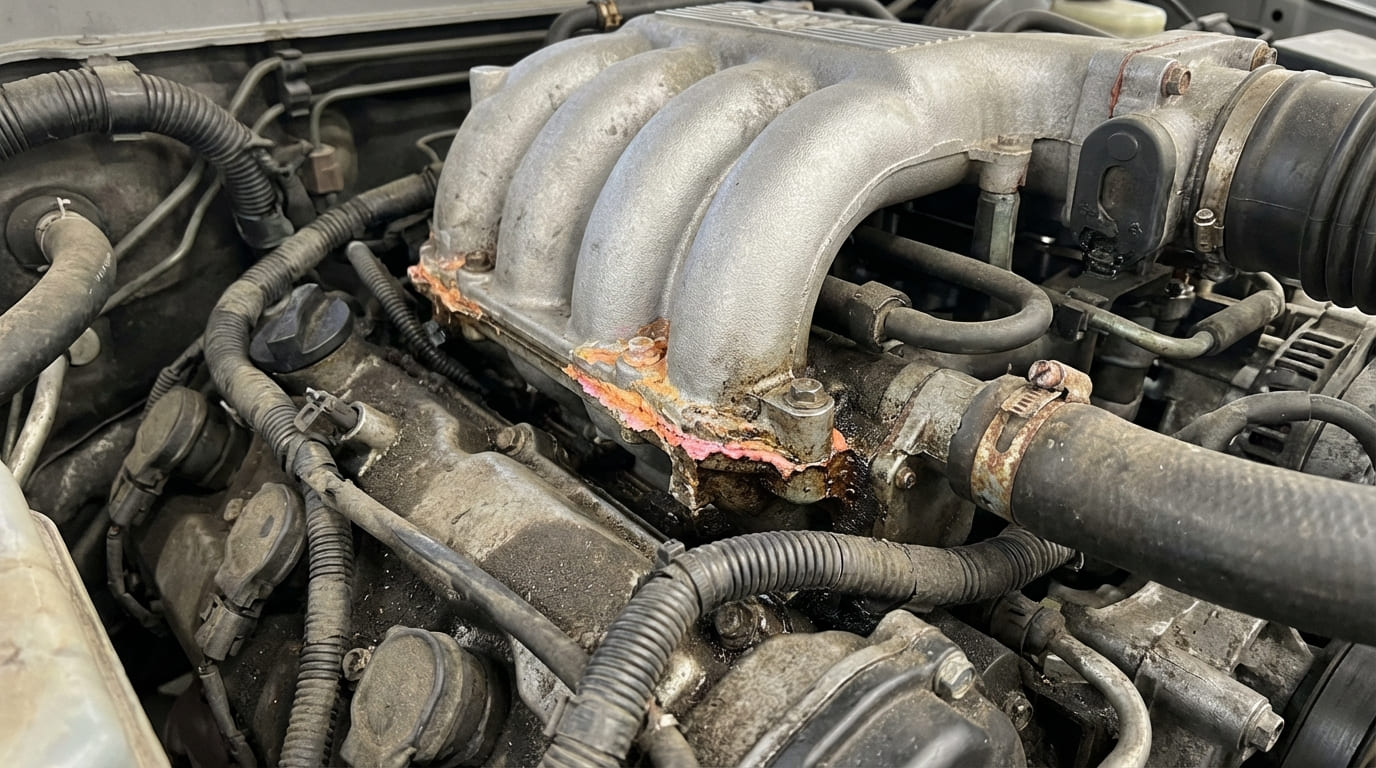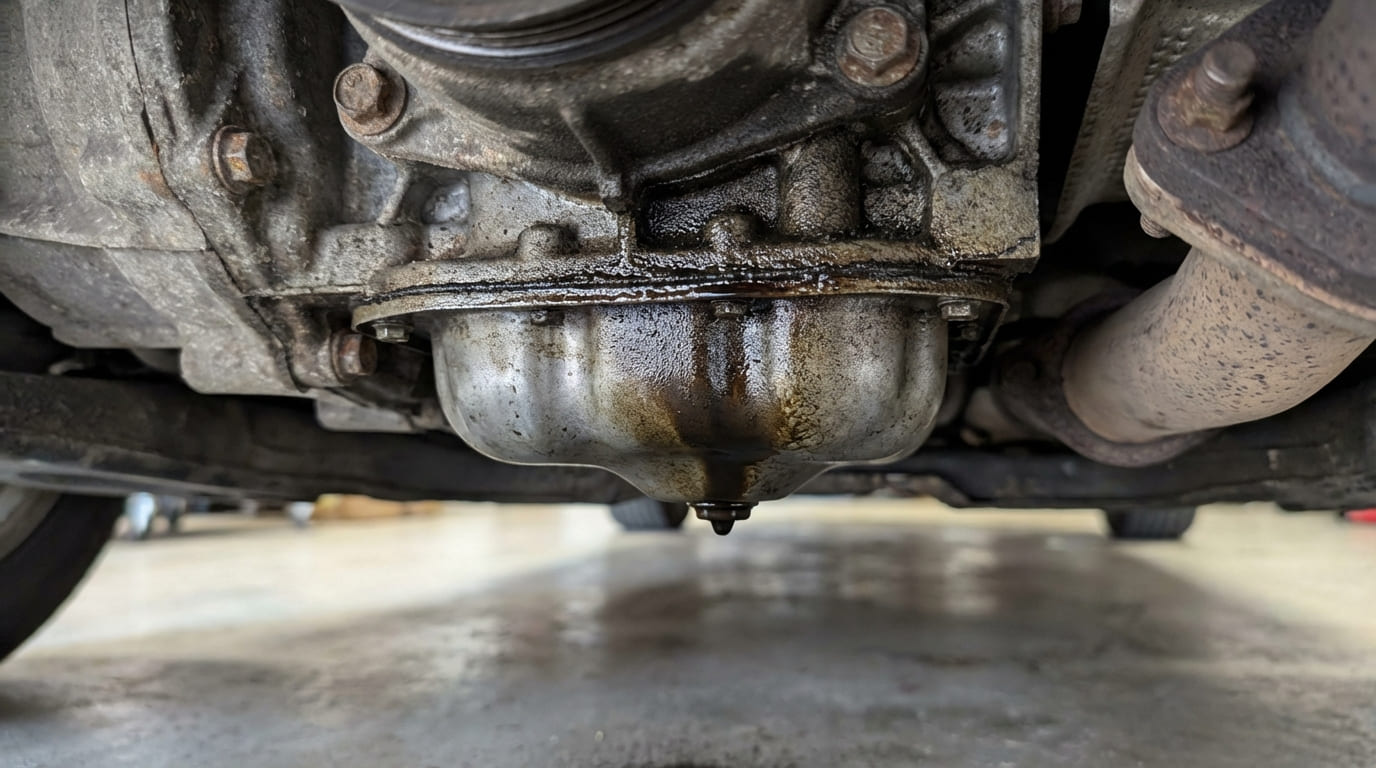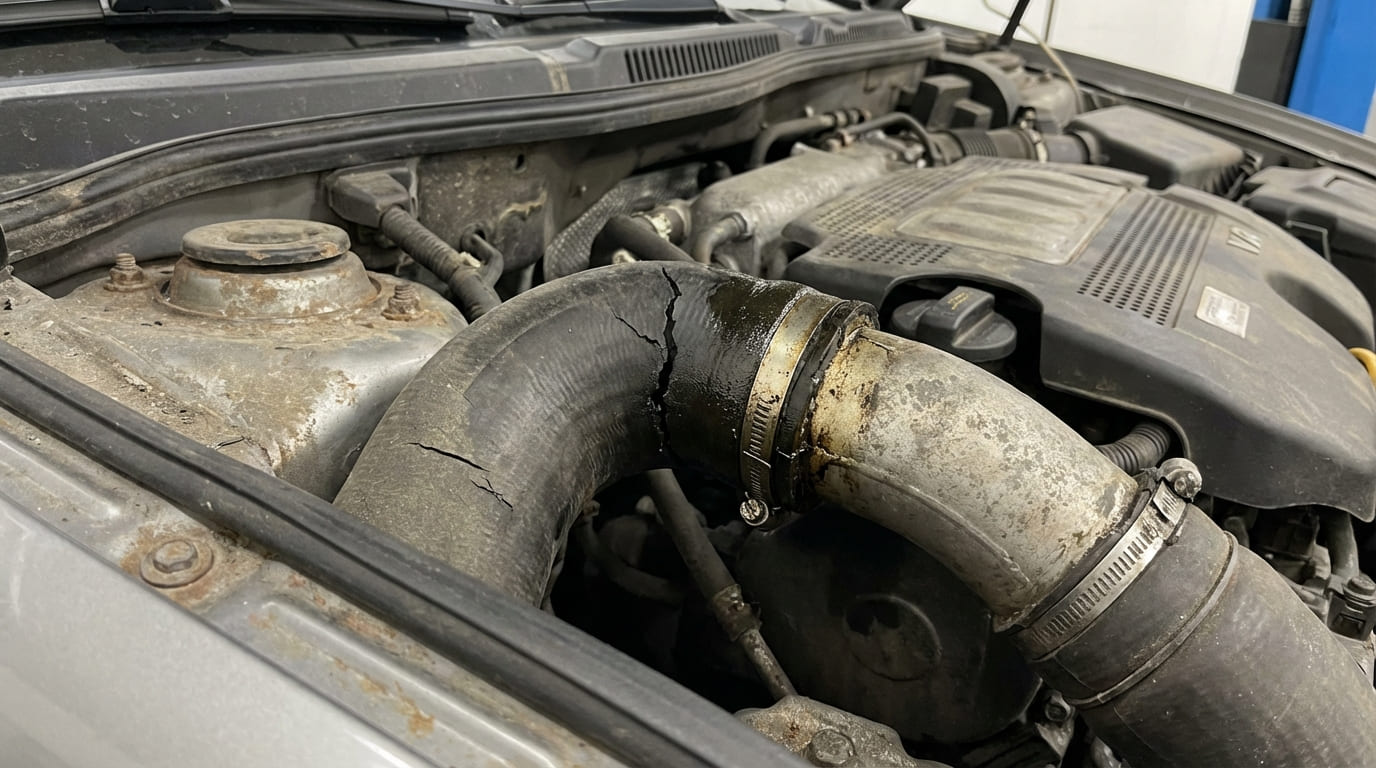
An intercooler is a critical component in turbocharged and supercharged engines, but many car owners don’t fully understand its role—until performance drops or engine issues arise. As a master mechanic with 20 years in performance and diesel shops, I’ve seen how a failing intercooler can silently degrade power, trigger knock, and even damage engines. This guide cuts through the theory and gives you actionable knowledge: how it works, how to diagnose problems, repair vs. replace decisions, and expert tips you won’t find in manuals.
What an Intercooler Actually Does
The intercooler isn’t a radiator for your engine—it’s a heat exchanger that cools the compressed air coming from the turbo or supercharger before it enters the engine. When air is compressed, it heats up dramatically—often over 250°F under boost. Hot air is less dense, meaning fewer oxygen molecules enter the cylinder. That reduces power and increases the risk of knock.
Cooling that charge increases its density, allowing more oxygen into the combustion chamber. More oxygen means more fuel can be burned efficiently, which translates directly into more power and better engine protection.
In my shop, we always tell customers: “An intercooler doesn’t add power—it unlocks what your turbo is already making.” If your intake air is too hot, you’re not getting the full benefit of forced induction, no matter how big the turbo is.
Key Benefits of an Efficient Intercooler
- Increases engine power by 10–20% through improved air density
- Reduces risk of knock by lowering intake air temperature (IAT)
- Allows the ECU to run more aggressive ignition timing safely
- Lowers exhaust gas temperatures (EGTs), protecting the turbo and catalytic converter
- Improves fuel economy slightly under load due to more complete combustion
How to Diagnose Intercooler Problems
Performance loss, pinging, or poor throttle response can point to intercooler issues. Don’t guess—test. Here’s how to check:
Step-by-Step Diagnostic Checks
- Monitor Intake Air Temperature (IAT): Use an OBD2 scanner to read live IAT data. At steady highway cruise, IAT should be within 15–20°C of ambient temperature. If it’s higher, cooling efficiency is compromised.
- Check for Knock and Timing Retard: Look at live data for knock sensor activity and ignition timing. If timing is being pulled under load, high IAT could be the culprit.
- Inspect Boost Pressure: If the ECU is commanding higher-than-normal boost to compensate for poor airflow, it may indicate a restriction or heat soak issue.
- Visual Inspection: Look for bent fins, oil residue, coolant leaks (on air-to-liquid systems), or cracked/damaged hoses.
- Pressure Test the System: Apply 15–20 psi of regulated shop air to the intercooler inlet, seal the outlet, and monitor for pressure drop. OEM spec: no more than 2 psi loss in 30 seconds. A drop indicates a leak.
- Check for Internal Blockage: Remove the intercooler and inspect the core. Use a flashlight to look for carbon buildup, oil sludge, or debris restricting airflow.
One of the most overlooked diagnostic steps is verifying the IAT sensor itself. A faulty sensor can mimic intercooler failure. Cross-check with intake manifold temperature (IMT) if available, or swap in a known-good sensor before condemning the intercooler.
Common Intercooler Types and Real-World Performance
There are two main types of intercoolers—each with pros, cons, and common failure points.
| Type | How It Works | Pros | Cons | Typical Repair Cost |
|---|---|---|---|---|
| Air-to-Air | Uses ambient airflow to cool charge air via fin-and-tube or bar-and-plate core | Simple, reliable, no extra fluids or pumps | Performance drops at low speed; vulnerable to debris | $150–$600 (replacement) |
| Air-to-Liquid | Uses coolant loop with pump, reservoir, and low-temp radiator to cool charge air | Consistent cooling, compact design, better for stop-and-go | More failure points: pump, hoses, coolant leaks | $800–$2,000 (replacement + labor) |
Placement Matters More Than You Think
Front-mount intercoolers (FMIC) typically offer better cooling due to greater airflow, but only if properly ducted. Top-mount intercoolers (TMIC) have shorter intake paths, reducing lag, but are prone to heat soak from the engine bay.
I’ve seen larger FMICs underperform smaller ones simply because they weren’t ducted to fresh air. A well-designed shroud that directs airflow through the core beats raw size every time. Don’t skip the ducting—even on stock setups.
What Happens When an Intercooler Fails
An inefficient or failing intercooler doesn’t just reduce power—it can trigger a chain reaction of engine issues.
| Symptom | Most Likely Causes | Diagnostic Priority | Repair Complexity |
|---|---|---|---|
| High IAT, power loss | External blockage, internal fouling, collapsed hose | High | Low to Moderate |
| Boost leak detected | Cracked hose, loose clamp, intercooler core crack | High | Moderate |
| Coolant in intake tract | Air-to-liquid core leak, hose failure, pump seal breach | Critical | High |
| Knock under load | Poor cooling efficiency, sensor error, ECU strategy | Medium | Variable |
| Excessive oil in intake | Turbo seal leak, PCV overpressure, intercooler drain blocked | Medium | Moderate to High |
Repair vs. Replace: When to Fix or Fork Over
- Replace if: Core is cracked, fins are severely bent, or internal flow is blocked beyond cleaning. Bar-and-plate cores can sometimes be repaired by a specialist, but most OEM units are not cost-effective to fix.
- Repair if: Issue is with hoses, clamps, or external damage. Replacing silicone hoses and T-bolt clamps is a common and effective fix.
- Cleaning: For mild oil fouling or debris, flush with degreaser and low-pressure water. Never use high-pressure washers—they can destroy fins.
Situation: A 2016 Subaru WRX came in with power loss and pinging. IATs were over 200°F at cruise. No boost leaks found. After removing the TMIC, we discovered the core was packed with carbon from a failed PCV system. No cracks—just restricted airflow. We replaced the PCV valve, cleaned the intercooler, and installed a new one. Power returned, knock disappeared.
The Lesson: Internal fouling is silent but deadly. Always inspect the core if PCV or turbo oil issues are present.
Situation: A diesel pickup had rising EGTs while towing. IATs spiked after gear changes. The air-to-liquid intercooler passed a pressure test, but a thermal camera showed uneven cooling across the core. One end tank was partially blocked, restricting coolant flow.
The Lesson: Flow matters as much as integrity. A core can pass a leak test but still fail to cool. Thermal imaging is a game-changer for diagnosing flow issues.
Situation: A tuned BMW N54 had chronic knock despite high-octane fuel. IATs climbed fast on the dyno. The aftermarket intercooler was low-mounted and pulling in hot radiator exhaust air at low speeds.
The Lesson: Placement beats size. Even the best intercooler can’t work if it’s sucking hot air. Always consider airflow path and ducting in modifications.
Pro Tips and Best Practices
- ✅ Always clean threads on fittings before installing hoses—prevents leaks and ensures even clamp pressure.
- ✅ Use high-temp silicone hoses and T-bolt clamps—worm-drive clamps loosen over time, especially in high-vibration areas.
- ✅ Inspect fins regularly—a garden hose can clear bugs and debris without damaging fins.
- ⚠️ Never reuse old clamps or O-rings—they lose tension and sealing ability.
- ⚠️ Avoid sharp bends in piping—increases turbulence and pressure drop.
- ⚠️ Don’t over-tighten clamps—can pinch silicone hoses, creating weak spots or flow restrictions.
Intercoolers don’t wear out like belts or brakes, but they degrade—especially in engines with PCV issues, turbo seal leaks, or poor maintenance. Before blaming the turbo or ECU, check the intercooler system: airflow, connections, sensors, and core condition. And always refer to the vehicle-specific service manual for test specs—what works on one engine may not apply to another.