Turbo lag is the delay between pressing the accelerator and feeling the turbo deliver full boost. It’s not a defect—it’s physics. But when it worsens or feels abnormal, it can point to real mechanical or electronic issues. This guide separates normal behavior from problems, gives you clear diagnostics, and shows you how to fix or avoid unnecessary repairs.
What Turbo Lag Feels Like—and When to Worry
Most drivers notice turbo lag as a hesitation or “flat spot” before the engine surges forward. In daily driving, a slight delay at low RPM is normal, especially in larger-turbo or diesel applications. The key question: Has it changed? If your car used to respond quicker, or if the delay is now accompanied by warning lights or noise, it’s time to investigate.
In my shop, we always ask: “Is this how the car always drove?” Many customers mistake factory behavior for failure. But if the lag came on suddenly or is getting worse, treat it like a symptom—not just a quirk.
How to Check for Excessive Turbo Lag
Before tearing into components, confirm the issue. Here’s how:
- Test drive in consistent conditions: On a flat road, accelerate hard from 2,000 RPM in 4th gear. Note the time between throttle press and strong acceleration.
- Compare to known specs: Many manufacturers publish 0–60 mph times or boost onset RPM. A 0.5-second delay is typical; over 1.5 seconds may indicate a problem.
- Scan for trouble codes: Use an OBD2 scanner that reads live data. Check for P0299 (underboost), P0030–P0050 (boost control), or MAP sensor faults.
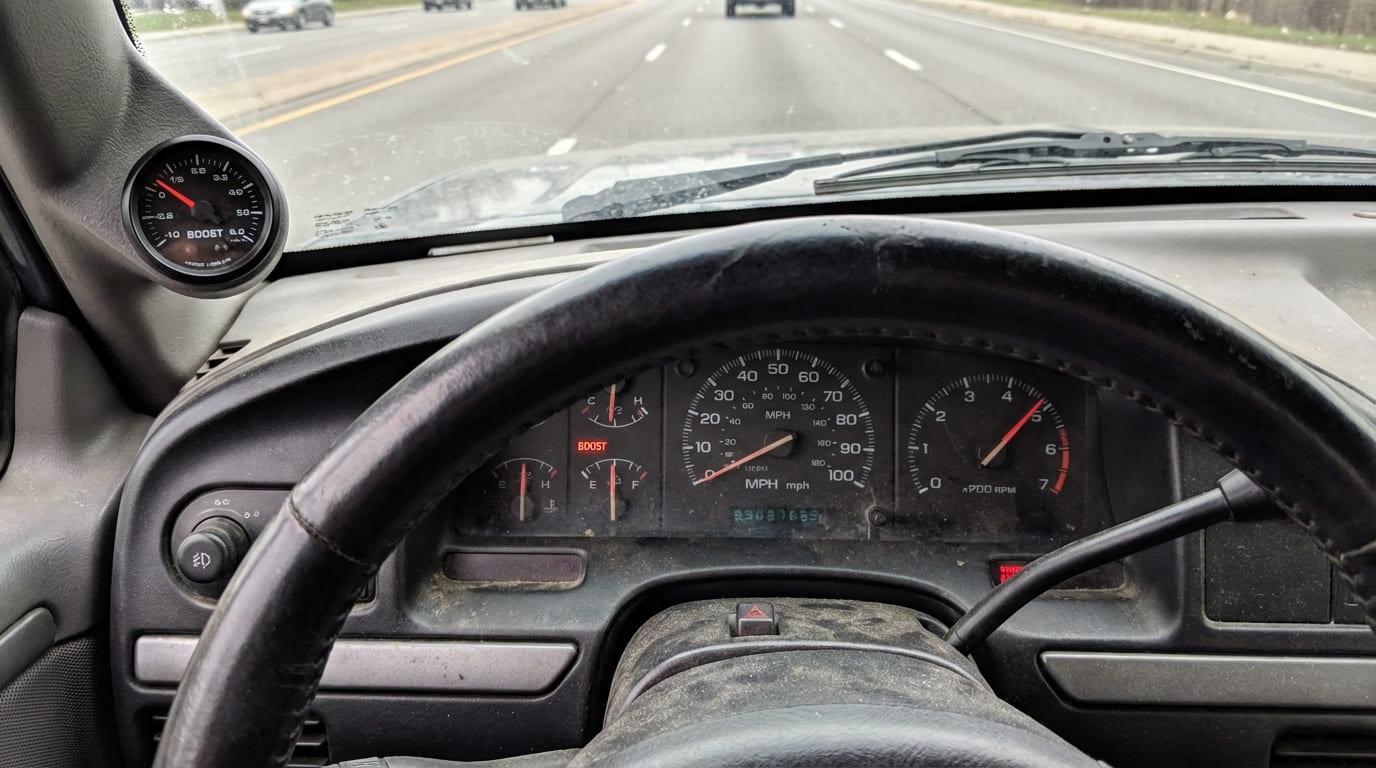
- Monitor boost pressure: Use a boost gauge or app with real-time MAP readings. Look for slow rise to target pressure.
Common Causes of Excessive Turbo Lag
Real lag problems stem from one of four areas: exhaust flow, oil supply, boost control, or sensor input. Below are the most frequent culprits, ranked by likelihood.
| Problem | Symptoms | Diagnosis | Repair Cost (USD) |
|---|---|---|---|
| Sticking wastegate or VGT vanes | Delayed spool, especially when cold | Manually move actuator rod; check for carbon buildup | $100–$400 (cleaning or actuator replacement) |
| Clogged DPF or catalytic converter | Reduced power, high EGT, slow spool | Check exhaust backpressure (should be <2 psi at 2,500 RPM) | $500–$2,500 (cleaning or replacement) |
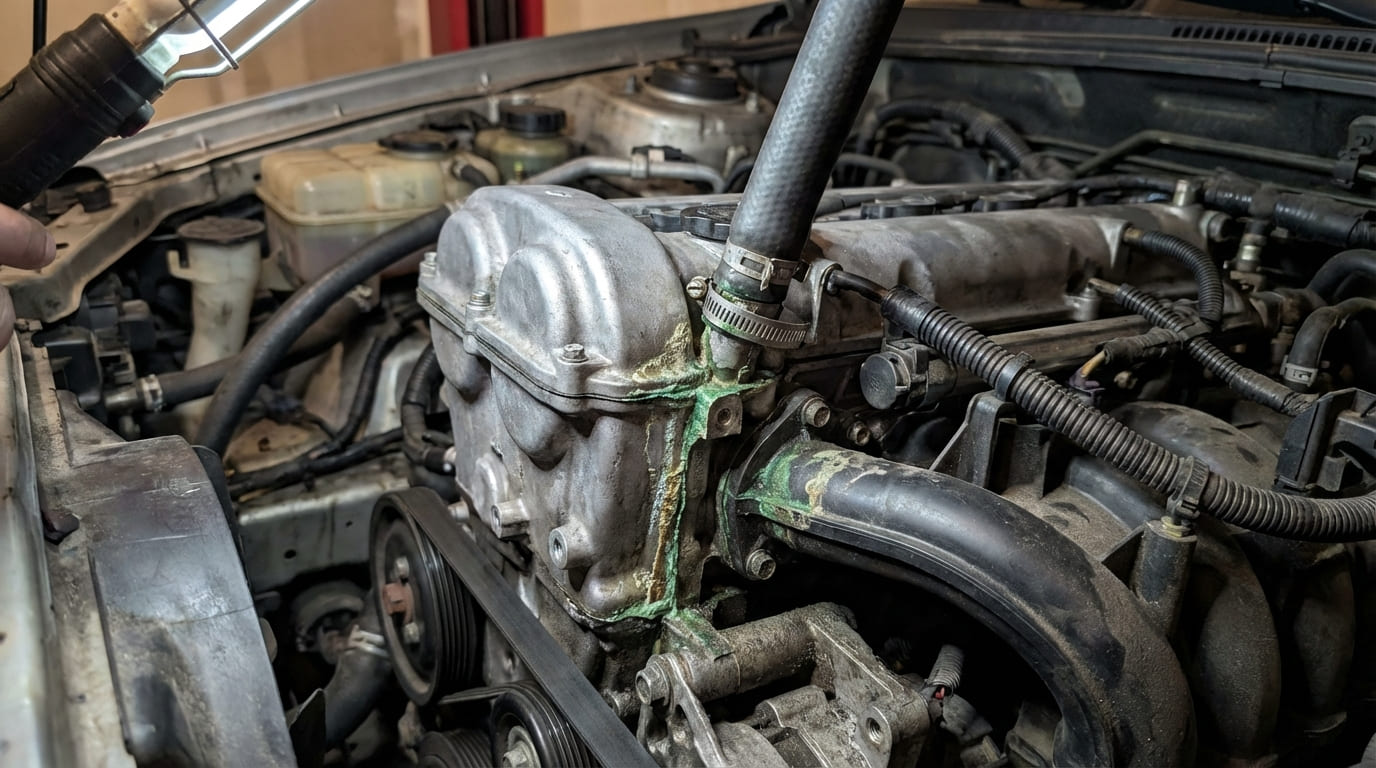
| Boost leak (intake system) | Whistling noise, poor low-end response | Smoke test or pressurize intake with turbo inlet blocked | $50–$300 (hose, intercooler, or clamp repair) |
| Failed wastegate solenoid or hose | ECU commands boost but no response | Check solenoid operation with scan tool; inspect vacuum lines | $80–$250 (solenoid + labor) |
| Oil feed restriction or sludge | Slow spool, turbo whine, oil coking | Inspect oil lines; check for debris at turbo inlet | $150–$400 (flush lines, replace filter, oil change) |
| Faulty MAP or boost pressure sensor | Erratic boost, poor drivability, check engine light | Compare sensor reading to known good gauge | $100–$250 (sensor replacement) |
When to Repair vs. Replace
Replacing the turbo is rarely the first move. Most lag issues stem from supporting systems. Here’s the logic we use in our shop:
- Repair: Wastegate actuator, solenoid, hoses, sensors, oil lines. These are low-cost, high-impact fixes.
- Rebuild: VGT systems with carbon buildup. Cleaning vanes and replacing the actuator often restores performance.
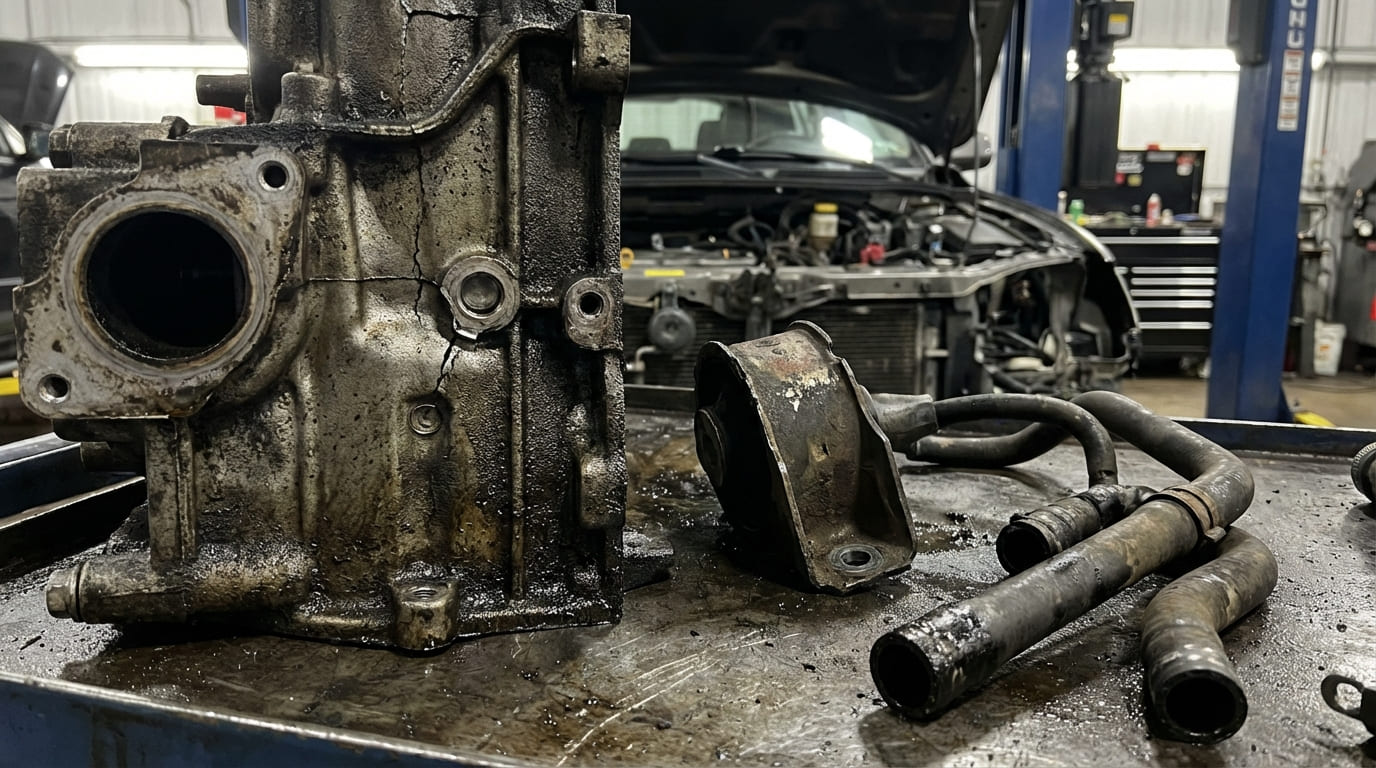
- Replace: Only if the turbo has shaft play, damaged wheels, or oil contamination that indicates internal failure.
We see at least two turbos a month replaced unnecessarily. The real fault was a $25 solenoid or a clogged oil line. Always test the cheap stuff first.
Practical Fixes That Work
These steps resolve 80% of real lag complaints:
- Inspect the wastegate actuator: Disconnect the rod and move it by hand. It should move smoothly and return with spring tension. If stuck, clean or replace.
- Check vacuum/boost hoses: Cracked or loose hoses to the wastegate solenoid are common. Replace any that feel soft or leak.
- Perform a smoke test: Best way to find intake leaks. Pressurize the system and watch for smoke at connections, intercooler, and turbo seals.
- Verify oil flow: Remove the turbo oil feed line and run the engine briefly (use a catch pan). You should see steady oil flow within 3 seconds of startup.
- Update or recalibrate ECU: Some factory tunes limit boost for emissions. A reputable tuner can improve transient response without risking reliability.
Modern Turbo Systems: What’s Different
Newer cars use technologies that reduce lag dramatically—but introduce new failure points:
- VGT/VNT turbos: Adjust vane angles for instant response. Prone to carbon buildup on vanes or actuator failure.
- Electric turbos (e-turbos): Use a motor to spin the turbo before exhaust energy builds. Expensive; failure means full replacement.
- Twin-scroll designs: Keep exhaust pulses separated. More efficient, but require precise manifold routing and valve timing.
On VNT systems, don’t assume the actuator is bad just because vanes are stuck. I’ve diagnosed multiple cases where the ECU wasn’t sending the correct signal due to a faulty MAP sensor. Always check data before disassembling.
Diagnostic Decision Tree for DIYers
| Observation | Most Likely Causes | Next Step |
|---|---|---|
| Lag worsened over time | Exhaust restriction, oil coking, wastegate sticking | Check DPF/backpressure, inspect oil lines, test actuator movement |
| Lag only when cold | Thick oil, sticky VGT vanes | Verify correct oil grade, test actuator when cold |
| Lag after modification | Wrong turbo size, poor tune, boost leak | Scan for codes, smoke test, check tune logs |
| No boost at any RPM | Major boost leak, failed turbo, solenoid fault | Pressurize intake, check turbo shaft play, test solenoid |
Situation: A 2012 diesel pickup had heavy lag. Previous shop quoted $2,500 for a new turbo.
Discovery: Oil feed line was clogged with sludge. Turbo wasn’t getting proper flow, causing delayed spool and heat buildup.
Fix: Replaced oil lines, flushed system, changed oil. Cost: $320. Turbo tested fine and performed normally.
Lesson: Always rule out oil supply issues before replacing the turbo.
Situation: Modified WRX felt sluggish off-boost.
Discovery: Wastegate solenoid was stuck open. ECU commanded boost, but signal wasn’t holding.
Fix: Replaced solenoid—$85 part. Response improved immediately.
Lesson: Boost control components fail more often than the turbo itself.
Situation: VNT diesel with increasing lag. Turbo spun freely, no leaks.
Discovery: Boost pressure sensor reading 20% low. ECU thought it had boost, so it didn’t open vanes fully.
Fix: Replaced sensor—$140. Lag resolved.
Lesson: Bad sensor data can mimic mechanical failure. Always validate readings under load.
Turbo lag is normal—but excessive delay isn’t. Start with the basics: check for codes, inspect hoses, test actuator movement, and verify oil flow. In most cases, the fix is simpler and cheaper than a new turbo. When in doubt, consult factory service data for system-specific thresholds and test procedures.