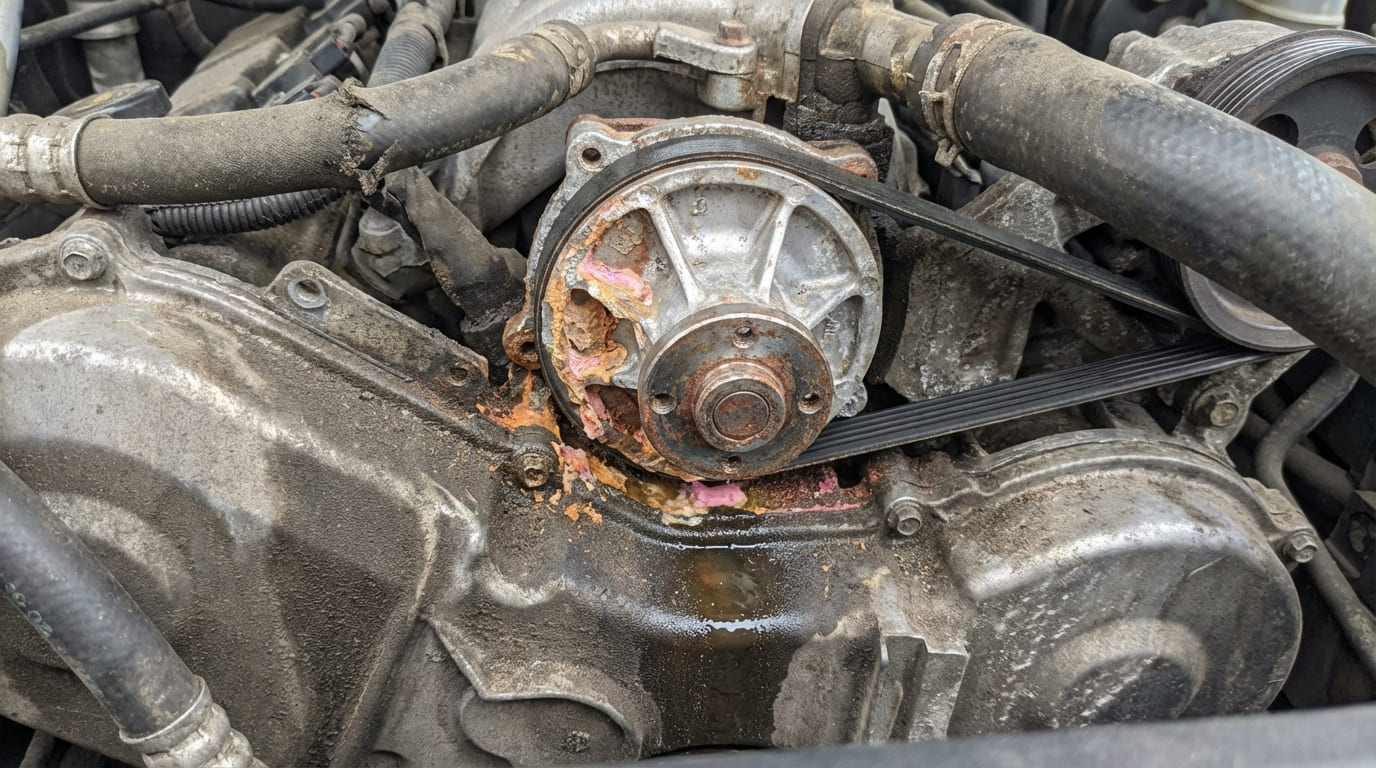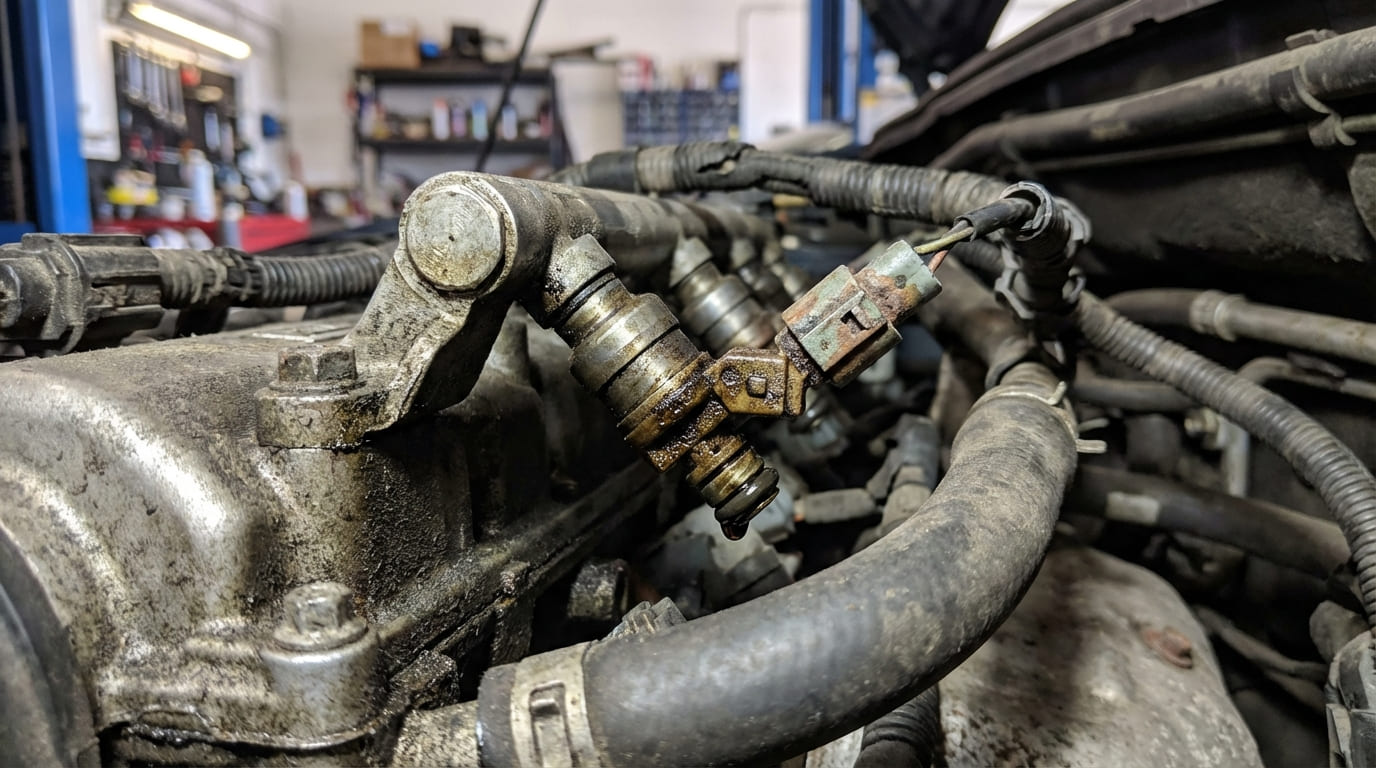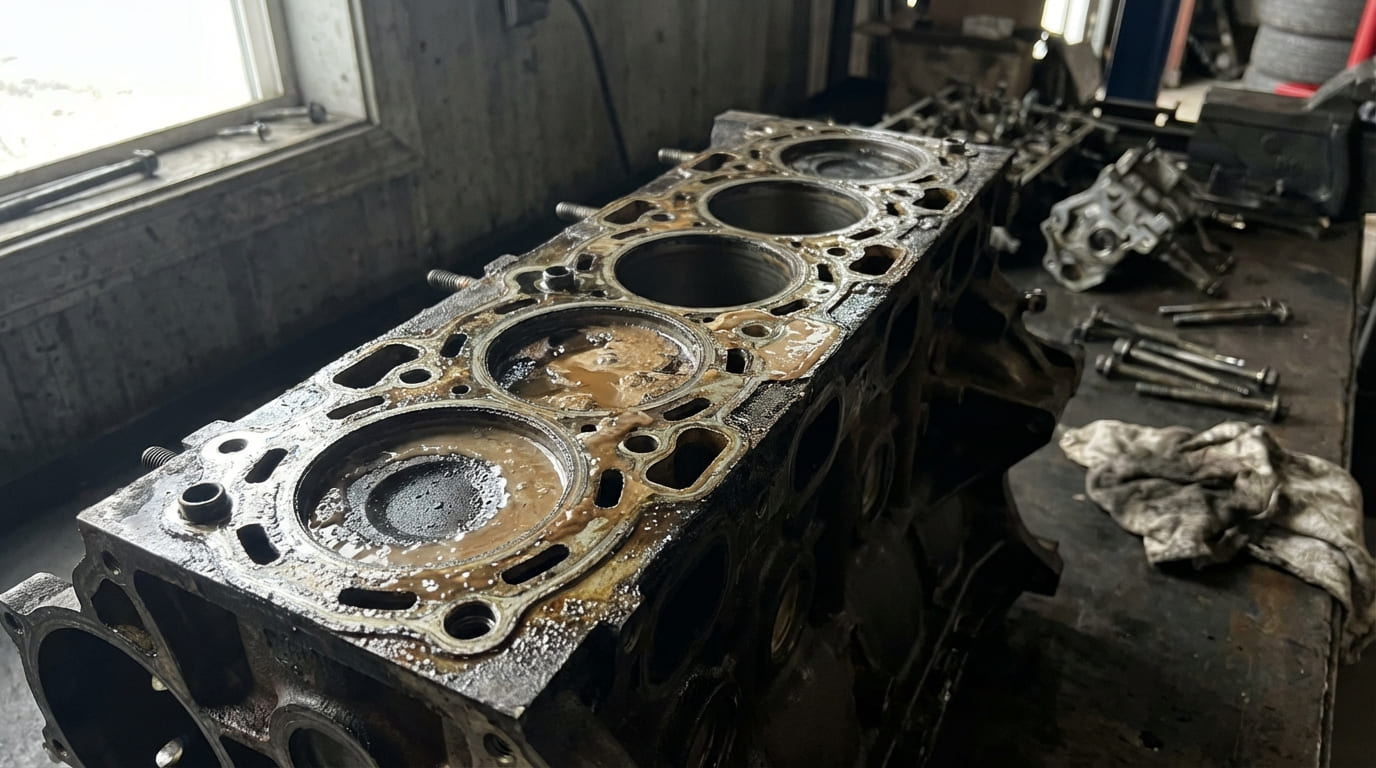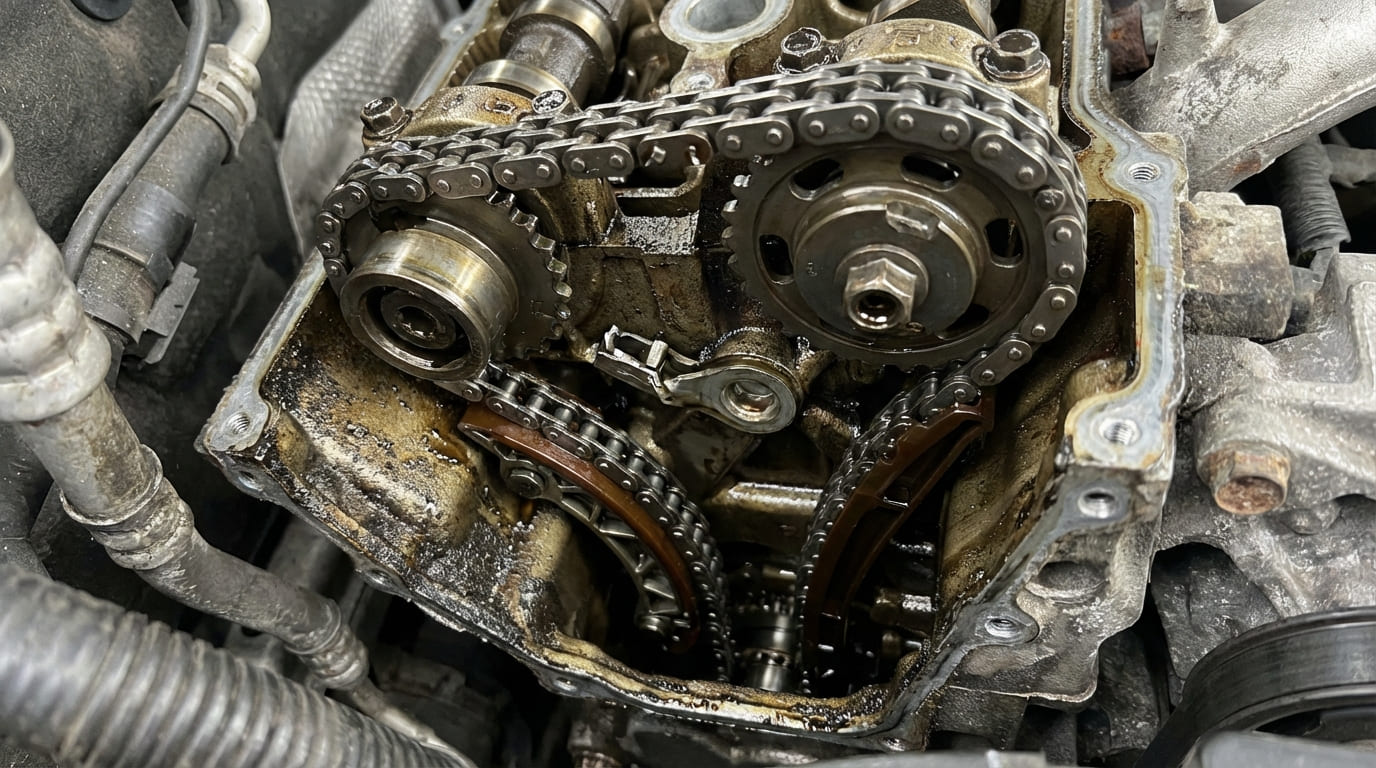
Yes, a timing chain can break—though it’s rare compared to belt failure. In my 20 years as a master mechanic, I’ve seen timing chains last beyond 150,000 miles on well-maintained engines. But “long-lasting” isn’t the same as “indestructible.” When a chain fails, especially in an interference engine, the result is often catastrophic. The good news? Most failures develop slowly, giving you time to catch them—if you know what to look for.
How a Timing Chain Actually Fails
Breakage is usually the final event in a chain of system failures. The chain doesn’t just snap out of nowhere. Wear, poor lubrication, or component failure creates slack and stress until a weak link gives way. Here’s what actually happens under the cover.
Chain Wear and Elongation
What we call “stretch” is really wear at the pin-and-bushing joints. As the chain runs, metal-on-metal contact in an oil bath slowly increases the distance between links. Once elongation hits 0.8% to 1% of total length, timing accuracy drops, and slack leads to slapping and vibration.
How to Check: Measure a 12-link section with a ruler. Compare to factory spec—usually stamped on the chain or in the service manual. If it’s longer than spec by 1/8 inch or more, the chain is worn.
In my shop, we never rely on visual stretch alone. Always measure. Some chains look fine but are already past service limits.
Tensioner and Guide Failure
The tensioner keeps the chain tight. Most are hydraulic and rely on oil pressure. If the oil is dirty, low, or the wrong viscosity, the tensioner can’t extend. Mechanical tensioners wear out and lose spring tension.
Guides keep the chain aligned. Made of nylon or composite, they crack or delaminate over time, especially when exposed to heat or poor oil.
How to Check for Tensioner Issues:
- Cold-start rattle that lasts more than 3 seconds? Likely a slow-bleeding hydraulic tensioner.
- Use a stethoscope on the timing cover. A rhythmic clatter at idle points to slack chain or failing tensioner.
- Check oil pressure at idle—below 10 psi when warm can starve the tensioner.
I’ve seen more chain failures caused by clogged oil feed holes to the tensioner than by chain wear. Always pull the tensioner and verify oil flow during inspection.
Early Warning Signs You Can’t Ignore
Most timing chain systems give you multiple chances to catch trouble. Don’t dismiss these symptoms as “normal engine noise.”
Key Symptoms and How to Diagnose Them
Audible clues are your first warning. Use a mechanic’s stethoscope or chassis ear to pinpoint the source. Chain noise is usually at the front of the engine, near the crankshaft.
- Cold-start rattle (1–3 sec): Often normal on hydraulic tensioners. Longer than that? Problem.
- Grinding or whirring: Suggests chain rubbing on a broken guide or cover.
- Slapping or clattering at idle: Serious slack. Likely failed guide or tensioner.
Performance issues follow as timing drifts:
- Check Engine Light with P0016, P0017 (cam-crank correlation)
- Hard starts, rough idle, misfires
- Loss of power under acceleration
How to Diagnose with a Scan Tool:
Use an OBD2 scanner with live data. Monitor camshaft position relative to crankshaft. More than 5 degrees of deviation at idle is a red flag. On some engines, over 10 degrees means the chain is already compromised.
Oil Analysis: The Hidden Diagnostic Tool
For high-mileage vehicles or fleet maintenance, oil analysis catches wear before noise starts.
- Elevated iron (Fe) and chromium (Cr): Chain and sprocket wear
- Aluminum (Al) spikes: Likely guide wear, especially if guides have aluminum backings
Test every 10,000 miles on engines over 100,000 miles. Trend data matters more than a single result.
What Happens When the Chain Breaks?
The damage depends on engine type. This is critical for repair decisions.
| Engine Type | Likely Damage | Repair Cost Estimate | Repair vs Replace? |
|---|---|---|---|
| Interference | Bent valves, damaged pistons, broken rods | $2,500–$6,000 | Rebuild rarely cost-effective over 120k miles. Engine replacement or used long-block often better. |
| Non-Interference | Chain, sprockets, guides only | $800–$1,500 | Full timing kit replacement is viable. Engine internals safe. |
| Both Types | Debris in oil pan, damaged cover, sensor issues | + $200–$400 cleaning | Always flush oil passages and replace filter after repair. |
I once had a customer ignore a rattle for 6 months. Chain broke at 70 mph. Interference engine. Total damage: 4 bent valves, cracked piston, destroyed head. Rebuild cost more than the car was worth. Don’t gamble.
How to Prevent Timing Chain Failure
Prevention is cheaper than repair. Most failures are tied to oil and maintenance.
Proven Maintenance Plan
- ✅ Change oil every 5,000–7,500 miles, or as per severe service schedule. Use correct viscosity (e.g., 5W-30, not 10W-40 in a 0W-20 engine).
- ✅ Check oil level monthly. Low oil = no tensioner pressure = chain slap.
- ✅ At 100,000+ miles, inspect for cold-start rattle. If present, diagnose early.
- ✅ When repairing, replace the full timing kit: chain, both guides, tensioner, sprockets. Never reuse old guides.
- ⚠️ Never reuse torque-to-yield (TTY) bolts on cam sprockets or tensioner mounts. They stretch and lose clamping force.
- ⚠️ Clean oil feed holes to tensioner during reassembly. Clogged passage = instant tensioner failure.
- ⚠️ Don’t assume “lifetime” means “never.” Some engines (e.g., GM 3.6L, Ford 3.0L V6) have known chain issues. Replace proactively at 120,000 miles.
Real-World Lessons from the Shop
Situation: 2008 SUV, 145,000 miles, cold-start rattle lasting 5–6 seconds. Told it was “normal.”
Findings: Tensioner worked, but primary chain guide was split in two. Chain had worn into the aluminum cover.
Lesson: Noise isn’t always the tensioner. Inspect guides on every high-mileage timing job—especially on models with known nylon guide issues.
Situation: Turbo 4-cylinder with P0016 and misfires. No noise.
Findings: Cam timing off by 8 degrees. Chain stretched 1.2%. Tensioner maxed out.
Lesson: VVT systems can mask chain wear by adjusting timing. Don’t ignore correlation codes—even if the car drives “fine.”
Situation: Engine seized at highway speed. No warning.
Findings: Broken chain, bent valves. Oil analysis 3 months prior showed high iron and chromium—missed warning.
Lesson: Data matters. Oil analysis can catch wear before noise or codes appear. Not every failure gives a second chance.
Timing chains can break—but they usually warn you first. The key is listening, checking oil, and acting early. In my shop, we’ve saved dozens of engines by catching chain issues at the rattle stage. Don’t wait for failure. Follow the maintenance plan, use the right tools, and respect the data. Always refer to the factory service manual for torque specs, wear limits, and timing procedures. One missed step can lead to a repeat failure.