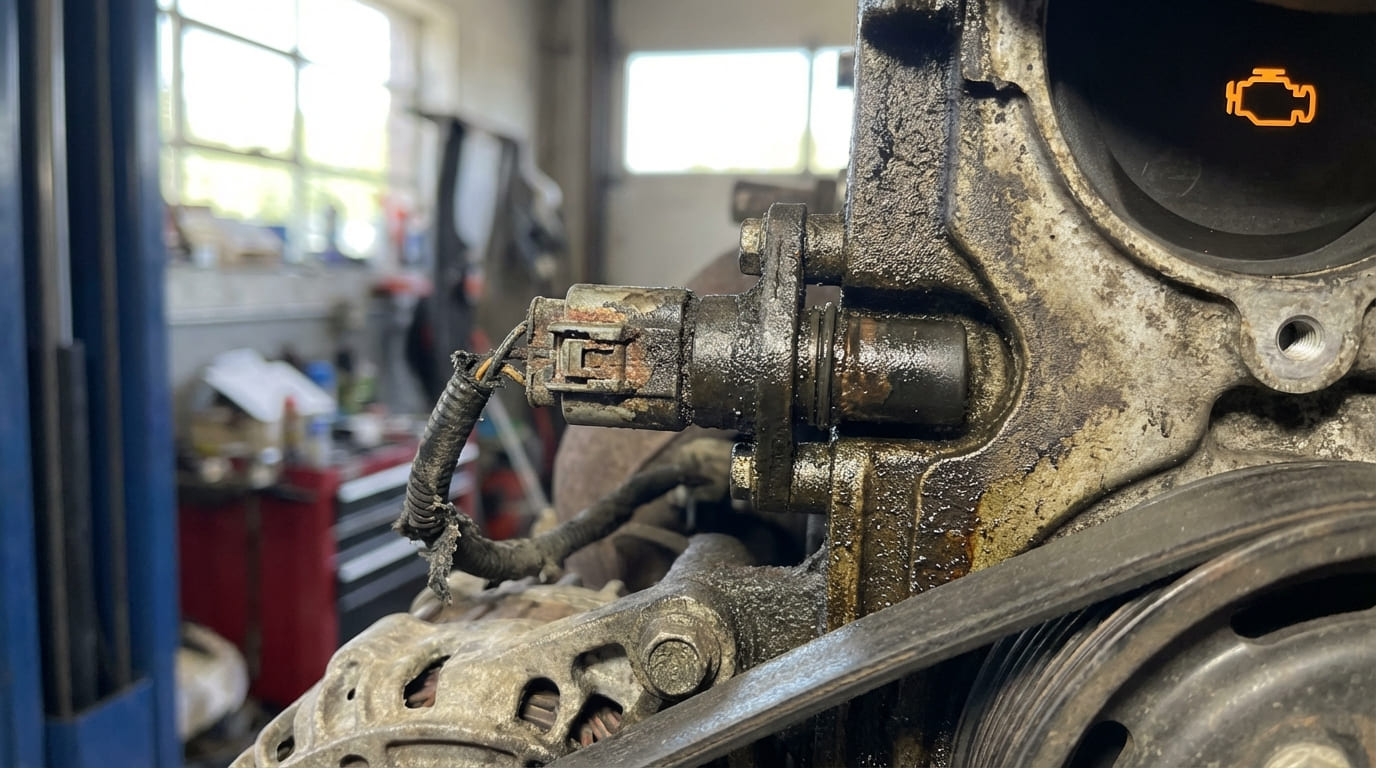
Carbon buildup is a common issue I see in engines over 80,000 miles. It’s a natural result of combustion, but how fast it accumulates depends on fuel quality, oil type, driving habits, and engine design. In my two decades as a mechanic, I’ve found that waiting until symptoms appear leads to expensive repairs. A proactive, practical strategy prevents damage and keeps engines running smoothly.
What Is Carbon Buildup and Where Does It Form?
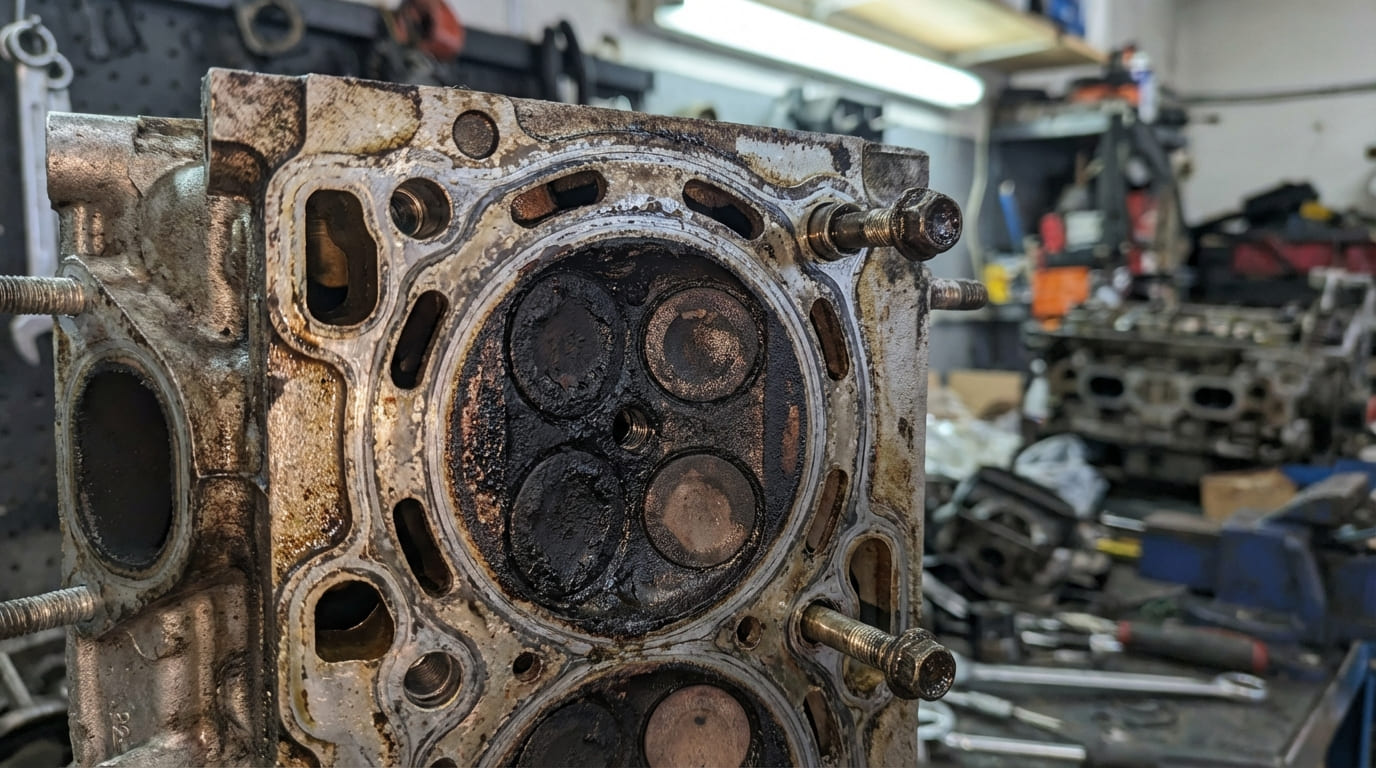
Carbon deposits come from unburned fuel, soot, and oil vapor that bake onto hot engine surfaces. The worst deposits are hard, lacquer-like layers that disrupt airflow, cooling, and combustion. Soft, sooty buildup can also restrict passages and sensors.
Key Areas Prone to Carbon Accumulation
- Intake valves – especially in GDI engines, where fuel doesn’t wash over the valves
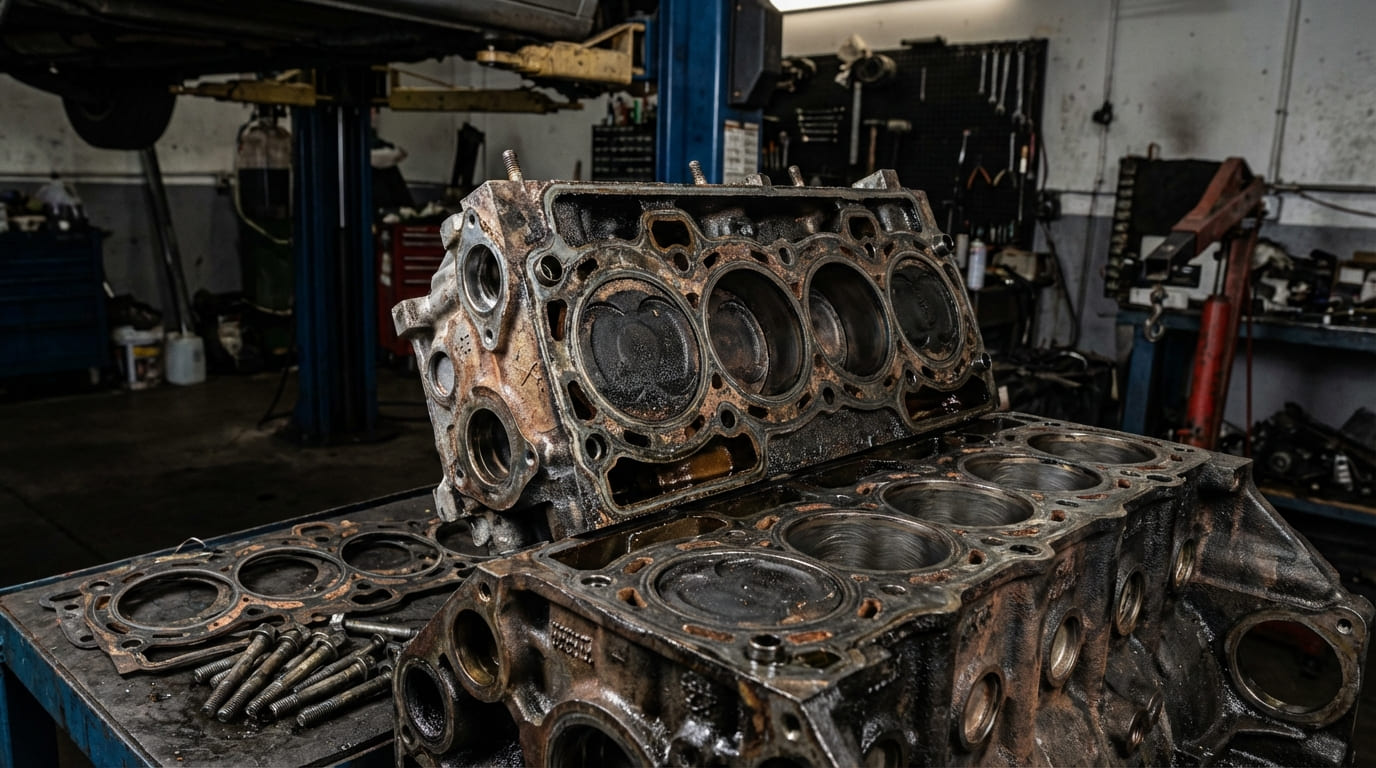
- Piston crowns and combustion chambers – heat and crevice zones trap unburned fuel
- Fuel injectors – deposits distort spray patterns and reduce atomization
- EGR valves and passages – recirculated exhaust gases leave behind soot and oil residue
- Turbocharger turbine and compressor wheels – oil vapor and soot accumulate under high heat
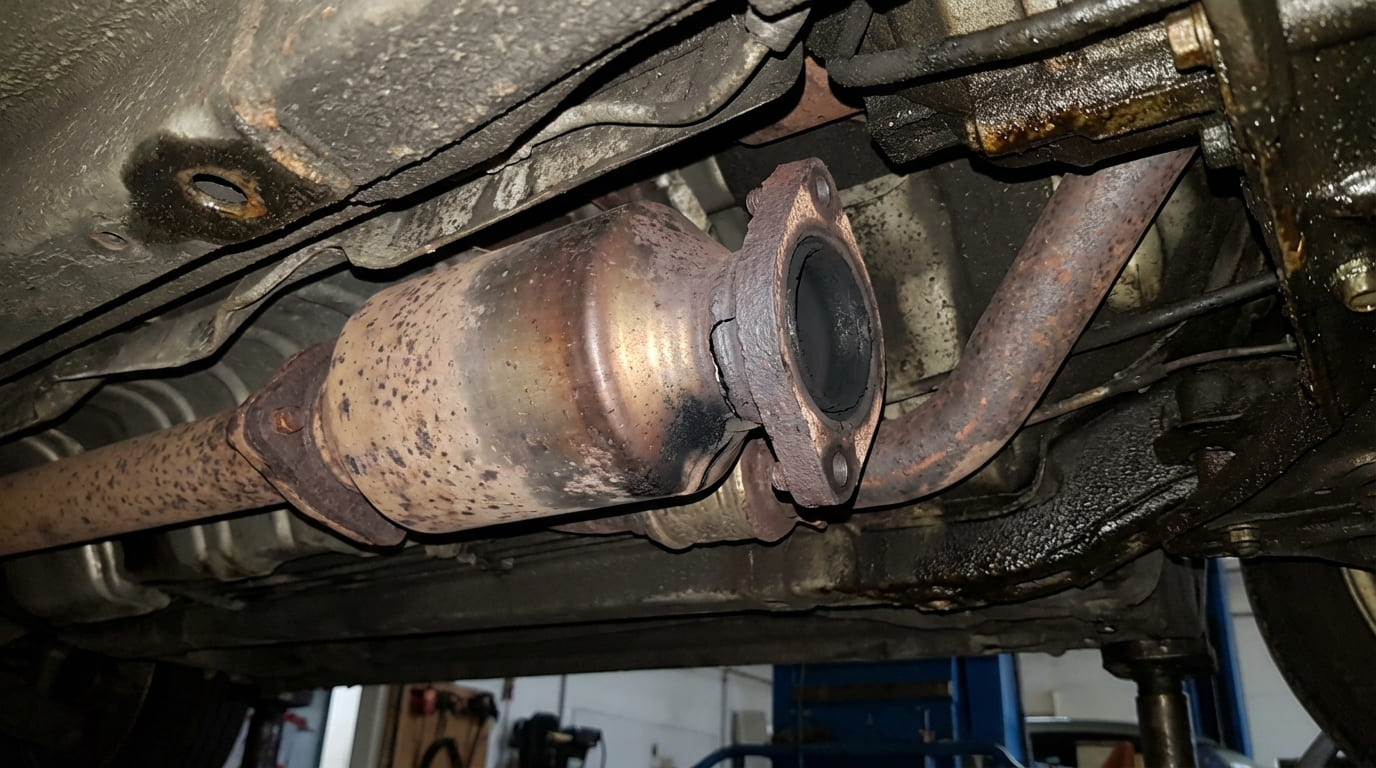
- Catalytic converter – excess hydrocarbons overheat the substrate, causing melting or clogging
How to Diagnose Carbon Buildup
Never assume carbon is the cause based on symptoms alone. Rule out vacuum leaks, bad coils, dirty sensors, and wiring issues first. Carbon is often a contributing factor, not the root cause.
Performance and Diagnostic Clues
- Loss of throttle response, especially under load
- Intermittent misfires (check Mode $06 data for cylinder contribution)
- Long-term fuel trims consistently above +8% — suggests restricted airflow
- Failed emissions test with high HC or CO
- Rough idle that worsens when cold
How to Check for Carbon: Practical Steps
Visual inspection is the only way to confirm severe buildup. Here’s how:
- Borescope inspection: Insert through spark plug hole to view piston crown. Look for thick, black or gray deposits covering more than 30% of the surface.
- Intake valve check: Remove intake manifold or use access port (if equipped). Use borescope to inspect valve stems and heads. Hard, crusty deposits that block airflow require cleaning.
- Spark plug analysis: Sooty, black tips suggest rich mixture or incomplete combustion. Oily deposits may point to oil consumption, which feeds carbon.
- Flow test (if available): Measure airflow through intake ports before and after cleaning to quantify restriction.
Common DTCs Linked to Carbon Buildup
- P030x – cylinder-specific misfires (carbon disrupts air/fuel mixing)
- P0401/P0402 – low or high EGR flow (carbon blocks passages)
- P0420/P0430 – low catalyst efficiency (caused by excess hydrocarbons from poor combustion)
These codes can have multiple causes. Always verify with physical inspection before proceeding with cleaning.
Prevention: What Actually Works
Preventing carbon is cheaper and easier than removing it. Focus on fuel, oil, driving habits, and basic maintenance.
Effective Prevention Plan
- ✅ Use TOP TIER gasoline: It contains higher detergent levels proven to reduce deposits in GDI engines. I’ve seen a 40–60% reduction in intake valve buildup on vehicles using it consistently.
- ✅ Change oil on time with correct spec: Use Dexos1, API SN Plus, or ILSAC GF-6 oils. They reduce LSPI and oil-derived carbon. Avoid high-SAPS oils in GPF-equipped engines.
- ✅ Install an oil catch can: Especially on turbocharged engines. It captures oil vapor before it enters the intake. In my shop, we see visibly cleaner intakes on cars with catch cans after 30k miles.
- ✅ Drive at highway speeds regularly: Aim for 20+ minutes above 3,000 RPM every few weeks. This heats the engine fully and burns off light deposits.
- ⚠️ Avoid frequent short trips: Engines never reach full temp, leading to moisture and sludge buildup.
- ⚠️ Don’t overuse fuel additives: Monthly treatments can harm oxygen sensors or leave residues. Use only as needed.
- ⚠️ Don’t ignore PCV system: Replace PCV valve per manufacturer interval. A stuck valve floods the intake with oil vapor.
Fuel Additives: Smart Use for GDI Engines
For prevention, use a PEA-based additive every 5,000 miles or with oil changes. PEA (polyetheramine) is the most effective chemical for dissolving carbon. PIBA is milder and better suited for maintenance.
In my shop, we recommend Techron Concentrate Plus or Red Line SI-1 for GDI engines. We’ve tested multiple brands—consistent use of PEA additives reduces the need for walnut blasting by up to 50%.
When Cleaning Is Necessary: Methods and Costs
Once carbon is hard and blocking airflow, chemical cleaners won’t cut it. You need mechanical cleaning. Here’s what works, what doesn’t, and what it costs.
Professional Carbon Cleaning Methods Compared
| Method | Effectiveness (Intake Valves) | Cost Range | Typical Use Case | Risks / Limitations |
|---|---|---|---|---|
| Walnut Blasting | High (removes 80–95% of deposits) | $300–$700 | Severe GDI intake valve buildup | Requires intake removal; risk of media entering cylinder if not sealed |
| Chemical Induction Cleaning | Low–Moderate (best for prevention) | $100–$250 | Mild deposits or maintenance | Limited penetration; risk of hydrolock if over-applied |
| On-vehicle Fuel System Cleaner | Low (affects injectors, minimal valve impact) | $50–$150 | Fuel injector maintenance | Little to no effect on GDI intake valves |
| Intake Manifold Removal + Hand Cleaning | Very High | $600+ | Severe buildup with other service needed | Labor-intensive; requires new gaskets and seals |
Walnut blasting is the gold standard for GDI engines. But it’s not magic—technician skill matters. I’ve seen poor jobs leave media in the combustion chamber. Always use a shop with documented experience and protective cylinder sealing.
Real-World Lessons from the Shop
Situation: 2016 turbo GDI sedan with P0303/P0304 misfires. Owner used cheap gas and only short trips.
Diagnosis: Swapped coils and injectors—no fix. Borescope showed heavy carbon on valves in cylinders 3 and 4. Airflow was restricted by 60%.
Fix: Walnut blasting. Misfires stopped immediately.
Takeaway: Cylinder-specific misfires can be caused by uneven carbon buildup, not just bad parts. Always inspect before replacing components.
Situation: Diesel with EGR clog and high NOx. Tech replaced EGR valve—problem returned in 10 days.
Discovery: EGR cooler and passages were 70% blocked. Valve was clean, but flow was restricted upstream.
Fix: Removed and cleaned entire EGR circuit.
Takeaway: EGR is a system. Cleaning only the valve is like changing a filter and ignoring the ductwork.
Situation: Customer used a “miracle” additive monthly but had worsening hesitation.
Findings: Additive used PIBA, not PEA. Borescope showed baked-on carbon.
Fix: Walnut blast followed by PEA additive every 5k miles.
Takeaway: Not all additives are equal. PIBA for maintenance, PEA for correction. No chemical replaces physical cleaning when deposits are severe.
Carbon buildup is a systems problem—not just a dirty engine. It ties together fuel, oil, airflow, and driving patterns. What works on one car may fail on another, even the same model, due to usage and maintenance history.
Always follow factory service procedures for cleaning and fluid specs. The thresholds I mention—like 30% valve coverage or +8% fuel trim—are practical benchmarks from real-world diagnostics, but they’re not universal. The best tool you have is direct inspection.