As a senior mechanic, I’ve seen hundreds of warped cylinder heads—some from severe overheating, others from simple assembly errors. The key to fixing it right the first time is understanding not just the symptoms, but the root causes. This guide will walk you through the real-world causes, how to diagnose them, and what to do next—based on what actually works in the shop.
How Cylinder Heads Warp: The Core Mechanism
Warping happens when internal stresses exceed the metal’s ability to rebound. The main culprit? Uneven heating and cooling. When one area of the head expands faster than another, it creates tension. Over time—or after a single severe event—that tension becomes permanent distortion, especially on aluminum heads.
Why Aluminum Heads Are More Vulnerable
Modern engines use aluminum for its light weight and heat conductivity. But aluminum expands nearly twice as much as cast iron and is less rigid. This means it’s more likely to warp under thermal stress. Thin casting around exhaust ports and between cylinders creates weak zones. In my shop, I see warped aluminum heads far more often than iron—even on engines with similar overheating histories.
In my experience, aluminum heads on turbocharged or high-compression engines are the most at risk. If the cooling system isn’t spot-on, warping is just a matter of time.
Primary Causes of Warping (and How to Diagnose Them)
Engine Overheating
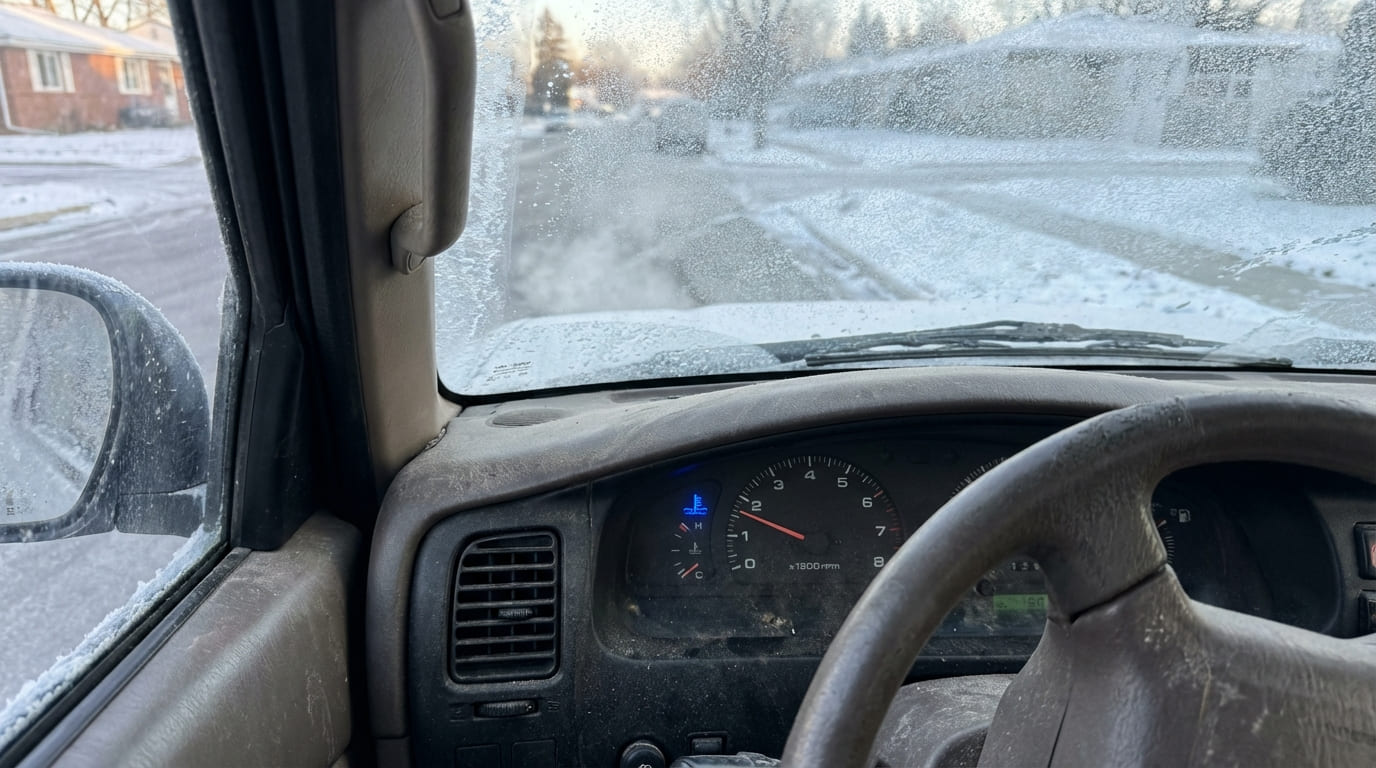
Overheating is the #1 cause of warping. But not every overheat leads to warping—duration, severity, and cooldown method matter.
How to Check for Overheat Damage:
- Inspect coolant level and condition—look for rust, oil contamination, or low volume.
- Test the thermostat: remove and place in hot water. It should open at the rated temperature (usually 180–195°F).
- Check water pump: spin the pulley by hand for wobble or noise. Inspect for coolant leaks at the weep hole.
- Pressure test the cooling system (15–18 psi typical). A drop in pressure indicates a leak.
- Scan for trouble codes: electric fan issues often trigger P0480 or similar.
Even a single overheating event can warp a head if the engine was pushed hard or cooled improperly afterward.
Lubrication Failure
Oil cools critical areas under the piston and around exhaust valves. Low oil level, sludge buildup, or oil pump issues reduce cooling and increase head temperatures.
How to Check:
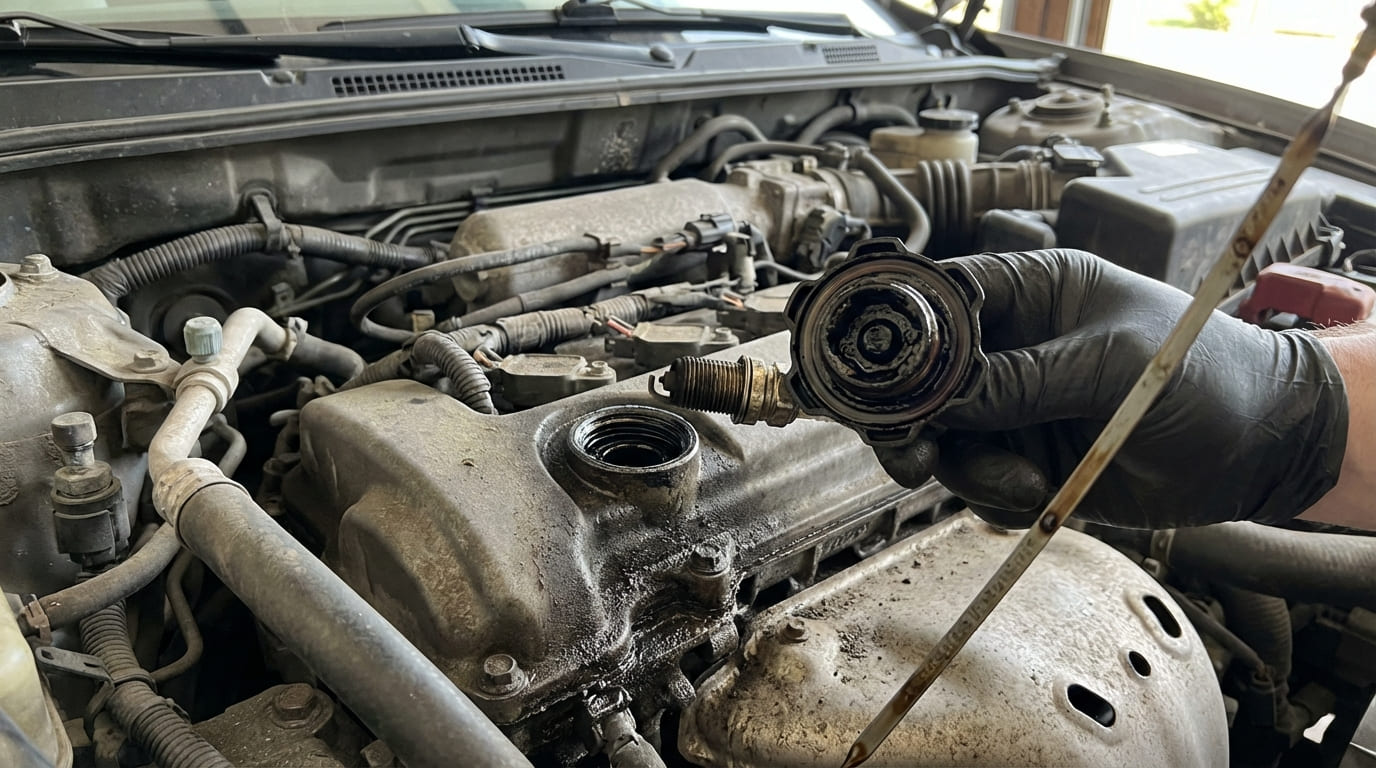
- Pull the oil cap and dipstick—look for sludge or milky residue.
- Check oil pressure with a mechanical gauge, especially at idle and hot.
- Inspect oil return holes in the head during disassembly. Clogged passages are common on engines with poor maintenance.
I’ve seen heads warp from chronic oil starvation even when coolant levels were perfect. Always check oil flow and pressure before assuming it’s a cooling issue.
Combustion Problems (Hotspots and Detonation)
Lean air/fuel mixtures, carbon buildup, incorrect timing, or a bad knock sensor can cause detonation. This spikes combustion temps and creates hotspots that distort the head locally.
How to Check:
- Scan for knock sensor codes (P0325–P0334).
- Inspect spark plugs for pre-ignition damage (melted electrodes, white blistering).
- Check fuel trims: long-term fuel trim above +15% suggests a lean condition.
- Inspect for clogged catalytic converters—backpressure traps heat in the exhaust ports.
Rapid Temperature Changes (Thermal Shock)
Adding cold coolant to a hot engine or shutting off a turbo engine immediately after hard driving can shock the head. The outer surfaces contract faster than the core, leading to warping or cracking.
How to Prevent:
- Let turbo engines idle 1–2 minutes before shutdown.
- Never open the radiator cap on a hot engine. Wait until it’s below 160°F.
- If refilling coolant, use a 50/50 mix and add it slowly to the degas tank, not the radiator.
Contributing Factors You Can’t Ignore
Improper Head Bolt Torque or Reuse
Most modern engines use torque-to-yield (TTY) head bolts. These stretch permanently and should never be reused. Over-torquing, under-torquing, or incorrect sequence creates uneven clamping, which can distort the head or cause gasket failure.
How to Check:
- Use a calibrated torque wrench and follow the factory sequence.
- Mark each bolt with a paint pen as you tighten to avoid missed or double-torqued fasteners.
- Never reuse TTY bolts unless the manual explicitly allows it.
In my shop, we always use new head bolts and lubricate threads exactly as specified—usually with engine oil or moly paste. Skipping this step is the fastest way to a repeat failure.
Prior Overheating History
A head that’s been overheated once is more likely to warp again. Micro-stresses remain even if it passed a flatness check. Repeated thermal cycling accelerates fatigue.
How to Assess:
- Ask the owner about past overheating incidents—even minor ones.
- If the head has been resurfaced before, check remaining thickness. Some heads can only be milled 0.010″ max.
How to Diagnose a Warped Cylinder Head
Don’t guess—verify. Here’s how to confirm warping:
- Remove the head and clean the deck surface with a gasket scraper and solvent.
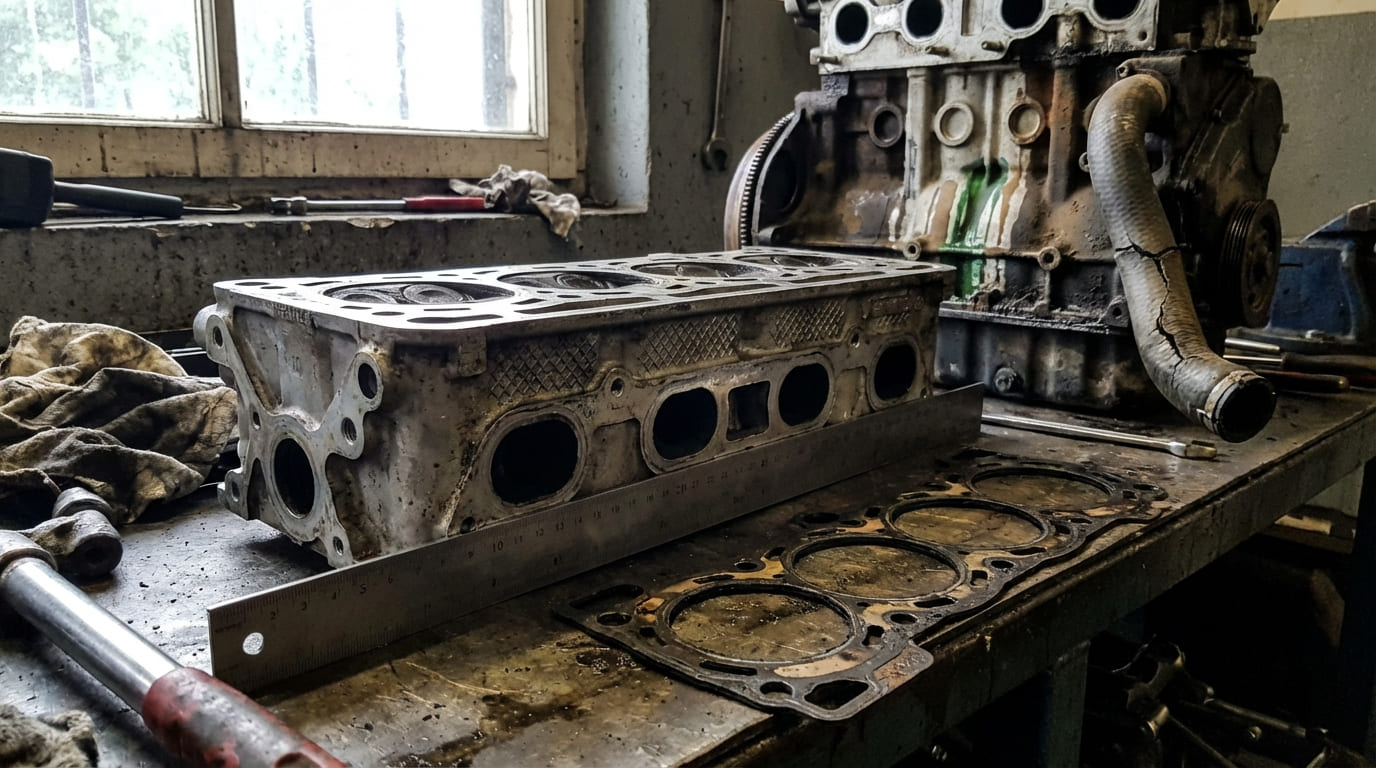
- Use a precision straightedge (verified flat) and feeler gauges.
- Check in multiple directions: front-to-back, side-to-side, and diagonally.
- Measure at three points per pass: ends and center.
- Compare results to factory specs.
If you find more than 0.002″ deviation over 6 inches, the head is likely warped.
Repair vs Replace: Cost and Viability
Can you fix a warped head? Sometimes—but it depends on severity and engine type.
| Condition | Solution | Cost Range | Viability |
|---|---|---|---|
| Warp within spec (≤0.002″) | Resurface if thickness allows | $75–$150 | High—safe if within limits |
| Warp 0.003″–0.004″ | Resurface only if design allows extra milling | $100–$200 | Moderate—check compression and head thickness |
| Warp >0.004″ or uneven across surface | Replace head | $300–$800 (core exchange) | High—resurfacing won’t fix structural distortion |
| Crack or porosity found during inspection | Replace or weld (if feasible) | $500+ (welding + resurfacing) | Low—welding risks future failure |
I’ve learned the hard way: if a head is badly warped, just replace it. Resurfacing a severely distorted head often leads to repeat gasket failure. Save time and money—go with a quality remanufactured unit.
Best Practices to Prevent Warping
- ✅ Always clean head bolt threads with a bottoming tap. Debris increases friction and throws off torque.
- ✅ Use new torque-to-yield bolts every time. Reused bolts don’t stretch evenly—clamping force suffers.
- ✅ Check deck flatness with a verified straightedge in all directions. Don’t skip diagonals.
- ⚠️ Never torque dry if specs call for lubrication. Use the exact lube specified—oil, moly, or assembly paste.
- ⚠️ Never install a new gasket without checking flatness. I’ve seen techs replace gaskets twice before finding the real issue.
- ⚠️ Always pressure test the cooling system after reassembly. 15 minutes at cap rating can catch small leaks early.
Real-World Case Studies (Lessons from the Bench)
Situation: 2012 F-150 4.6L with coolant loss and white smoke. Adjacent cylinders low on compression.
Discovery: Head showed 0.003″ warp in the center—caused by a failing water pump that reduced flow over months.
Fix: Replaced pump, resurfaced head (within spec), used new TTY bolts. No recurrence.
Lesson: Chronic mild overheating is stealthy but damaging. Always inspect the entire cooling system, not just the obvious parts.
Situation: Rebuilt LS1 engine failed after 3,000 miles. New gaskets, same symptoms.
Discovery: Tech reused TTY bolts. Clamping force varied by 20%. Uneven load caused gasket failure, then localized overheating and warping.
Fix: New head, new bolts, proper torque sequence.
Lesson: Reusing TTY bolts is a false economy. Always use new fasteners when required.
Situation: 2008 Accord with coolant in oil. No overheat history. Block test positive.
Discovery: Head was flat. Dye test revealed a crack between exhaust valves—caused by long-term detonation from low-octane fuel.
Fix: Replaced head.
Lesson: Not every sealing issue is warping. Diagnose the pattern—combustion problems can mimic gasket failure.
Warping is rarely random. It’s the result of heat, stress, and often, overlooked maintenance. Always check the full system—cooling, oiling, combustion, and assembly—before condemning the head. And when in doubt, consult the factory service manual for exact tolerances and procedures. What works on one engine can destroy another.