In my shop, this question comes up every winter. I’ve seen everything from drivers idling for 15 minutes to others flooring it out of the driveway at -20°C. The truth lies somewhere in between — and it depends on a lot more than just temperature. Modern engines behave differently than older ones, and a one-size-fits-all answer doesn’t hold up under real-world conditions. The goal isn’t to warm up the engine completely before driving, but to manage thermal stress and lubrication properly during the first few minutes of operation.
Do Modern Engines Need a Warm-Up?
For most vehicles built in the last 20 years, prolonged idling is not necessary for engine protection. Advances in oil chemistry, fuel injection, and engine design mean that oil pressure builds quickly, and fuel systems adapt almost immediately. However, this doesn’t mean you should drive aggressively from the start. Critical components like bearings, pistons, and turbos still need time to reach operating temperature evenly.
In my shop, we always recommend a 15–30 second idle to confirm oil pressure, then gentle driving until the engine reaches normal temperature. This method warms the engine, transmission, and differential faster than idling — and with less wear.
How to Check Oil Pressure on Cold Start
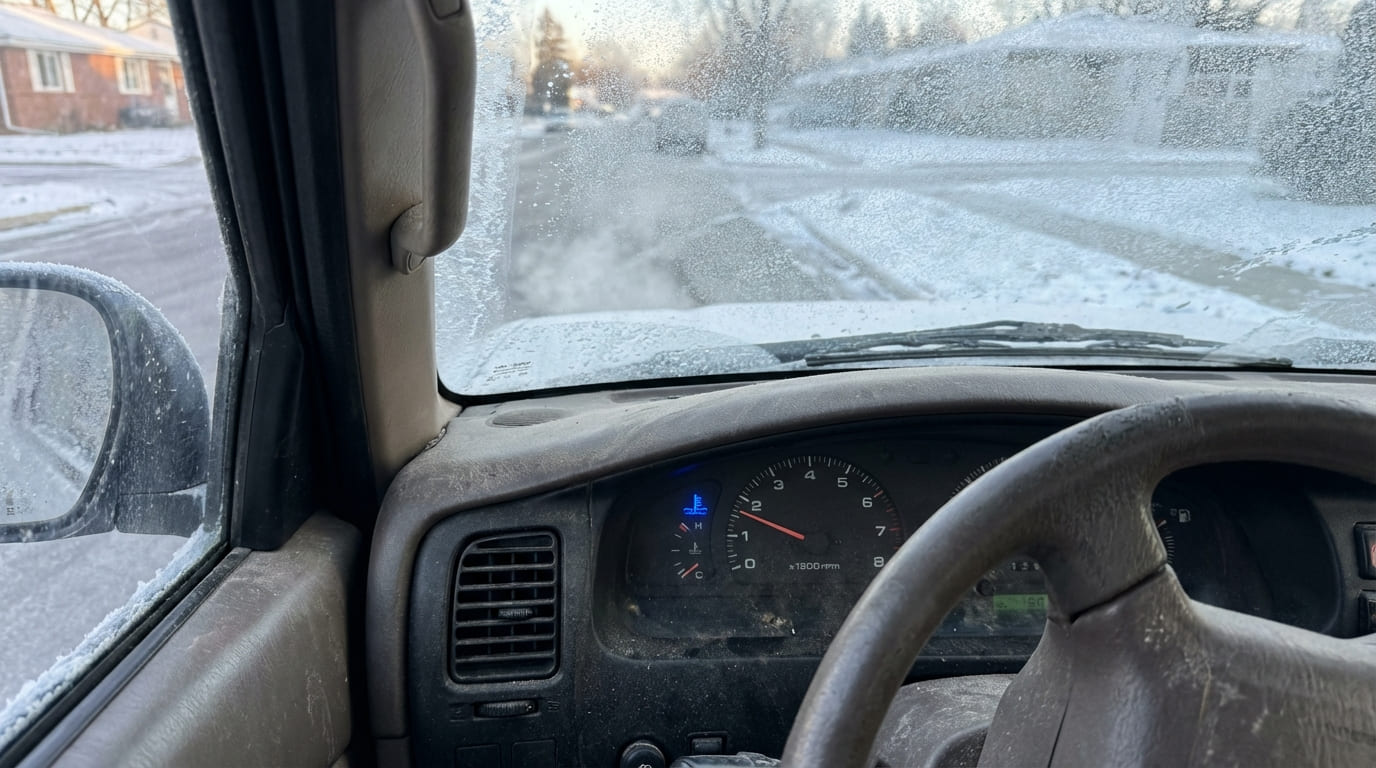
If your vehicle has an oil pressure gauge, watch for the needle to stabilize within 10 seconds of starting. If it only has a warning light, wait for the light to go out before putting the vehicle in gear. In extreme cold (-15°C or below), extend this to 60 seconds, especially if the engine is older or uses a higher-viscosity oil.
Fuel and Lubrication Systems in Cold Weather
Modern engines use multi-viscosity oils (like 0W-20 or 5W-30) that flow quickly even in sub-zero temperatures. These oils are designed to reach critical components fast, reducing initial wear. At the same time, electronic fuel injection (EFI) systems adjust air-fuel ratios dynamically, entering closed-loop mode within 60–90 seconds as the oxygen sensors heat up.
Unlike carbureted engines, which required long warm-ups to prevent stalling and poor combustion, modern engines don’t suffer from fuel washdown to the same degree — unless they’re idled excessively.
What About Direct Injection Engines?
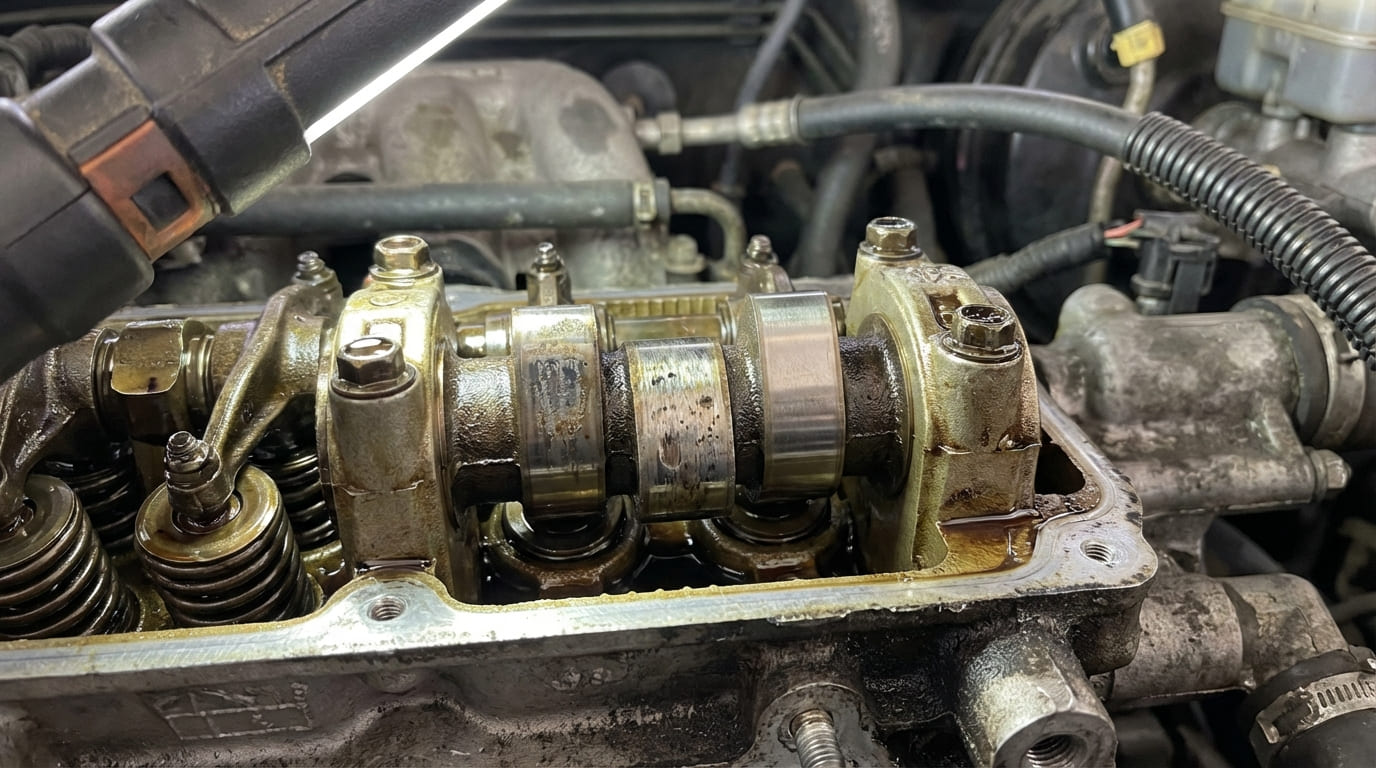
Direct-injection engines are more prone to fuel dilution during prolonged idling. Fuel can wash past the piston rings and mix with the oil, especially in short-trip driving. I’ve seen oil samples with over 5% fuel contamination from vehicles routinely idled 10+ minutes in winter. This thins the oil, reduces lubrication, and increases wear on camshafts and lifters.
Recommended Cold Start Procedure
The most effective warm-up strategy combines a brief idle with gentle driving. Idling alone heats only the engine block and cylinder head, while driving circulates oil and coolant through the entire system — including the transmission and differential.
- Start the engine and let it idle 15–30 seconds (up to 60 seconds in extreme cold).
- Confirm oil pressure is established (light off or gauge stable).
- Drive gently for the first 5–10 minutes, keeping RPMs under 2500–3000.
- Avoid heavy throttle, hard acceleration, or towing until the coolant temperature reaches normal range.
I’ve timed warm-up times on dozens of vehicles: engines reach operating temperature 30–50% faster under light load than during idling. The thermostat needs coolant flow to open, and that only happens when the water pump is moving fluid — which happens best under driving conditions.
Risks of Improper Warm-Up
Both insufficient and excessive warm-up practices can lead to long-term damage. The key is balance.
Driving Too Hard Too Soon
When the engine is cold, metal components are contracted, and oil hasn’t reached full operating viscosity. Aggressive driving in this state causes:
- Increased wear on cam lobes and lifters
- Poor piston ring seal, leading to blow-by and oil consumption
- Uneven thermal expansion, which can contribute to head warping over time
Idling Too Long
Extended idling doesn’t just waste fuel — it causes real mechanical issues:
- Cylinder glazing: Low piston speeds prevent rings from seating properly, reducing compression.
- Fuel dilution: Especially in direct-injection engines, fuel contaminates the oil during light-load operation.
- Carbon buildup: Intake valves and turbo components don’t get cleaned without higher exhaust flow.
- Higher emissions: Cold catalytic converters can’t reduce pollutants, so 10 minutes of idling equals 10 minutes of unfiltered hydrocarbon output.
Oil Viscosity and Cold Weather Performance
The “W” number in oil ratings (e.g., 5W-30) indicates cold-temperature flow. Lower numbers (0W, 5W) flow faster in cold weather. But using a lower-viscosity oil than recommended can cause noise and wear in high-mileage engines with worn bearings.
Always follow the manufacturer’s recommended viscosity. If you live in a consistently cold climate, a 0W grade may be beneficial — but only if it’s within OEM specs.
I once diagnosed a noisy engine at -20°C — turned out the owner switched to 0W-16 oil on a high-mileage V6 that needed 5W-20. The thinner oil couldn’t maintain film strength under cold load. Stick to the manual unless you have a documented need and supporting mods.
When to Adjust Your Approach
Below -20°C (-4°F), thermal contraction and oil flow become more critical. In these conditions:
- Extend idle time to 60–90 seconds.
- Ensure battery is healthy — cold cranking amps (CCA) drop significantly in extreme cold.
- Consider using an engine block heater, which can improve oil flow, reduce wear, and shorten warm-up time.
Block heaters cost $50–150 for a basic magnetic pan heater, or $100–200 for an inline coolant model. Installation is DIY-friendly and pays off in reliability and fuel savings over time.
Diagnostic Guide: Cold Start Issues
Use this logic when troubleshooting cold-weather starting problems:
- White smoke lasting more than 30 seconds: Check for head gasket failure, cracked head, or intake manifold coolant leak — especially in V6 engines with valley intakes.
- Hard starting only when cold: Test fuel pressure hold — a drop below 40 psi in 5 minutes often points to a leaking fuel injector or failed check valve in the pump.
- Slow oil pressure build: Verify oil level, viscosity, and filter type first. Some aftermarket filters lack anti-drainback valves, causing dry starts.
Best Practices Summary
- ✅ Let engine idle 15–30 seconds, then drive gently.
- ✅ Use OEM-specified oil viscosity — don’t go thinner without reason.
- ✅ Install a block heater in extreme cold — it reduces wear and improves cabin heat.
- ✅ Clean the oil cap area before opening — snow and ice can fall into the valve cover.
- ⚠️ Avoid high RPMs or heavy throttle for the first 5–10 minutes.
- ⚠️ Avoid idling more than 5 minutes — it causes more harm than good.
- ⚠️ Don’t assume modern engines are immune to cold-start abuse — long-term damage accumulates silently.
Common Cold-Start Issues and Causes
| Scenario | Most Likely Cause(s) | Probability Range | Notes |
|---|---|---|---|
| Hard start, long crank when cold | Fuel pressure loss, weak battery, faulty coolant temp sensor | 70–85% | Check fuel pressure hold for 5 minutes after shutdown |
| White smoke at startup, gone in 1 min | Normal condensation | 80–90% | Common in humid climates; not a concern if transient |
| White smoke lasting >2 min + coolant loss | Head gasket, cracked block/head, intake leak | 50–60% head gasket, 20–30% intake, 10–20% crack | Pressure test cooling system and check for hydrocarbons in coolant |
| Oil pressure light flickers on cold start | Worn pump, low oil level, incorrect viscosity | 40% pump, 30% oil level, 30% viscosity | Verify oil level and type first; pressure test if issue persists |
| Engine knocks on cold start, gone when warm | Piston slap (aluminum pistons), carbon knock, lifter tick | Varies by engine type — 60% piston slap on some DI engines | Record audio and compare to known patterns; avoid aggressive driving if persistent |
Real-World Case Studies
Situation: 2015 turbocharged sedan with low power and P0171 (lean) code. Owner idled 10 minutes every winter morning.
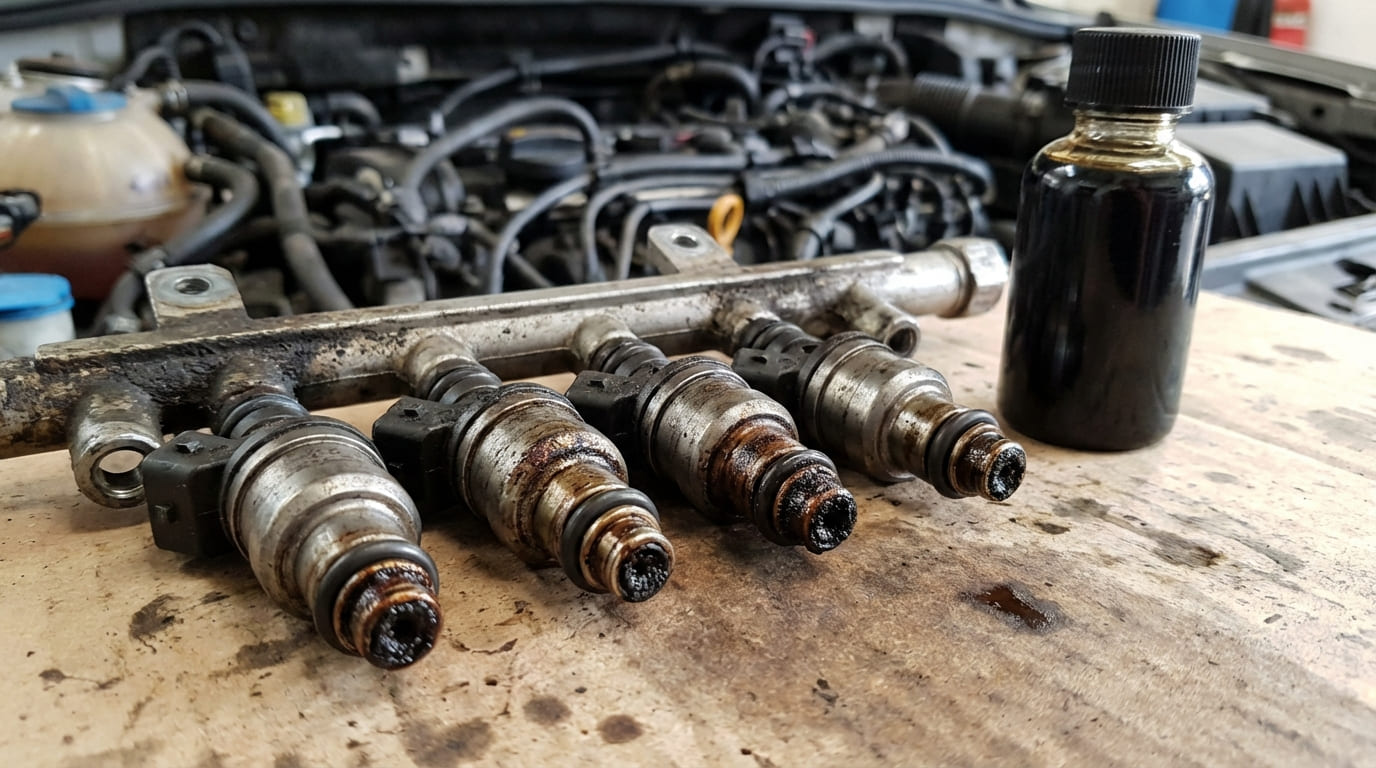
Discovery: Severe carbon buildup on intake valves and 6% fuel dilution in oil.
Lesson: Prolonged idling in direct-injection engines promotes fuel washdown and carbon accumulation. Gentle driving clears deposits more effectively.
Situation: High-mileage pickup with slow oil pressure rise. Owner warmed it 5 minutes daily.
Discovery: Using 10W-40 instead of required 5W-20. After switch, pressure built in 8 seconds at -18°C.
Lesson: Wrong oil viscosity is often the culprit — not internal wear. Always verify fluids first.
Situation: Customer reported white smoke every morning. Mechanic quoted $2,500 for head gasket.
Discovery: Smoke cleared in 20 seconds. No coolant loss or hydrocarbons. Just exhaust condensation.
Lesson: Not all white smoke means failure. Duration and context are critical before major repairs.
The most effective cold-weather practice is simple: start the engine, let it stabilize for 15–30 seconds, then drive gently. This protects the engine, warms fluids faster, and avoids the pitfalls of excessive idling. Always consult your vehicle’s service manual — some European models have specific warm-up protocols based on oil temperature and driving history. When in doubt, gentle driving beats long idling every time.