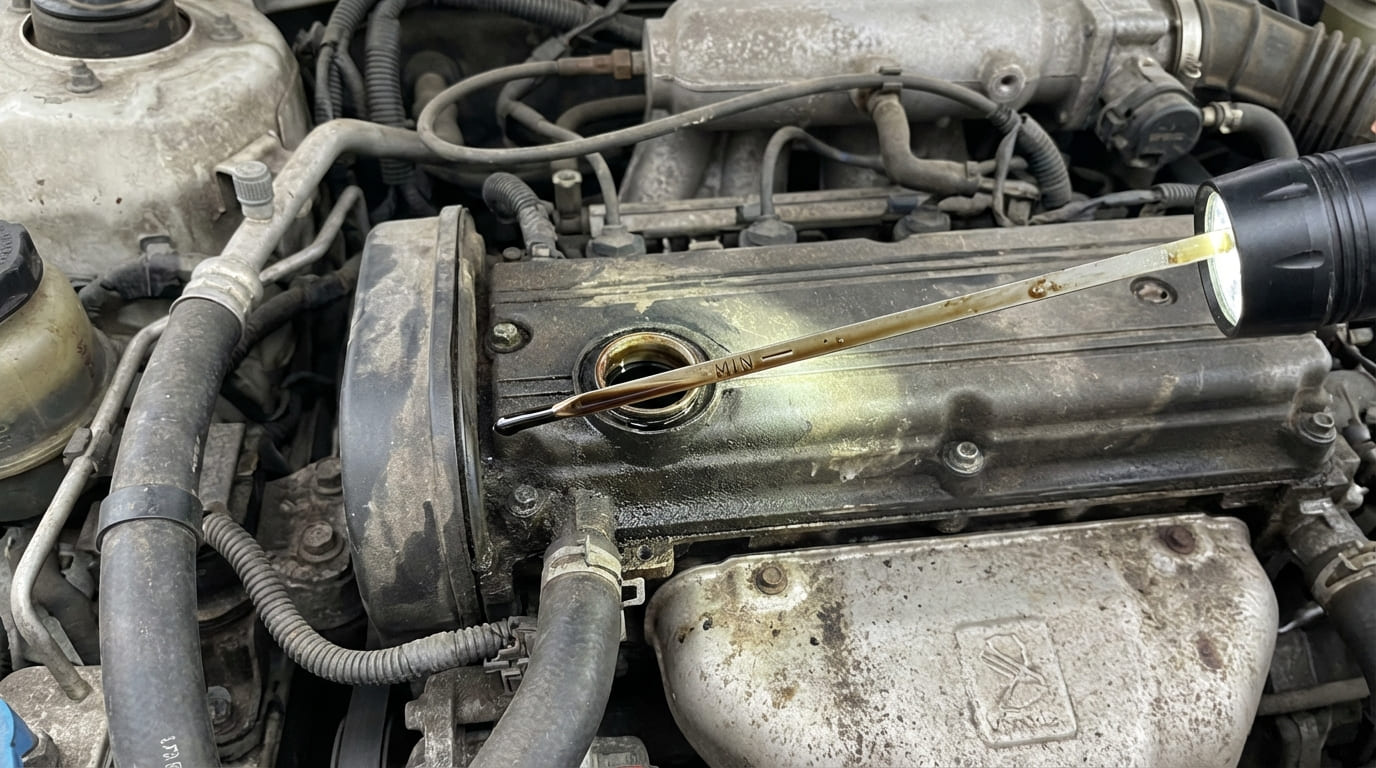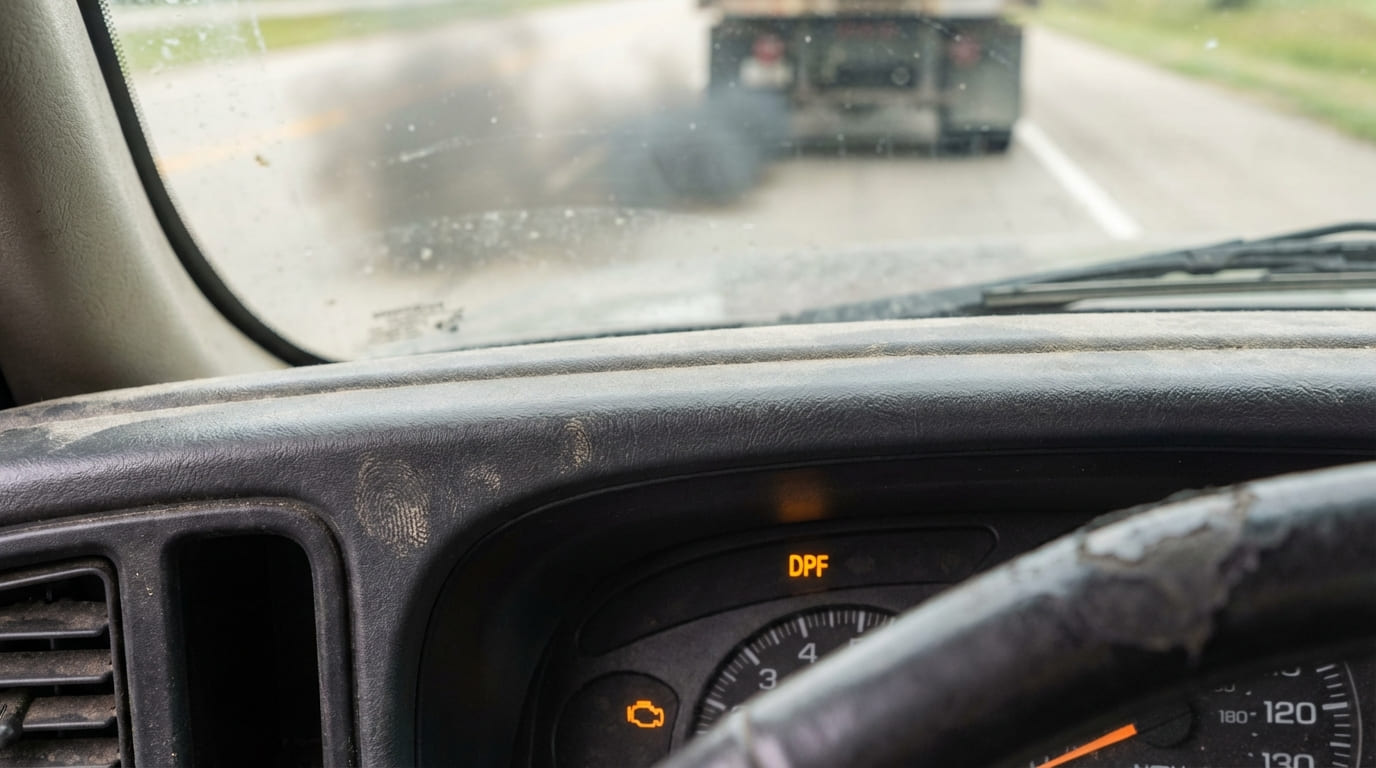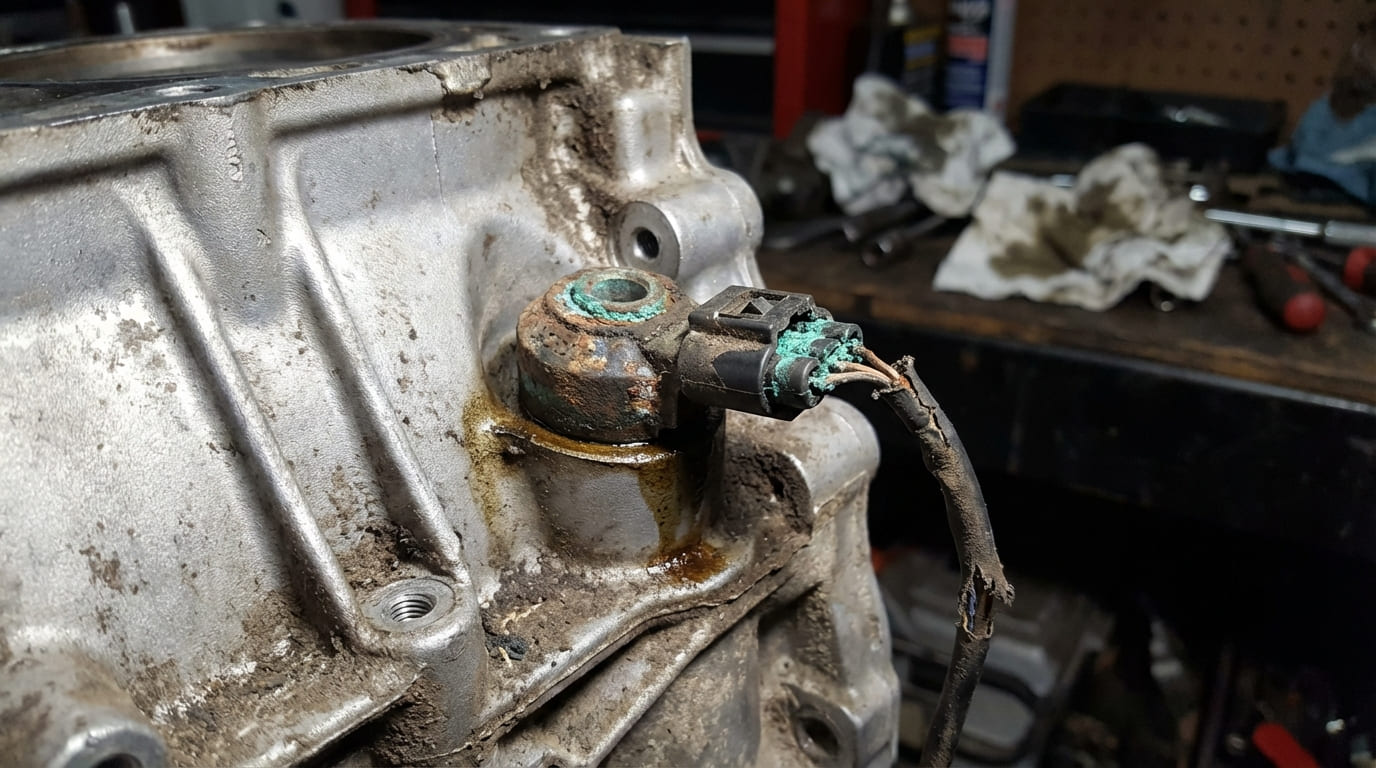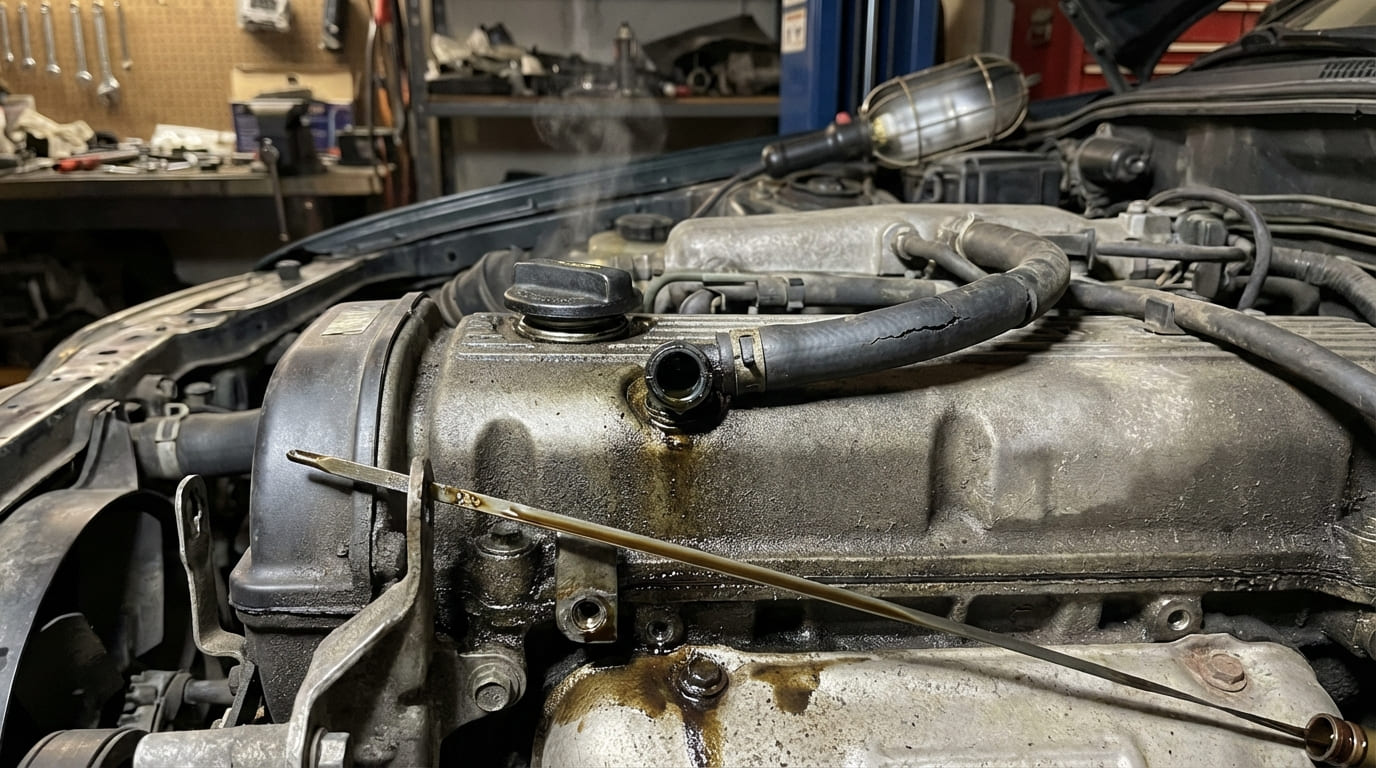
In my two decades in the shop, I’ve seen engines come in with oil spraying from seals, PCV systems whistling like kettles, or the classic “dancing” oil cap at idle. Excessive crankcase pressure — or blow-by — is a symptom, not a diagnosis. It means combustion gases are escaping into the crankcase, but the real question is: where and why? Jumping straight to engine disassembly can cost you time and money. This guide walks you through the real-world causes, how to diagnose them accurately, and when to repair versus replace.
Piston Ring Sealing Failure
Piston rings are the primary seal between the combustion chamber and the crankcase. When they fail, high-pressure gases blow past into the crankcase. But not all ring issues are the same — diagnosis is key.
Start with a cylinder leak-down test. If air escapes from the oil filler neck or dipstick tube, the rings or cylinder walls are likely compromised. Follow up with a wet/dry compression test: add a tablespoon of oil into the spark plug hole and retest. If compression increases by more than 15%, the rings are worn and not sealing. No improvement? The issue may lie elsewhere — valves or head gasket.
Use a borescope to inspect the ring lands and cylinder walls. Carbon buildup, broken rings, or visible wear can confirm the diagnosis without tearing the engine down.
In my shop, we always run a leak-down test before compression. It’s more sensitive and tells you exactly where the pressure is escaping — intake, exhaust, coolant, or crankcase.
Cylinder Bore Wear or Damage
Even perfect rings can’t seal against a damaged or worn cylinder wall. The surface finish and geometry matter just as much as the rings themselves.
Wear typically occurs near the top of the cylinder (near TDC) due to higher combustion pressure and less lubrication. Over time, the cross-hatch pattern wears smooth, reducing oil retention and ring seal. A bore gauge measurement after disassembly is definitive. Most factory specs allow 0.002″ to 0.003″ of taper or out-of-round — always check your engine’s service manual.
Scored bores are more urgent. A dropped bolt, broken ring, or spun bearing can gouge the wall. Deep vertical scratches that catch a fingernail will prevent sealing. Shallow scuffing from cold starts may not be critical, but deep damage requires honing or sleeve replacement.
I once had a customer replace all rings, only to find blow-by remained. A borescope revealed a hairline crack in the cylinder wall — invisible without magnification. Always inspect before assuming rings are the culprit.
Positive Crankcase Ventilation (PCV) System Malfunction
Before touching the engine internals, rule out the PCV system. It’s the most overlooked and easiest fix. A clogged valve or hose can mimic catastrophic engine failure.
Test the PCV valve: remove it and shake. It should rattle. No rattle? It’s stuck. But even a rattling valve can be restricted. Reinstall it, start the engine, and pull the valve from the valve cover. You should feel strong vacuum. No vacuum? Check the hose for collapse or internal sludge. Blow low-pressure air through it to verify flow.
Inspect the valve cover and intake manifold passages. On engines with EGR or turbocharging, these often clog with oil vapor and soot. Remove and clean with carb cleaner and a pipe brush. On modern engines, some passages are buried — disassembly may be needed.
Use the correct PCV valve. Aftermarket parts often don’t flow to OEM specs. If you’ve modified the engine (turbo upgrade, high-performance cam), the stock valve may not handle the volume. Consider dual PCV valves or an external catch can.
On a 2012 F-150 with “blow-by,” we found the PCV hose collapsed internally. Externally it looked fine. Always blow through hoses or replace them if in doubt.
Turbocharger or Supercharger Seal Failure
Forced-induction engines add complexity. If the turbo’s compressor-side seal fails, pressurized air leaks into the center housing and drains into the crankcase via the oil return line.
Symptoms include oil in the intercooler, smoke under boost, and crankcase pressure that only appears under load. At idle, everything may seem normal. To test, disconnect the PCV hose at idle — if you feel positive pressure (not vacuum), the turbo may be the source.
Inspect the turbo compressor housing for oil. A smoke test on the intake system under simulated boost can reveal leaks. If confirmed, the turbo needs rebuilding or replacement.
| Part | Cost Range | Repair vs Replace |
|---|---|---|
| PCV Valve | $10–$30 | Replace — not rebuildable |
| PCV Hose | $15–$50 | Replace — cheap and critical |
| Turbocharger | $400–$1,200 | Replace or rebuild — depends on core value |
| Piston Rings | $50–$150 (kit) | Rebuild only — requires engine teardown |
Cylinder Head Gasket Failure
A head gasket breach between a combustion chamber and an oil drain passage can route gases directly into the crankcase. It’s less common than coolant breaches but just as damaging.
Leak-down testing may show air exiting the oil filler. If the breach also involves coolant, you’ll see bubbles in the overflow tank or white smoke at startup. A combustion gas test (block tester) can detect exhaust gases in the coolant, but it won’t catch oil-passage leaks.
Compression and leak-down results may be inconsistent across adjacent cylinders. If two side-by-side cylinders both show crankcase leakage, inspect the head gasket and deck surfaces closely during teardown.
I’ve seen head gaskets fail from reused torque-to-yield (TTY) bolts. They stretch once — never reuse them. A $5 bolt can ruin a $2,000 rebuild.
Rare or Secondary Causes
When common causes are ruled out, consider these less frequent issues.
Crankcase casting porosity is rare but possible. Tiny voids in the block or head can leak combustion pressure. Diagnose by pressure-testing the bare block with compressed air — listen for hissing. Only check this after ruling out rings, gaskets, and PCV.
Valve guide wear contributes indirectly. Worn guides allow pressure past the stem seals into the valve cover, which then vents to the crankcase. It won’t cause severe pressurization alone but can add to existing issues. If leak-down is low but you hear air from the breather, inspect valve train components.
Diagnostic Flow for Excessive Crankcase Pressure
Follow this sequence to avoid unnecessary teardowns:
- Observe symptoms: oil leaks, dancing oil cap, smoke, or whistling from the breather.
- Inspect the PCV system: check valve function, hose integrity, and vacuum at the port.
- Perform a cylinder leak-down test: note percentage loss and where air escapes (oil filler, coolant, exhaust).
- Run a wet/dry compression test: significant improvement with oil points to ring wear.
- Use a borescope: look for carbon buildup, broken rings, or cylinder damage.
Best Practices: What to Do and Avoid
- ✅ Recommended: Clean spark plug holes before testing. Debris can cause false readings or fall into the cylinder.
- ✅ Recommended: Perform leak-down tests on a warm engine. Cold metal has tighter clearances and can mask leaks.
- ✅ Recommended: Record and compare results across all cylinders. Patterns reveal localized vs. systemic issues.
- ⚠️ Avoid: Reusing torque-to-yield head bolts. They’re designed for one use. Reusing risks improper clamping and gasket failure.
- ⚠️ Avoid: Assuming all blow-by means worn rings. A clogged PCV system is far more common and cheaper to fix.
- ⚠️ Avoid: Skipping the wet compression test. It’s the fastest way to confirm if rings are the problem.
Typical Causes and Diagnostic Indicators
| Probable Cause | Leak-Down Indication | Supporting Evidence | DIY Feasibility |
|---|---|---|---|
| Clogged PCV valve/hose | High leak-down, not isolated to one cylinder | No vacuum at port, sludge in hose | High — simple replacement |
| Worn piston rings | High leak-down, air from oil filler | Wet compression >15% higher than dry | Low — requires engine disassembly |
| Head gasket breach to crankcase | High leak-down, air from oil filler | Bubbles in coolant, misfire, adjacent cylinders affected | Low — head removal needed |
| Turbo seal failure | Normal at idle, pressure under boost | Oil in intercooler, smoke under load | Medium — turbo removal required |
| Stuck rings (carbon) | High leak-down, air from oil filler | Borescope shows carbon in ring lands | Medium — chemical soak may help, but limited success |
Situation: A 2008 V6 pickup came in with oil leaking from the rear main seal and a hissing sound from the valve cover. Owner assumed the engine was worn out.
Initial Assumption: High blow-by from worn rings or cylinder wear.
Deep Dive: Leak-down test showed 12% loss across all cylinders, with air coming from the oil filler. But wet compression didn’t improve. Borescope showed clean cylinders. Then I checked the PCV system — the hose to the intake manifold was completely clogged with gelatinous sludge.
Nuanced Lesson Learned: Uniform leak-down across all cylinders doesn’t always mean internal wear. A blocked PCV system can mimic ring failure. Always rule out ventilation issues before condemning the short block.
Situation: A turbocharged 4-cylinder had excessive crankcase pressure under boost. Oil was being pushed into the intake via the PCV.
Initial Assumption: Blown head gasket or cracked piston.
Discovery: Leak-down was normal at idle. But under boost simulation (using a smoke machine on the intake), pressure built in the crankcase. Closer inspection revealed oil in the turbo compressor housing. The turbo’s internal seal was leaking boost into the center housing, then down the oil drain.
Nuanced Lesson Learned: Crankcase pressure that only appears under load may point to turbo or supercharger issues, not internal engine wear. Test under operating conditions when possible.
Situation: A high-mileage inline-6 had steady oil consumption and mild blow-by. Leak-down showed 8% loss on two adjacent cylinders, with air coming from the oil filler.
Initial Assumption: Worn rings or cylinder damage in those two cylinders.
Discovery: After teardown, the rings and bores looked acceptable. But the head gasket showed a small breach between cylinder 3 and an oil drain gallery. The block deck was perfectly flat, but the gasket had failed due to improper bolt torque during a prior repair.
Nuanced Lesson Learned: Head gasket failures aren’t always between cylinders or to coolant. A breach to an oil passage can cause blow-by symptoms. Torque sequence and bolt condition matter just as much as the gasket itself.
Excessive crankcase pressure is a clue, not a verdict. The real skill is in interpreting what the engine is telling you — and knowing when to test instead of assume. I’ve pulled more than one engine based on symptoms that turned out to be a $15 valve. Always consult your engine’s service manual for tolerances, torque specs, and testing procedures — because what’s true for one engine may not apply to another.