Yes, a faulty ignition coil is one of the most common causes of engine misfires—especially in modern coil-on-plug (COP) systems. When a coil fails, it can’t deliver enough voltage to fire the spark plug consistently, leading to incomplete combustion in that cylinder. But not every misfire is caused by a bad coil. Replacing coils without proper diagnosis leads to wasted money and unresolved issues. Here’s how to diagnose and fix ignition coil-related misfires the right way.
How a Bad Ignition Coil Causes Misfires
Ignition coils transform the battery’s 12 volts into 15,000–45,000 volts needed to jump the spark plug gap. When internal windings short, insulation breaks down, or the coil’s electronics fail, output voltage drops. This weak spark can’t reliably ignite the air-fuel mixture, especially under load when cylinder pressure is high. The result? A misfire—often logged as a P030X code (e.g., P0301 for cylinder 1).
In my shop, we always assume the coil is a suspect—not a guarantee—when a cylinder-specific misfire appears. We test before we replace.
Symptoms of a Failing Ignition Coil
- Rough idle, especially when electrical load (like A/C) is applied
- Loss of power during acceleration
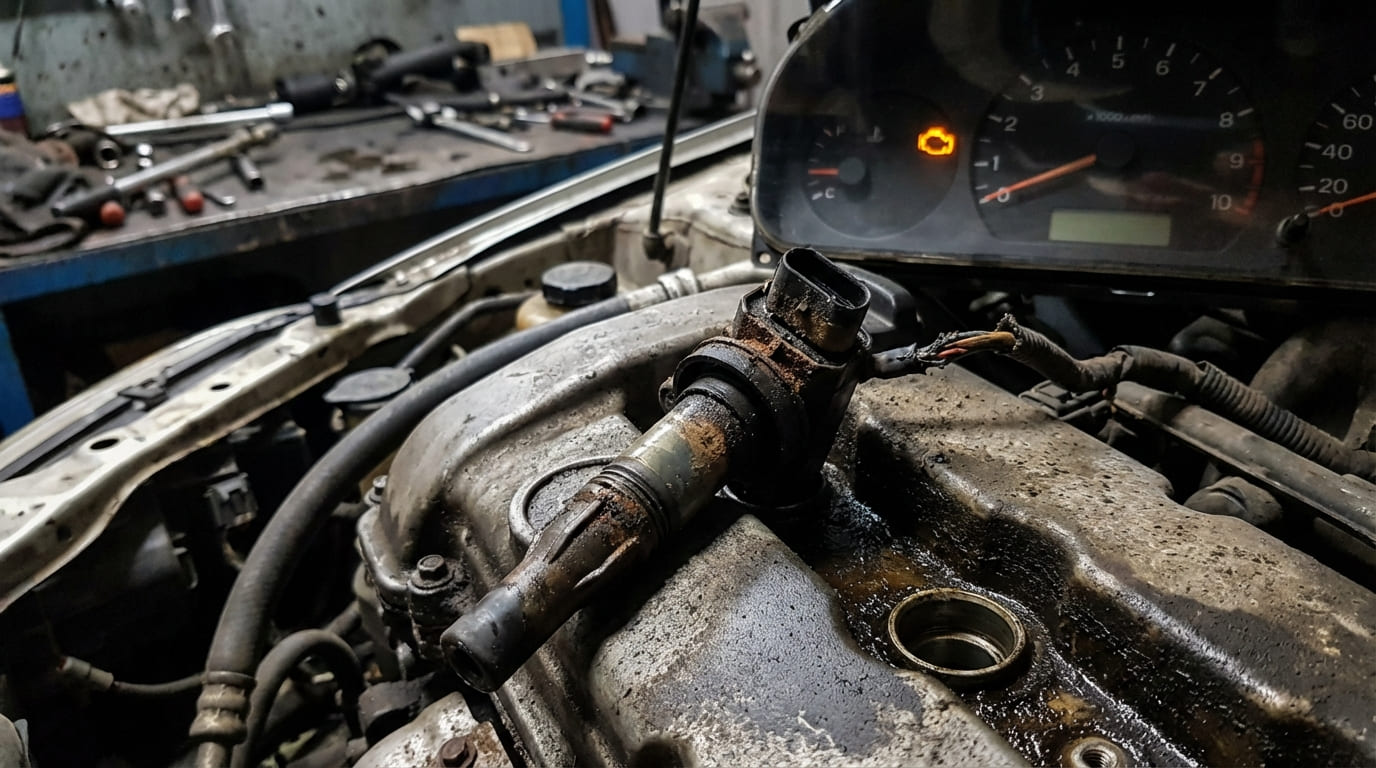
- Flashing or steady Check Engine Light (CEL)
- Diagnostic Trouble Codes (DTCs): P030X (cylinder misfire), P035X (coil primary/secondary circuit faults)
- Increased fuel consumption and raw fuel smell from exhaust
Note: On waste-spark systems, one coil serves two cylinders—so failure affects both. On COP systems, misfires are usually isolated, but long-term issues can damage the catalytic converter.
Diagnostic Steps: How to Confirm a Bad Ignition Coil
1. Verify the Misfire with Live Data
Use an OBD2 scanner that shows live misfire counts. Focus on “misfire per 1,000 revolutions.” A cylinder with counts significantly higher than others (e.g., 80 vs. 5) indicates a real issue. But don’t ignore small imbalances—some engines naturally run uneven due to intake design.
2. Perform a Coil Swap Test [DIY-Friendly]
Remove the coil from the misfiring cylinder and swap it with one from a healthy cylinder. Clear codes and test drive. If the misfire moves to the new cylinder, the coil is bad. If it stays, the problem is likely spark plug, fuel injector, compression, or wiring.
3. Inspect Visually
Check for:
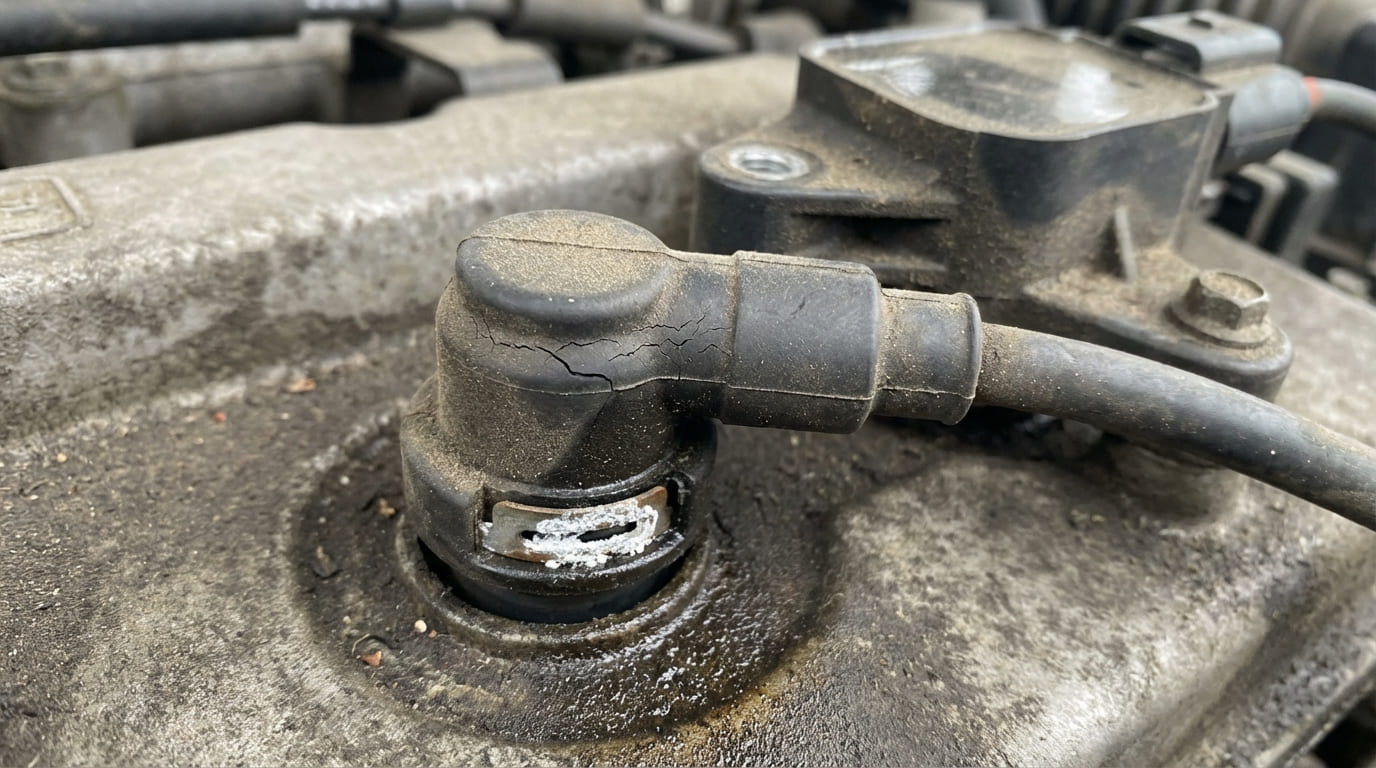
- Cracks or carbon tracking on the coil boot
- Corrosion on electrical terminals
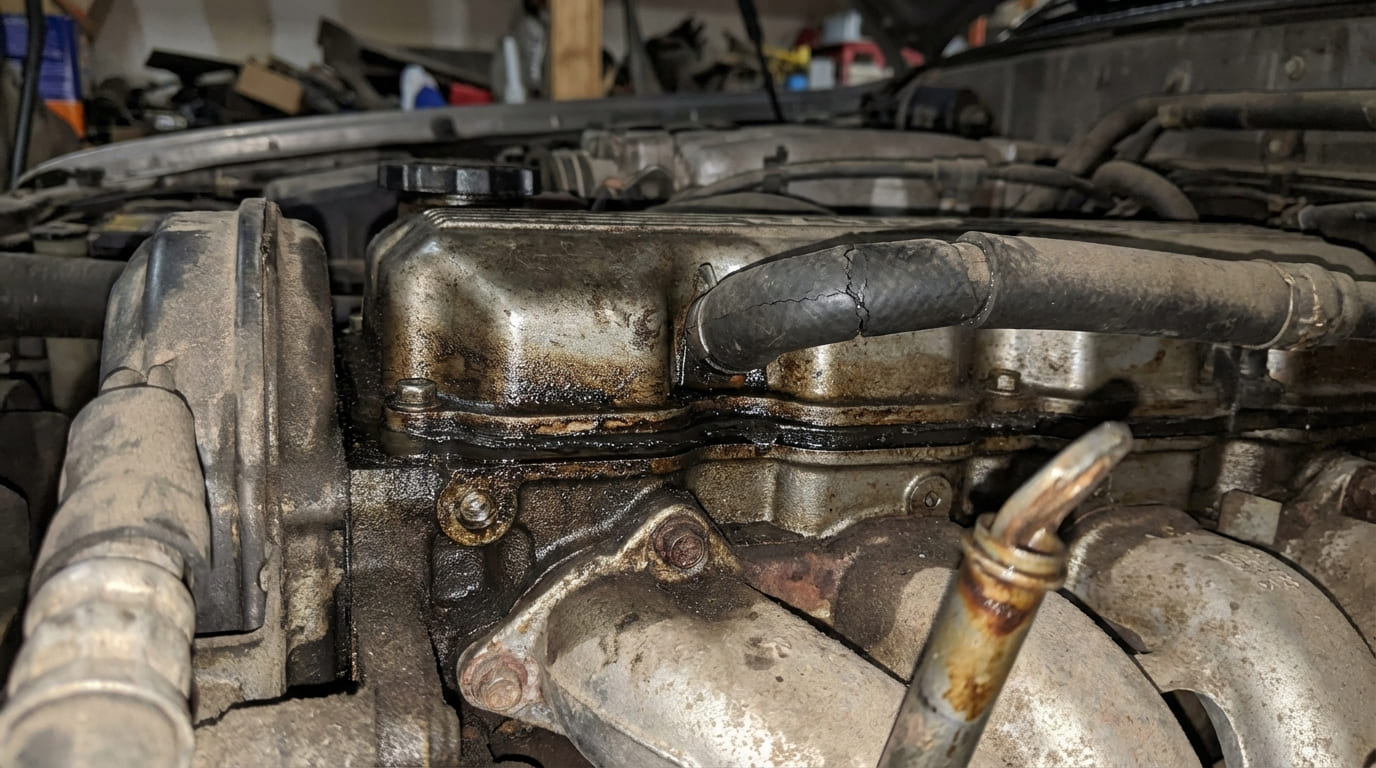
- Oil or moisture in the spark plug well (common on transverse V6 engines)
Even if the coil looks fine, internal arcing can occur under load. Shine a flashlight down the well—look for carbon trails or debris.
4. Test Spark Plug Condition
Always remove and inspect the spark plug when replacing a coil. Look for:
- Oil fouling (wet, black deposits – suggests internal engine issue)
- Wet fuel (indicates no spark or rich condition)
- Excessive gap (can overload coil)
- Melted electrode (sign of pre-ignition or overheating)
I’ve replaced dozens of coils only to find the real issue was a $12 spark plug gapped wrong at the factory. Always pull the plug—it’s the fastest way to rule out secondary causes.
5. Check Electrical Resistance [For Techs]
Only use this test as a screening tool. Values vary by manufacturer:
| Coil Circuit | Typical Resistance Range |
|---|---|
| Primary Windings | 0.4 – 2.0 ohms |
| Secondary Windings | 6,000 – 15,000 ohms |
Open or shorted readings indicate failure. But many modern coils have internal electronics—so normal resistance doesn’t guarantee function. Always refer to factory specs.
6. Use an Oscilloscope for Definitive Diagnosis [Pro Tool]
A lab scope with a high-voltage probe shows the actual spark event. Look for:
- Missing spark events
- Low firing voltage
- Shortened spark duration
- Excessive voltage required to fire (suggests plug gap or carbon tracking)
This method catches intermittent issues resistance tests miss.
Other Causes That Mimic Ignition Coil Failure
Never assume the coil is guilty. These issues cause similar symptoms:
| Symptom Pattern | Most Likely Causes | Less Common But Possible |
|---|---|---|
| Misfire on one cylinder (P030X) | Faulty coil, fouled spark plug, clogged injector | Stuck valve, intake leak near cylinder, plug wire short |
| Misfire on two paired cylinders | Failed waste-spark coil, damaged plug wires | Shared ground fault, ECU driver issue |
| Random misfire (P0300) | Vacuum leak, low fuel pressure, EGR stuck open | Multiple failing coils, timing chain stretch, MAF sensor fault |
| Intermittent misfire, worse when wet | Moisture in plug well, cracked coil boot | Chafed wiring harness, cracked distributor cap (older vehicles) |
Situation: 2014 Ford Fusion with P0302. Coil and plug already replaced—no fix.
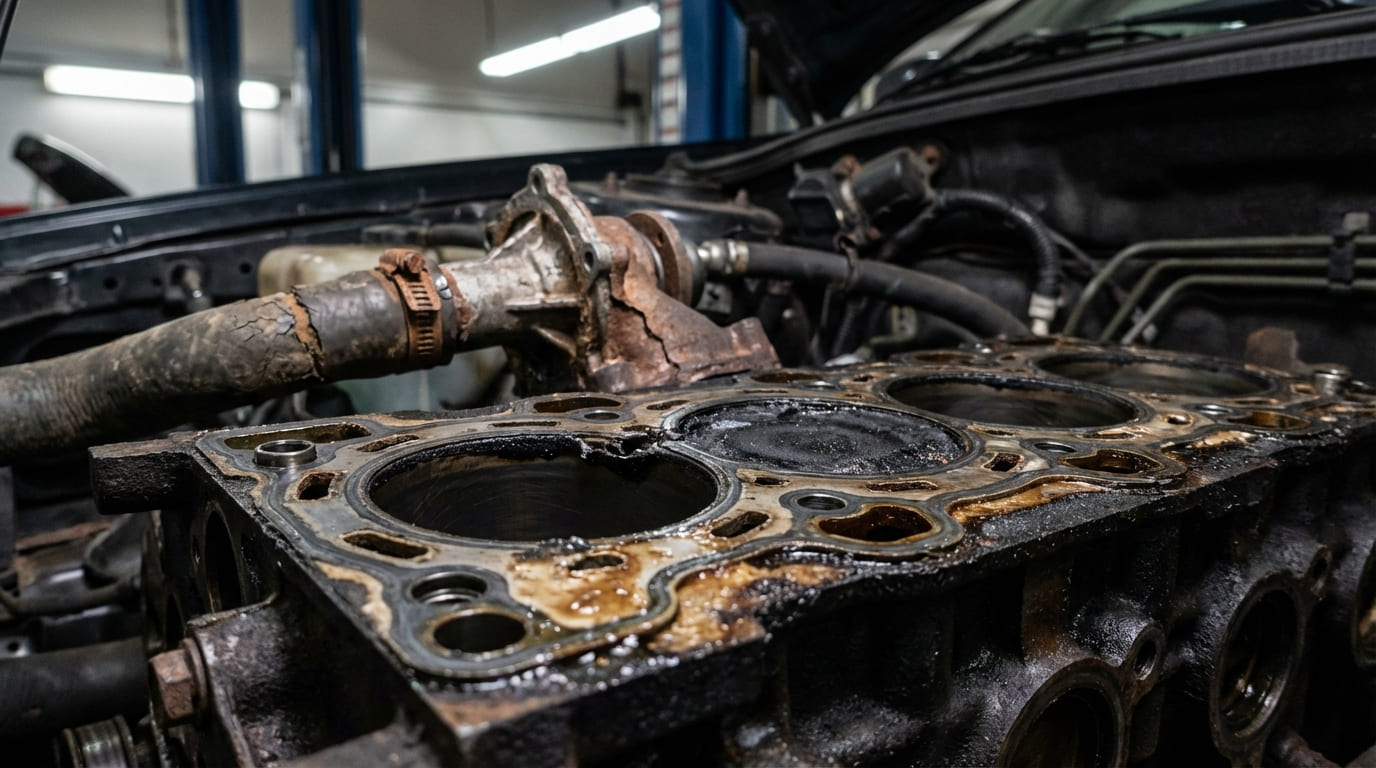
Discovery: Plug showed oil fouling. Bore scope revealed piston crack. Leak-down test confirmed compression loss.
Lesson: Cylinder-specific misfire doesn’t mean ignition issue. Check compression and plug condition first.
Situation: 2010 Honda Accord, misfire on cylinder 3, worse in rain.
Discovery: Scope showed abnormally high spark voltage. Plug gap was 0.050″ instead of spec 0.044″.
Lesson: Over-gapped plugs increase coil load. Always verify plug gap and use OEM-spec parts.
Situation: 2016 Toyota Camry, P0351 and P0301. Coil replaced twice—failed again.
Discovery: Wiring harness near valve cover was pinched. Chafed wire grounded and killed new coils.
Lesson: Replacing a coil without checking the circuit invites repeat failure. Inspect wiring and connectors.
Ignition Coil Types and Failure Trends
Most modern engines use coil-on-plug (COP) designs. These eliminate plug wires but endure extreme heat and vibration. Typical lifespan: 80,000–150,000 miles. Common failure triggers:
- Thermal cycling (expansion/contraction)
- Vibration damage
- Oil or moisture in plug wells
- Worn spark plugs increasing coil load
Waste-spark systems (one coil for two cylinders) are less common now. Distributor-based systems rarely fail without broad symptoms.
Cost and Repair vs. Replace
Ignition coil replacement costs vary:
| Component | DIY Cost | Shop Cost (Parts + Labor) |
|---|---|---|
| Single COP Coil | $40 – $120 | $150 – $300 |
| Waste-Spark Coil | $60 – $150 | $180 – $350 |
| Full Coil Set (4–6 cylinders) | $180 – $400 | $400 – $900 |
Repair vs. replace logic:
- Replace individual coil if only one is faulty and plug well is clean.
- Replace all coils if vehicle has over 100,000 miles—prevents future comebacks.
- Never reuse old spark plugs. A $10 plug can kill a $100 coil.
Best Practices: What to Do (and Not Do)
- ✅ Clean spark plug wells with compressed air or shop vac before installing new coil. Oil or debris causes arcing.
- ✅ Apply dielectric grease to coil boot (thin layer) to prevent moisture and ease removal.
- ✅ Torque mounting bolts to spec. Over-tightening cracks plastic housings.
- ⚠️ Don’t reuse old spark plugs. They increase resistance and stress new coils.
- ⚠️ Don’t assume all coils are the same. Some engines use different part numbers per cylinder due to heat exposure.
- ⚠️ Don’t skip plug inspection. The plug tells you more about the root cause than the coil does.
At the end of the day, diagnosing misfires is about process, not parts. A faulty ignition coil can absolutely cause misfires—but so can a dozen other issues. Use live data, perform a swap test, inspect the plug, and check the circuit. That’s how you fix it right the first time.