A clogged or failed PCV (Positive Crankcase Ventilation) valve is one of the most preventable yet damaging engine issues I see in the shop. It often starts silently but can lead to oil leaks, poor performance, and expensive secondary damage. This guide covers exactly what happens, how to diagnose both clogged (stuck closed) and stuck-open conditions, and the most effective fixes—based on real-world diagnostics and repairs.
What Happens When the PCV Valve Is Clogged (Stuck Closed)
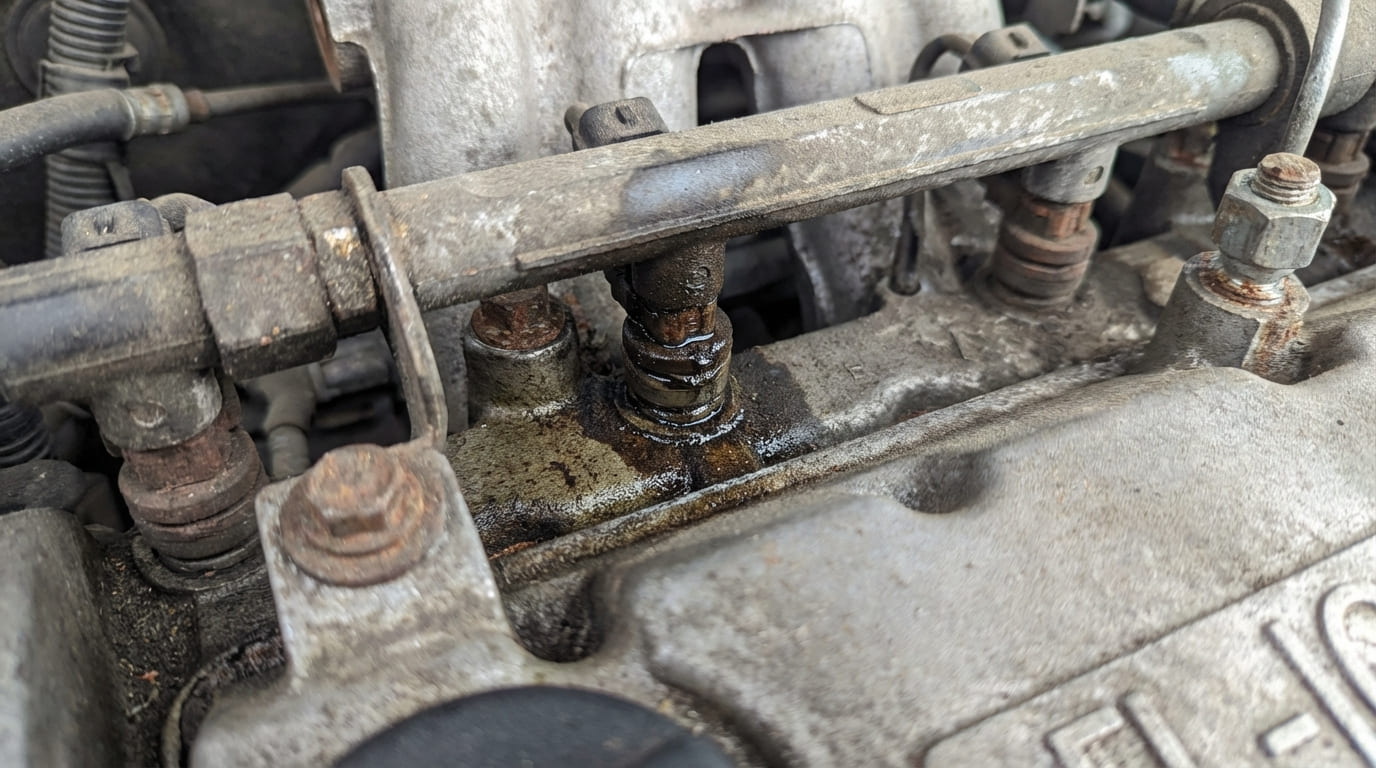
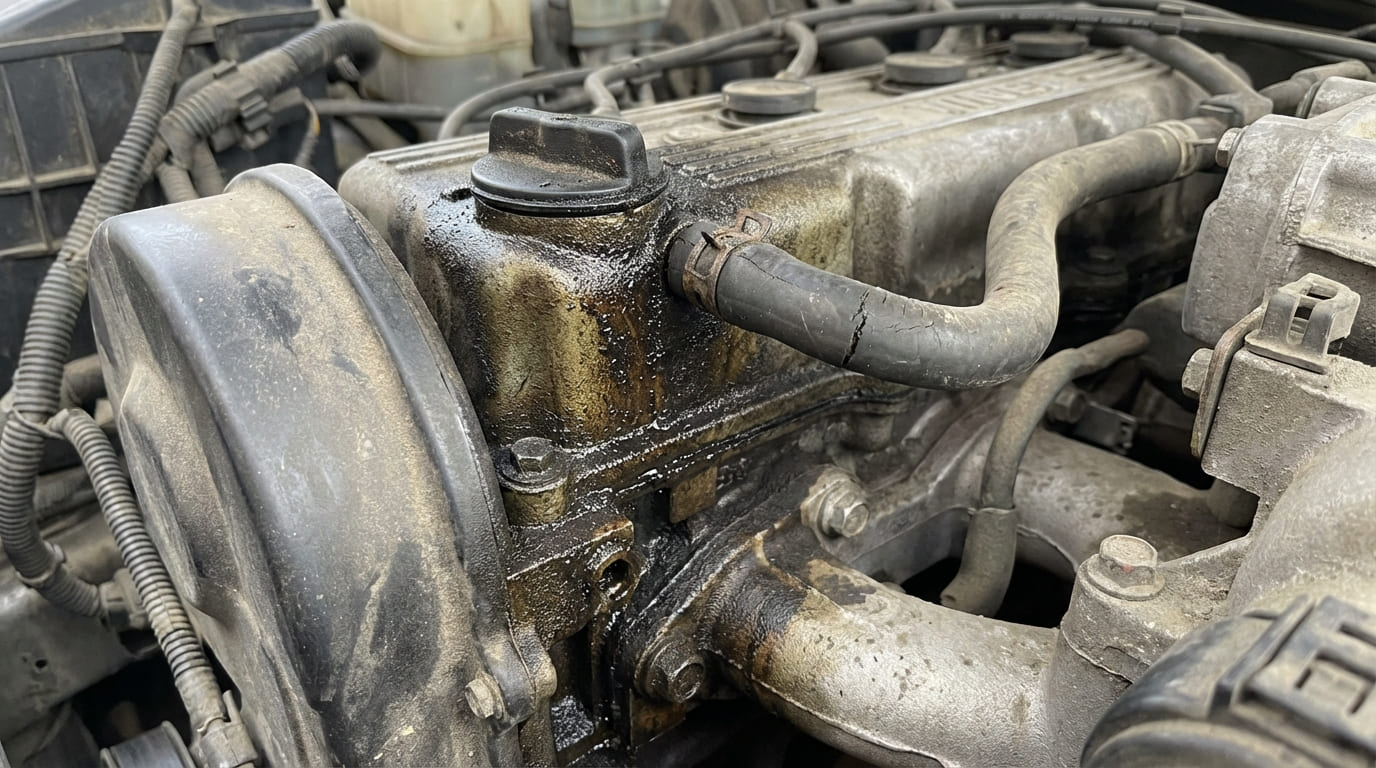
When the PCV valve becomes clogged—typically from sludge due to infrequent oil changes—blow-by gases can’t escape the crankcase. This leads to pressure buildup, which forces oil past seals and gaskets. The result? Leaks, contamination, and long-term engine wear.
Key Symptoms of a Clogged PCV Valve
- Oil leaks from valve cover, oil pan, or rear main seal—often misdiagnosed as gasket failure.
- Puffing or hissing from the oil filler cap or dipstick tube.
- Dipstick popping out during driving—especially on highways.
- Blue-tinted exhaust smoke from oil being burned in the combustion chamber.
- Check Engine Light with lean codes (P0171/P0174) or EVAP codes (P0440, P0446) if the system shares plumbing.
- Reduced oil life due to moisture, fuel dilution, and acid buildup.
How to Diagnose a Clogged PCV Valve
Before replacing parts, verify the issue with these proven field tests:
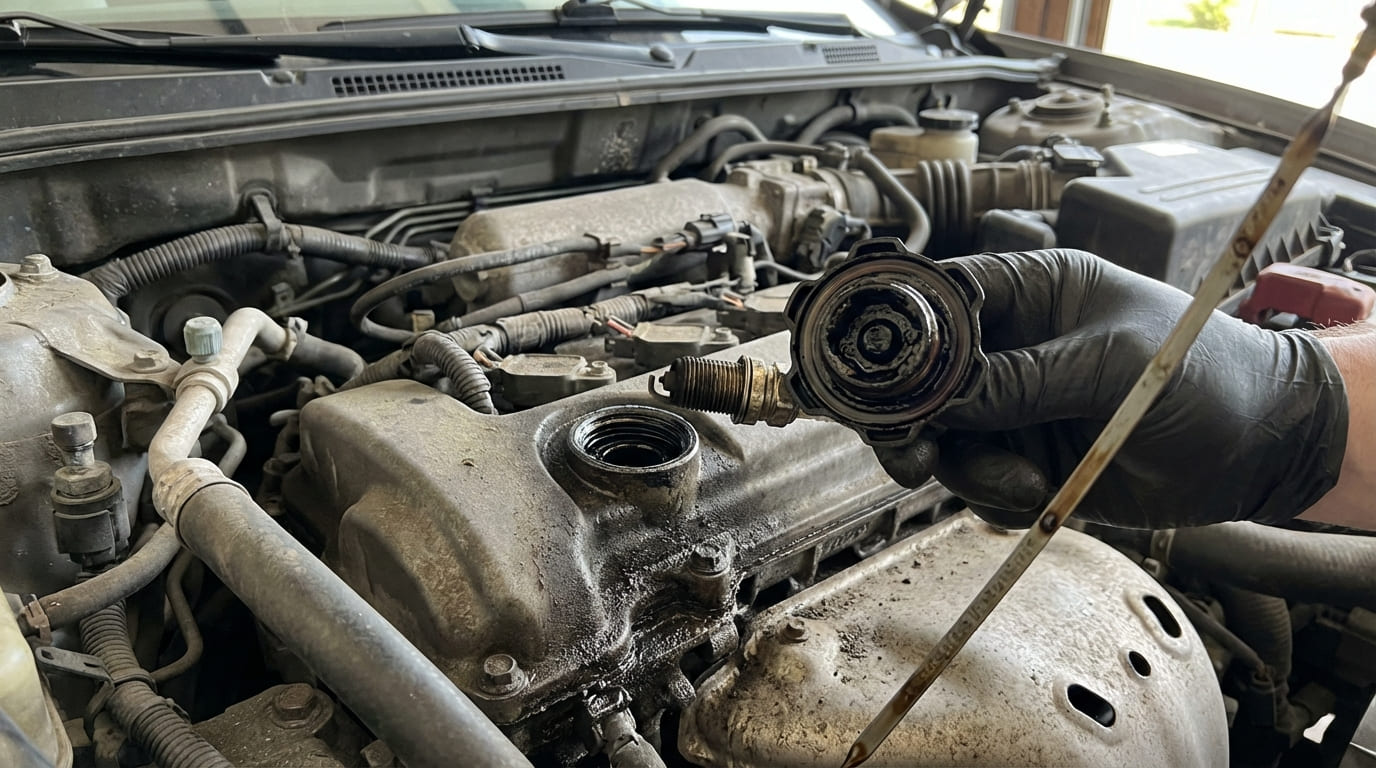
1. Oil filler cap test (engine running): Remove the cap at idle. If you feel strong pressure pushing it out or hear puffing, the crankcase is over-pressurized—clear sign of a blocked PCV system.
2. Listen at the PCV valve: Remove the valve from the valve cover (hose still attached). With the engine idling, you should hear a distinct vacuum hiss. No sound? The valve is likely clogged. Shake it—ball-type valves should rattle. No rattle means it’s seized.
3. Manometer test (for precision): Connect a manometer to the dipstick tube. At idle, crankcase pressure should be near neutral or slight vacuum. Over +0.5 inches of water pressure indicates over-pressurization. Aluminum engines often tolerate less—consult factory specs when possible.
In my shop, we always check crankcase pressure on high-mileage vehicles with oil leaks—even if the PCV valve looks clean. I’ve seen brand-new-looking valves completely blocked internally by varnish.
What Happens When the PCV Valve Is Stuck Open
Less common but just as problematic, a stuck-open PCV valve acts like a vacuum leak. It pulls unmetered air into the intake, bypassing the MAF sensor, which causes lean operation and rough running.
Symptoms of a Stuck-Open PCV Valve
- Rough idle or stalling, especially when cold.
- Hesitation or misfires under light throttle.
- High fuel trims (STFT/LTFT consistently +15% or more).
- Blue smoke on startup or decel from oil being sucked into the intake.
- Strong vacuum at the oil filler cap—so strong it can collapse a plastic bag.
- Increased oil consumption without external leaks.
How to Diagnose a Stuck-Open PCV Valve
1. Oil filler cap test: Remove the cap at idle. If the engine stumbles or RPM drops, excess vacuum is being relieved—indicating a stuck-open valve.
2. Pinch test: Clamp the PCV hose while the engine is idling. If the idle smooths out or misfires stop, the PCV valve is allowing too much airflow.
3. Scan tool check: Monitor short- and long-term fuel trims. Consistently high positive trims suggest unmetered air—common with stuck-open PCV valves, vacuum leaks, or dirty MAF sensors.
I once diagnosed a Subaru WRX with P0171 codes and rough idle. The owner had replaced the MAF and intake gaskets—no fix. Pinching the PCV hose instantly smoothed the idle. The valve was cheap aftermarket and failed open. Always test the PCV before chasing other sensors.
Secondary Damage from PCV System Failure
A faulty PCV valve doesn’t just cause immediate symptoms—it leads to long-term damage:
- Seal and gasket failure: Once oil seals are compromised by pressure or vacuum, they won’t reseal. Replacing the PCV valve won’t stop existing leaks.
- Oil contamination: Moisture and acids build up, accelerating sludge formation—even with synthetic oil.
- Aerated oil: Churning from pressure can foam the oil, reducing lubrication and increasing wear.
- Carbon buildup: On direct-injection engines, oil vapors from a clogged PCV contribute heavily to intake valve deposits.
- Catalytic converter damage: Prolonged oil burning can coat the catalyst, leading to overheating and failure.
A 2012 F-150 came in with rear main seal leaks and blue smoke. The owner had replaced the valve cover gasket twice. I checked crankcase pressure—strong puffing. The PCV valve was clogged with varnish, and the hose was collapsed internally. Lesson: Always check the PCV before replacing seals.
How to Test and Replace the PCV Valve
Replacement is usually simple, but proper testing and part selection matter.
Functional Test of the PCV Valve
- Remove the valve with the engine off.
- Shake it—ball-type valves should rattle. No rattle? Likely stuck.
- Blow through the crankcase side (larger end). Air should flow freely.
- Blow through the intake side. You should feel strong resistance. If air passes easily, the valve is stuck open.
Replacement Best Practices
- Use OEM-spec valves: Aftermarket units often have incorrect spring tension, leading to idle or pressure issues.
- Replace the hose: Cracked, softened, or internally sludged hoses restrict flow. Some have built-in check valves—don’t assume they’re all simple tubes.
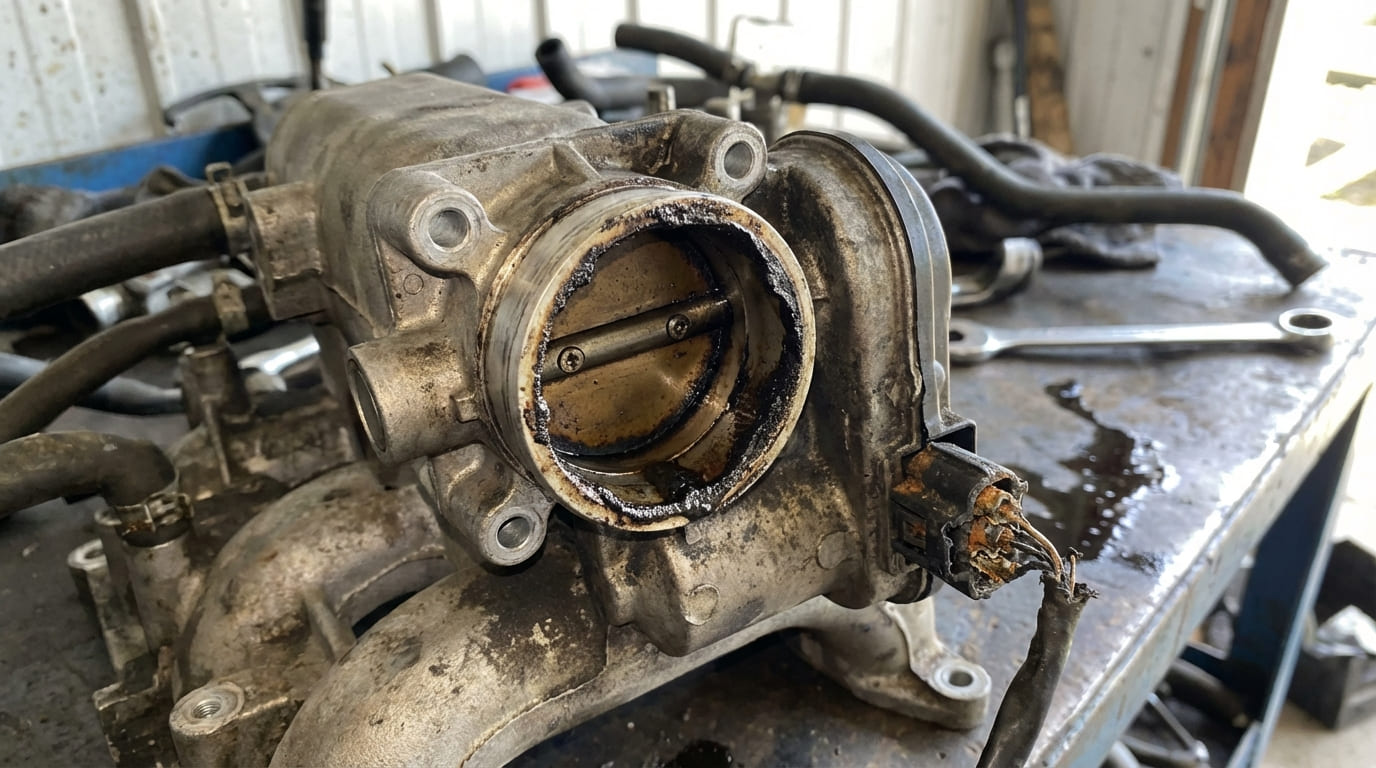
- Clean the valve port: Use a small brush and solvent to remove sludge from the valve cover or intake port. This prevents rapid re-clogging.
- Inspect the breather system: Air enters the crankcase through a breather hose (often from the airbox). If it’s blocked, the PCV can’t function—even with a new valve.
- Clear codes and retest: After replacement, clear DTCs and recheck fuel trims and crankcase pressure.
A BMW 335i came in with high oil consumption and fouled plugs. No leaks. The PCV valve rattled, so it was assumed good. But a manometer showed excessive vacuum. The issue? A split in the crankcase breather hose. Moral: The PCV system includes more than just the valve. Test the whole circuit.
Cost and Repair vs Replace
PCV valves typically cost $15–$50. Labor is minimal—most are accessible and take 10–30 minutes to replace. Cleaning with carb cleaner is a temporary fix at best; internal springs and diaphragms degrade over time. Replacement is always recommended over cleaning.
If oil leaks persist after PCV replacement, the seals are likely already damaged. Repair costs vary:
| Component | Replacement Cost (Labor + Parts) | Notes |
|---|---|---|
| PCV Valve | $30–$100 | DIY-friendly; OEM part recommended |
| Valve Cover Gasket | $150–$300 | Common leak point; replace with PCV if oily |
| Rear Main Seal | $600–$1,200 | Major labor; verify PCV first to avoid repeat failure |
| Catalytic Converter | $1,000–$2,500 | Can be damaged by prolonged oil burning from PCV issues |
Do’s and Don’ts
- ✅ Do replace the PCV valve at major service intervals—especially on turbocharged or high-mileage engines.
- ✅ Do inspect the entire breather system, not just the valve.
- ✅ Do clean the valve port and replace the hose during service.
- ⚠️ Don’t use compressed air to clean a PCV valve—it can damage internal components.
- ⚠️ Don’t assume a new valve fixes oil leaks—existing seal damage may require additional work.
- ⚠️ Don’t swap PCV valves between models without verifying flow specs—some engines require precise calibration.
Failure Mode Comparison Table
| Symptom / Test | Stuck Closed (Clogged) | Stuck Open | Notes |
|---|---|---|---|
| Oil filler cap removal at idle | Pressure puffing out | Strong vacuum, engine stumbles | Most reliable initial test |
| PCV hose vacuum at idle | Weak or no suction | Strong, constant vacuum | Use with caution—don’t disconnect under load |
| Fuel trims (STFT/LTFT) | Normal or slightly rich | Consistently high positive (+15% or more) | Indicates unmetered air |
| Oil leaks | Common | Rare (unless oil is pulled into intake) | Leak location helps differentiate |
| Intake deposits | Worse on direct-injection engines | Common due to oil vapor draw | Different mechanisms, same outcome |
In my experience, PCV issues are rarely isolated. They’re often signs of poor maintenance or early engine wear. Fixing the valve is easy—the real skill is recognizing the root cause and preventing repeat failures.