Hard cold starting in diesel engines is a common frustration, especially when winter hits. As a senior automotive editor and master mechanic, I’ve seen countless owners replace expensive parts without fixing the real issue. The key is systematic diagnosis—focusing on the most likely culprits first. This guide walks you through proven diagnostic steps, cost-effective fixes, and expert insights to get your diesel firing reliably in cold weather.
Glow Plug System: The First Place to Check
The glow plug system is critical for cold starts. It preheats the combustion chamber to ensure ignition when cylinder temperatures are low. Don’t jump to replacing all glow plugs—test the entire circuit first.
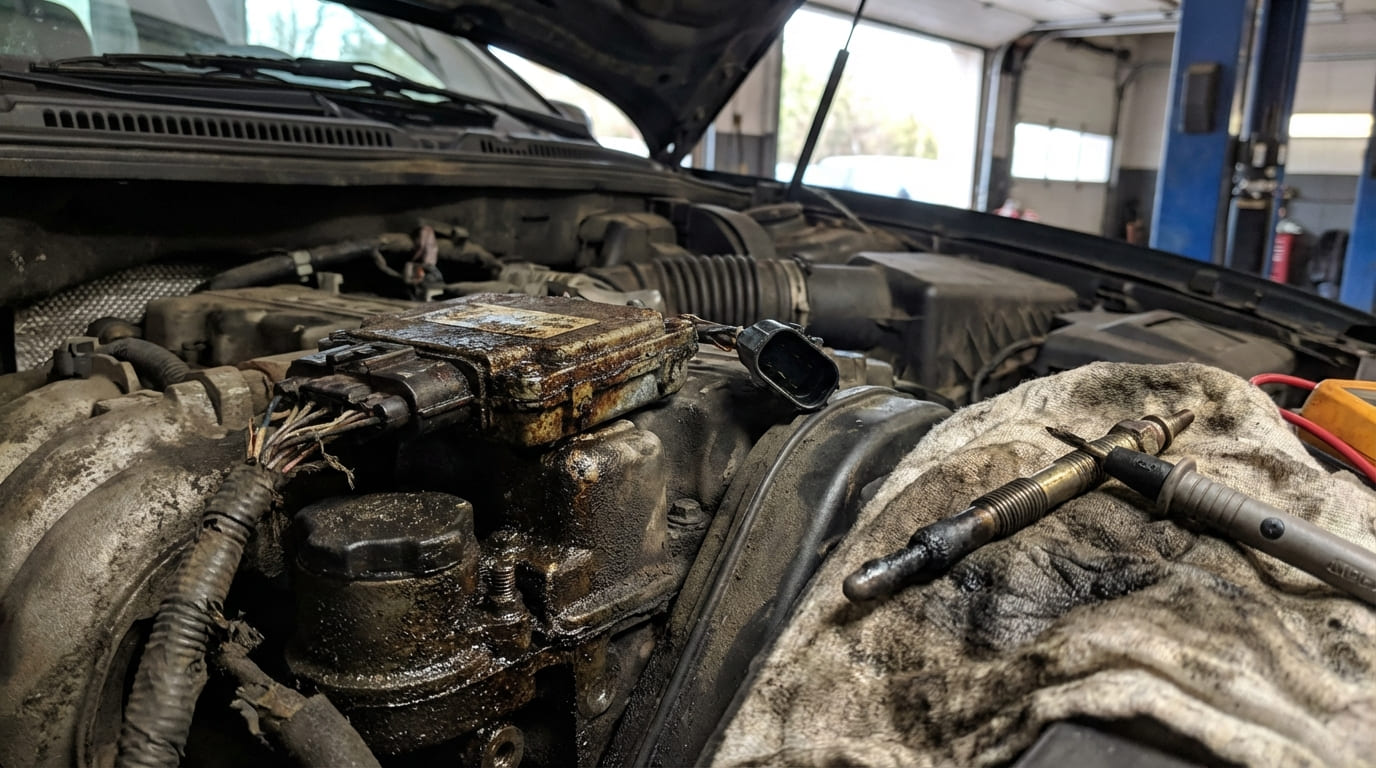
How to Check: Begin with a scan tool to pull codes like P0670 (glow plug control module) or cylinder-specific faults. Then verify power delivery during pre-heat using a multimeter at the glow plug harness connector. You should see battery voltage (12.6V–14.0V) for 10–20 seconds after key-on. If voltage is low, the issue may be the relay or control module, not the plugs.
Next, test individual glow plug resistance. Disconnect each plug and measure between the terminal and engine block. Most manufacturers specify 0.5–2.0 ohms. But resistance alone can be misleading—use a clamp meter to check current draw during pre-heat. Healthy plugs typically pull 10–14 amps. If one draws significantly less, it’s failing internally.
In my shop, we always test current draw under load. A plug can show perfect resistance but fail to heat due to internal breakage. That’s why we never rely on ohms alone.
Cost & Viability: Glow plugs cost $15–$40 each. Labor adds $100–$250 depending on engine design. Replacing them preventively every 100,000 miles is wise on high-mileage engines. Use OEM-spec plugs—aftermarket units may have different resistance curves that confuse the control module.
Fuel System: Starvation Kills Cold Starts
Diesel engines need clean, unrestricted fuel flow and proper pressure to start. Cold weather worsens existing fuel system weaknesses, especially if air, gelling, or contamination is present.
Low and High Pressure Fuel Issues
How to Check: Start with low-side fuel pressure. Install a gauge at the filter outlet and crank the engine. Most systems require 5–10 psi minimum. Low pressure points to a clogged filter, weak lift pump, or suction-side leak.
For high-pressure side, use a scan tool to monitor desired vs. actual rail pressure during cranking. On healthy systems, actual should be within 10% of desired. If it’s low, don’t assume the high-pressure fuel pump (HPFP) is bad—first confirm the low-pressure side is delivering properly. A collapsed pickup tube or clogged sock filter in the tank can starve the HPFP.
Cost & Viability: Lift pumps cost $80–$200. HPFPs run $600–$1,500 with installation. Replacing an HPFP without verifying low-pressure supply is a common and costly mistake.
Fuel Injectors and Air in the System
Excessive injector return flow reduces fuel available for combustion. While full return flow testing requires shop equipment, you can observe return lines during cranking—if one is visibly pulsing more than others, that injector may be leaking.
Air intrusion is often overlooked. Tiny suction-side leaks—cracked lines, loose filter housing, or degraded O-rings—can pull air instead of fuel. Perform a pressure decay test: pressurize the fuel system and monitor for drop. No visible bubbles? The leak may only occur under vacuum.
One of my toughest cases involved a hairline crack in a plastic fuel connector. It only leaked when cold and under suction. We found it by wrapping sections in plastic and monitoring pressure—when one section held, we knew where to look.
Cost & Viability: Injector seals and O-rings cost under $20. Replacing injectors runs $300–$600 each. Rule out air leaks and fuel quality before condemning injectors.
Fuel Quality and Gelling
Winter-grade diesel includes cold-flow improvers. Off-road or summer diesel can gel below 15°F, blocking filters. If the engine won’t crank or fuel looks waxy, suspect gelling.
How to Check: Remove the primary fuel filter. Look for sludge or a gel-like substance. If present, drain the tank and flush the system. Add anti-gel additives at every fill during winter.
Cost & Viability: A fuel system flush costs $150–$300. Anti-gel is $10–$20 per bottle and should be used preventively.
Compression: The Foundation of Ignition
Diesel engines rely on compression to generate ignition heat. If compression is low, no amount of glow plug heat or fuel will start the engine—especially when cold.
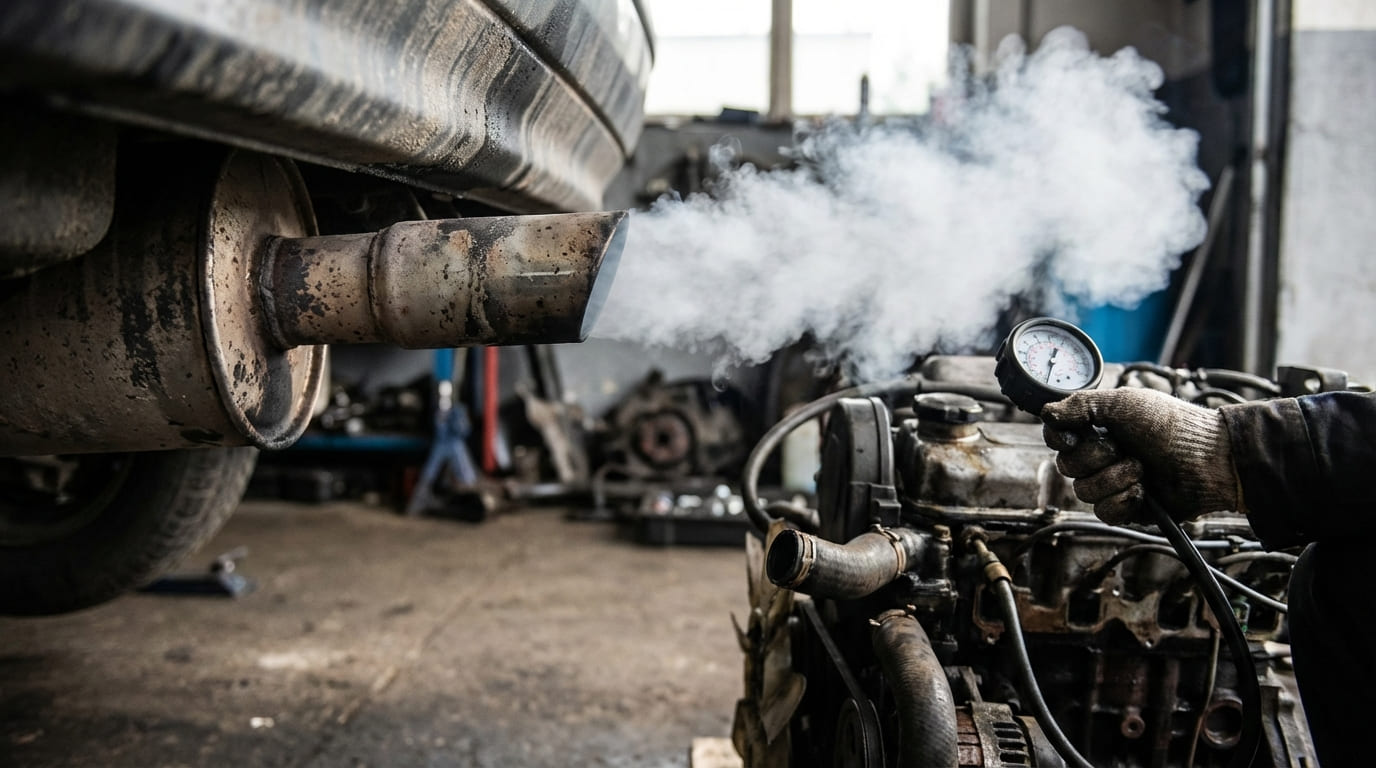
How to Check: Perform a compression test. Most diesel engines should read 350–450 psi with no more than 10% variation between cylinders. Low readings across all cylinders suggest worn rings or cylinder walls.
Follow up with a leak-down test. It reveals where compression is escaping:
- Air from oil fill cap → past piston rings
- Air from intake → intake valve leak
- Air from exhaust → exhaust valve or seat issue
Master Tip: Compression can improve when the engine is warm due to expanded metal sealing gaps. If the engine starts fine warm but struggles cold, compression issues are likely.
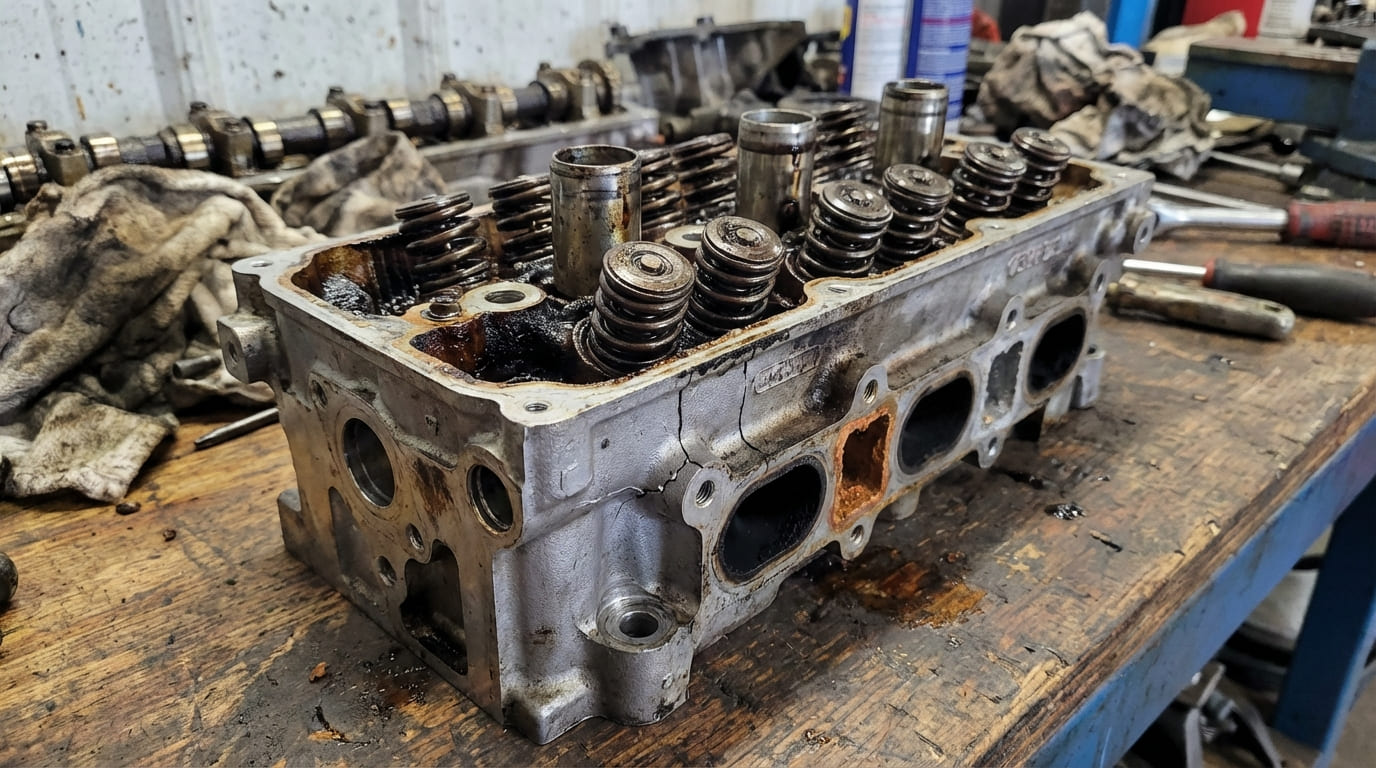
I once diagnosed a 30% leak-down on cylinder 3 caused by a slightly bent exhaust valve. It wasn’t visible on a borescope, but the cold-start failure was consistent. Fixed the valve, solved the hard start.
Cost & Viability: Compression repairs (rings, valves, head work) often exceed $2,000. If compression is low and the engine has high mileage, consider long-term reliability vs. repair cost.
Electrical System: Voltage is Everything
Slow cranking kills cold starts. Most diesels need at least 150 RPM to generate enough compression heat. If the engine turns too slowly, it won’t start—regardless of glow plugs or fuel.
How to Check: Test battery voltage during cranking. It must stay above 9.6V. Below that, the starter can’t deliver full power. Use a load tester—many batteries read fine at rest but collapse under load.
For dual-battery systems, test each battery separately. One weak battery can drag down the entire system. Also perform a voltage drop test:
- Positive side: Place leads on battery positive and starter terminal while cranking. Drop should be under 0.5V.
- Ground side: Test from battery negative to engine block. Drop should be under 0.2V.
Excessive drop means corrosion or loose connections are robbing power.
In my shop, we’ve solved more cold-crank issues with a $20 cable and a wire brush than with $1,000 parts. Clean, tight connections are non-negotiable.
Engine Sensors: The ECU’s Cold-Start Brain
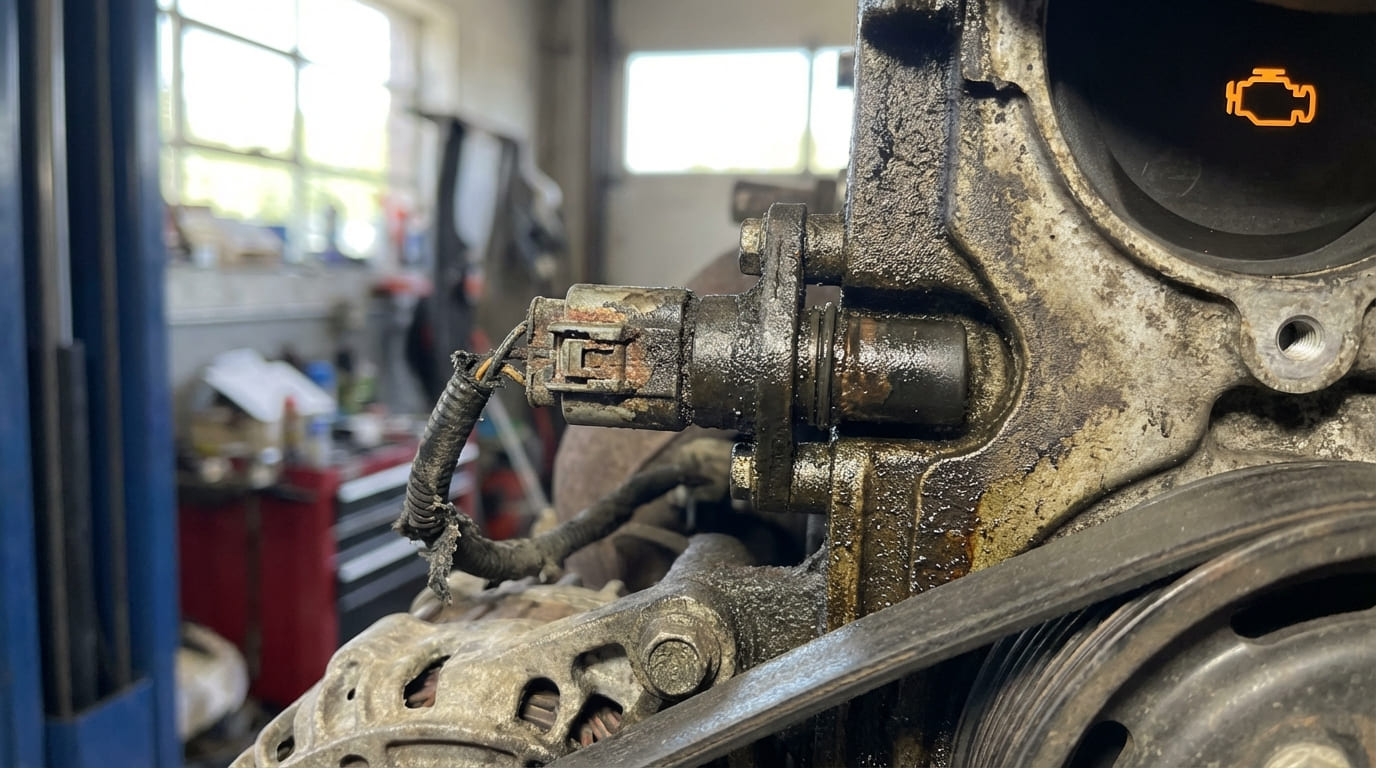
The ECU relies on sensor data to adjust fueling, timing, and glow plug duration. A faulty sensor can make the engine think it’s warm when it’s not.
Coolant Temperature Sensor (CTS)
How to Check: Compare scan tool coolant temp reading to actual ambient or engine block temp using an infrared thermometer. If the ECU reads 140°F overnight, the sensor is faulty. Also check resistance—it should follow the manufacturer’s curve (usually drops as temp rises).
A 2012 Ram 2500 came in with hard cold starts. Owner replaced glow plugs and relay. Scan data showed normal pressure and current—but CTS read 140°F in 20°F weather. Replaced sensor, problem gone. Bad data fools the system every time.
Cost & Viability: CTS sensors cost $20–$50 and take 30 minutes to replace. Always check this before deeper repairs.
Best Practices and Diagnostic Priorities
Diagnose in order of likelihood and accessibility. Start with electrical, then glow plugs, fuel pressure, sensors, and finally compression. Avoid replacing multiple parts at once—it’s expensive and teaches nothing.
| Condition | Typical Likelihood | Key Diagnostic Test | Notes |
|---|---|---|---|
| Glow Plug Failure (Single or Multiple) | High | Resistance and current draw test | Most common in older engines; test under load |
| Weak Battery / Poor Connections | High | Voltage drop under load | Test each battery in dual setups |
| Faulty Coolant Temperature Sensor | Moderate | Scan tool vs. actual temperature | Can mimic fuel or glow plug issues |
| Low Fuel Pressure (Suction Leak) | Moderate | Pressure test and visual inspection | Leaks often only occur under vacuum |
| HPFP Failure | Low to Moderate | Rail pressure scan data | Rule out low-side issues first |
| Low Compression (Rings/Valves) | Low | Compression and leak-down test | More common in high-mileage engines |
- ✅ Recommended: Clean glow plug threads with a tap before installation. Prevents thread damage and false torque readings.
- ✅ Recommended: Perform voltage drop tests on both battery cables under load. It’s the most accurate way to find hidden resistance.
- ✅ Recommended: Use OEM-spec glow plugs. Aftermarket units can alter control module timing.
- ⚠️ Avoid: Replacing multiple components without testing. It’s costly and doesn’t build diagnostic skill.
- ⚠️ Avoid: Assuming fuel gelling without checking the filter and additives first.
- ⚠️ Avoid: Skipping the leak-down test when compression is low. It tells you where the loss is occurring.
The fastest way to misdiagnose a cold-start issue is to focus on one system while ignoring the rest. Electricity, fuel, compression, and sensors must all work together. Start with simple tests—battery voltage, glow plug current, scan data—before tearing into the engine. The engine will tell you what’s wrong—if you use the right tools and listen carefully.