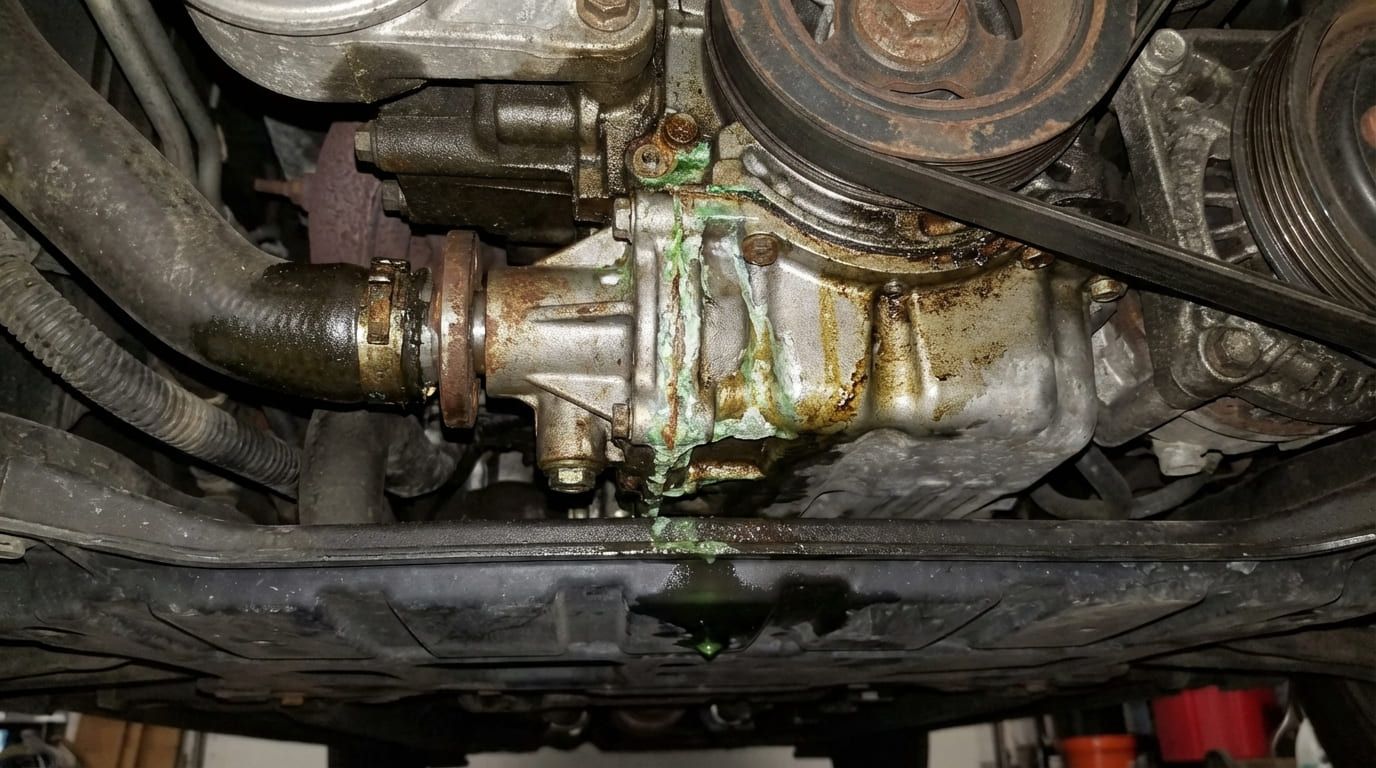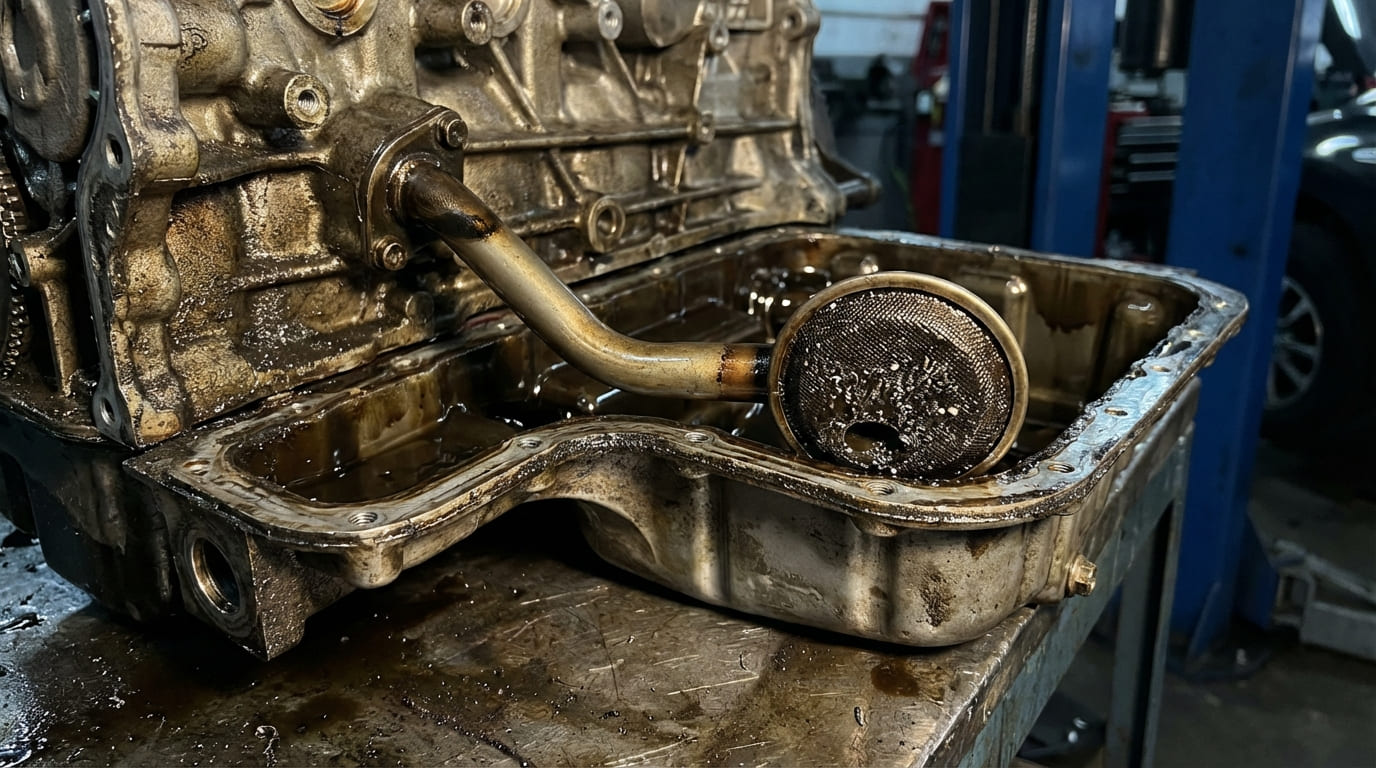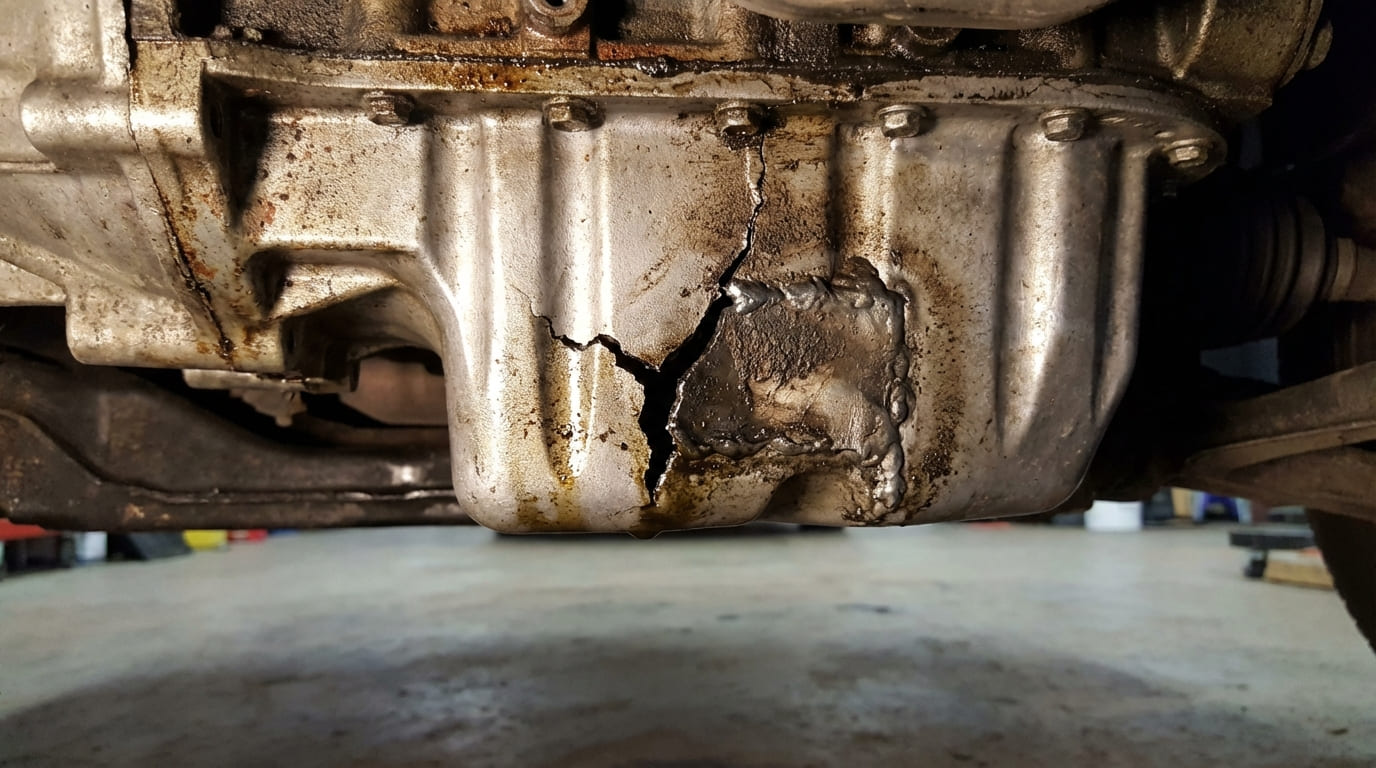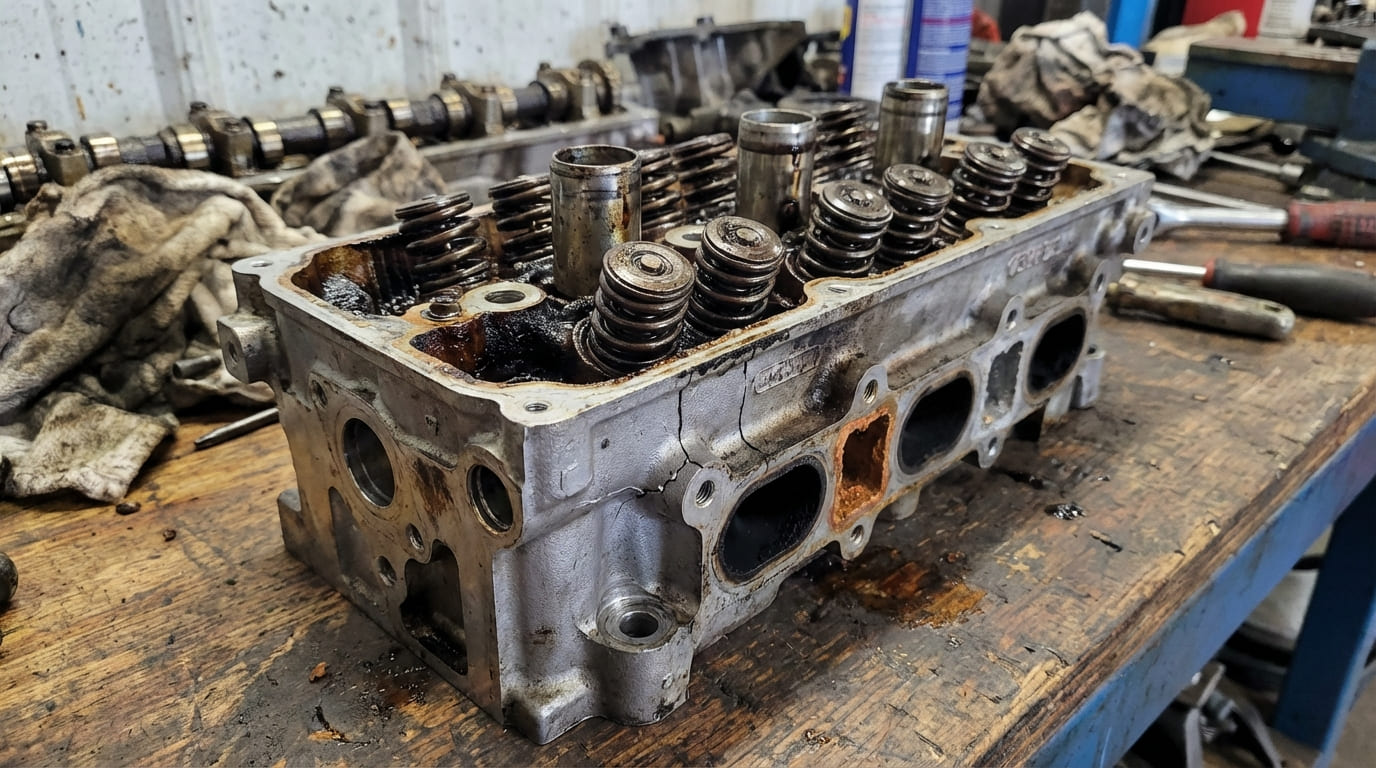
In my two decades as a shop foreman, I’ve seen cylinder heads come off engines for everything from coolant leaks to poor performance—and sometimes for no obvious reason at all. More often than not, the real issue isn’t just the head itself, but how it interacts with the rest of the engine. Let’s break it down: what the cylinder head does, how it fails, and what you need to know to diagnose and fix problems correctly.
What Is a Cylinder Head?
The cylinder head is the sealed casting mounted on top of the engine block. It’s bolted down with a head gasket and secured with precisely torqued head bolts. This assembly forms the top of the combustion chamber and houses critical components like valves, spark plugs, and fuel injectors. It also contains internal passages for coolant and oil, making it a central hub for engine operation.
Its primary job is to seal the combustion process while managing airflow, ignition, cooling, and lubrication. If the head fails—even slightly—engine performance, efficiency, and reliability suffer.
Core Functions of the Cylinder Head
The cylinder head isn’t passive. It actively manages multiple systems under extreme conditions. Here’s what it handles and how to verify each function during diagnosis.
Combustion Chamber and Compression
The head forms the top of the combustion chamber, working with the piston at top dead center (TDC). This sealed space must withstand combustion pressures over 1,000 psi. Any leak here means lost power and potential damage.
How to Check: Perform a leak-down test. If more than 10% leakage is detected, remove the head and inspect for warping, carbon buildup, or cracked chambers. Always follow up with a compression test to identify weak cylinders.
In my shop, we never skip the leak-down test when diagnosing misfires or coolant loss. A compression test shows symptoms; leak-down tells you where the problem is—valves, rings, or head sealing.
Intake and Exhaust Flow
The head contains intake and exhaust ports that control the flow of air and exhaust gases. Port shape and valve timing affect engine breathing. Restrictions or carbon buildup here reduce power and efficiency.
How to Check: Remove the intake and exhaust manifolds. Visually inspect ports for carbon deposits or damage. On high-mileage engines, consider flow testing if performance is down after other fixes.
Valve Train Operation
The head supports the camshaft(s), valve guides, seats, springs, and retainers. In OHC engines, the cam runs directly in the head. In pushrod engines, rocker arms pivot here. Wear in any of these parts leads to noise, poor sealing, or failure.
How to Check: Listen for ticking or tapping noises. Check valve lash if adjustable. For hydraulic lifters, test for collapsed lifters by rotating the pushrod while torquing the rocker. Excessive rotation indicates lifter or oil pressure issues.
Ignition and Fuel Delivery
Spark plugs thread into the head, positioned for optimal flame travel. In direct-injection engines, fuel injectors also mount here. Poor seating or cracks around these bores can cause misfires or leaks.
How to Check: Inspect spark plug threads for damage. Use a thread chaser, not a tap, to clean them. For injectors, check for fuel leaks at the base and ensure O-rings are replaced during service.
Coolant and Oil Circulation
Coolant passages in the head regulate temperature. Oil galleries feed the valve train. Blockages or leaks in either system lead to overheating or component failure.
How to Check: Pressure test the cooling system. For oil, check for pooling in the valve cover or low oil pressure that correlates with valve train noise. If the head has been overheated, inspect coolant passages for scale or cracking.
Aluminum heads conduct heat better but warp easier. Any sign of overheating? Pull the head and check flatness before assuming the gasket is the only problem.
Key Components and What Fails
The cylinder head is a precision assembly. Here’s what’s inside and what to watch for:
- Valve Guides: Wear allows oil into the combustion chamber. Blue smoke on startup is a telltale sign.
- Valve Seats: Can recede or crack, especially in older engines. Causes hard starting and loss of compression.
- Valve Springs: Break or lose tension over time. Can cause valve float at high RPM.
- Camshafts: In OHC engines, check for scoring or wear. Always replace cam seals during reassembly.
- Rocker Arms: Pivot points wear. Inspect for cracks or excessive play.
- Coolant Passages: Corrosion or casting defects can lead to internal leaks.
- Oil Galleries: Clogs or restricted drain-back cause oil burning and high crankcase pressure.
Materials: Cast Iron vs. Aluminum
Cast iron heads are durable and resist warping but are heavier and retain heat. Common in older V8s and diesel engines. Aluminum heads are lighter and cool faster but are prone to warping and cracking if overheated.
Cost & Viability: Replacing a cast iron head? Expect $300–$600 for a remanufactured unit. Aluminum heads run $400–$800. Labor is the big cost—8–12 hours typically. If the engine has overheated, resurfacing may not be enough. Sometimes replacement is cheaper than repair.
I’ve seen shops resurface a warped aluminum head, reinstall it, and have the same leak return in 3,000 miles. If the head was overheated, assume it’s compromised unless proven otherwise.
Common Configurations
OHV (pushrod) engines use rocker arms and pushrods. SOHC and DOHC designs place the camshaft(s) in the head. DOHC allows four or more valves per cylinder, improving airflow.
Repair Tip: DOHC engines often have tighter clearances. When reinstalling the head, ensure the cam timing is dead-on. One tooth off can bend valves. Use factory tools or alignment pins—don’t guess.
Head Gasket and Block Interface
The head gasket seals combustion, coolant, and oil. Dowel pins align the head. Torque-to-yield (TTY) bolts stretch during tightening and should never be reused.
How to Check: Inspect the block’s deck surface for scratches or corrosion. Clean head bolt holes thoroughly—use a bottoming tap to ensure accurate torque. Even a small amount of debris can cause a false torque reading and lead to head lift.
Changing the head gasket? Always replace TTY bolts. Reusing them is a gamble—uneven clamping leads to leaks or warping. Cost is minimal ($20–$50), but the consequence of failure is major.
Common Failures and How to Diagnose Them
Symptoms often overlap. Use this table to narrow down the cause before tearing into the engine.
| Symptom | Possible Causes | Diagnostic Steps | Repair vs Replace |
|---|---|---|---|
| White Smoke + Coolant Loss | Head gasket leak, cracked head, intake manifold leak (aluminum V6/V8) | Pressure test cooling system; check for hydrocarbons in coolant; inspect intake gaskets | Replace gasket first. If problem persists, pressure test head. Cracked head? Replace. |
| Loss of Compression | Warped head, cracked head, failed gasket, valve seat damage | Leak-down test; check head flatness with straight edge and feeler gauge | Warped within spec? Resurface. Cracked or severely warped? Replace. |
| Oil in Coolant (“Mayonnaise”) | Failed gasket, cracked head, internal passage breach | Inspect oil cooler (if equipped); pressure test head | Most common: gasket. If replaced and issue returns, suspect cracked head. |
| Engine Overheating | Warped head, clogged coolant passages, air pocket, thermostat | Bleed cooling system; verify flow; check head flatness if recurring | Don’t assume head is bad. Rule out thermostat, water pump, and air pockets first. |
Best Practices: Do This, Not That
- ✅ Always clean head bolt holes and threads. Use a bottoming tap and blow out debris. This ensures accurate torque and prevents bolt failure.
- ✅ Check head flatness in an “X” pattern. Measure diagonally, not just front-to-back and side-to-side. A head can be flat in two planes but warped on the bias.
- ✅ Replace the head gasket every time. Especially with TTY bolts. Reusing a gasket is false economy.
- ⚠️ Don’t skip the torque sequence. Most modern engines use multi-stage torque plus angle tightening. Follow the factory spec exactly.
- ⚠️ Don’t overuse RTV. Most modern gaskets are pre-sealed. RTV should only be used at specific corners per the manual. Too much can break off and clog oil passages.
- ⚠️ Don’t assume a visual inspection is enough. Cracks can be microscopic. If in doubt, have the head magnafluxed or dye penetrant tested.
Real-World Lessons from the Shop
Case 1: 2012 F-150 5.0L V8 with coolant loss and white smoke. Compression test showed one weak cylinder. Head pulled—no gasket damage. Flatness check showed it was within spec front-to-back and side-to-side, but diagonal measurement revealed 0.004″ warp. Resurfacing fixed it. Lesson: Always check diagonal flatness. The factory spec isn’t always enough.
Case 2: Honda Accord with oil in coolant. Two head gaskets replaced—problem returned. Head removed and pressure tested: hairline crack between oil and coolant passage. Crack only opened under heat. Lesson: When a gasket fix fails, test the head itself. Aluminum heads fatigue over time.
Case 3: GM 3.6L V6 losing coolant, no external leak. No smoke, no compression loss. Intake manifold gasket on rear bank was leaking coolant into the valley. Aluminum head had minor corrosion, but the real culprit was a known design flaw. Lesson: On V6/V8 aluminum engines, rule out intake manifold leaks before condemning the head.
Diagnosing cylinder head issues isn’t about guessing. It’s about testing systems methodically. Coolant in oil? Don’t assume head gasket. Compression loss? Could be valves, not warping. The head is central, but symptoms can mislead. Test, don’t guess.