The Check Engine Light (CEL) is one of the most misunderstood warnings on a vehicle’s dashboard. Whether it’s safe to drive depends almost entirely on whether the light is flashing or steady. As a master mechanic, I’ve seen drivers either panic unnecessarily or ignore serious issues—both reactions can be costly. Here’s how to respond correctly.
Flashing vs. Steady: What the Light Tells You
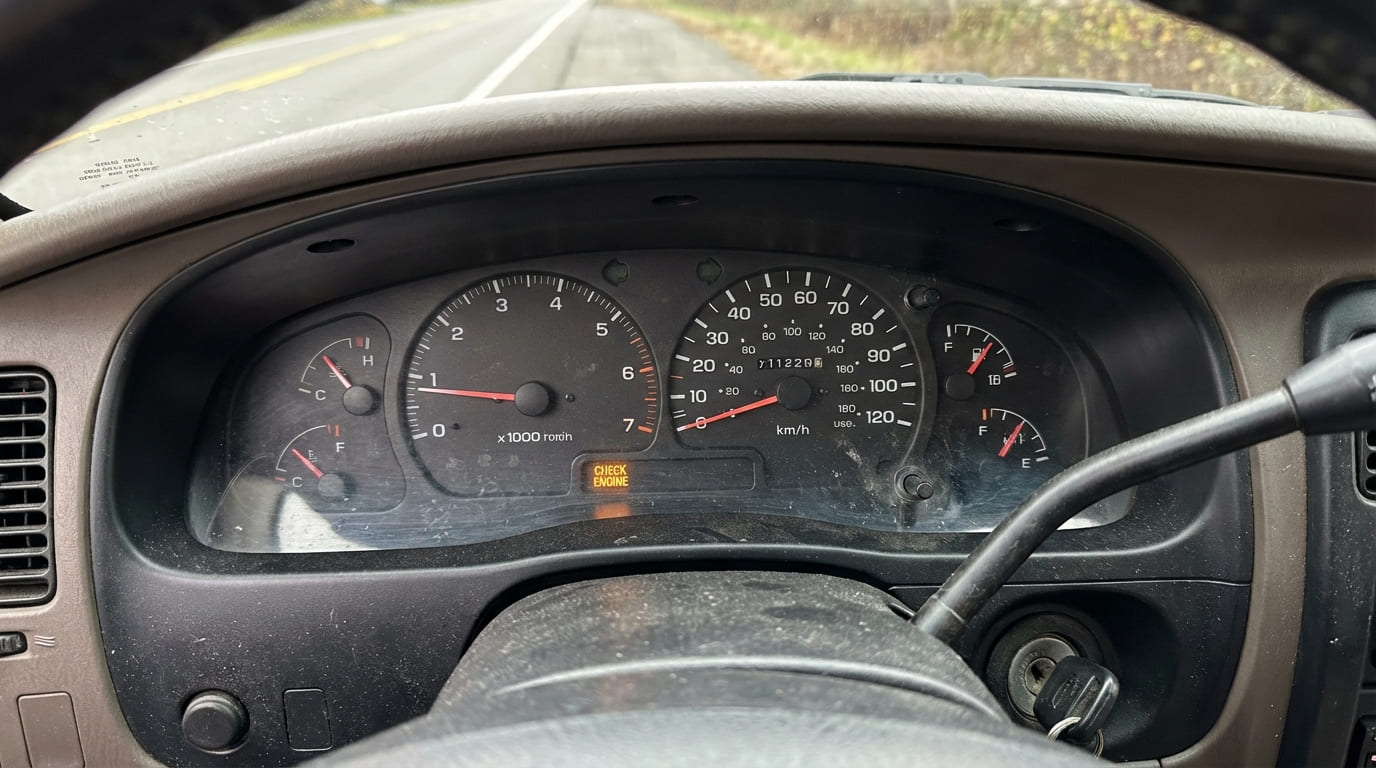
Flashing Check Engine Light: Stop Driving Immediately
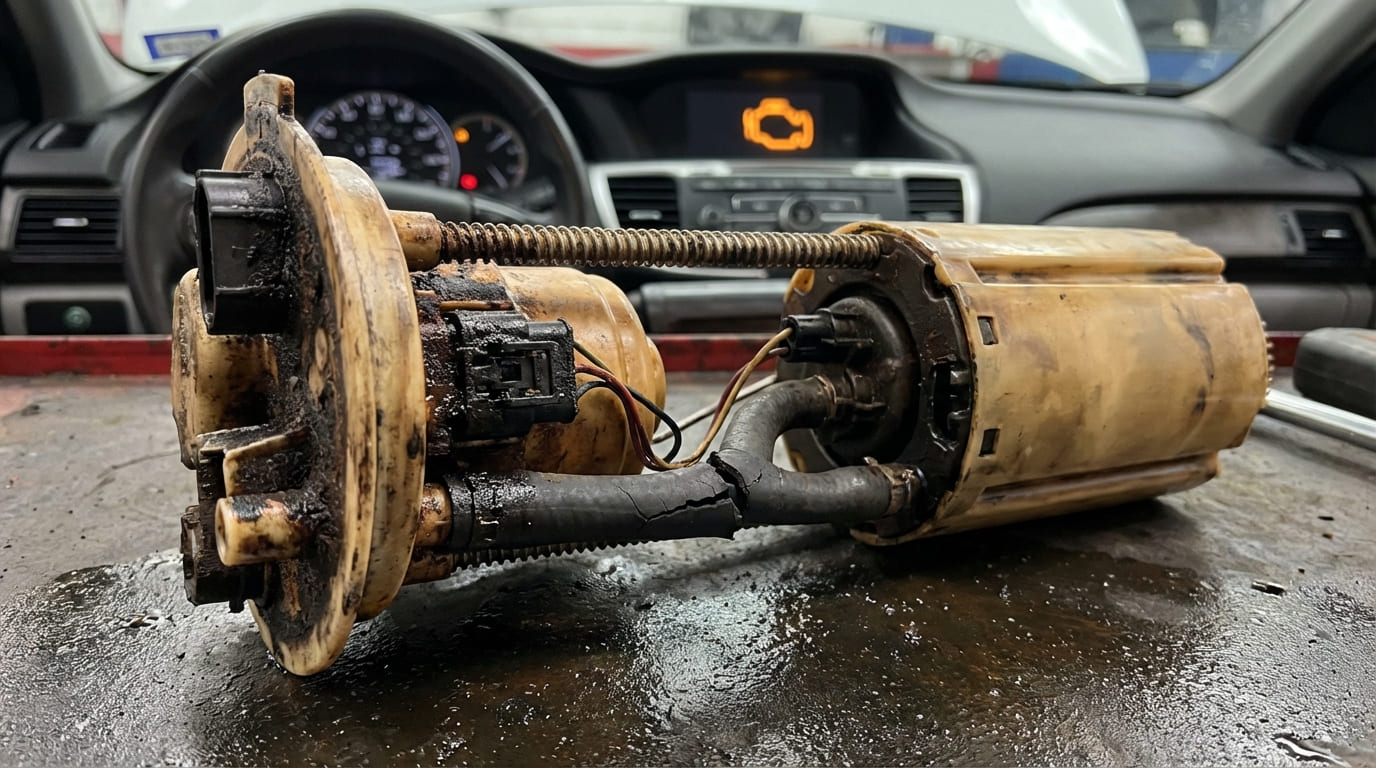
A flashing CEL indicates a severe engine misfire. Unburned fuel is entering the exhaust system and can overheat the catalytic converter in minutes. This isn’t hypothetical—thermal damage to cats from misfires is one of the most common expensive repairs I see.
How to check: If the light flashes during acceleration or under load, pull over safely and shut off the engine. Do not restart. Have the vehicle towed to a shop. Even if the light stops flashing, the damage may already be done.
In my shop, we always treat a flashing CEL like an engine fire—because if you keep driving, you might as well be pouring gasoline into a furnace. The risk to the catalytic converter is immediate and repair costs often exceed $1,000.
Steady Check Engine Light: Usually Safe to Drive—With Caution
A solid light means the Powertrain Control Module (PCM) has logged a fault, but engine operation isn’t critically compromised. Many vehicles can safely travel hundreds of miles with a steady CEL, depending on the code.
However, “safe to drive” doesn’t mean “safe to ignore.” Some faults, like a lean condition or persistent misfire, gradually damage components. Fuel economy may drop, and secondary failures become more likely over time.
How to check: Use an OBD2 scanner to pull the code before doing anything else. Don’t assume it’s a loose gas cap—verify. If no drivability issues (rough idle, hesitation, stalling), cautious driving to a repair shop is acceptable.
Diagnosing the Problem: What You Need to Do
Step 1: Retrieve the Diagnostic Trouble Code (DTC)
Every CEL event stores a DTC in the PCM. The Data Link Connector (DLC) is under the dash near the driver’s knees. Use an SAE J1979-compliant OBD2 scanner—basic models start at $30.
Pro tip: Don’t just read the code—review freeze frame data. It shows engine conditions (RPM, load, temperature) when the code set. A P0171 (System Too Lean) that only occurs at highway speeds points to a vacuum leak under load, not idle.
Step 2: Interpret the Code and Assess Risk
Not all codes are equal. The table below summarizes common DTCs, causes, and urgency based on real-world repair patterns.
| Part | Cost |
|---|---|
| P0420/P0430 | Low catalytic converter efficiency, O2 sensor drift, exhaust leak |
| P030x (misfire) | Ignition coil, spark plug, injector, or mechanical fault |
| P0171/P0174 | Vacuum leak, MAF contamination, low fuel pressure |
| P0440/P0455 | Fuel cap, EVAP line leak, purge valve fault |
| P013x–P016x | O2 sensor heater or signal circuit failure |
On direct-injection engines, always check for carbon buildup on intake valves before blaming MAF sensors. On older models, a dirty MAF is far more likely. Vehicle-specific history matters.
Step 3: Perform Basic Checks Before Replacing Parts
Many CELs stem from simple issues. Save time and money with these checks:
- Inspect the gas cap: Is it tight? Is the rubber seal cracked or missing?
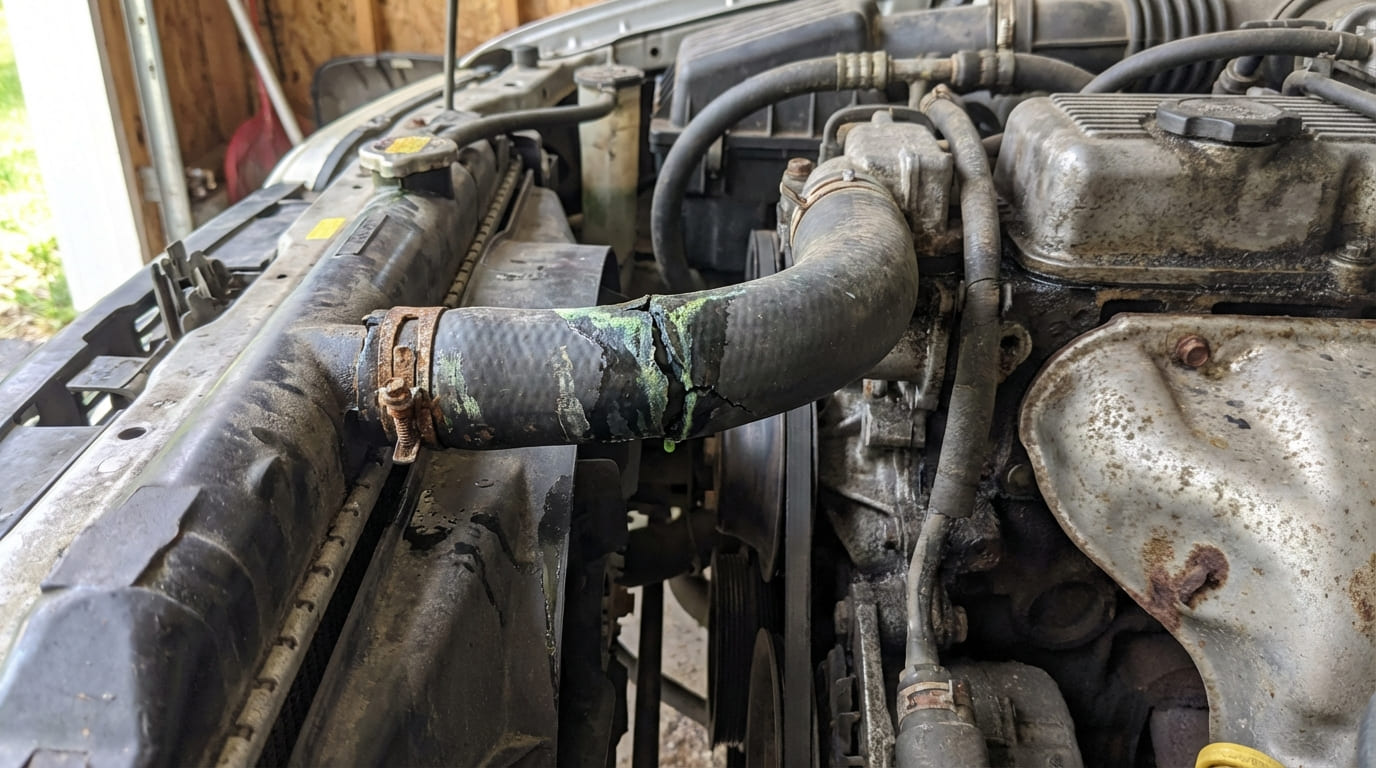
- Look under the hood: Any disconnected vacuum hoses? Damaged wiring near coils?
- Listen for hissing: A vacuum leak often makes noise at idle.
- Check for exhaust smell inside the cabin: Could indicate an exhaust leak near the manifold.
When to Repair vs. Replace: Cost and Viability
Repair decisions should balance cost, complexity, and long-term reliability.
| Issue | Typical Repair Cost | Repair vs. Replace Logic |
|---|---|---|
| Loose gas cap | $0–$25 | Tighten or replace—cheapest fix in auto repair. |
| Faulty O2 sensor | $200–$400 | Replace if response is slow or voltage flat. Always test before replacing. |
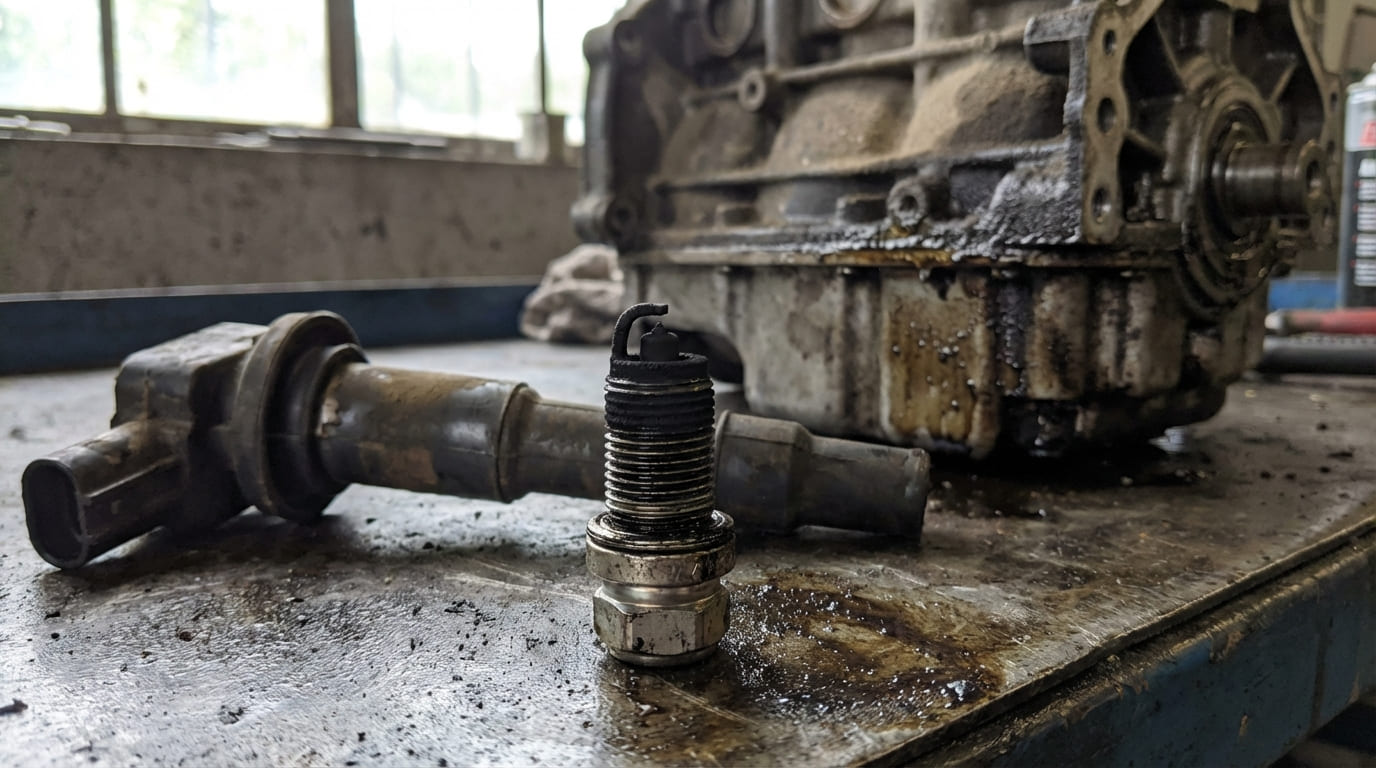
| Ignition coil (single cylinder) | $150–$300 | Replace if spark test fails. On high-mileage engines, replace all coils. |
| Catalytic converter | $900–$2,500 | Verify with efficiency test. Many “bad cats” are actually O2 sensor issues. |
| MAF sensor | $250–$400 | Clean first with MAF-safe cleaner. Replace only if signal is erratic. |
I’ve saved customers over $1,000 by testing O2 sensors before replacing cats. A scope check of upstream and downstream O2 response takes 10 minutes and prevents costly mistakes.
Common Mistakes to Avoid
- Replacing parts based solely on the DTC. A P0303 doesn’t mean the coil is bad—could be fuel, compression, or mechanical.
- Clearing codes before documenting freeze frame data. Once erased, you lose the context of the failure.
- Assuming a new part fixes the problem. If the CEL returns within 50 miles, the root cause wasn’t addressed.
- Ignoring fuel trims. Long-term trim over +15% means the engine is adding fuel to compensate—likely a vacuum leak or restriction.
Real-World Lessons from the Shop
A 2014 Honda Accord with P0171 had new MAF and air filter installed. CEL returned. Live data showed LTFT at +28% under load. Smoke test revealed a cracked intake manifold gasket—only leaking at cruise. Lesson: Test under load, not just idle.
A 2008 Ford F-150 with P0307 had a new coil and plug. Misfire returned. Compression test showed 85 psi vs. 155 psi in other cylinders. Burned exhaust valve. Lesson: Misfires can be mechanical. Always check compression on persistent single-cylinder misfires.
A 2016 Toyota Camry with P0420 was quoted a $1,200 cat replacement. Upstream O2 sensor was sluggish. Replaced sensor—code cleared. Cat passed efficiency test. Lesson: O2 sensor lag can trigger P0420. Test sensors first.
Final Advice: Clearing Codes and Verification
Clear codes only after repair. Use the scanner’s “Clear DTCs” function—don’t disconnect the battery. Battery disconnect wipes adaptive fuel trims and readiness monitors, which can cause driveability issues and emissions test failures.
After clearing, drive through a full drive cycle (cold start, idle, acceleration, cruise, deceleration). Recheck for codes and monitor readiness status. If the CEL returns quickly, the fault remains.
The best repairs are proven by stable live data and completed readiness monitors—not just a missing CEL. If fuel trims stay within ±10% and O2 sensors respond quickly, you’ve likely solved it.