In my two decades in the shop, few issues spark as much debate among DIYers as low oil pressure. I’ve seen customers drive for weeks with a warning light on, convinced it’s just a bad sensor—only to tow in with a seized short block. While some engines tolerate minor lubrication issues longer than others, a failing oil pump is one of those situations where caution should outweigh optimism. Below is how I approach this problem, not with absolutes, but with the nuance real-world experience demands.
Safety Assessment: Driving with Low Oil Pressure
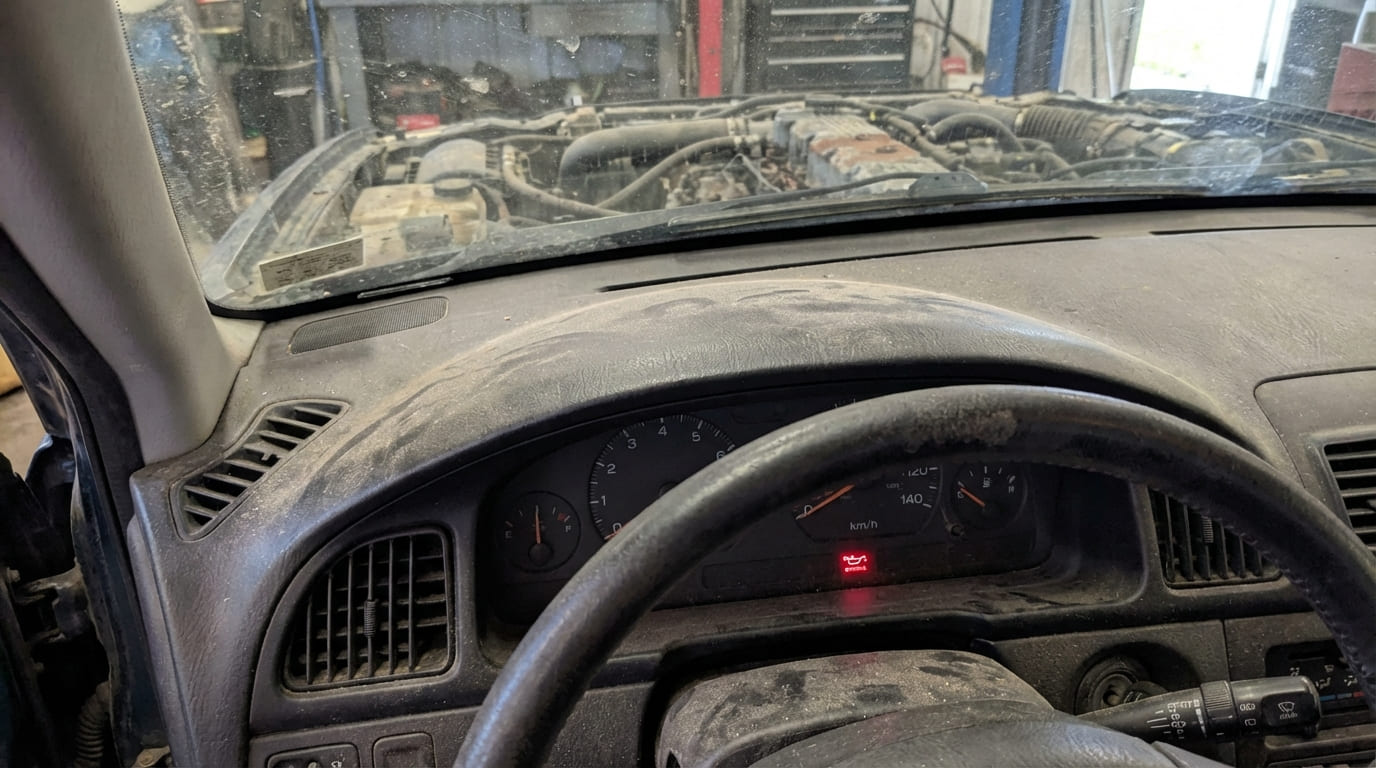
Driving with a confirmed failing oil pump is extremely risky. Once oil pressure drops below the engine’s minimum requirement—typically during idle or hot operation—you lose hydrodynamic lubrication. This means metal components like camshafts, crankshafts, and lifters are rubbing without a protective oil film. The damage isn’t linear; a few minutes of low-pressure operation can cause more wear than months of normal use.
If the oil light flickers at idle but returns at higher RPMs, the pump may still produce pressure under load, but it’s a red flag. In my shop, we never recommend driving more than necessary to get the vehicle to a safe diagnosis point. Tow it if possible. The cost of a tow is minor compared to a $3,000 engine rebuild.
In my shop, we always assume low oil pressure is mechanical until proven otherwise. Even if the engine sounds fine now, internal damage is likely already occurring.
How to Check for Oil Pump Problems
Before assuming the oil pump is failing, rule out simpler and cheaper causes. Many times, the issue isn’t the pump at all. Follow this diagnostic sequence to avoid unnecessary teardowns.
Step-by-Step Diagnosis
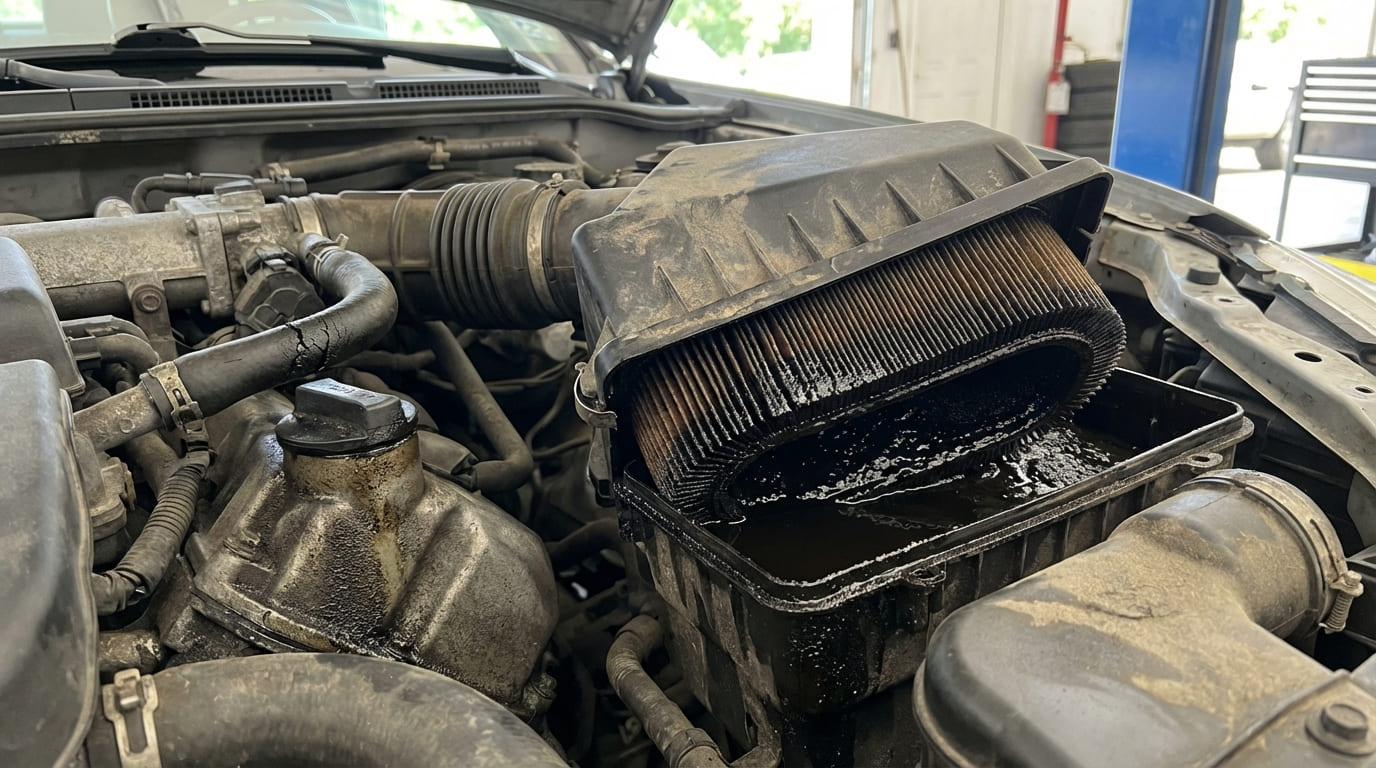
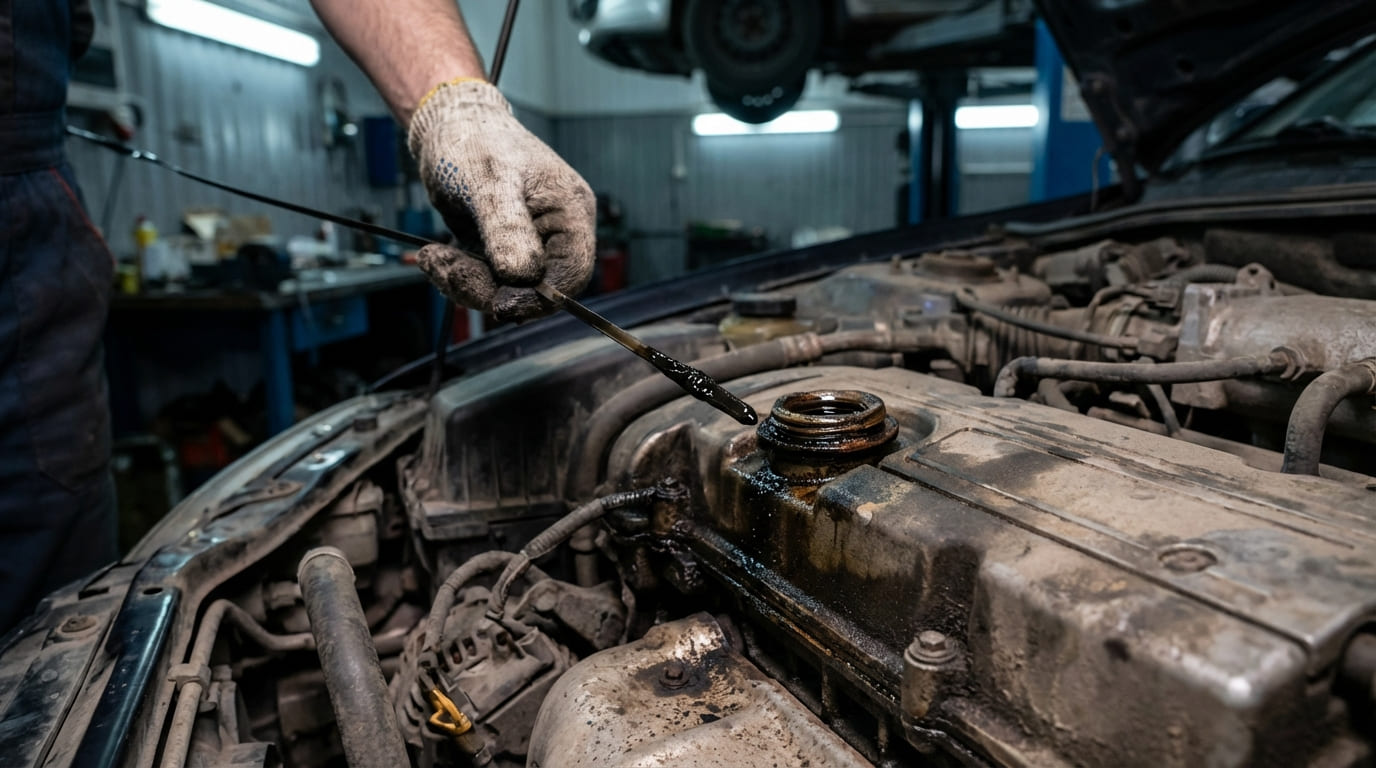
- Check oil level and condition: Low oil is the most common cause of low pressure. Pull the dipstick—oil should be at the full mark and clean. If it’s dark, sludgy, or smells like fuel, contamination is likely. Fuel dilution thins oil and kills pressure. Top off with the correct viscosity and retest.
- Install a mechanical oil pressure gauge: The factory sensor can fail or give false readings. Install a mechanical gauge into the oil pressure sender port (after cleaning the threads with a tap). Run the engine to operating temperature and record pressure at idle and 2,000 RPM. Compare to factory specs—do not rely on the dashboard gauge.
- Inspect the oil filter: Use only OEM-spec or high-quality filters. A collapsed internal mesh or stuck-open bypass valve can cause pressure loss. After shutdown, remove the filter and check for debris. A stiff anti-drainback valve may delay oil flow at startup, causing temporary low pressure.
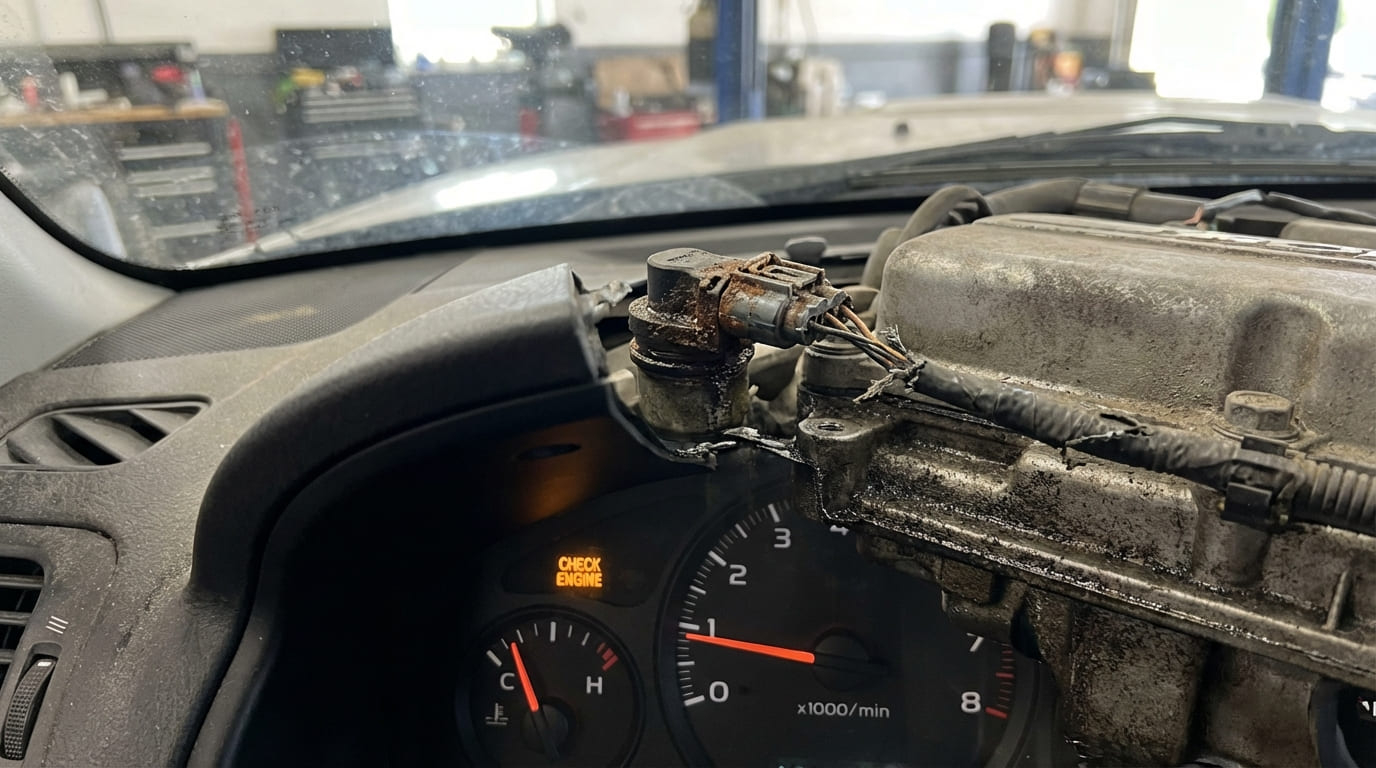
- Verify the oil pressure sensor and wiring: Use a scan tool to read live data and compare it to your mechanical gauge. If they don’t match, check for corroded connectors or damaged wires. Replace the sensor if suspect—it’s a $20 part and easy to swap.
- Drop the oil pan and inspect the pickup tube and screen: Sludge, debris, or a loose screen can block oil flow, especially when oil is hot and thin. This is common in neglected engines. Clean the screen and check for proper mounting distance from the pan.
- Test the pressure relief valve: On many engines, this valve is accessible without removing the pump. Remove it and check for sticking, spring damage, or debris. Clean and retest. A stuck-open valve will bleed off pressure continuously.
When the Oil Pump Is Likely Failing
If you’ve ruled out the above and still see low pressure across all conditions—hot idle, cold start, and at 2,000 RPM—the pump is likely worn or damaged. Internal gear wear, housing wear, or a failed drive shaft can reduce output. High-mileage engines often show gradual pressure loss, but sudden drops suggest mechanical failure or debris ingestion.
Some oil pumps are driven by the timing chain or camshaft and can be replaced without removing the engine. Others require front cover removal or pan drop. Labor costs vary widely: $300–$800 for accessible pumps, $1,200–$2,000 for timing-cover-mounted units.
In my shop, we always inspect the old pump’s gears and housing for scoring or wear patterns. Deep grooves mean metal contamination—flush the entire system and check for bearing damage before installing a new pump.
Repair vs Replace: Cost and Viability
A new oil pump costs $50–$200, depending on the engine. But labor often dominates the bill. If you’re already pulling the pan or timing cover, consider replacing the oil pump as preventative maintenance at 150,000+ miles, especially on engines known for pump wear (e.g., GM LS, Ford Modular V8s).
However, if the engine has spun a bearing or has excessive main/rod bearing clearance, replacing the pump alone won’t fix low pressure. The oil leaks out faster than the pump can supply it. In these cases, an engine rebuild is the only real fix.
| Part or Service | Cost Range |
|---|---|
| Oil pump (aftermarket) | $50–$200 |
| Oil pressure sensor | $20–$60 |
| Oil filter (OEM-spec) | $10–$30 |
| Diagnostic labor (1 hour) | $100–$150 |
| Pump replacement (accessible) | $300–$800 |
| Pump replacement (timing cover) | $1,200–$2,000 |
Best Practices for Repair
- Prime the oil system after pump replacement: Never start the engine dry. Use a drill-driven oil pump primer tool or crank the engine with the coil unplugged until oil pressure builds. This can take 10–20 seconds.
- Clean the oil gallery ports: Use a thread chaser or tap to clean the sender port before installing the gauge or sensor. Metal debris here can cause false readings or leaks.
- Inspect the entire system for metal: Cut open the old oil filter and check for metal flakes. Shine a magnet inside—it can reveal ferrous debris from bearings or gears.
- Don’t reuse torque-to-yield fasteners: Some oil pump bolts stretch during installation. Reusing them risks under-torquing and leaks. Replace any bolt marked as TTY.
- Use the correct oil viscosity: Thinner oils (like 5W-20) reduce pressure in worn engines. If you have high mileage, consider switching to 10W-30 or 5W-30, but only if it meets OEM specs.
Real-World Case Studies
Situation: A 2012 F-150 came in with an oil light at idle. Owner had already replaced the sensor twice. Pressure tested at 8 psi hot idle—below spec.
Initial Assumption: Failing oil pump.
Discovery: After pulling the pan, I found the pickup screen was partially blocked with clutch material from a failed transmission cooler inside the radiator. Coolant and oil had mixed, forming gunk.
Nuanced Lesson Learned: Contamination sources aren’t always internal. Cross-system failures can mimic pump issues—always inspect oil condition under a blacklight or lab test if in doubt.
Situation: A high-mileage BMW 328i had lifter tapping and low pressure. Customer installed a new oil pump, but noise returned in 500 miles.
Initial Assumption: Defective new pump.
Discovery: Upon teardown, main bearing clearances were nearly double the factory max. The crank journals were polished but within spec—so the pump was moving oil, but it was leaking out faster than it could supply.
Nuanced Lesson Learned: Replacing the pump without addressing bearing wear is like fixing a leaky hose while ignoring a broken pipe. Clearance matters more than pump output in worn engines.
Situation: A Subaru WRX owner reported low pressure at idle after an oil change. No noise, no warning lights—just a gauge reading lower than before.
Initial Assumption: Wrong oil filter or viscosity.
Discovery: The new filter was OEM spec, but the anti-drainback valve was too stiff, delaying oil flow at startup. Pressure normalized after warm-up.
Nuanced Lesson Learned: Not all filters perform the same, even if they meet specs. Small design differences can affect pressure readings without causing damage.
Final Verdict
Is it safe to drive with a failing oil pump? No—not if you value your engine. Even intermittent low pressure can lead to catastrophic failure. The safest and most cost-effective path is immediate diagnosis using a mechanical gauge. Rule out oil level, filter, sensor, and pickup screen issues first. If pressure is still low, assume the pump or engine internals are at fault.
Repair costs can escalate quickly if you delay. Catch it early, and you might only need a $200 pump. Ignore it, and you’ll be looking at a full engine replacement. In my experience, the only safe drive with low oil pressure is the tow to the repair shop.