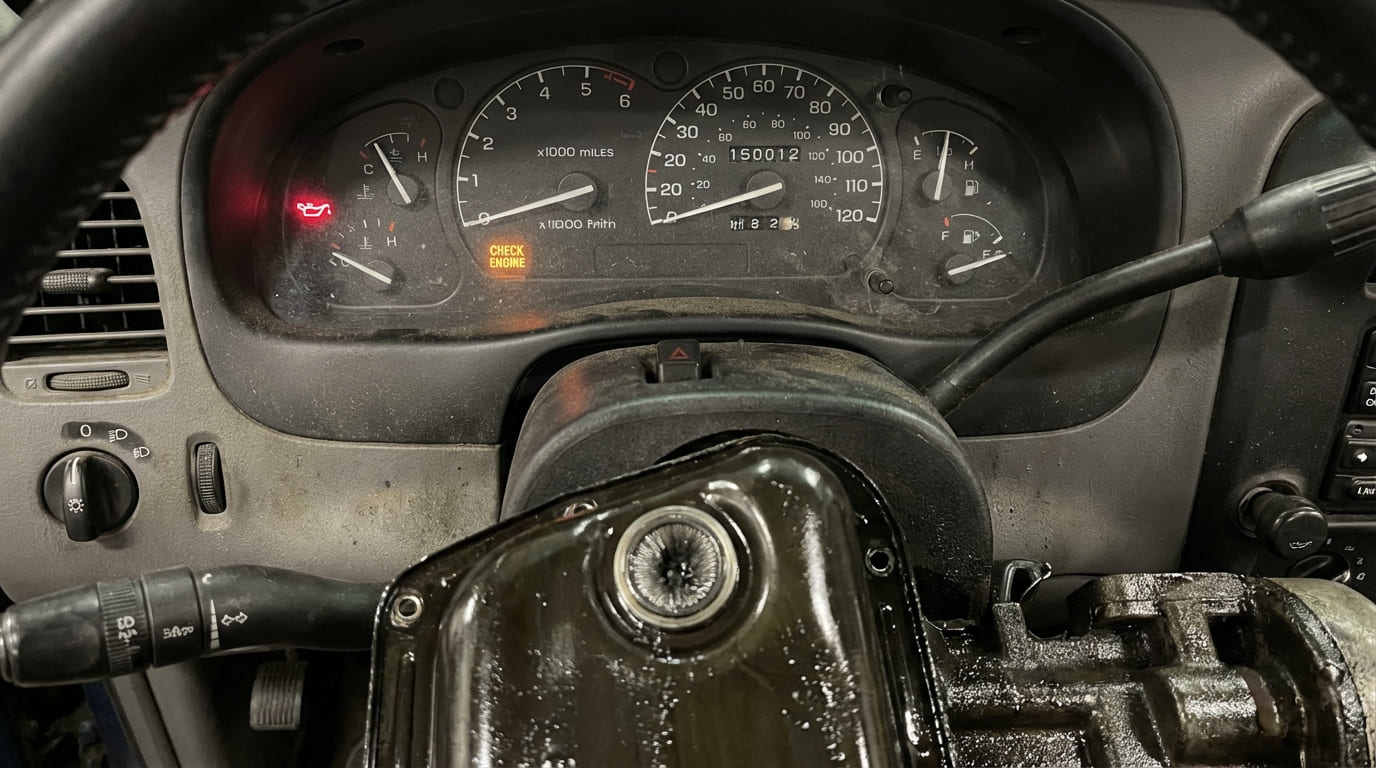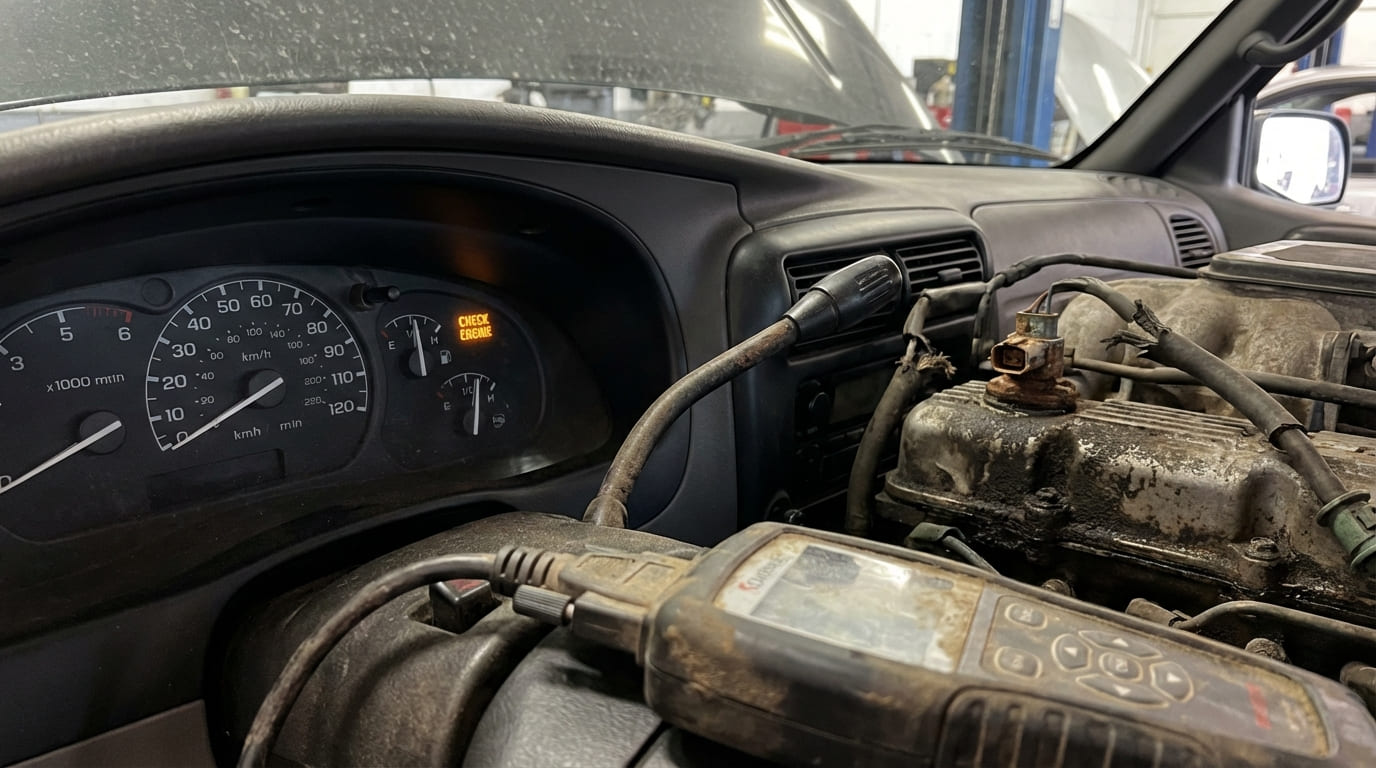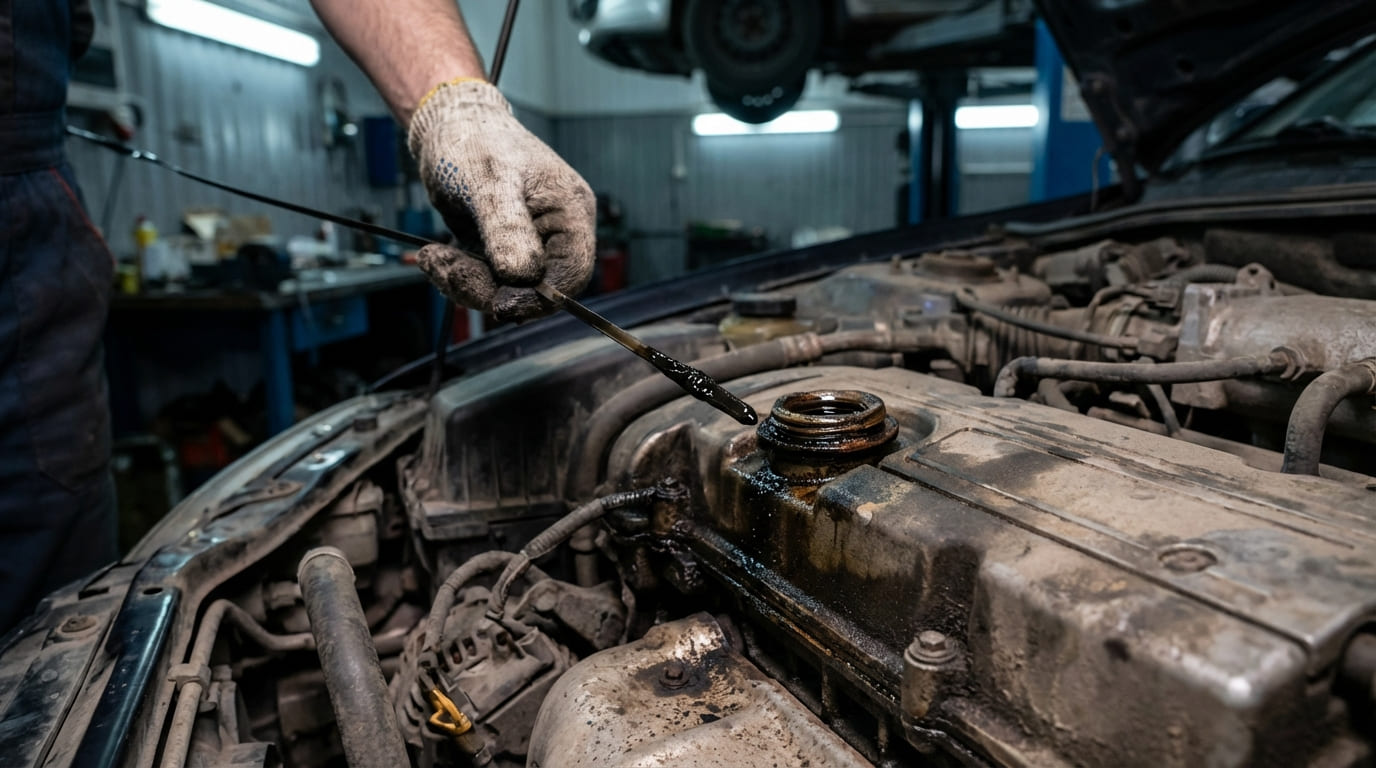
Getting oil changes right is the single most effective way to extend engine life. As a master mechanic with over 20 years in the shop, I’ve seen engines last 300,000 miles on factory oil—and others fail at 80,000 due to incorrect oil or extended intervals. This guide cuts through the noise and gives you actionable steps to protect your engine based on real-world diagnostics, not marketing.
How to Determine the Right Oil Change Interval
The best starting point is always the vehicle manufacturer’s recommendation. But real-world driving often demands adjustments. Here’s how to decide what’s right for your vehicle.
Step 1: Check the Manufacturer’s Normal and Severe Service Schedule
Open your owner’s manual or check the oil filler cap. Most modern vehicles list two intervals: “normal” and “severe” service. Normal service assumes highway driving, moderate temperatures, and full engine warm-up. Severe service covers most daily drivers.
Typical factory intervals:
- Normal: 7,500–15,000 miles (full synthetic)
- Severe: 3,000–7,500 miles
If you drive mostly short trips, in extreme heat or cold, or in stop-and-go traffic, you’re in severe service. In my shop, I treat 70% of urban drivers as severe service regardless of what the dashboard says.
Step 2: Evaluate Your Driving Conditions
Use this checklist to determine if you need to shorten the interval:
- Frequent trips under 5 miles
- Regular towing, hauling, or roof cargo
- Driving in dusty, sandy, or off-road environments
- Extended idling (delivery, ride-share, police vehicles)
- Extreme cold (below 0°F) or heat (above 95°F)
If two or more apply, reduce the normal interval by 30–50%. For example, if the manual says 10,000 miles normal, switch to 5,000–7,000 miles.
In my shop, we always default to the severe-service interval for turbocharged engines, direct-injection engines, and vehicles used by ride-share drivers—even if the OLM system says otherwise. These engines run hotter and are more sensitive to oil contamination.
Step 3: Use Oil Life Monitoring (OLM) Systems Wisely
Modern OLM systems track engine load, temperature, and runtime to estimate oil life. They’re generally accurate for mixed driving, but flawed for repetitive short trips.
Common OLM pitfalls:
- May show “80% life” after months of 3-mile commutes, but oil is already water-contaminated.
- Doesn’t detect poor-quality oil or incorrect viscosity.
- Can’t account for aftermarket modifications (e.g., tune, exhaust leak).
Always reset the OLM after an oil change. Failure to reset leads to missed alerts. Reset methods vary—some use a button sequence, others require a scan tool. Check your manual.
How to Choose the Correct Motor Oil Type
Using the wrong oil can cause sludge, turbo failure, or emissions system damage—even if the viscosity looks right. Here’s how to get it right.
Step 1: Find the Factory Oil Specification
Look in three places:
- Oil filler cap
- Owner’s manual
- OEM service database (ALLDATA, Mitchell1)
You need to match:
- Viscosity (e.g., 5W-30)
- API Service Category (e.g., SP)
- ILSAC Standard (e.g., GF-6A)
- ACEA Rating (European vehicles, e.g., C3)
- OEM-specific approval (e.g., Dexos1 Gen3, BMW LL-17 FE+)
Specifications change between model years. A 2018 engine may need Dexos1 Gen2, while a 2023 model requires Gen3. Always verify.
Step 2: Select the Right Oil Formulation
Not all synthetics are equal. Here’s what works where:
| Oil Type | Best For | Cost Range (5 qt) | DIY Viability |
|---|---|---|---|
| Conventional | Older engines (pre-2005), low-stress driving | $15–$25 | Good |
| Synthetic Blend | Light-duty trucks, moderate climates | $25–$35 | Good |
| Full Synthetic | Turbo, direct injection, stop-start, extreme temps | $35–$60 | Excellent |
Conventional oil breaks down faster under heat and doesn’t flow well in cold starts. I don’t recommend it for any engine made after 2010 with turbocharging or direct injection.
Synthetic blend is a middle ground. Acceptable for moderate use, but not for extended intervals or high heat.
Full synthetic is the standard for modern engines. It resists oxidation, flows at -40°F, and protects under high shear. Worth the extra $10–$20 per change.
Step 3: Match Critical Oil Specifications
These aren’t optional—they’re engineered into the engine’s design:
- API SP: Required for LSPI (Low-Speed Pre-Ignition) protection in turbocharged engines. Older SM or SN oils can cause knock and piston damage.
- ILSAC GF-6A/GF-6B: Improves fuel economy and protects timing chains. GF-6B is for 0W-16 only—do not use in engines requiring 5W-30.
- ACEA C3/C5: Low-SAPS (ash) oils for vehicles with GPF or DPF. Using A3/B4 oil in a C3 engine can clog the filter in 30,000 miles.
- OEM Approvals (Dexos, BMW LL, VW 504): Required for warranty. Using non-approved oil—even with correct viscosity—can void warranty.
I’ve had customers come in with clogged gasoline particulate filters (GPF) after switching to a “European-spec” oil that wasn’t C3-approved. The box said “for BMW” but lacked the official LL-04 approval. Always check the exact code—not the marketing.
Risks of Wrong Oil or Extended Intervals
Damage is often silent. You won’t hear it until it’s too late. Common failure modes:
| Issue | Causes | Early Signs | Prevention |
|---|---|---|---|
| Sludge in VVT system | Short trips, wrong oil, extended intervals | Check engine light (P0011), rough idle | Use correct oil, 5,000-mile max in stop-and-go |
| Turbocharger failure | Poor oil flow, wrong viscosity, shutdown after hard use | Whining noise, power loss, oil leaks | Use full synthetic, cooldown period, clean oil |
| GPF/DPF clogging | High-ash oil, oil consumption, short trips | Reduced power, frequent regens, warning light | Use C3/C5 oil, fix blow-by, avoid short runs |
| LSPI (engine knock) | Oil without SP/GF-6, carbon buildup | Knocking at low speed, high load (e.g., uphill) | Use GF-6/SP oil, clean injectors, carbon service |
How to Verify Oil Condition (For DIYers and Pros)
Most drivers can’t test oil at home, but you can spot warning signs.
Visual and Dipstick Checks
Do this monthly:
- Pull the dipstick after engine has been off 5–10 minutes.
- Color: New oil is amber. Dark brown is normal. Black may indicate contamination.
- Texture: Rub between fingers. Gritty = metal or dirt. Milky = coolant leak.
- Smell: Strong fuel odor = fuel dilution (common in short-trip driving).
If oil is overfull and smells like gasoline, get it changed immediately. Fuel thins oil and can cause bearing failure.
Used Oil Analysis (UOA) – Pro Tip
For high-mileage, modified, or extended-drain vehicles, UOA is worth $30–$50. Labs like Blackstone or Oil Analyzers test:
- Wear metals (iron, copper): Rising levels = internal wear.
- Contaminants (silicon, sodium, glycol): Dust, coolant, or saltwater.
- Viscosity: Deviation means fuel dilution or shear.
- TBN (Total Base Number): Below 50% of new oil value = acid neutralization failing.
Test at the end of your drain interval. Track trends over time. A sudden spike in iron or copper is a red flag.
One of my customers used a reusable oiled air filter and over-oiled it. Silicon showed up in the oil analysis, leading to premature turbo wear. Always ask about air filter type—aftermarket parts can ruin good oil.
Best Practices: Do and Avoid
- ✅ Do: Check the oil filler cap for viscosity and spec before every change.
- ✅ Do: Use OEM-approved oil (e.g., Dexos1) on warranty vehicles.
- ✅ Do: Reset the OLM system after each oil change.
- ✅ Do: Switch to severe-service intervals if you drive short trips or tow.
- ⚠️ Avoid: High-ZDDP oils (e.g., “classic” or “race” oils) in engines with catalytic converters—phosphorus kills cats.
- ⚠️ Avoid: Mixing oil types or viscosities—additive packages can destabilize.
- ⚠️ Avoid: Assuming thicker oil is better—modern engines need precise flow for VVT and injectors.
Real-World Diagnostic Scenarios
| Symptom | Most Likely Cause | Less Common Cause | Action |
|---|---|---|---|
| Sludge at 20k miles | Short trips + wrong oil (non-GF-6) | PCV failure, coolant leak | Verify oil spec, inspect PCV, return to 5,000-mile intervals |
| Turbo failure at 40k | Oil coking from shutdown after hard use | Wrong viscosity, clogged oil feed | Use full synthetic, cooldown for 30 sec, inspect lines |
| GPF warning at 35k | Non-C3 oil used | Oil consumption, bad injector | Switch to ACEA C3, check for blow-by |
| Knocking under load | Oil without LSPI protection | Carbon buildup, wrong spark plugs | Switch to GF-6/SP oil, clean combustion chambers |
A 2018 turbo sedan came in with VVT sludge at 24,000 miles. Owner changed oil every 7,500 miles with “high-mileage synthetic.” The oil was 10W-30 conventional—not Dexos1, wrong viscosity, no GF-6. Short trips caused moisture buildup. Lesson: Correct oil matters more than interval frequency.