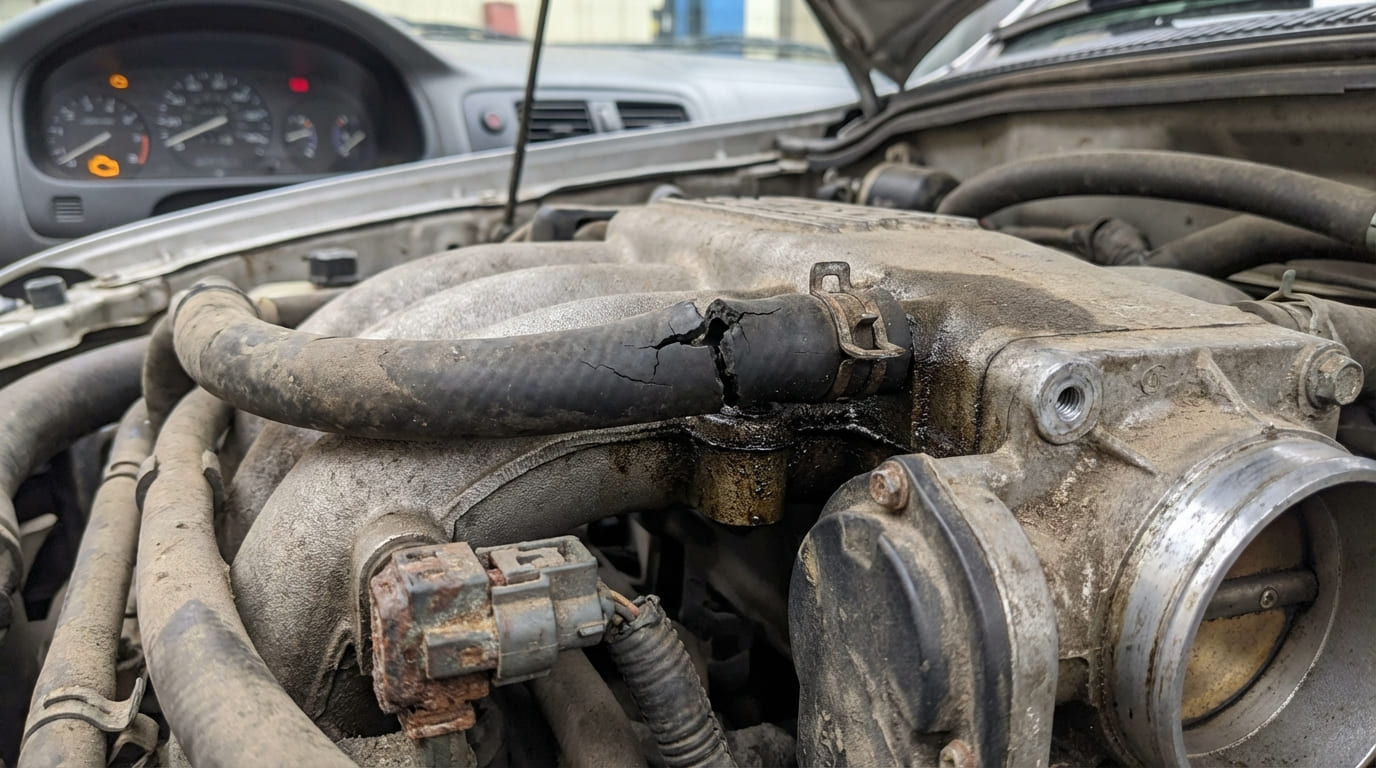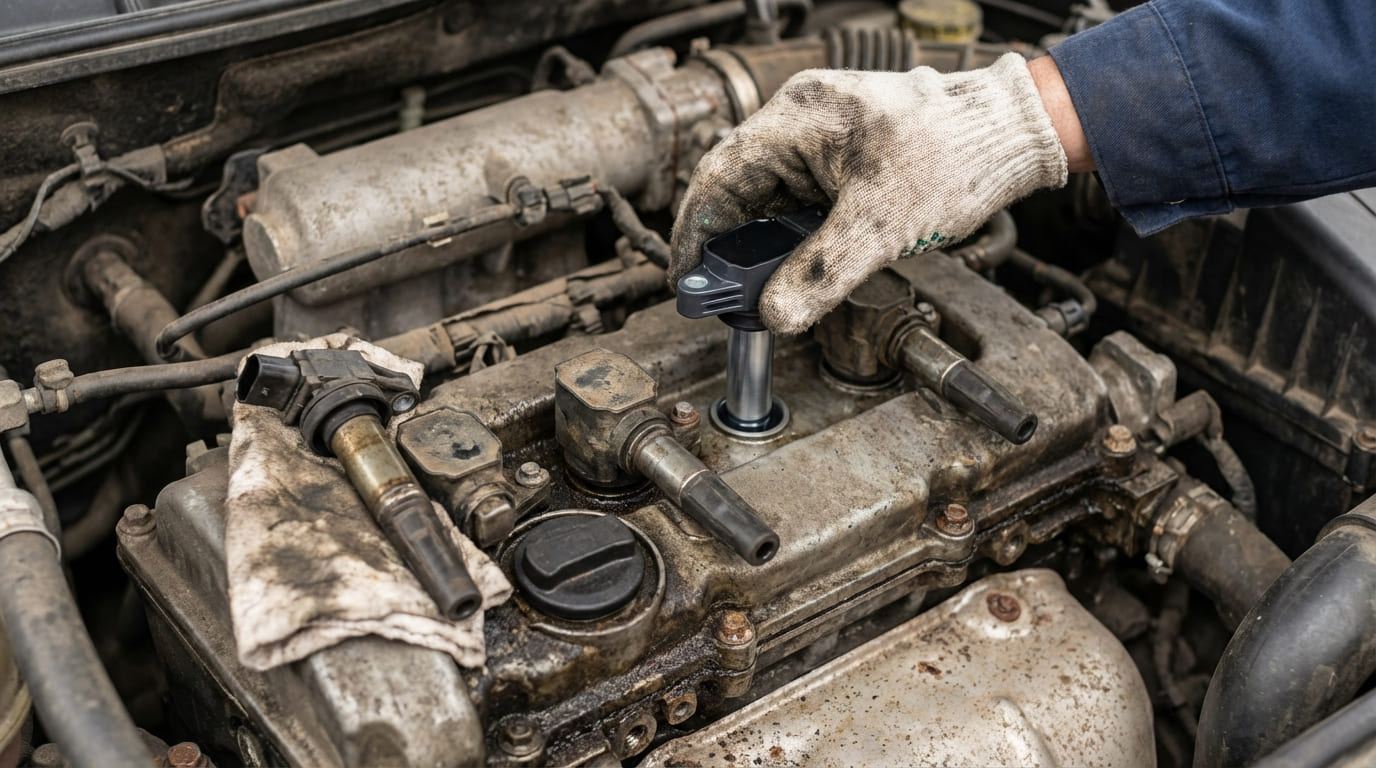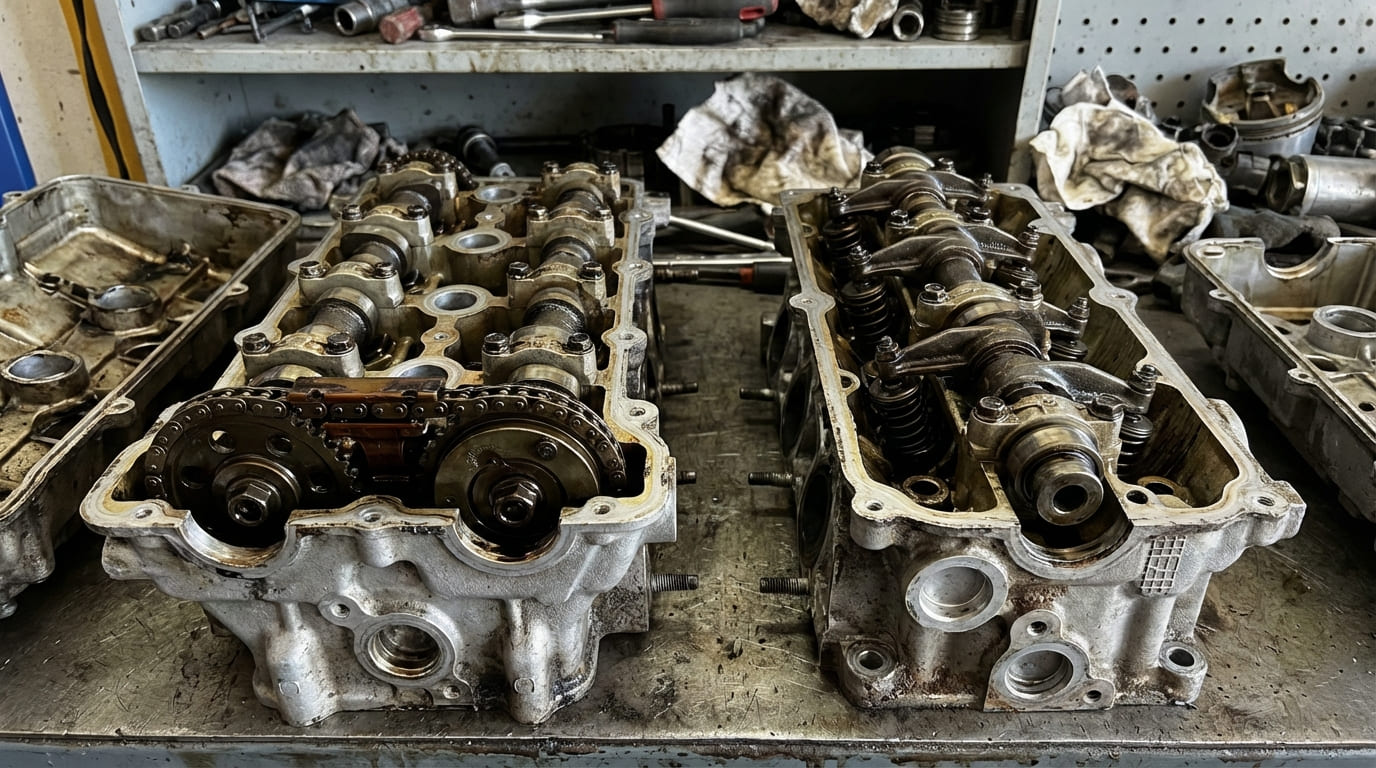
In my experience, this is one of the most frequently asked questions — and one of the most dangerous to answer casually. While some vehicles may “run” for a short distance with a compromised water pump, the risk of catastrophic engine damage increases with every mile. I’ve seen too many otherwise sound engines ruined by a few desperate attempts to “make it home” or “get to the shop.” Let’s walk through the real-world implications, how to assess the situation, and what steps actually make sense.
Immediate Safety Assessment: Driving with a Failing Water Pump
As a rule of thumb, if there’s confirmed water pump failure — especially with leakage or bearing noise — continued driving isn’t worth the gamble. The cooling system is a closed, pressurized circuit designed to maintain thermal equilibrium. Once the pump’s ability to circulate coolant is impaired, that balance breaks down quickly. The short answer: no, it is not safe. Even a few miles under overheating conditions can lead to irreversible engine damage.
Consequences of Continued Operation
While the immediate symptom might just be overheating, the downstream effects are far more serious:
- Engine overheating: Without consistent coolant flow, hot spots develop rapidly in the cylinder head and block.
- Cylinder head warpage: On most cast iron heads, warpage beyond 0.002″–0.004″ compromises head gasket sealing. Aluminum heads are even less forgiving.
- Head gasket compromise: Thermal stress can break down the gasket, leading to coolant entering cylinders or oil passages.
- Block cracking or porosity: Aluminum blocks are especially vulnerable to microfractures from repeated thermal shock.
- Piston and ring damage: Elevated temperatures reduce oil viscosity — I’ve seen pistons with skirt scuffing and ring land collapse after just 15–20 minutes of severe overheating.
- Bearing failure: Main and rod bearings rely on oil’s thermal stability. Once oil temps exceed 275°F (135°C), varnish and bearing wipe become likely.
- Catalytic converter damage: Excess unburned fuel from rich conditions can cause the converter to overheat — substrates can melt at sustained exhaust temps above 1800°F (980°C).
- Transmission overheating: Many automatic transmissions use a cooler inside the radiator. If coolant isn’t flowing, transmission fluid temps can spike.
In my shop, we always tell customers: if your temperature gauge is in the red, shut the engine off immediately. Idling doesn’t cool the engine — it makes it worse. Towing is cheaper than a new engine.
Diagnostic Indicators of Water Pump Failure
Before jumping to conclusions, differentiate water pump issues from other cooling system faults. Misdiagnosis is common when symptoms overlap.
Common Symptoms and How to Check
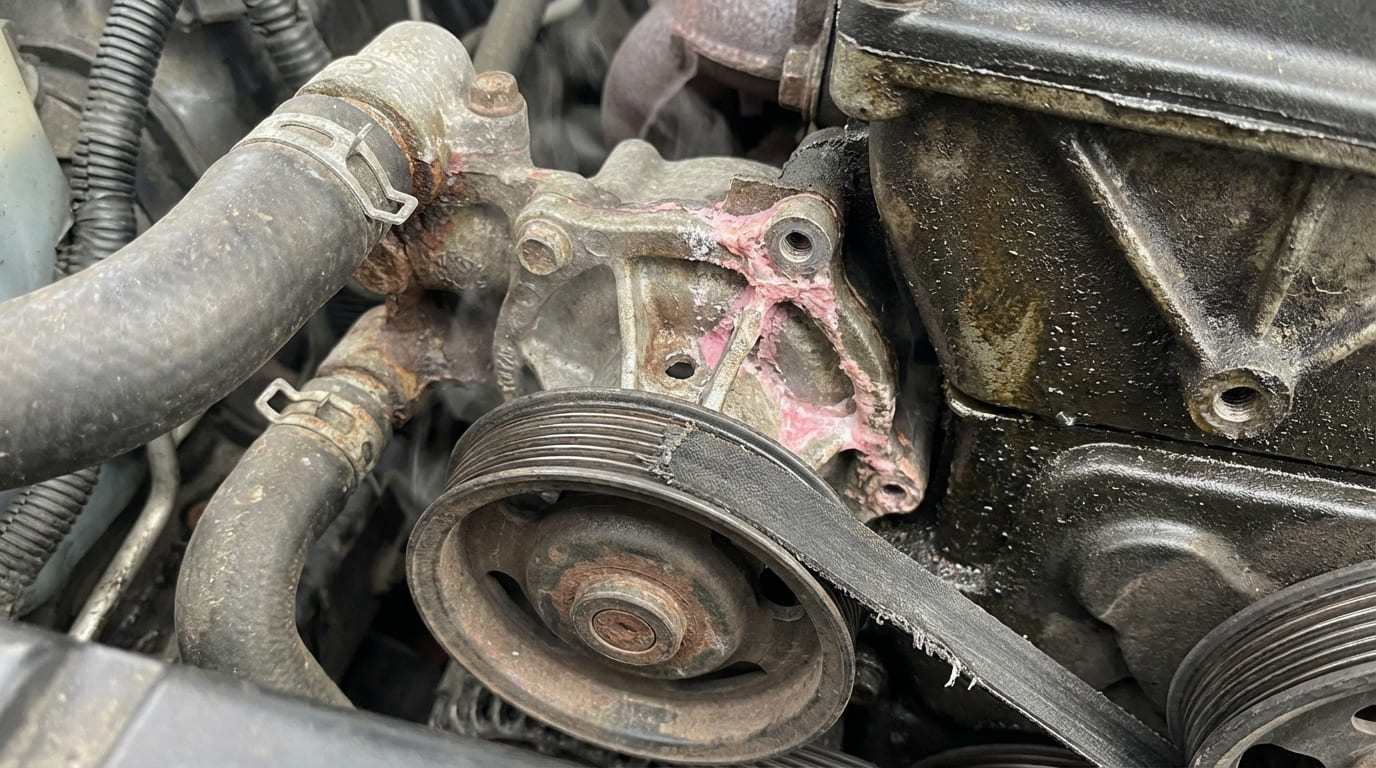
- Coolant leakage at the weep hole: Inspect the base of the pump for fresh or dried coolant (pink, green, or orange residue). Active dripping confirms shaft seal failure.
- Overheating: Monitor the temperature gauge under load. If it climbs steadily and the lower radiator hose stays cold, flow is restricted.
- Audible noise: Use a mechanic’s stethoscope on the pump housing. A high-pitched whine or grinding that increases with RPM suggests bearing wear. Test with the belt off to rule out pulley noise.
- Frequent coolant top-offs: If no external leak is visible, pressure-test the system to check for internal loss.
- Steam from the engine bay: This is a late-stage symptom — shut the engine off immediately.
Differentiating from Other Cooling System Faults
Use process of elimination:
- Stuck thermostat: Causes no flow but the pump may be fine. Remove and test in hot water.
- Clogged radiator: Flow is blocked downstream — flush or replace.
- Electric fan failure: Overheating occurs at idle, not highway speeds.
Confirming Water Pump Failure
Never rely on a single symptom. Use a combination of inspection, testing, and observation.
How to Confirm the Diagnosis
- Visual inspection: Check the weep hole for active seepage. Inspect for corrosion or crusty deposits. Look for coolant stains on the pump body or nearby components.
- Pulley play test: With the drive belt removed, check for radial (side-to-side) and axial (in-and-out) movement. More than 0.020″ (0.5 mm) indicates bearing failure.
- Cooling system pressure test: Pressurize to the cap’s rating (typically 15–18 psi). A drop in pressure with no external leak suggests internal failure. Coolant seeping from the weep hole during the test confirms pump seal failure.
- Infrared thermometer scan: Measure the radiator inlet and outlet. A 15–25°F (8–14°C) drop indicates flow. If the top hose is hot and the bottom is cold, flow is restricted — check thermostat first.
- Impeller inspection: Remove the pump and visually inspect the impeller. If blades are corroded, broken, or spinning freely on the shaft, the pump is failed.
In my two decades as a mechanic, I’ve found that the pulley spinning doesn’t mean the pump is working. Always inspect the impeller. I’ve seen pumps with perfect pulleys and zero impeller function — classic silent killers.
Immediate Action and Risk Assessment
If you suspect water pump failure while driving, your priority is preventing engine damage — not getting home under your own power.
| Symptom | Most Likely Cause | Less Common But Possible Causes | Urgency Level |
|---|---|---|---|
| Visible coolant leak at weep hole | Shaft seal failure | Cracked housing, loose mounting bolts | High — avoid driving |
| Whining noise increasing with RPM | Bearing wear | Accessory pulley failure, belt slip | Moderate to High — monitor closely |
| Overheating with cold lower radiator hose | Pump impeller failure or stuck thermostat | Severe airlock, radiator blockage | Immediate shutdown required |
| Steam from engine bay | Overheating due to circulation loss | Blown head gasket, cracked head | Critical — stop engine |
Immediate Actions to Take
- Pull over safely as soon as symptoms appear.
- Turn off the engine — do not idle to “cool down.”
- Do not open the radiator cap on a hot engine — risk of steam burns.
- Call for towing. The cost ($75–$150) is negligible compared to engine repairs.
Emergency Measures (Only If Absolutely Necessary)
These are last-resort actions to move the vehicle a very short distance (e.g., from a highway to a safe shoulder):
- Coolant top-off: If the system is low but not boiling, add 50/50 premix coolant. Do not use plain water — it accelerates corrosion.
- Heater on max: Helps transfer some heat from the coolant to the cabin, but has minimal effect during severe overheating.
- Risks: Even a 5-minute drive under overheating conditions can warp an aluminum head. Repair costs start at $800–$1,500 — far more than a tow.
I once had a customer drive 20 miles with a whining pump and rising temp. The repair? $3,200 for a head gasket, warped head, and new water pump. The tow would’ve cost $120. Bottom line: when in doubt, tow it out.
Water Pump Replacement: Practical Guide
Once confirmed, replacement is the only option. Water pumps are not repairable — seals and bearings are factory-sealed.
Cost Overview
| Component | DIY Cost | Shop Cost |
|---|---|---|
| Water pump (OEM) | $40–$120 | $80–$200 |
| Coolant (5 gallons) | $30–$60 | $50–$100 |
| Thermostat | $15–$30 | $25–$50 |
| Drive belt(s) | $30–$80 | $50–$120 |
| Labor (if timing belt-driven) | N/A | $400–$800 |
Best Practices During Replacement
- ✅ Replace drive belt(s): If the water pump is driven by the serpentine or timing belt, replace the belt(s) at the same time. Coolant exposure weakens rubber.
- ✅ Install a new thermostat: It’s in the same area, and overheating may have damaged it. OEM thermostats are cheap — don’t skip this.
- ✅ Flush and refill coolant: Old coolant loses corrosion protection. Use the manufacturer-recommended type (OAT, HOAT, etc.) and a 50/50 mix.
- ✅ Clean bolt threads and use new gaskets: Use a thread chaser on block holes. Reusing old gaskets is a leading cause of post-repair leaks.
- ⚠️ Never reuse torque-to-yield (TTY) bolts: These stretch during installation. Reusing them risks under-torque and leaks.
- ⚠️ Pressure test after repair: Always verify the system holds pressure. A 5-minute test prevents comebacks.
Situation: A customer replaced the radiator and thermostat twice but still had overheating. Lower hose stayed cold.
Discovery: The impeller had corroded and spun freely on the shaft. Tap water use caused rapid aluminum degradation.
Lesson: Always inspect the impeller — don’t assume rotation means function. And always use proper coolant mix.
Situation: Tech replaced a pump on an interference engine. Two weeks later, engine seized.
Discovery: Wrong gasket caused a slow leak. Owner didn’t notice until overheating occurred.
Lesson: Gaskets and bolts matter. A perfect repair starts with the details.
Situation: Car came in with whining noise. Driven 300 miles after onset.
Discovery: Bearing was bad, but the real damage was a warped head and blown gasket.
Lesson: Noise doesn’t tell the whole story. Always check for overheating and secondary damage.
In my two decades in the bay, I’ve learned that cooling system failures don’t happen in isolation. A failing water pump isn’t just a part — it’s a warning. The real cost isn’t the pump itself, but what happens if you ignore it. Always consult the factory service manual for torque specs, coolant types, and warpage limits — they vary more than you’d think. And when in doubt, tow it out.