In my 20 years as a master mechanic, I’ve seen countless engines damaged not by sudden failure, but by ignored oil leaks. A leaking valve cover gasket might seem minor—just a few drops under the car—but the real danger lies in what happens after the oil escapes. The answer to safety isn’t yes or no. It depends on the leak’s severity, location, and what systems the oil contacts. This guide will help you assess your risk, diagnose the issue, and decide whether to drive, monitor, or repair immediately.
Assessing the Real Risk: When It’s Safe (and When It’s Not)
A slight seepage on a high-mileage engine is common and often low-risk short-term. But active dripping? That’s a red flag. Oil near heat, electricity, or moving parts creates cascading failures. Below are the actual threats I see in the shop—and how to identify them before they cost you an engine.
How to Check: Diagnose the Leak Yourself
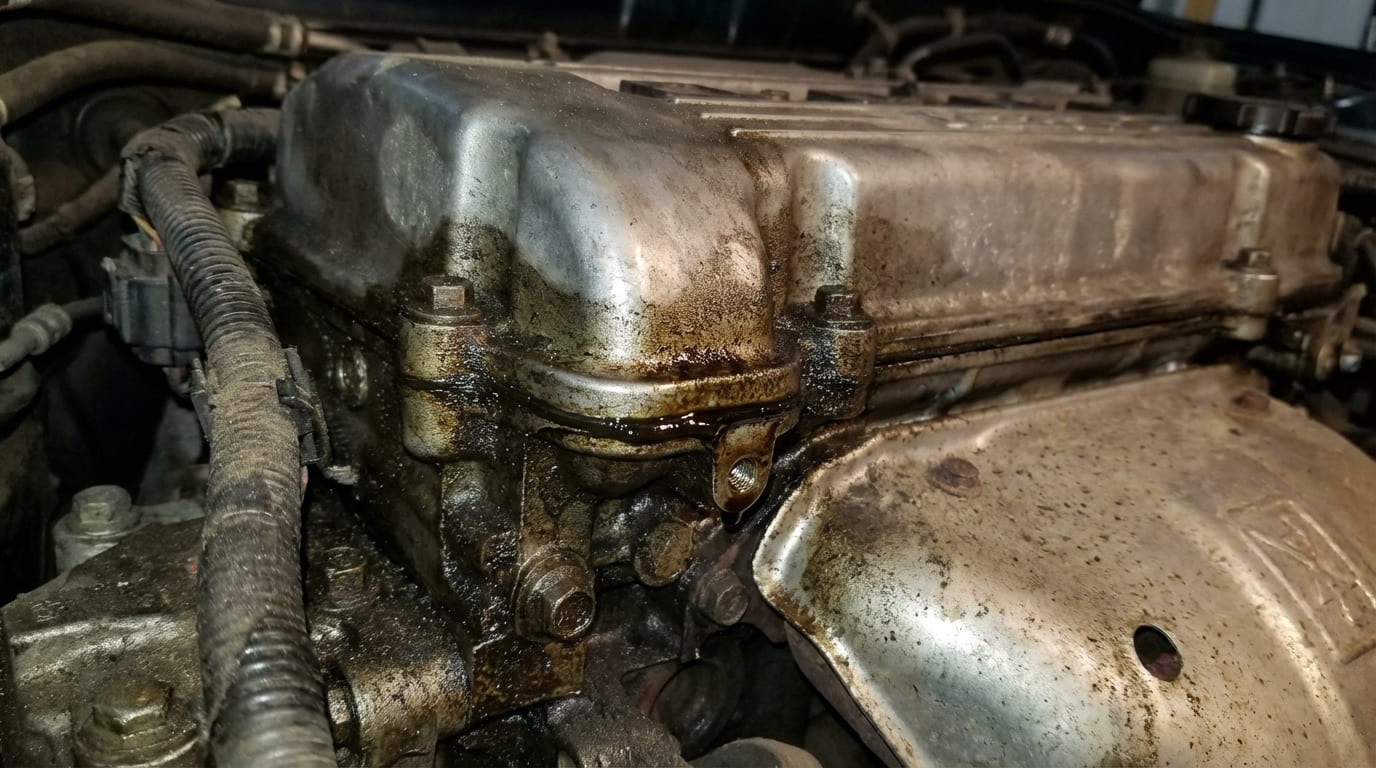
Before deciding whether to drive, inspect the engine when cold and off. Use a bright LED flashlight and an inspection mirror. Focus on valve cover corners, camshaft humps, spark plug tubes, and the mating surface along the cylinder head.
- Minor seepage: Slightly oily surface, no pooling. Wipe it clean—check again after a 10-minute drive. If no new oil appears, it’s likely stable.
- Moderate leak: Oil buildup, occasional drip when engine is warm. Requires gasket replacement within 1,000 miles.
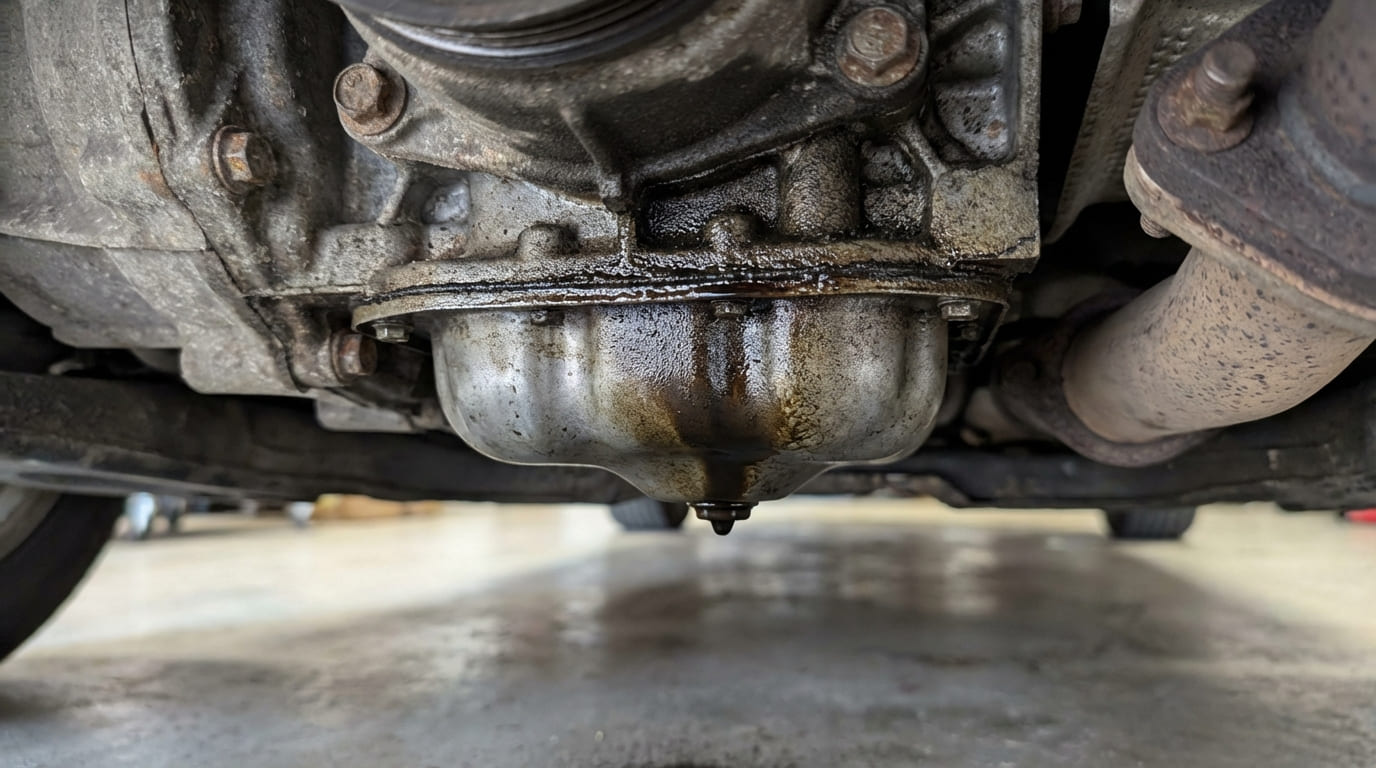
- Severe leak: Constant drip, oil running down the block, pooling on the exhaust manifold. Do not drive except to a repair shop.
Trace the oil flow. Use paper towels to blot and isolate the source. Oil from the valve cover travels downward—follow the trail. If it’s dripping from the front cover or oil pan, the source may be higher up.
Critical Risks and What to Watch For
Fire, Electrical, and Ignition Hazards
Oil on hot exhaust components—especially turbo housings or manifolds—can ignite. I’ve responded to multiple vehicles with charring under the hood from oil-fed smoldering. If you smell burning oil after driving, shut off the engine and inspect immediately.
Oil in spark plug wells is another silent killer. On coil-on-plug engines, it causes misfires by allowing spark to track across the boot. Remove a coil and inspect: if the well is oily or carbon-streaked, clean it and replace the valve cover gasket before continuing to drive.
Wiring harnesses soaked in oil become brittle and conductive. Check near the intake manifold and valve cover bolts. If insulation feels sticky or stiff, disconnect and inspect connectors for corrosion.
Oil Loss and Engine Wear
A steady leak depletes oil faster than you think. Check the dipstick every 500 miles if you’re monitoring a leak. Losing more than half a quart in 500 miles means repair is urgent.
Low oil leads to low pressure. If your oil pressure gauge reads below 10 psi at idle (hot) or 30 psi at 2,000 rpm, stop driving. Connect a mechanical gauge to the oil pressure sender port for accuracy—dash lights only activate at critical levels.
In my shop, we always check oil level and pressure together when a valve cover leak is reported. One customer was losing oil rapidly, but the dipstick showed full—because he’d topped it off weekly. The real issue? Oil was pooling in the spark plug wells, not burning off. He avoided engine damage by catching it early.
Damage to Belts, Sensors, and Exhaust
Oil softens serpentine belts, causing cracks and premature failure. Inspect the belt and tensioner for shiny, swollen spots. If oil is dripping near the alternator or power steering pump, contamination is likely.
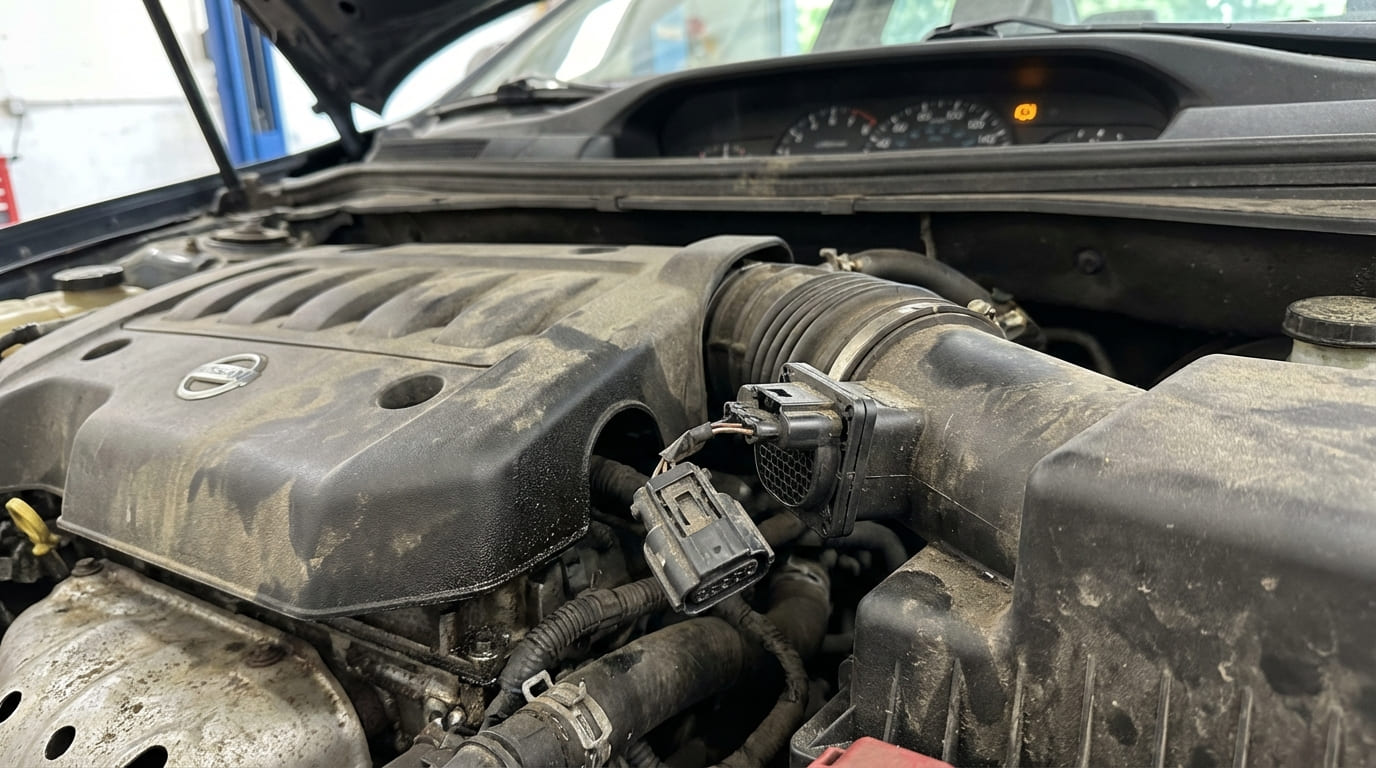
Mass airflow (MAF) sensors fail when oil mist coats the hot wire. If you have a P0101 or similar code and a known oil leak, clean the MAF—but fix the source or it’ll return.
Burning oil in the exhaust fouls oxygen sensors and catalytic converters. Codes like P0420 often trace back to oil consumption. If your converter fails and you’ve had a chronic leak, the root cause was likely oil, not age.
Repair or Replace? Cost and Practicality
Valve cover gasket replacement is usually affordable—but varies by engine. Here’s what to expect:
| Engine Type | Labor Hours | Gasket Kit Cost | Total Estimate |
|---|---|---|---|
| 4-cylinder (accessible) | 1.5–2 | $20–$40 | $150–$250 |
| V6 (front cover only) | 2–3 | $30–$60 | $250–$400 |
| V6/V8 (intake removal needed) | 4–6 | $50–$100 | $500–$800 |
If labor exceeds $500, consider whether the vehicle’s overall condition justifies it. But remember: delaying repair risks $1,000+ in secondary damage.
Proven Repair Best Practices
A proper gasket replacement lasts 100,000 miles. A sloppy one leaks in 6 months. Follow these steps:
- ✅ Clean all mating surfaces with gasket scraper and brake cleaner. No residue—oil, old RTV, or gasket fragments—can remain.
- ✅ Use OEM-spec gasket kits. Many include updated rubber spark plug tube seals—don’t skip them.
- ✅ Clean bolt threads with a thread chaser. Dirty or damaged threads cause uneven torque and leaks.
- ✅ Torque bolts in sequence, crisscross pattern, to factory spec. Most are 8–12 Nm—over-tightening warps aluminum covers.
- ✅ Apply RTV only where specified—usually at camshaft humps or gasket ends. Never in oil drain-back holes.
- ⚠️ Never reuse old bolts or gaskets. Many are torque-to-yield and stretch during installation.
- ⚠️ Avoid stop-leak additives. They may swell the gasket temporarily but can clog oil passages or damage other seals.
Situation: A 2016 FWD sedan came in with misfires on two cylinders. Owner ignored a small oil leak for months.
Discovery: Oil pooled in spark plug wells, causing spark tracking. Gasket was cracked at the rear. Cleaning wells and replacing gasket fixed the misfire.
Nuanced Lesson Learned: Not every misfire is a bad coil. Always inspect spark plug wells when diagnosing ignition issues on engines with known oil leaks.
Situation: A V6 had recurring leaks after two gasket replacements.
Discovery: Aluminum head surface was warped 0.0035″—too much for new gasket to seal. Required surface milling.
Nuanced Lesson Learned: Always check flatness with a straightedge and feeler gauge on high-mileage aluminum heads. Warpage is a common cause of repeat leaks.
Situation: Turbo 4-cylinder had a small drip near the front cover.
Discovery: Oil dripped onto hot turbo housing, smoking after shutdown.
Nuanced Lesson Learned: Location matters more than volume. A tiny leak on a hot component is a fire risk. Always assess proximity to exhaust and turbo when evaluating repair urgency.
Final Verdict: Can You Drive It?
Use this decision guide:
- Minor seepage, no oil loss, no electrical contact: Safe to drive. Monitor oil weekly. Replace gasket within 3–6 months.
- Moderate leak, occasional drip, oil level drops slowly: Drive only for essential trips. Repair within 500–1,000 miles.
- Severe leak, pooling, dripping on exhaust, or in spark plug wells: Do not drive. Tow to repair shop.
In my shop, we never gamble on oil leaks. The gasket is cheap—the engine isn’t. If you’re unsure, check the oil, trace the flow, and consider the environment. When in doubt, fix it. A $200 repair today can save you $2,000 tomorrow.