When a customer says, “My engine runs hot but the heater blows cold,” it’s not a contradiction—it’s a clue. After 20 years in the shop, I’ve learned this combo almost always points to a failure in coolant circulation or distribution. The heater core is the highest point in the system and the first to lose flow. If it’s not getting hot, and the engine is overheating, coolant isn’t moving where it should. Let’s cut to the real-world diagnostics that get cars fixed—fast.
Step 1: Confirm Coolant Level and System Integrity
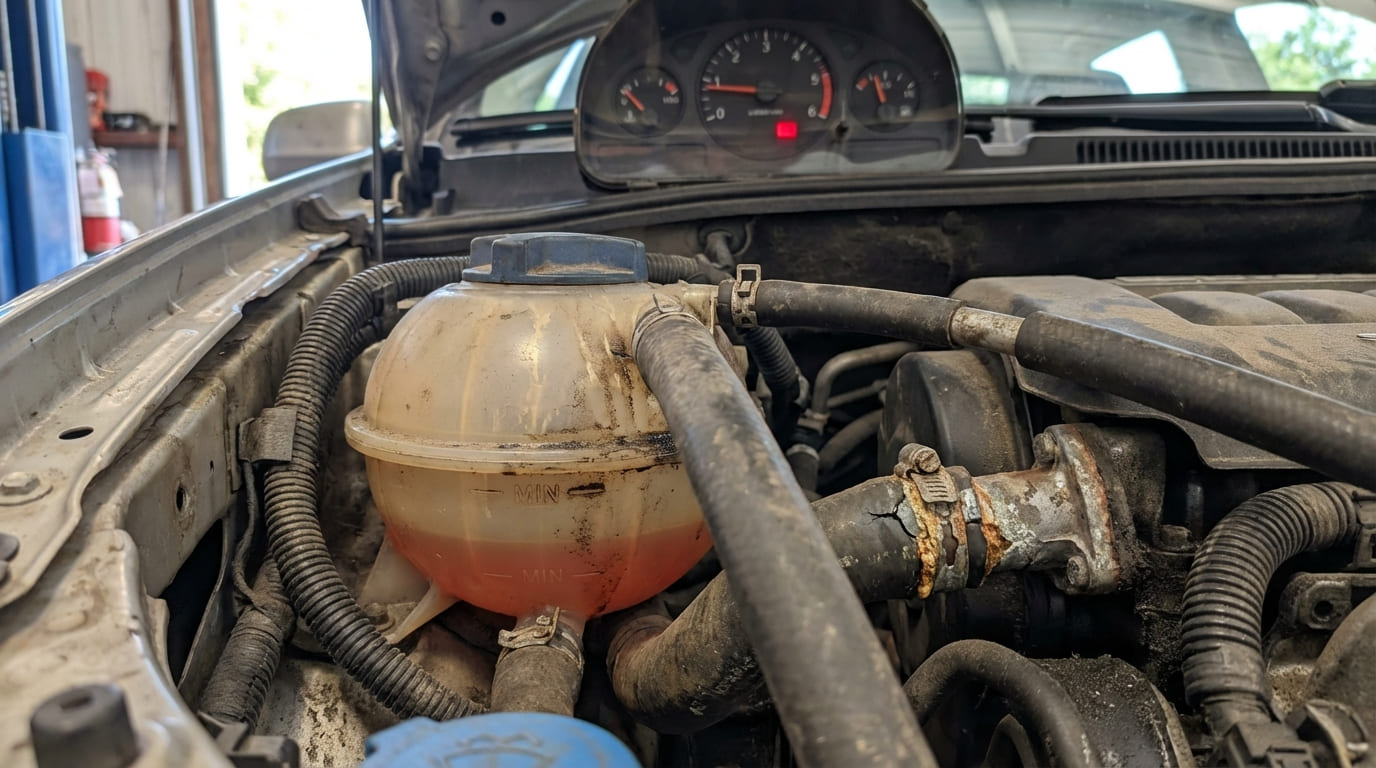
Start with the basics. A low coolant level is the most common cause of both overheating and cold heater output. But don’t just glance at the overflow tank—check the radiator when the engine is cold. Air pockets can make the reservoir look full while the radiator is starved.
How to Check Coolant Level Properly
With the engine cold, remove the radiator cap and verify the coolant is filled to the base of the neck. If it’s low, top it off and pressure test the system. Use a cooling system pressure tester and pump to the cap’s rated pressure (usually 15–18 psi). Watch the gauge for 15 minutes. A drop of more than 2 psi indicates a leak.
Is the Leak External or Internal?
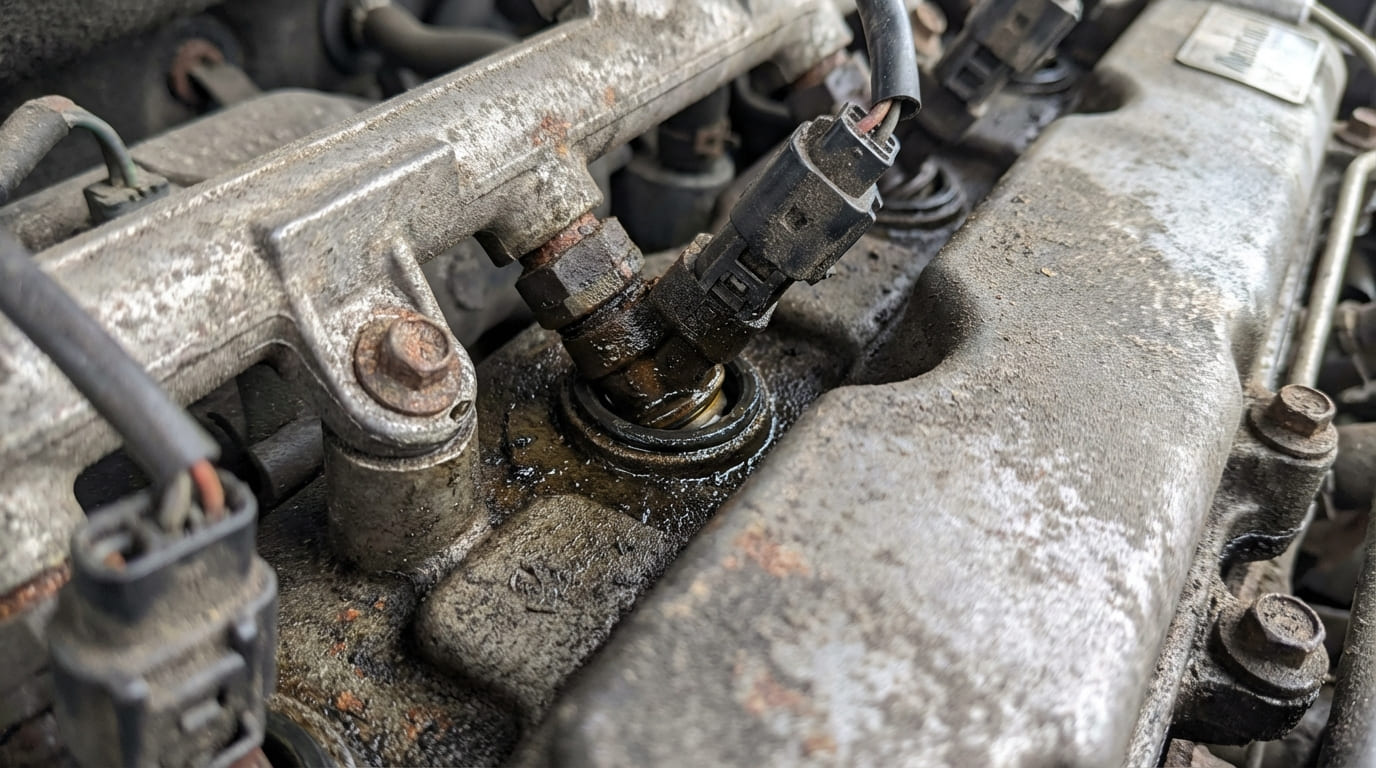
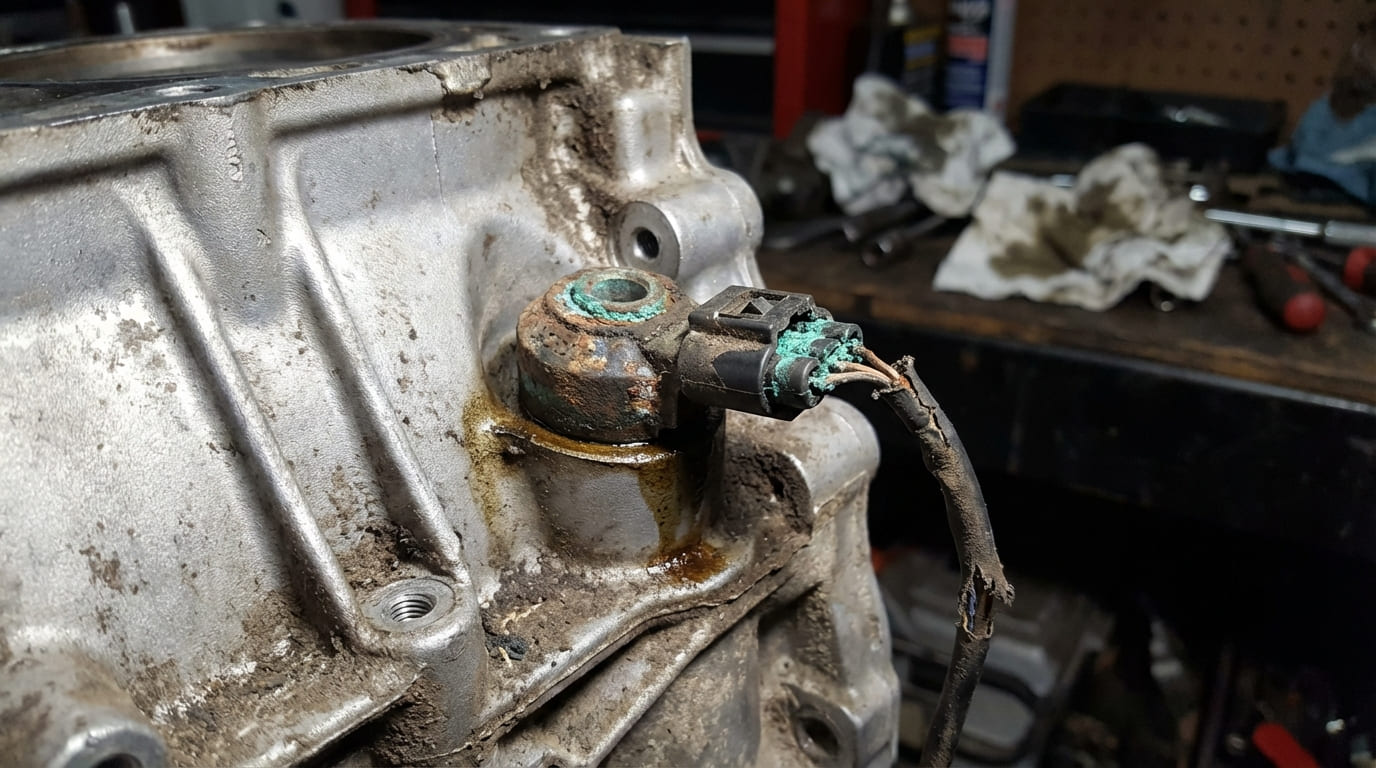
If pressure drops, inspect for external leaks: water pump weep hole, radiator seams, hoses, heater lines, and thermostat housing. Shine a flashlight around the engine—coolant often leaves white or rust-colored residue.
If no external leak is found, suspect an internal leak—like a blown head gasket or cracked block. Perform a block test using a combustion leak detector kit. If the fluid turns yellow or green, exhaust gases are in the coolant. This is a strong indicator of head gasket failure.
In my shop, we never skip the pressure test—even if the reservoir looks full. I’ve seen too many cases where a cracked radiator tank only leaks under heat and pressure, hiding from casual inspection.
Step 2: Coolant Level Is Good? Check for Flow Issues
If coolant is at the proper level but the engine still overheats and the heater stays cold, the problem is flow. The heater core needs continuous hot coolant. If it’s not getting it, something is blocking or stopping circulation.
Test 1: Thermostat Operation
A stuck-closed thermostat is a top culprit. Use an infrared thermometer to check the upper and lower radiator hoses as the engine warms up. Once the thermostat opens (usually around 195°F), the lower hose should begin to warm. If the upper hose is hot and the lower stays cold, the thermostat isn’t opening.
Also, verify correct installation. Most thermostats have the spring-loaded wax pellet facing the radiator. Installed backwards, it won’t open.
I’ve seen three thermostats replaced on the same car before someone checked the orientation. Always match the pellet end to the radiator—put a mark on it during install if you’re unsure.
Test 2: Water Pump Function
A failing water pump may spin but not move coolant—especially if the impeller is corroded or cracked. With the radiator cap off and engine running (use caution), watch for coolant movement in the neck as the engine warms. No flow? Pump is suspect.
Check for weep hole leakage, shaft wobble, or bearing noise. But don’t wait for noise—by then, damage is done. On aluminum pumps, impeller erosion is common with improper coolant mix.
Test 3: Clogged Radiator or Heater Core
Scale, sludge, or wrong coolant type can block flow. Use the IR gun to scan the radiator surface. Cold spots indicate internal blockage. For the heater core, feel the inlet and outlet hoses at the firewall. If one is hot and the other cold, flow is restricted.
Backflush the heater core with a garden hose. If flow doesn’t improve, replace it. Radiators with internal corrosion are rarely worth cleaning—replacement is more reliable.
Test 4: Collapsed Lower Radiator Hose
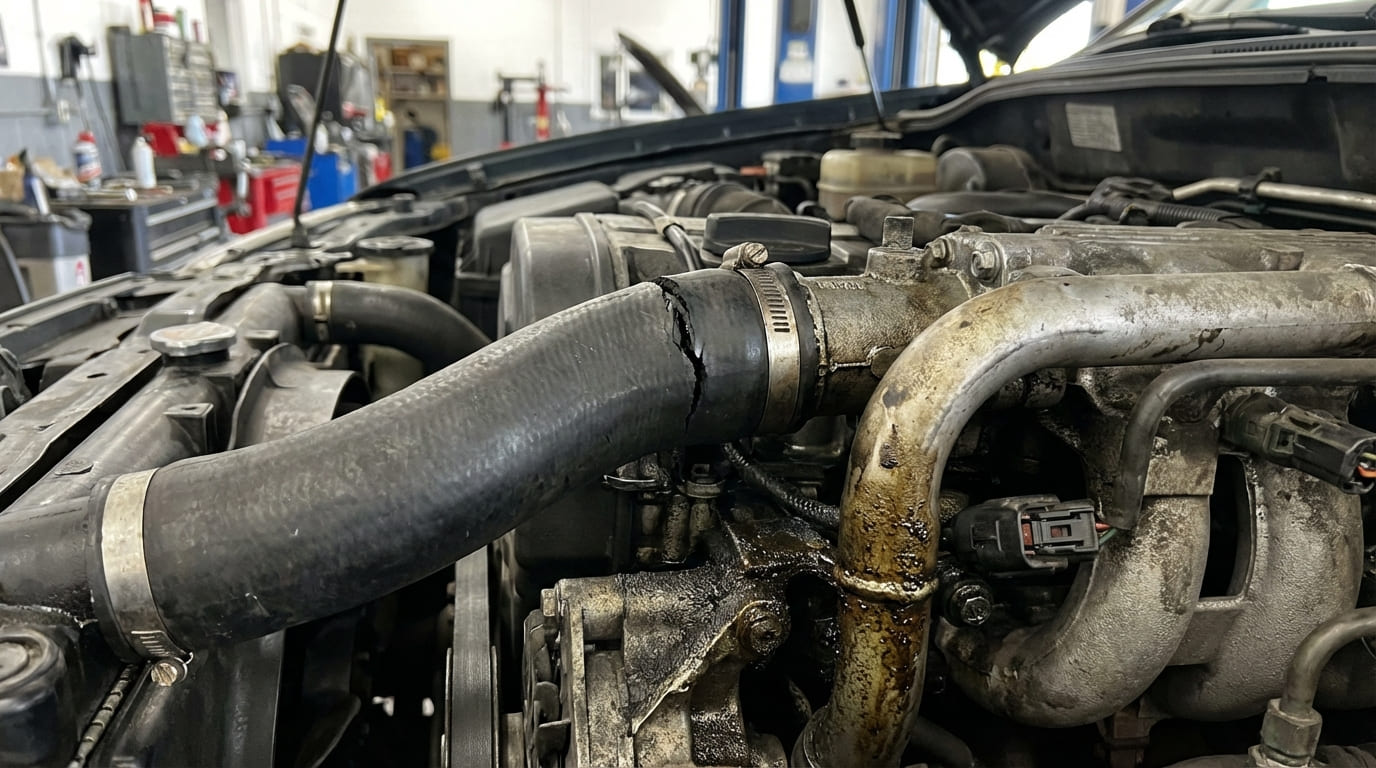
Older lower hoses can collapse under vacuum when the engine cools, especially if the internal spring is missing or rusted. This blocks return flow and mimics a failed water pump. Visually inspect the hose after shutdown. If it’s pinched, replace it—and always use a hose with an internal spring.
Step 3: Bleed Air from the System
Air pockets prevent heat transfer and starve the heater core. They’re common after coolant service or head gasket repairs. Symptoms include gurgling in the dash, fluctuating temperature gauge, and intermittent heater output.
To bleed: elevate the front of the vehicle, set HVAC to max heat (fan off), remove the radiator cap, and slowly rev the engine to 2,000 RPM until the thermostat opens and bubbles stop. Some vehicles have a bleed screw—consult the service manual.
On BMWs and other European models, air locks are frequent. I use a scan tool to activate the electric pump during bleeding. It cuts the process from 30 minutes to 5.
Step 4: Rule Out HVAC-Specific Failures
While HVAC issues usually don’t cause overheating, they can explain a cold heater even with hot coolant.
- Heater control valve: If equipped, a stuck-closed valve blocks flow to the core. Manually check linkage or actuator movement.
- Blend door actuator: A failed actuator may leave the door in the cold position. Check for HVAC trouble codes and listen for grinding.
- Auxiliary coolant pump: On turbocharged or European engines, this pump circulates coolant post-shutdown. If failed, it can cause heat soak and poor heater performance. Use a scan tool to verify operation.
Repair vs Replace: Cost and Viability
| Component | Typical Cost (Part Only) | Repair Viability | Expert Recommendation |
|---|---|---|---|
| Thermostat | $20–$50 | Replace | Always replace with housing if integrated. Use OEM-spec wax element. |
| Water Pump | $80–$200 | Replace | Replace timing belt at the same time if driven by it. Include thermostat. |
| Radiator | $150–$400 | Replace | Aluminum cores don’t clean well. Replace if flow is restricted. |
| Heater Core | $100–$300 | Replace | Labor-intensive. Consider climate and vehicle age before repair. |
| Auxiliary Pump | $120–$300 | Replace | Check relay and fuse first—common failure points. |
Diagnostic Priority by Symptom
| Symptom Pattern | Most Likely Cause | Less Common Causes | Diagnostic Priority |
|---|---|---|---|
| Engine hot, heater cold, low coolant | External coolant leak | Internal leak (head gasket), evaporation from overheat | High – pressure test first |
| Engine hot, heater cold, coolant level OK | Thermostat stuck closed | Water pump failure, air pocket, clogged radiator | High – check flow with IR gun |
| Engine overheats only under load, heater intermittent | Partial blockage or air pocket | Weak water pump, collapsing lower hose | Medium – inspect hoses and bleed system |
| Engine runs hot, heater blows hot briefly then cold | Air entrapment or low flow | Failing water pump, clogged heater core | Medium – bleed system and inspect core flow |
| Engine temperature normal, heater cold | Blend door or control issue | Heater valve, clogged core, low coolant | Low – focus on HVAC system |
Real-World Field Diagnoses
Situation: 2010 Subaru Outback, overheating, cold heater, low coolant. No visible leak. Two thermostats already replaced.
Diagnosis: Pressure test held initially. After a test drive, coolant found in fender well. Hairline crack in plastic radiator tank—only leaked under thermal expansion.
Lesson: Not every coolant loss on a Subaru is a head gasket. Inspect plastic components—they age and fail under heat cycling.
Situation: 2005 Ford Explorer, highway overheating, cold heater, coolant full. Thermostat replaced—no change.
Diagnosis: IR gun showed cold lower hose. Thermostat installed backwards—pellet end facing engine.
Lesson: Always verify thermostat orientation. The pellet must face the radiator to open properly.
Situation: BMW 328i, overheated after water pump replacement. Coolant level good, no leaks.
Diagnosis: Multiple bleed attempts failed. Scan tool showed auxiliary pump not activating. Faulty relay.
Lesson: Modern cooling systems are electrically managed. Always check relays, fuses, and pump operation—don’t assume mechanical failure.