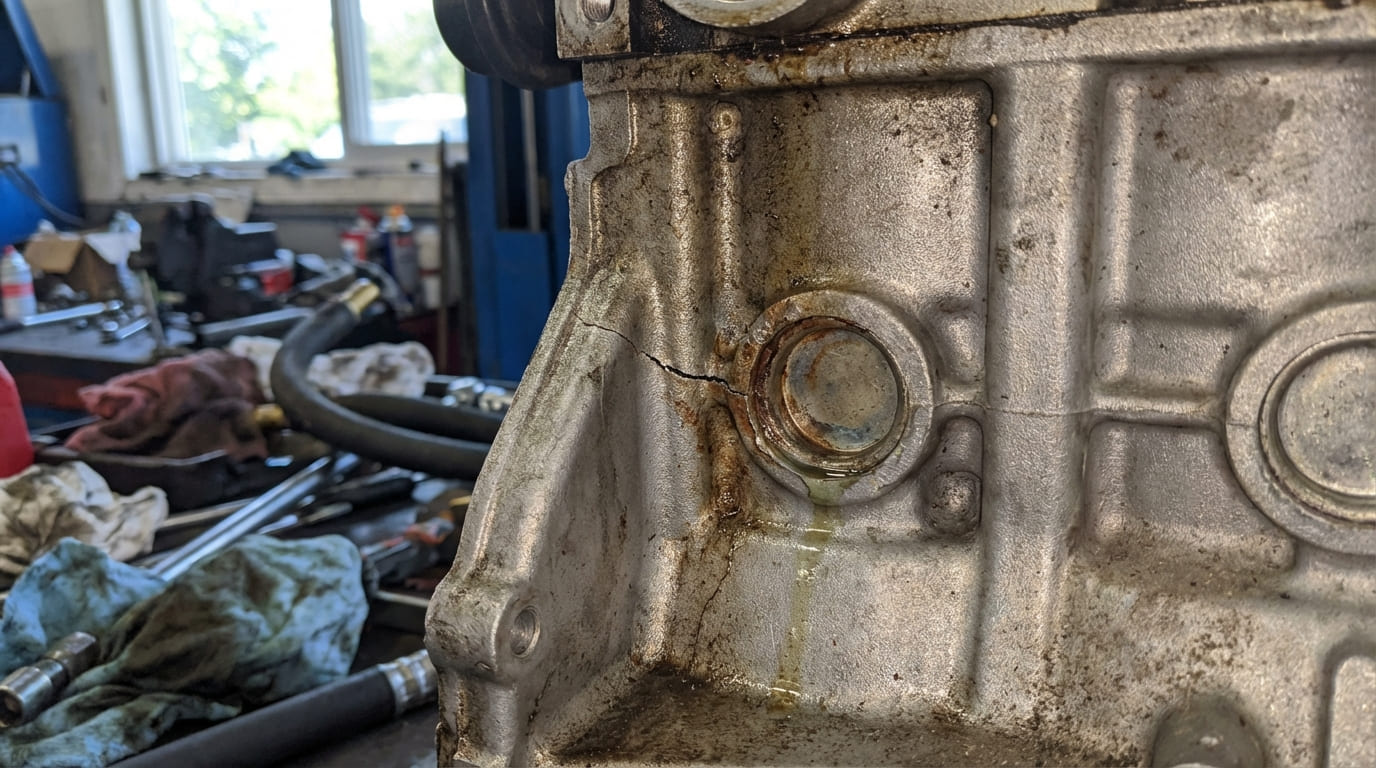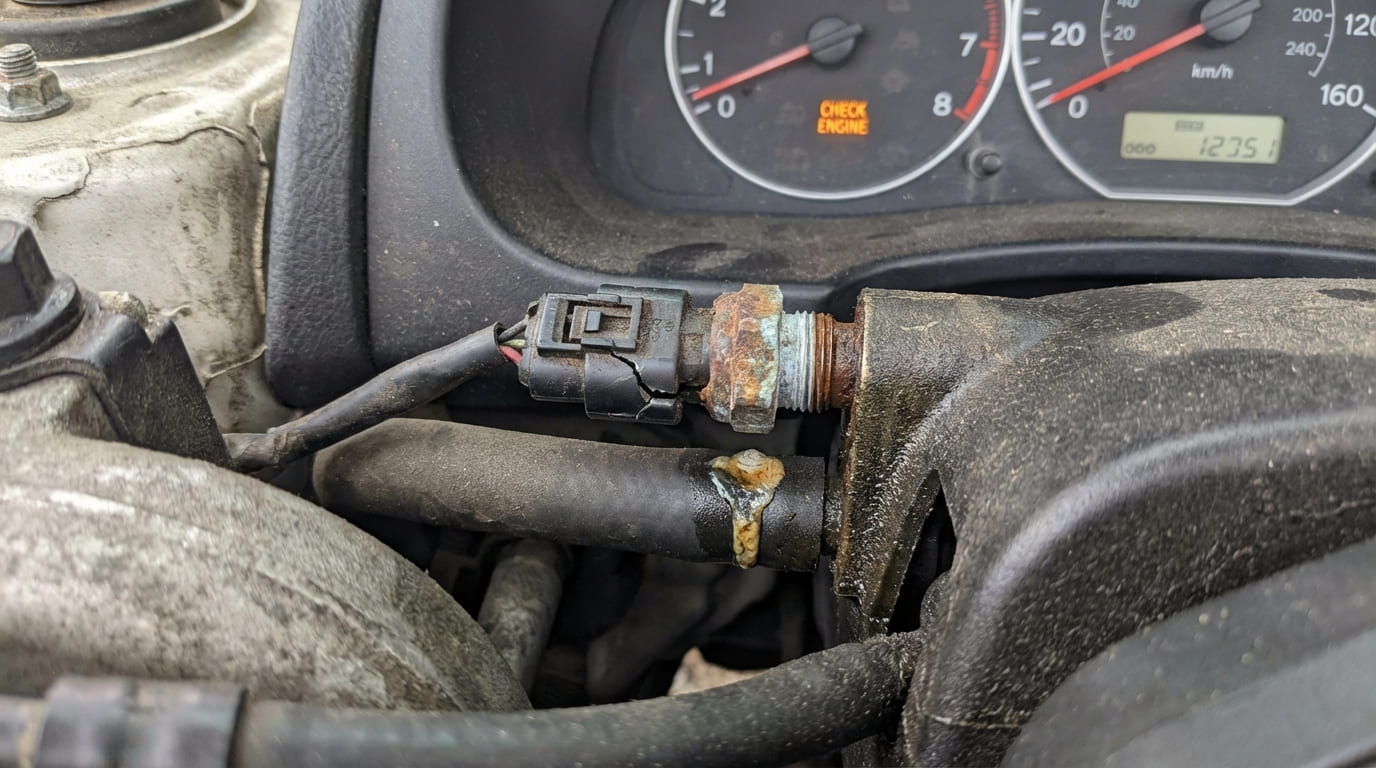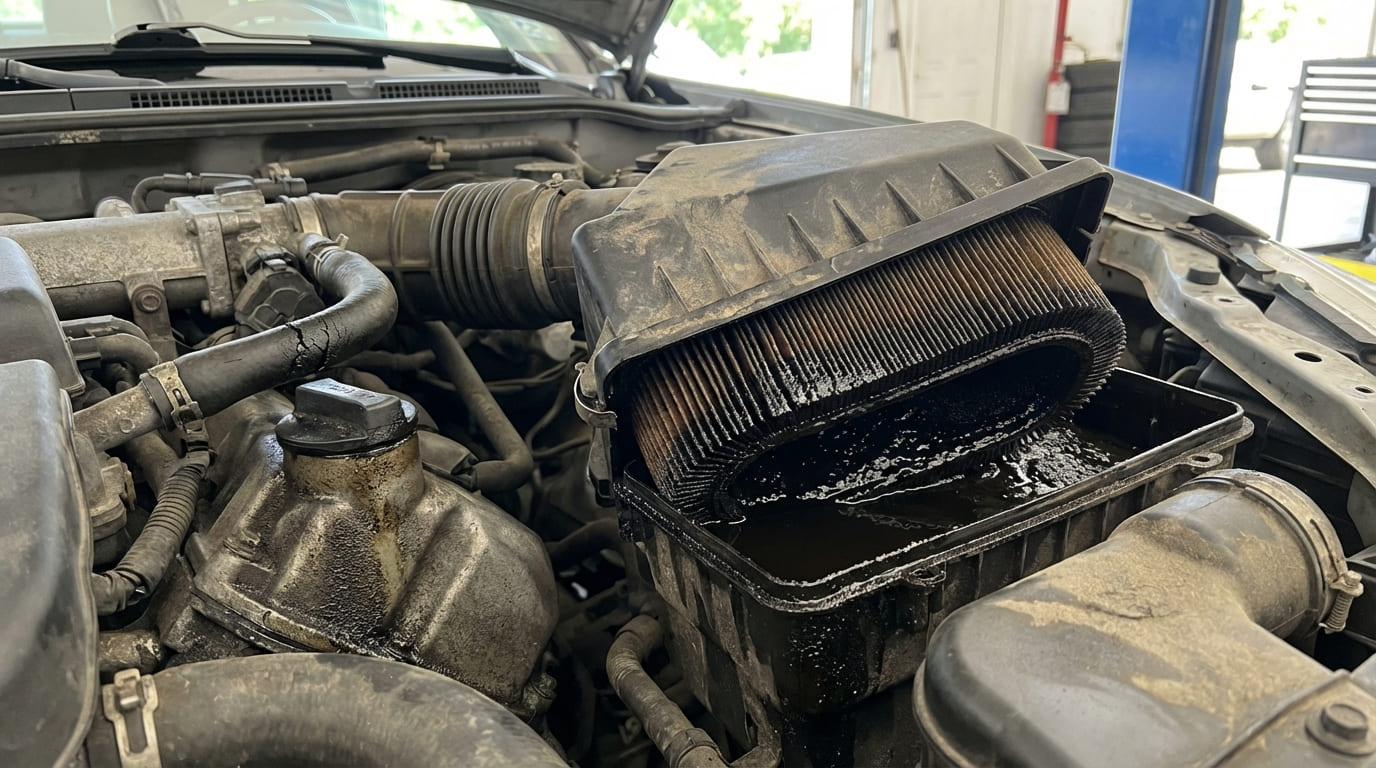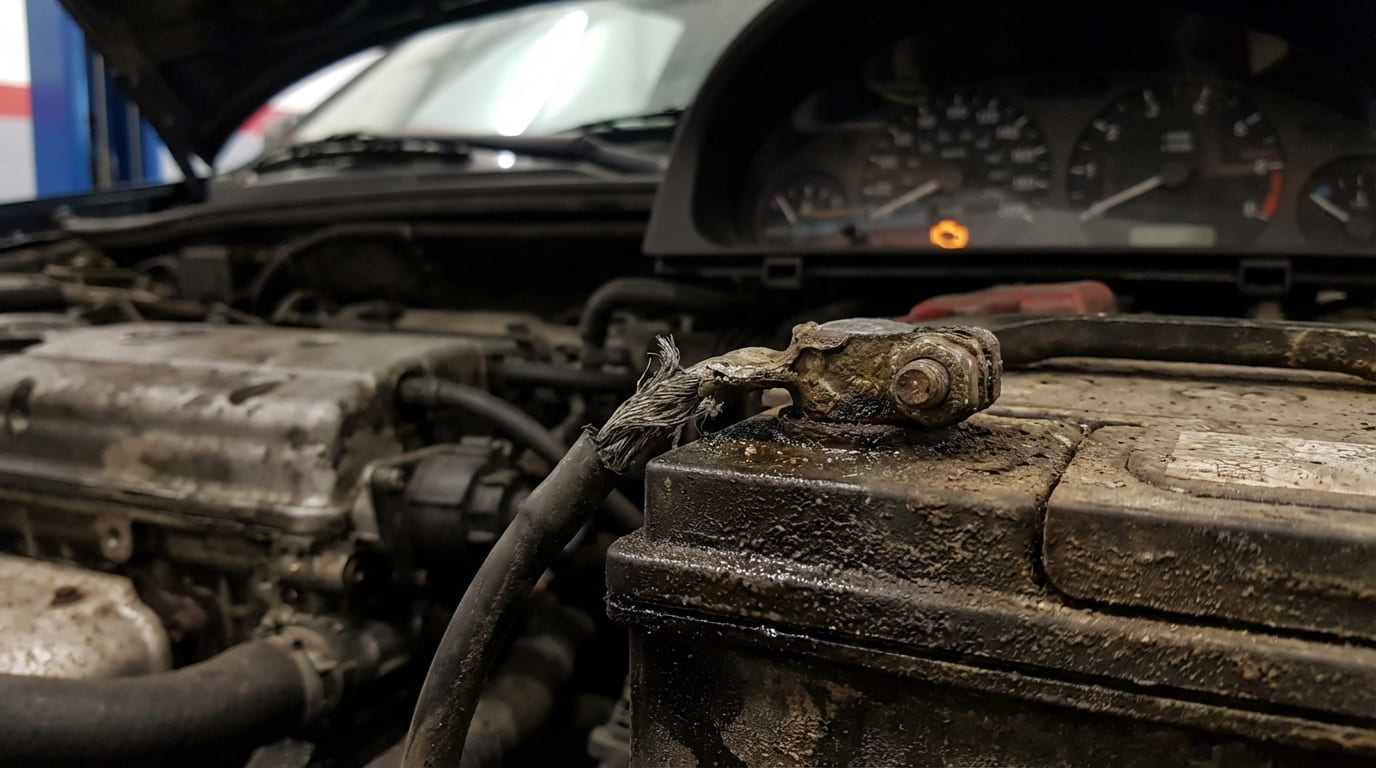
In my shop, these kinds of drive-in emergencies make up a good chunk of the first calls we get each morning. The engine turns over but won’t start, fires briefly then dies, or cranks and cranks with no reward. On most vehicles I’ve worked on, the root cause usually falls into one of five areas: battery and cranking performance, fuel delivery, spark, air intake, or engine management signals. But more often than not, the real issue hides in the gray area between systems—where one small fault cascades into misleading symptoms. This guide cuts straight to what matters: how to diagnose and fix it, fast.
Initial Diagnostic Triage
Before replacing any parts, confirm the basics. Jumping past these steps leads to misdiagnosis and wasted money. Follow this sequence to isolate the root cause.
Battery, Cranking Speed, and Voltage Stability
A weak battery or high resistance in the starter circuit can mimic fuel or ignition failure. Many ECUs disable injectors or spark if voltage drops too low during cranking.
How to Check:
- Use a digital multimeter (DMM) to measure battery voltage at rest: should be 12.6V or higher.
- While cranking, measure voltage at the battery terminals: must stay above 9.6V.
- Observe cranking speed: below 200 RPM on a 4- or 6-cylinder engine indicates a power delivery issue.
If voltage sags below 9.6V, inspect battery terminals, ground connections, and starter cables. A battery can read 12.4V at rest but collapse under load due to internal failure—load testing is essential.
In my shop, we always perform a voltage drop test across battery terminals, grounds, and starter connections. More than once, a “bad starter” turned out to be a corroded ground strap under the fender.
Scan for Diagnostic Trouble Codes (DTCs)
Even without a check engine light, pending or history codes can reveal immobilizer lockouts, sensor faults, or signal dropouts that cause start issues.
How to Check:
- Use an OBD2 scanner with live data and bi-directional control.
- Scan all modules: PCM, BCM, immobilizer, and ABS (some share data).
- Look for codes like P0340 (cam sensor), P0016 (crank-cam correlation), or U-series network codes.
Pay special attention to security systems. On Fords with PATS, a failing transponder or module can allow cranking but cut fuel after 2–3 seconds. No code may be present.
Fuel Presence, Pressure, and Quality
Fuel issues are common—but often misdiagnosed. Don’t assume no-start means no fuel. Test pressure, volume, and quality.
How to Check:
- Connect a fuel pressure gauge to the service port on the fuel rail.
- Turn key to ON (do not crank): pressure should reach spec (typically 40–60 PSI for port injection).
- Crank engine: pressure should hold steady or increase slightly.
- After stopping, monitor pressure for 5–10 minutes: a drop over 5% indicates a failing check valve or leaking injector.
For direct-injection engines (GDI), standard gauges won’t work. You’ll need a high-pressure transducer and access to live rail pressure data via scan tool.
Always perform a fuel volume test if pressure is low. A clogged in-tank sock filter can allow pressure but restrict flow. Run the pump into a graduated container for 30 seconds—compare to factory spec (usually 1 pint or more).
Verify Spark Quality and Delivery
Spark must be strong and consistent. A weak orange spark may not ignite under compression.
How to Check:
- Use an inline spark tester set to simulate cylinder pressure (10–15 kV load).
- Connect between coil and plug (or plug wire), ground the tester, and crank.
- Look for a bright blue, snapping spark throughout cranking.
If spark is weak or intermittent, test coil output directly. On coil-on-plug systems, swap coils between cylinders to see if the problem moves.
In my shop, we never rely on a plug grounded to the block. That’s an open-air test—it doesn’t simulate real-world conditions. Always use a load-bearing spark tester.
Check Air Intake and Vacuum Integrity
A major vacuum leak can lean out the mixture so much the engine won’t start. Modern engines rely on precise air metering—unmetered air fools the ECU.
How to Check:
- Inspect air filter, intake hose, and throttle body for cracks or disconnections.
- Use a smoke machine to test for leaks downstream of the MAF sensor. Even small leaks at PCV or brake booster lines can cause issues.
- On drive-by-wire vehicles, ensure the throttle plate moves freely and relearns at startup.
A stuck throttle plate or carbon buildup can prevent proper idle air control, leading to immediate stall after start.
Fuel System Failures: Diagnose Before Replacing
Fuel pumps, regulators, and injectors are frequent suspects—but often replaced without proper testing. Use data, not guesswork.
Fuel Pump and Check Valve Failure
A failing fuel pump may still spin but deliver low pressure or volume. A failed check valve causes fuel to drain back to the tank, leading to extended cranking.
| Symptom | Diagnostic Test | Repair Viability |
|---|---|---|
| No-start, no fuel pressure | Check for power and ground at pump connector during cranking | Replace pump if no power; test wiring if power present |
| Extended cranking, especially cold | Pressure hold test: drop >5% after key-off | Replace pump assembly (check valve is internal) |
| Start-and-stall, low volume | Volume test: less than 1 pint in 30 seconds | Clean sock filter or replace pump |
Cost Note: Fuel pump assemblies range from $150–$400. Labor on in-tank units is 1.5–3 hours. Consider OEM or high-quality aftermarket—cheap pumps fail early.
Don’t bypass the fuel pump relay with a jumper wire. It can overheat the pump and damage the harness. Use a relay trigger tool instead.
Fuel Pressure Regulator (FPR) Issues
On return-style systems, a ruptured FPR diaphragm can leak fuel into the intake, causing hard start or rich condition.
How to Check:
- Disconnect vacuum hose from FPR (if equipped).
- Check for fuel in the hose—indicates internal leak.
- With hose disconnected, fuel pressure should rise 5–10 PSI. No change? FPR is stuck or failed.
On returnless systems, the FPR is internal to the tank. Diagnosis relies on pressure hold and volume tests.
Injector Problems: Leak, Clog, or No Pulse
A single faulty injector can cause start-and-stall. Leaking injectors flood cylinders; clogged ones cause lean misfire.
How to Check:
- Use a noid light to confirm injector pulse during cranking.
- No pulse? Check fuses, relay, and PCM ground circuits.
- Perform a leak-down test: prime fuel system, watch pressure gauge. Rapid drop after prime suggests leaking injectors.
- Use scan tool to cycle injectors individually and monitor fuel trim response.
Cost Note: Individual injectors: $50–$150 each. Full set: $300–$800. Ultrasonic cleaning and flow testing: $100–$200 (worth it on high-end engines).
In my shop, we remove and bench-test injectors if fuel trims are erratic or pressure drops after shutdown. A single dripping injector can ruin startability—and won’t always set a code.
Best Practices and Cost-Smart Decisions
Follow these rules to avoid comebacks and wasted parts.
- ✅ Clean spark plug threads with a tap before reinstalling—prevents aluminum cylinder head damage and ensures proper grounding.
- ✅ Use OEM or high-quality aftermarket fuel filters—cheap ones can collapse and restrict flow.
- ✅ Replace rubber fuel and vacuum hoses showing cracks or softness—even if unrelated to current issue.
- ⚠️ Avoid reusing torque-to-yield (TTY) head or main bolts unless explicitly allowed by service bulletin.
- ⚠️ Avoid assuming a “new” part is good—faulty new fuel pumps, sensors, and coils are more common than you’d think. Test before and after install.
- ⚠️ Avoid bypassing the fuel pump relay with a jumper wire for extended testing—overheats the pump and wiring.
Most Likely Causes by Symptom
Use this table to prioritize diagnostics based on symptoms.
| Symptom | Most Likely Causes (Descending Probability) | Key Diagnostic Step |
|---|---|---|
| No-Start (Cranking) | Fuel pump failure, Crank sensor fault, Ignition coil failure, Security lockout | Check for spark, fuel pressure, and scan for immobilizer codes |
| Extended Cranking | Low fuel pressure (check valve), Vacuum leak, Weak spark, Clogged fuel filter | Perform fuel pressure hold test; check for vacuum leaks with smoke |
| Start-and-Stall (2–5 seconds) | ASD relay dropout, Cam/crank signal loss, Severe vacuum leak, Leaking injectors | Monitor crank and cam signals on live data; check fuel pressure after prime |
| Start-and-Stall (After warm restart) | Thermal sensor failure, Stuck EGR, Carboned throttle body | Inspect throttle body for carbon; check EGR operation |
Real-World Diagnostics: Lessons from the Bay
Situation: 2010 Honda Accord, 140k miles. Extended cranking, especially in the morning. No codes, spark present, fuel pressure read 55 PSI and held.
Discovery: Short-term fuel trims went rich immediately during cranking—indicating excess fuel. Pulled injectors: one was dripping during prime. Pressure gauge didn’t show a large drop because the others compensated.
Lesson: Fuel pressure tests don’t always catch a single leaking injector. Use fuel trims and cylinder balance tests to find subtle faults.
Situation: 2005 Ford F-150, 5.4L, no-start. Cranks fine, spark present, fuel pressure good. No DTCs.
Discovery: Lab scope showed erratic cam signal. Replaced cam sensor—no change. The tone wheel on the cam gear had shifted. Engine was out of time mechanically, not electronically.
Lesson: Always verify the mechanical trigger—tone wheels, reluctor rings, and timing marks—before condemning sensors or modules.
Situation: 2013 Toyota Camry, start-and-stall after fuel-up. Ran fine otherwise.
Discovery: Smoke test clean. Fuel trims went lean. Gas cap wasn’t sealing. Replaced cap—fixed.
Lesson: Modern EVAP monitors take multiple drive cycles to detect leaks. A bad gas cap can cause driveability issues before any code appears.
On modern vehicles, systems are deeply interconnected. A small fault in fuel, air, or electronics can cascade into a no-start. Always test performance—pressure, spark, airflow, and data—before replacing parts. And never skip the factory service manual: it holds calibration procedures, torque specs, and test protocols you can’t afford to guess at.