Over two decades in the shop, I’ve seen clogged fuel filters strand drivers, kill fuel pumps, and trigger expensive repairs—all preventable with the right knowledge. The answer isn’t just mileage; it’s vehicle type, fuel quality, and real-world use. Let me give you the diagnostic logic and repair guidelines I use daily to keep engines running clean and safe.
Start with the Factory Service Schedule
The owner’s manual is your first diagnostic tool. Ignore it, and you’re guessing. But remember: factory intervals assume ideal conditions. Here’s what you’ll typically find—and how to adjust for reality.
| Vehicle Type | OEM Interval | Real-World Adjustment |
|---|---|---|
| Modern Gasoline (in-tank filter) | 100,000+ miles or “lifetime” | Inspect every 60,000–80,000 miles if fuel quality is suspect or vehicle is high-mileage |
| Older Gasoline (in-line filter) | 30,000–60,000 miles | Stick to interval; these filters are cheap and critical |
| Diesel (with water separator) | 10,000–25,000 miles | Replace every 15,000 miles in humid climates or if water is frequently drained |
In my shop, we never trust “lifetime” filters on vehicles over 10 years old. We test fuel pressure at 80,000 miles as preventive maintenance, especially on high-mileage commuters.
When to Replace Sooner: Key Risk Factors
OEM intervals are a baseline. These conditions demand earlier service.
Fuel Quality and Environmental Exposure
Fuel from low-volume or rural stations often contains more water and sediment. E85 and other high-ethanol blends can loosen rust and varnish in older tanks, overwhelming the filter. If you’ve ever seen cloudy fuel or drained water from a diesel filter, assume the filter is compromised.
How to check: Drain a sample from the fuel rail (gasoline) or water separator (diesel) into a clear container. Look for cloudiness, water droplets, or particulate. If present, plan for filter replacement—and inspect the tank if accessible.
Driving Habits and Conditions
Short trips prevent the fuel system from warming up, increasing condensation in the tank. Towing, idling, and off-road use stir up debris. Fleets, police cars, and delivery vans often need filters every 40,000 miles—even if the manual says 100,000.
We cut diesel filter intervals in half for snowplow trucks. Salt, slush, and constant cold starts mean more water in the fuel. Preventive changes save injector costs down the road.
Vehicle Age and Unknown History
Older vehicles or those with spotty maintenance are high-risk. A previous fuel pump replacement without tank cleaning can leave debris behind. If you’re buying a used car with no service records, assume the filter is dirty—especially if it hesitates under load.
Symptoms of a Clogged Fuel Filter
Don’t wait for failure. Watch for these signs:
- Loss of power during acceleration or uphill driving
- Engine misfires at high RPM, often misdiagnosed as spark plugs
- Hard starting, especially when hot or cold
- Stalling under load or after refueling
- Check Engine Light with codes like P0087 (low fuel pressure) or P0190 (fuel rail sensor)
- Loud fuel pump whine from the tank
Diagnose Before You Replace
Swapping filters blindly wastes time and money. Confirm the issue with a fuel pressure test.
Tools and Procedure
You’ll need a fuel pressure gauge that matches your vehicle’s test port (Schrader valve or in-line). Get the factory pressure specs from a repair manual.
- Relieve fuel pressure safely (often by removing the fuel pump fuse and cranking the engine).
- Attach the gauge to the test port.
- Start the engine and record idle pressure.
- Perform a snap-throttle test: rev to 3,000 RPM quickly and hold for 5 seconds. Watch for pressure drop.
Acceptable drop: less than 5 psi. A larger drop indicates restriction—likely the filter, but not always.
What the Numbers Mean
| Reading | Most Likely Cause | Action |
|---|---|---|
| Normal idle pressure, big drop under load | Restricted fuel filter or kinked line | Inspect/replace filter, check line routing |
| Low pressure at idle | Failing fuel pump, bad regulator, clogged pickup sock | Test pump volume, check regulator |
| No pressure, pump running | Blocked pickup, failed pump, or internal filter clog | Drop tank or inspect in-line section |
I’ve replaced countless “bad” filters only to find the real issue was a failing pump. Always test volume: collect fuel output in a graduated container for 30 seconds. Compare to spec—typically 750–1,000 cc. Low volume? Pump’s done.
Fuel Filter Types and Replacement Realities
Know what you’re working with before you start.
In-line Filters (Gasoline and Diesel)
Located along the frame rail or near the tank. Most DIYers can replace these with basic tools. Cost: $15–$50. Use quick-connect tools to avoid damaging lines. Always relieve fuel pressure first.
In-tank Filters (Modern Gasoline)
Part of the fuel pump module. No standalone replacement. Cost: $200–$600 for assembly. Labor: 2–4 hours (tank drop or access panel). Not a beginner job. If you’re doing this, inspect the tank for rust and debris.
Diesel Fuel Filters
Include water drains and often need bleeding after replacement. Cost: $30–$100. Use OEM or high-quality aftermarket. Always prime the system per the manual—some diesels require a hand pump, others need a scan tool to run the electric pump.
Never skip the bleed procedure on a diesel. Air in the rails can hydrolock injectors or prevent startup. If the engine cranks but won’t start, suspect air—not the filter.
Costs and Repair vs. Replace Logic
Filter cost is minor compared to collateral damage. Here’s the real math:
| Part | Part Cost | Labor Cost | When to Replace |
|---|---|---|---|
| In-line filter | $15–$50 | $50–$100 | Every 60,000 miles or at symptom onset |
| In-tank module | $250–$600 | $300–$600 | Only when pressure test confirms issue or pump fails |
| Diesel filter | $40–$100 | $75–$150 | Every 15,000–20,000 miles in normal use |
If you’re dropping the tank for a fuel pump, always replace the in-tank filter—even if it looks clean. Labor is the cost driver, not the part.
What Happens If You Skip It?
A clogged filter doesn’t just reduce power. It triggers a chain reaction:
- Fuel pump overworks, overheats, and fails—adding $500+ to your repair
- Lean combustion increases cylinder temps, risking piston or catalytic converter damage
- Sudden stalling creates safety risks on highways or in traffic
After Replacement: Verify the Fix
Don’t assume it’s fixed. Reconnect the pressure gauge and repeat the load test. Pressure should hold steady. Clear any codes and test drive under real conditions: idle, cruise, acceleration, and hill climbing. If hesitation returns, check for air intake or exhaust restrictions—don’t automatically blame the filter.
Best Practices and Pitfalls to Avoid
- ✅ Always consult the factory service manual for specs and procedures.
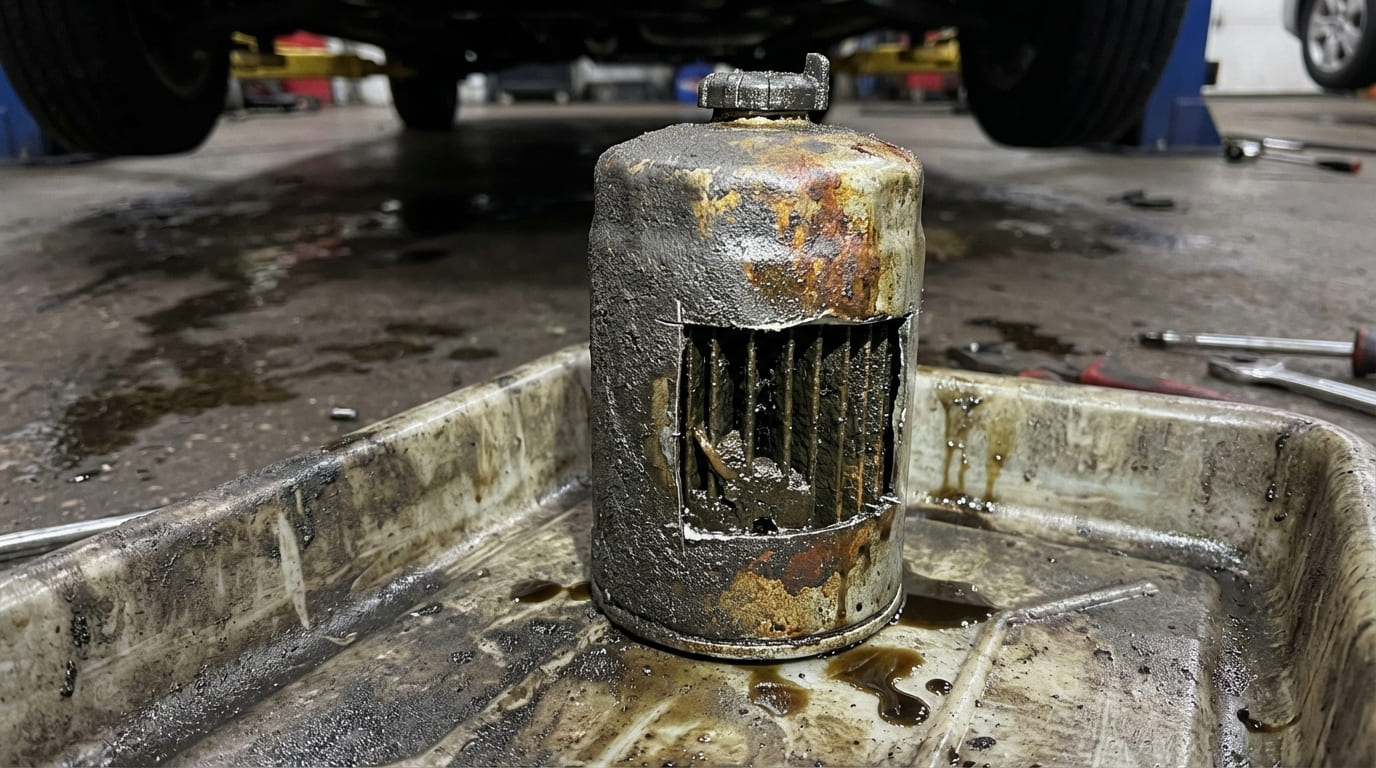
- ✅ Inspect the old filter. Black sludge? Check tank for rust. Water? Drain and treat the system.
- ✅ Use OEM-spec seals and O-rings. A fuel leak is a fire hazard.
- ⚠️ Don’t trust “lifetime” claims in high-mileage or harsh-use vehicles.
- ⚠️ Avoid cheap aftermarket filters with unverified flow rates. Some flow 20% less than OEM.
- ⚠️ Never skip post-replacement pressure testing. It’s the only way to confirm system health.
Situation: A 2008 F-150 came in with hesitation at highway speeds. The owner had replaced the fuel filter two years prior but skipped the air filter. Scan data showed lean codes.
Initial Assumption: We thought the new filter might be defective or fuel pump failing.
Deep Dive: Pressure was solid at idle but dropped sharply under load. We pulled the filter—clean inside. Then we checked the air filter: clogged with dirt and leaves. The engine was starving for air, not fuel.
Nuanced Lesson Learned: Don’t isolate systems. A fuel-related symptom can stem from air intake, sensor faults, or even exhaust restrictions. Always verify the entire fuel trim strategy before condemning components.
Situation: A diesel pickup had repeated fuel filter clogs every 8,000 miles despite using top-tier diesel.
Initial Assumption: Bad fuel batches or poor-quality filters.
Discovery: We sampled fuel from the tank and found microbial growth—diesel bug. The water separator wasn’t being drained regularly, allowing sludge to form.
Nuanced Lesson Learned: Maintenance isn’t just about replacement intervals. Operator habits—like draining water separators—play a huge role in filter longevity, especially in diesel applications.
Situation: A 2012 Camry with “lifetime” in-tank filter had a no-start condition. Fuel pump was running, but no pressure at the rail.
Initial Assumption: Failed fuel pump.
Discovery: After dropping the tank, we found the in-tank filter completely blocked with black particulate. The tank had rust inside—likely from years of short trips and condensation.
Nuanced Lesson Learned: “Lifetime” doesn’t mean immune to contamination. Tank condition matters, and age plus moisture can compromise even sealed systems. Always inspect the fuel tank when replacing internal filters.
In my shop, we treat fuel filter service as part of a broader fuel system health check. The interval isn’t just about mileage—it’s about context. Test before you replace, inspect what you remove, and always prioritize safety with fuel system work. The manual is your foundation, but real-world experience tells the full story.