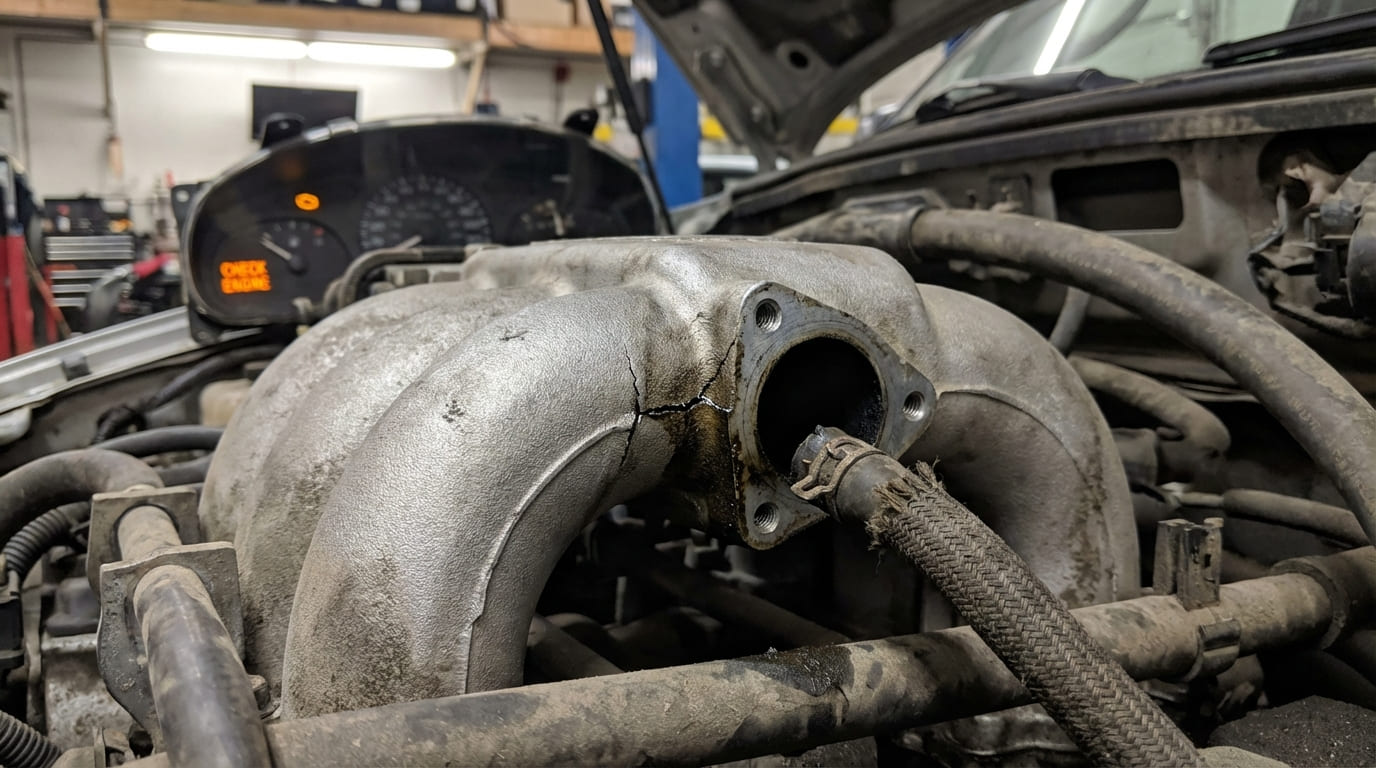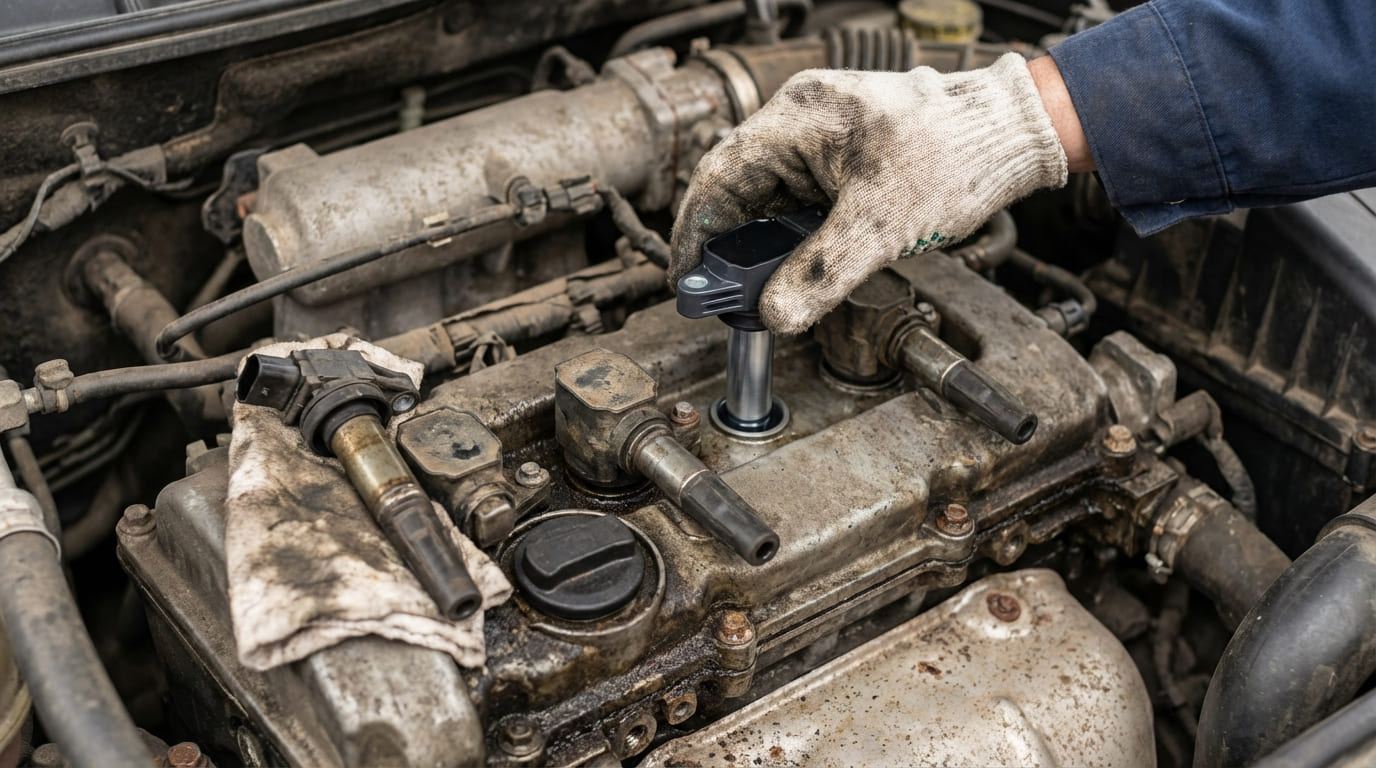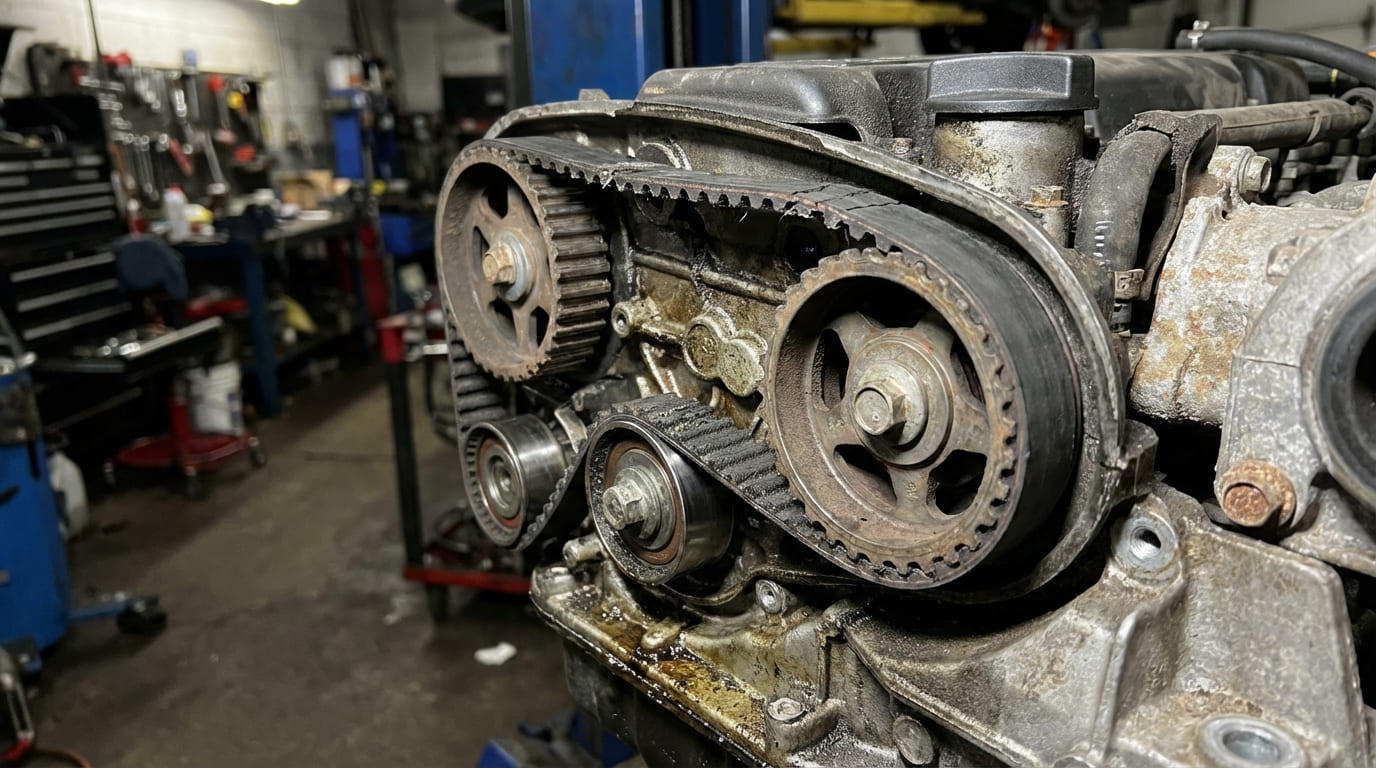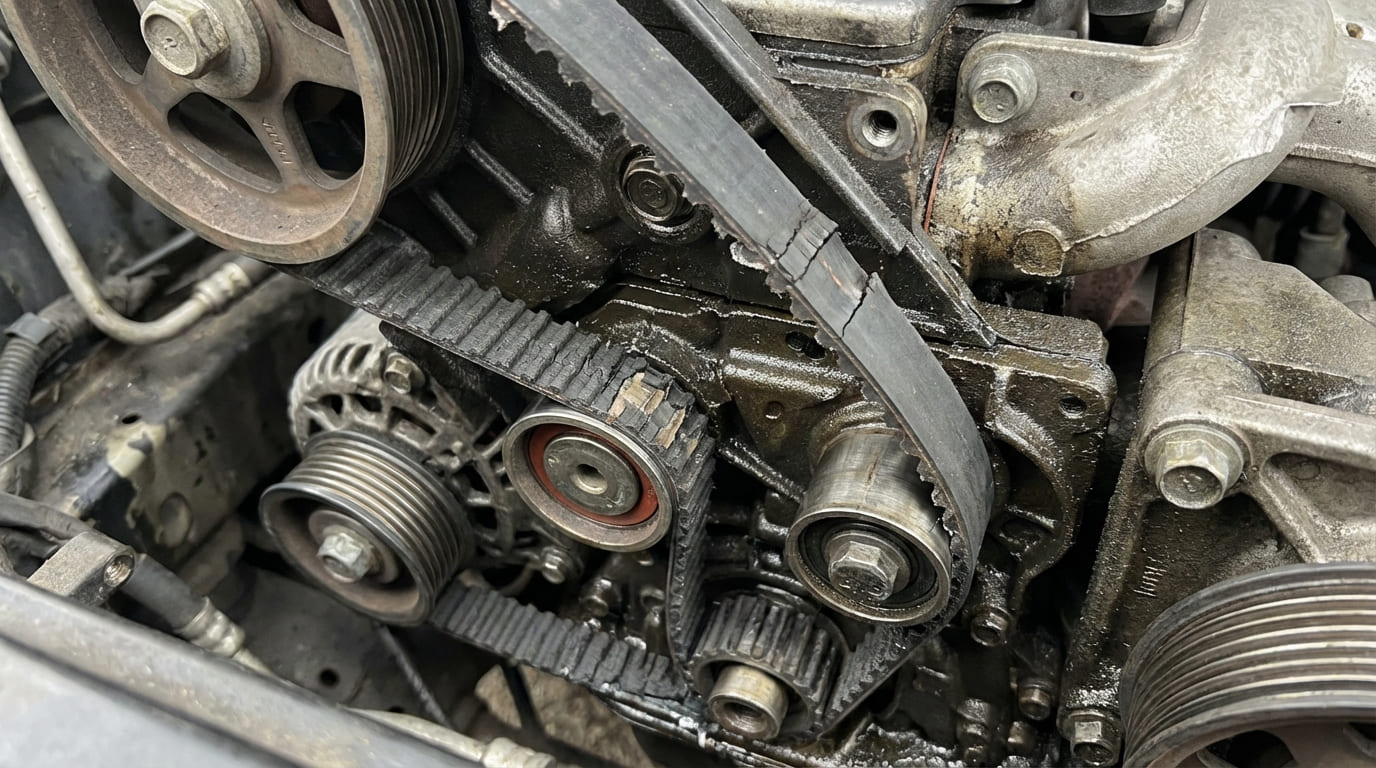
In my shop, I’ve pulled apart hundreds of engines where the timing belt was either the hero that kept things running or the culprit behind catastrophic failure. It’s one of those components that seems simple—just a rubber belt with teeth—but its job is critical: it synchronizes the crankshaft and camshaft so your engine’s pistons and valves don’t collide. Get this wrong, and you’re facing a rebuild. Let me break down exactly what it does, how to spot trouble, when to replace it, and what else should be done at the same time—based on real-world experience.
Core Function: Synchronizing Crankshaft and Camshaft
The timing belt ensures the camshaft opens and closes the valves at the exact moment the pistons move up and down. If the belt slips or breaks, that precision is lost. Even a 2- or 3-tooth jump can cause misfires, hard starts, or poor performance. A complete failure stops the engine—and in many cars, destroys it.
How to Check Valve and Piston Timing (Pro-Level Diagnosis)
Use both physical marks and electronic verification for accuracy.
- Align crankshaft and camshaft timing marks per factory specs. But don’t trust them blindly—some engines re-index incorrectly after a jump.
- Use an oscilloscope to compare crankshaft position (CKP) and camshaft position (CMP) sensor waveforms. If they’re out of phase, timing has slipped—even if marks line up.
- Perform a compression test. Low or zero compression across all cylinders suggests skipped timing or belt failure.
In my shop, we always verify timing electronically after a belt job. I’ve seen engines run rough with perfect-looking marks because the cam sprocket keyway failed—timing was off despite correct alignment.
Consequences of Failure: Interference vs. Non-Interference Engines
This is the #1 thing car owners need to know: whether your engine will self-destruct if the belt breaks.
| Engine Type | What Happens if Belt Breaks | Repair Cost Range | Repairable? |
|---|---|---|---|
| Interference | Pistons hit open valves. Often bends valves, damages pistons, or cracks heads. | $1,500–$4,500+ | Rarely cost-effective to fix |
| Non-Interference | Engine stops, but no internal damage. Valves and pistons never touch. | $300–$800 (belt only) | Yes—replace belt and reset timing |
How to Confirm Engine Type and Damage
You must know which type you have. Check your VIN with a dealership or use online databases like Gates or Gates Timing Belt Lookup.
- Interference engine? If the belt broke, do a leak-down test. Over 10% leakage with air coming from intake or exhaust means bent valves.
- Use a borescope through a spark plug hole to look for valve contact marks in the combustion chamber—saves removing the head.
- Non-interference? Rotate the crank by hand. If the cam doesn’t turn, the belt is broken—but no damage likely occurred.
Never assume your engine is non-interference. I once quoted a simple belt job, only to find out mid-repair the customer had a 2.4L Chrysler—interference design. One missed step could’ve cost them thousands.
What Else the Timing Belt Drives
On many engines, the timing belt also powers other critical parts. When you replace the belt, inspect these too—they’re hidden behind the same cover.
- Water pump: Driven by the timing belt on most Hondas, Toyotas, and Audis. If it fails later, you’ll need another full teardown. Replace it now.
- Balance shafts: Found on some 4-cylinders (e.g., older Subarus, Mitsubishis). A seized bearing here can destroy the belt.
- Oil pump: Rare, but used in some BMWs and Porsches. Failure means instant oil pressure loss—catastrophic risk.
In my shop, we replace the water pump every time the timing belt is off—even if it looks fine. Labor is 90% of the cost. Skipping it to save $80 risks a $1,000 comeback.
Key Components in the Timing System
The belt is just one part. All these wear out together. Replace them as a set to avoid repeat labor.
| Component | Function | Failure Sign | Replace with Belt? |
|---|---|---|---|
| Timing belt | Transfers rotation from crank to cam | Cracks, fraying, missing teeth | Always |
| Tensioner | Maintains proper belt tension | Whining noise, belt flutter, seized plunger | Always |
| Idler pulleys | Guide the belt around corners | Grinding noise, rough rotation, play | Always |
| Water pump | Circulates coolant (if belt-driven) | Leaking, seized bearing, corrosion | Highly recommended |
| Front engine seals | Prevent oil leaks at crank and cam | Oil seepage on belt or pulleys | Inspect and replace if needed |
How to Diagnose Timing Belt Problems
Most failures don’t happen without warning. Here’s how to catch them early.
Visual Inspection (DIY-Friendly)
If you can see the belt (some covers have inspection ports), use a flashlight and mirror.
- Cracks: Hairline cracks at the base of teeth are early wear. Multiple deep cracks mean replacement is due.
- Fraying or delamination: Edges peeling apart? Likely misalignment or tensioner failure.
- Missing teeth: Do not start the engine. Risk of catastrophic damage.
- Oil or coolant on belt: Contamination softens rubber. Replace belt and fix the leak.
Noise Diagnosis (Pro-Level)
Unusual front-engine noise? Could be the timing system.
- Chirping or squeaking: Often a slipping belt—check tension and alignment.
- Grinding or whining: Likely a failing tensioner or idler bearing.
- Use an automotive stethoscope on the timing cover near each pulley. A rough bearing will stand out.
- Remove the belt and spin each pulley by hand. Any resistance, grinding, or play means replace it.
I once chased a chirping noise for weeks on a Subaru. Belt looked fine. Turns out the hydraulic tensioner had lost pressure—causing belt flutter. Replaced tensioner and belt, noise gone. Lesson: noise isn’t always from the noisiest part.
Timing Belt vs. Timing Chain: What’s Better?
It’s not as simple as “chain lasts longer.” Each has pros and cons.
| Feature | Timing Belt | Timing Chain |
|---|---|---|
| Lifespan | 60k–100k miles or 7–10 years (whichever comes first) | Designed for life, but tensioners fail at 100k+ miles |
| Maintenance | Must be replaced on schedule | No scheduled service, but oil changes critical |
| Noise | Quiet. Failing belt may chirp | Can rattle when cold—often mistaken for lifter tick |
| Failure Risk | Sudden break—high risk on interference engines | Gradual stretch or tensioner collapse—may still run |
| Repair Cost | $500–$1,000 (with water pump) | $1,200–$2,500+ (deep engine access) |
Don’t think chains are “better.” I’ve seen more chain tensioner failures on high-mileage Fords and BMWs than I can count. They don’t need scheduled service, but they’re not bulletproof.
When and How to Replace the Timing Belt
Prevention beats expensive repairs. Follow this checklist.
Replacement Interval
Check your owner’s manual. Common intervals:
- Honda: 90k–105k miles or 7 years
- Toyota: 90k or 90 months
- VW/Audi: 60k–80k miles
Time matters. A car sitting for 5 years? Replace the belt—even at low mileage. Rubber dries and cracks.
What to Replace Together
Do it once, do it right.
- Timing belt
- Tensioner
- All idler pulleys
- Water pump (if belt-driven)
- Front crankshaft and camshaft seals (if leaking or aged)
Post-Replacement Checks
Don’t just start it up. Verify it’s correct.
- Check CKP/CMP sensor waveforms with a scope—confirms true synchronization.
- Start engine: listen for smooth idle, no misfires, no noises.
- Scan for codes: P0016, P0340, P0335 indicate timing correlation issues.
After a timing belt job, I once had a Camry run rough with a P0016 code. Marks were perfect. Turns out the installer didn’t release tensioner pressure before tightening. Belt jumped on startup. Always follow factory procedure—step by step.
There’s no substitute for the factory service manual. Torque specs, alignment marks, tension procedures—these vary by model and year. What works on a 2010 Camry could wreck a 2012 model. Your best tool isn’t a wrench—it’s the manual on your bench.