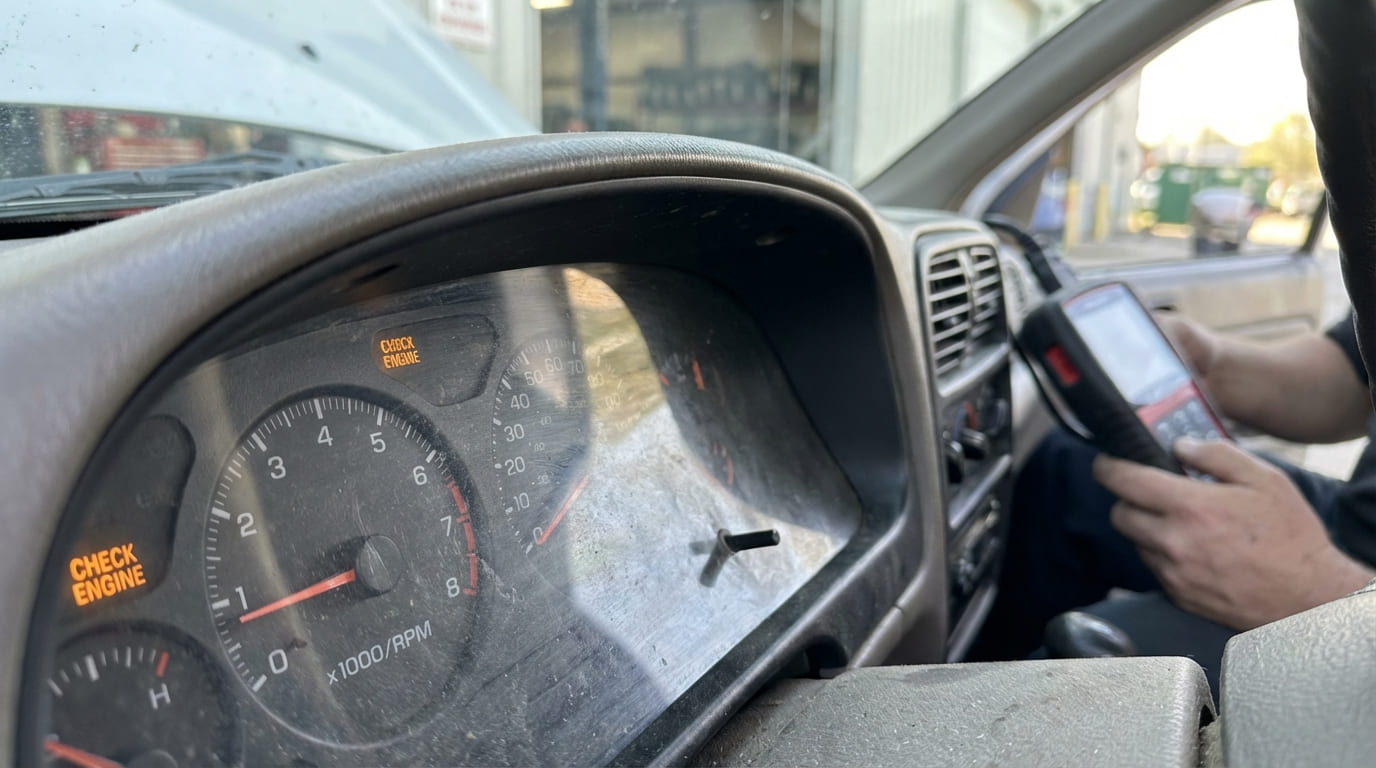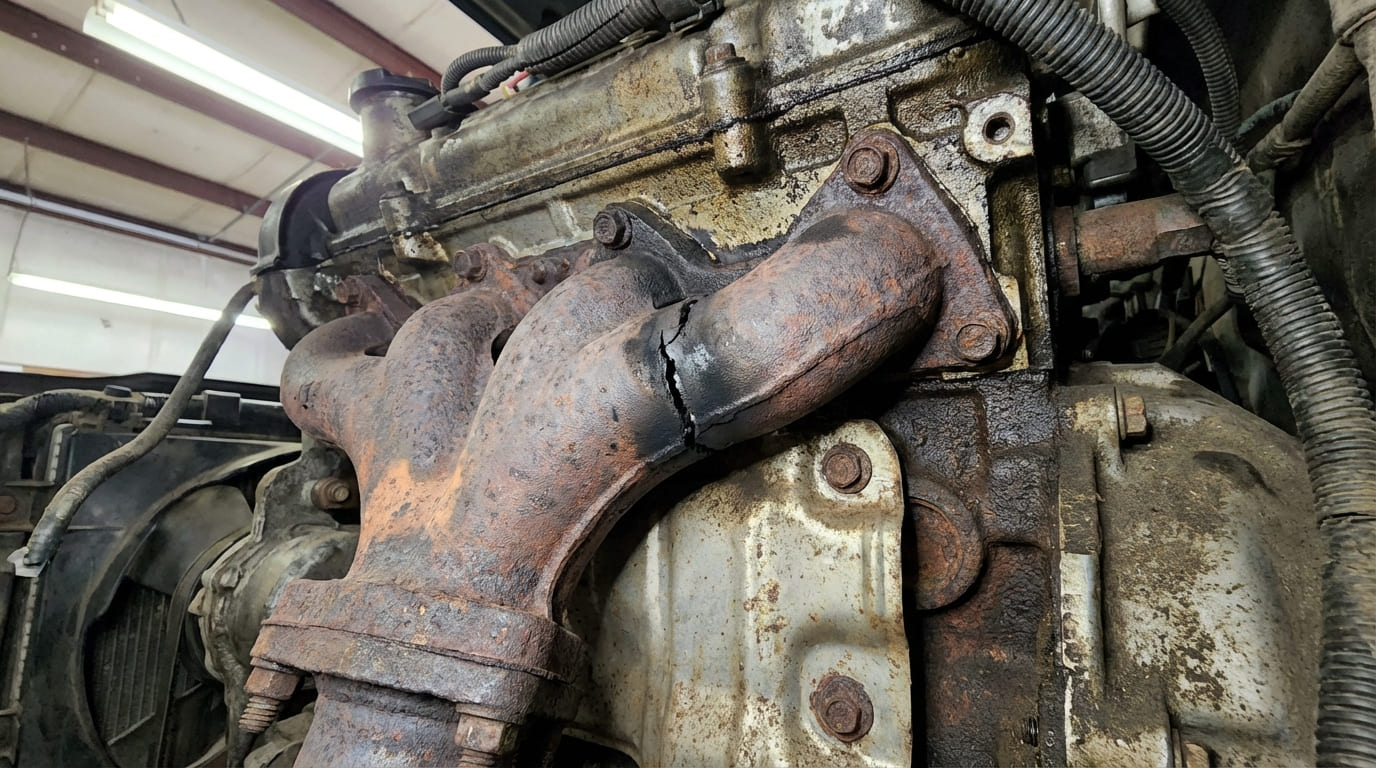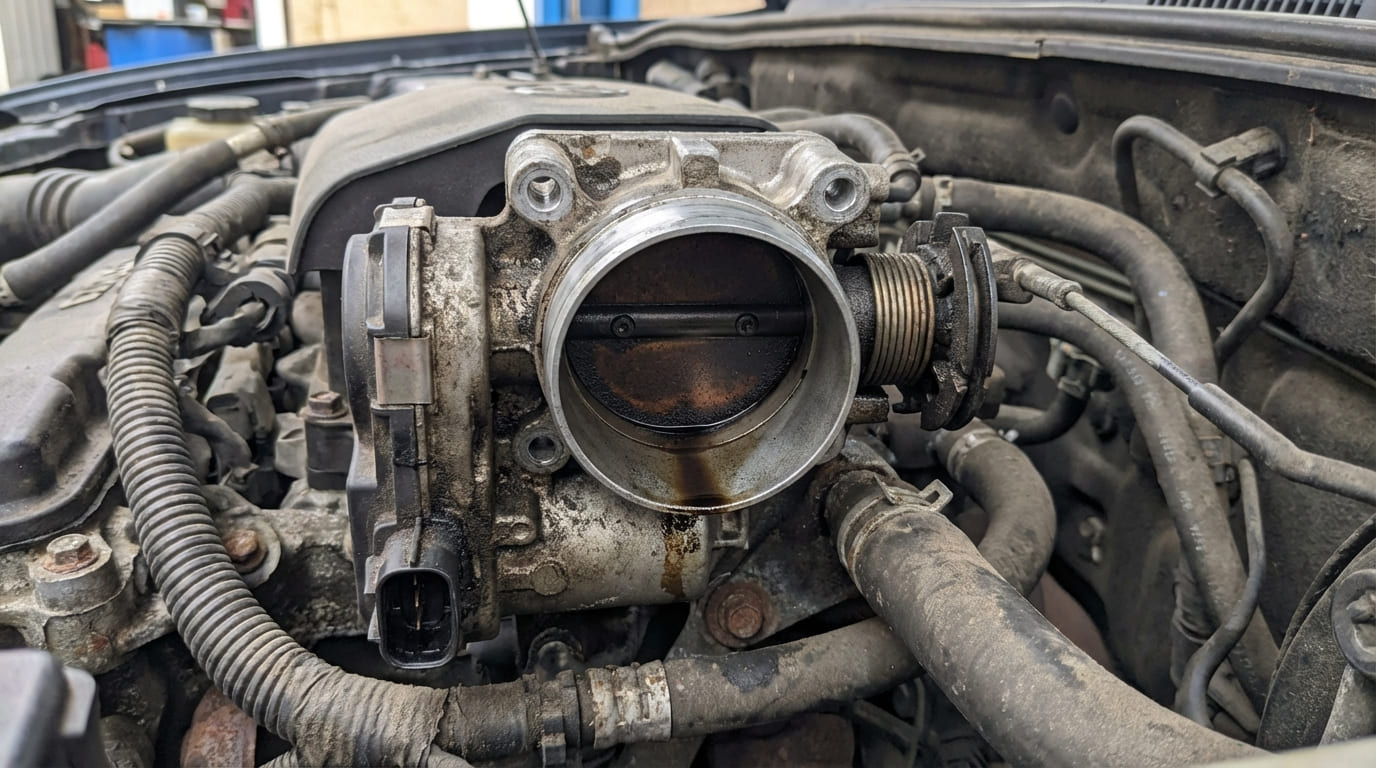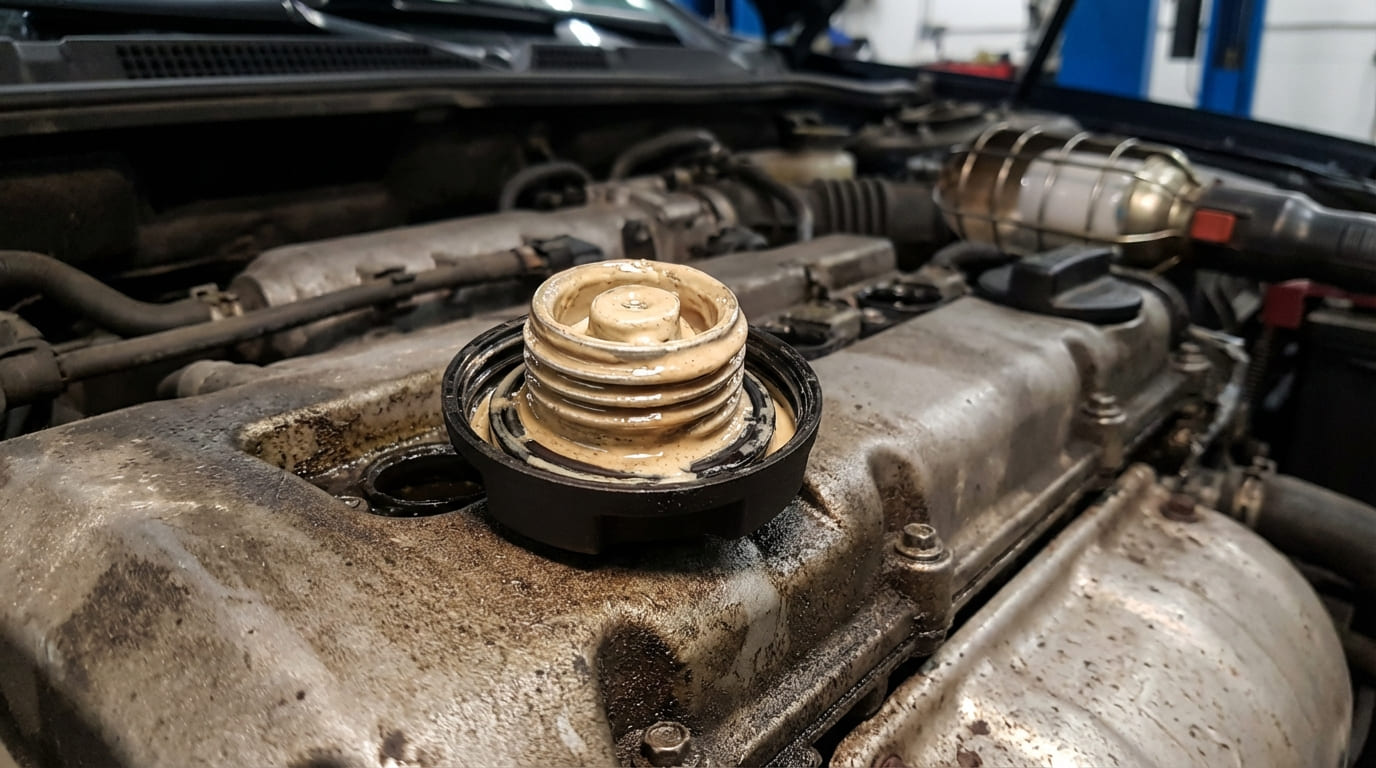
Seeing milky residue under the oil cap or on the dipstick is a red flag. Coolant in engine oil—often called a “milkshake” mix—means two systems designed to stay separate have failed. As a master mechanic, I’ve seen this mistake lead to unnecessary engine replacements when the real cause was simpler and cheaper. This guide cuts through the noise, focusing only on how coolant gets into the oil, how to diagnose it step-by-step, and whether repair is worth it.
How Coolant Reaches the Oil: Common & Hidden Causes
Every path starts with a breach between the cooling system and oil galleries. The key is finding where—and how severe it is. Below are the real-world culprits, ranked by likelihood and repair cost.
Head Gasket Failure (Most Common)
A blown head gasket is the usual suspect, especially after overheating. The gasket seals combustion, coolant, and oil passages. When it fails between a coolant channel and an oil return gallery, coolant leaks directly into the crankcase.
How to Check: Perform a combustion leak (block) test. If the fluid changes color (blue to yellow), exhaust gases are entering the coolant—strong evidence of head gasket or crack. Follow with a cylinder leak-down test: over 10% leakage with bubbles in the radiator confirms a breach.
Cost & Viability: Gasket kits: $80–$200. Labor: $800–$1,500. Repair is viable unless the head or block is warped.
In my shop, we always retorque head bolts after a cold engine has warmed and cooled once. Thermal cycling settles the gasket. Skipping this risks re-leakage.
Cracked Cylinder Head
Aluminum heads crack from overheating, improper torque, or sudden thermal shock (like adding cold coolant to a hot engine). Cracks often link coolant passages to oil galleries or combustion chambers.
How to Check: Remove the head. Pressure-test it at 15–20 PSI while submerged in warm water (180–200°F). Bubbles reveal the crack. Use a borescope to inspect valve seats and coolant ports.
Cost & Viability: Repair via welding or pinning costs $300–$600 but isn’t always successful. Replacement head: $400–$1,200. Often, replacement is faster and more reliable.
Cracked Engine Block
Less common but serious. Freeze damage, severe overheating, or impact can crack the block between coolant and oil passages. Contamination is usually rapid and severe.
How to Check: Remove the engine. Seal all coolant ports and pressurize to 15–20 PSI. Watch for pressure drop or seepage. Use dye penetrant and a black light for fine cracks.
Cost & Viability: Short-block replacement: $1,500–$3,000. Repair (welding, sleeving) is rarely cost-effective. Consider engine swap for older vehicles.
Failed Engine Oil Cooler
Vehicles with factory oil coolers (trucks, diesels, performance cars) can suffer internal core failure. Corrosion or thermal stress breaches the wall between oil and coolant passages.
How to Check: Remove the cooler. Pressurize the coolant side while submerging it—bubbles mean a leak. Or, bypass the cooler with fittings. If contamination stops, the cooler is the culprit.
Cost & Viability: Replacement: $150–$400. Labor: $200–$500. Always test before replacing—bypassing is a cheap diagnostic.
On turbocharged diesels, I always test the oil cooler first. It’s a high-stress component and fails more often than people think. A $50 bypass kit can save you a $1,500 teardown.
Intake Manifold Gasket Leak
Common on GM LS engines and Ford Modular V8s. Coolant flows through the intake. If the gasket fails between a coolant port and oil valley, coolant drips into the crankcase.
How to Check: Pressurize the cooling system cold. Inspect the intake ends and valley for seepage. Remove the intake—pooled coolant or discolored gasket material confirms it.
Cost & Viability: Gasket kit: $50–$100. Labor: $400–$800. Much cheaper than head work. Always rule this out first on affected engines.
Timing Cover Gasket Failure
Rare, but some European and Asian engines route coolant through the timing cover. A failed gasket can allow coolant into the oil.
How to Check: Look for external dampness or residue. Once the cover is off, inspect gasket alignment and passage seals.
Cost & Viability: Gasket: $20–$60. Labor: $300–$700. Replace timing components while you’re in—water pump, tensioners—since access is limited.
Less Common but Real Causes
Block Casting Porosity
Microscopic voids in cast iron blocks can develop into seepage paths over time. Rare, but possible on high-mileage engines.
How to Check: Only after ruling out all other causes. Use UV dye in the coolant, run the engine, then inspect oil under black light for traces.
Cost & Viability: Sealants are temporary. Block replacement is the only real fix—often not worth it unless the engine is otherwise pristine.
Aftermarket Component Failure
After a recent install? A faulty oil cooler adapter, cracked turbo coolant line, or defective radiator tank can leak coolant into the oil path.
How to Check: Disconnect or bypass the new component. If contamination stops, you’ve found the source.
Cost & Viability: Replacement part: $50–$300. Always suspect new hardware if the issue started after installation.
Diagnostic Flow: Step-by-Step Testing
Don’t guess. Follow this sequence to isolate the cause without tearing the engine apart prematurely.
- Visual Check: Inspect dipstick, oil cap, and valve covers. Milky emulsion = contamination. If it clears after a 20-minute highway drive, it may be condensation from short trips.
- Pressure Test: Use a hand pump to pressurize the cold cooling system to 15–20 PSI. Hold for 20 minutes. A drop means a leak—now find where.
- Block Test: Use a combustion leak detector. Color change = exhaust gases in coolant. Points to head gasket or crack.
- Oil Analysis: Lab test confirms glycol in oil. But it won’t tell you the source—only that contamination exists.
- Bypass Oil Cooler: If equipped, disconnect it temporarily. No more contamination? The cooler is bad.
Diagnostic Table: Match Symptoms to Causes
| Symptom / Test Result | Possible Causes (Likelihood) | Next Diagnostic Step |
|---|---|---|
| Milky oil + coolant loss, no external leak | Head gasket (high), oil cooler (moderate), intake gasket (moderate) | Block test, cooling system pressure test |
| Block test positive + white exhaust steam | Head gasket, cracked head/block (high) | Leak-down test, inspect head/block |
| Milky oil only under valve covers | Intake manifold gasket (high), head gasket (low) | Inspect intake valley, pressure test |
| Coolant loss, no milky oil, block test negative | External leak, water pump, heater core (high) | Visual inspection, pressure test |
| Contamination after oil cooler install | Aftermarket component failure (high) | Bypass cooler, pressure test |
Best Practices: Do This, Not That
- ✅ Clean head bolt threads with a tap before reassembly. Debris causes false torque and leaks.
- ✅ Use a calibrated torque wrench. Even 10% error can ruin a seal, especially on torque-to-yield bolts.
- ✅ Check deck flatness with a straightedge and feeler gauge. Warpage over 0.002″ on iron or 0.0015″ on aluminum requires machining.
- ⚠️ Never reuse torque-to-yield (stretch) bolts unless the manual says it’s OK. They lose clamping force.
- ⚠️ Don’t skip the cooling system pressure test before teardown. You might be fixing a phantom leak.
- ⚠️ Don’t assume milky oil means a blown head gasket. Intake gaskets and oil coolers fail more often than people think.
Situation: A 2008 Silverado 5.3L had milky oil. Owner assumed head gasket. Block test was negative. Leak-down was good. After removing the intake, we found coolant pooled in the valley and degraded rear seals. Fixed with a $70 gasket kit and 6 hours labor. Saved the customer over $900.
Situation: A turbo diesel VW had coolant in oil. Block test negative. Bypassed the oil cooler—contamination stopped. The internal core had corroded. Replaced the cooler for $350 instead of tearing down the engine.
Situation: High-mileage BMW with overheating history. Leak-down showed 18% loss on cylinder 3. Head looked fine cold. Heated it to 190°F during pressure test—bubbles appeared between valve seats. Crack only visible under heat. Lesson: some flaws need thermal expansion to show.
When coolant invades engine oil, the fix isn’t always catastrophic. Start with the simplest, most common causes—intake gasket, oil cooler, external leaks—before assuming the worst. Test methodically, bypass components when possible, and always confirm the source before disassembly. Your wallet—and your engine—will thank you.