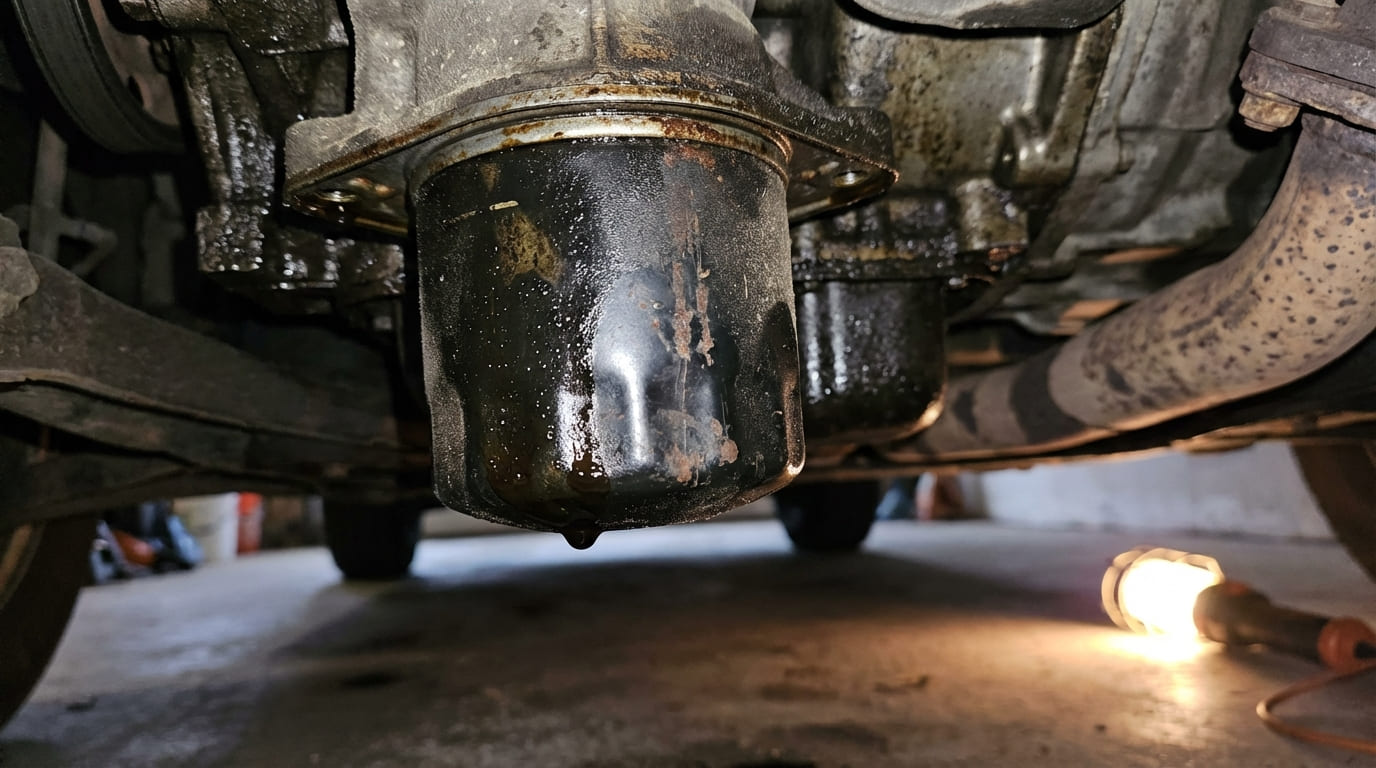
Replacing the oil filter is one of the most critical yet overlooked aspects of engine maintenance. As a senior automotive editor and master mechanic, I’ve seen engines destroyed by neglecting a $10 part. This guide cuts through the noise and gives you actionable steps to protect your engine—whether you’re a beginner or an experienced DIYer.
When to Replace the Oil Filter: The Core Rule
The simplest and most reliable rule: replace the oil filter with every oil change. The cost of a new filter is minimal—typically $8–$25—compared to the risk of engine damage from a clogged or failed unit. But the exact interval depends on three factors: manufacturer recommendations, oil type, and your driving conditions.
Follow the Factory Service Schedule
Start with your owner’s manual. Manufacturers determine oil and filter change intervals based on engine design, oil flow, and emissions systems. For example:
- Many modern Toyotas and Hondas recommend 7,500–10,000 miles with full synthetic oil.
- GM and Ford trucks often specify 5,000–7,500 miles, especially under towing or heavy loads.
- European brands like BMW and Audi may allow 10,000–12,000 miles—but only with OEM-specified filters and oils.
Always adhere to the earlier of time or mileage. Oil degrades over time, even if the car sits. Moisture builds up, acids form, and additives break down. In my shop, I recommend a maximum of 6 months—even for low-mileage drivers.
In my shop, we always replace the filter with every oil change—regardless of oil type or interval. It’s the cheapest insurance you can buy for a $5,000 engine.
Adjust for Oil Type
The oil you use affects how quickly the filter loads with contaminants. Here’s how to adjust:
| Oil Type | Typical Filter Interval | Notes |
|---|---|---|
| Conventional | 3,000–5,000 miles or 3–6 months | Forms more sludge; cellulose filters clog faster. |
| Synthetic Blend | 5,000–7,500 miles | Improved stability, but filter still needs replacement. |
| Full Synthetic | 7,500–15,000 miles (with compatible filter) | Only extend if using a high-capacity synthetic media filter. |
Modify for Driving Conditions
Factory “normal” service assumes highway driving and full engine warm-up. Real-world conditions often demand more frequent changes. If two or more of the following apply, treat it as severe service and reduce your interval by 30–50%:
- Frequent trips under 10 miles (engine never fully warms)
- Stop-and-go traffic or city driving
- Towing, hauling, or heavy loads
- Idling for long periods (e.g., delivery vans, police cars)
- Dusty, dirty, or extreme temperature environments
In my experience, most drivers fall into the severe category—even if they don’t realize it.
How to Diagnose a Failing or Clogged Oil Filter
You can’t see the filter’s condition without removing it, but these symptoms suggest a problem:
Check Oil Pressure
Low or fluctuating oil pressure is the most direct indicator. Before assuming the filter is bad, rule out:
- Low oil level
- Wrong oil viscosity
- Faulty oil pressure sensor
Use a mechanical gauge for accuracy. As a rule:
- Below 10 psi at idle? Investigate immediately.
- Less than 40 psi at 2,000 RPM? Likely restriction or wear.
Listen for Engine Noise
Startup lifter tick that lasts more than 15 seconds? Could be a failed anti-drainback valve or clogged filter delaying oil flow. A deep knocking noise that persists? Could indicate bearing wear from prolonged low pressure.
On a Jeep 4.0L I once worked on, the owner skipped two filter changes. The noise started as a tick. By the time he came in, it was a rod knock. A $15 filter cost him a $3,000 rebuild.
Inspect the Old Filter (When Possible)
After removal, check the filter:
- Spin-on: Cut it open if you suspect issues. Look for metal particles, sludge, or collapsed pleats.
- Cartridge: Common on Audis, BMWs, and Toyotas. Remove and inspect for crushed media or warped end caps.
If the filter is black and saturated, or shows signs of bypass (clean oil on one side, dirty on the other), it’s been compromised.
Choosing the Right Oil Filter
Not all filters are equal. Use this checklist when selecting one:
Match OEM Specifications
Use the OEM part number or a known equivalent. Some aftermarket filters have different bypass valve settings or anti-drainback designs that don’t perform the same under stress.
Check Filtration Efficiency (Beta Ratio)
Beta Ratio measures how well a filter captures particles. A Beta 20 at 10 microns means it traps 95% of particles 10 microns or larger. Most OEM filters are Beta 10–20 at 20 microns. In dusty areas, consider higher efficiency—but know that ultra-fine filters clog faster if oil quality is poor.
Verify Burst Strength and Valve Quality
Filters should withstand 150–300 psi. Cheap units can bulge or burst under cold-start pressure. For anti-drainback valves, silicone lasts longer than rubber in extreme cold or heat.
Use Extended-Life Filters Only When Appropriate
If stretching intervals beyond 10,000 miles, use a filter designed for it. Look for:
- Synthetic or blended media with high contaminant capacity
- Reinforced housing to resist collapse
- Robust bypass and anti-drainback valves
But don’t pair extended-life filters with conventional oil. The oil will degrade before the filter fails—but sludge can still clog it early.
Best Practices for Installation
Even the best filter can fail if installed wrong. Follow these steps:
- Replace the filter with every oil change—no exceptions.
- Pre-fill spin-on filters when possible, especially on overhead cam engines. Reduces startup dry time.
- Clean the filter mounting surface. Check that the old gasket came off—double gaskets cause leaks or flow restriction.
- Tighten to spec: hand-tight plus 3/4 turn is typical, but some require a torque wrench (e.g., BMW, Mercedes).
- Never mix filter types without verifying compatibility. A diesel-rated filter may not flow right on a gasoline engine.
- Don’t rely on oil life monitors. They track oil chemistry, not filter condition.
Real-World Failure Scenarios and Lessons Learned
| Problem | Most Likely Cause | Less Common Causes | Likelihood (Field Experience) |
|---|---|---|---|
| Low oil pressure at idle | Clogged filter or degraded oil | Worn pump, wrong viscosity, bad sensor | ~60% |
| Startup lifter noise >15 sec | Failed anti-drainback valve | Worn lifters, low oil level | ~50% |
| Collapsed filter pleats | Poor media or extended interval | Oil surge (hard cornering), wrong filter | ~70% |
| Engine wear with clean oil | Bypass valve stuck open | Internal leak, wrong oil | ~40% |
Situation: 2015 Toyota Tacoma with low oil pressure at idle. Used full synthetic and premium filter every 7,500 miles.
Discovery: Mechanical gauge confirmed low pressure. Filter looked fine—but anti-drainback valve was cracked due to over-tightening.
Lesson: Even top-tier filters fail if torqued incorrectly. A perfect schedule means nothing if installation is flawed.
Situation: BMW 335i with 12,000-mile intervals developed cold-start tapping. Oil analysis was clean.
Discovery: Filter media was 80% saturated. Bypass valve showed frequent activation.
Lesson: Oil life monitors don’t track filter loading. In high-heat turbo engines, the filter often reaches its limit before the oil does.
Situation: Diesel pickup owner claimed 10,000-mile filter changes with “high-capacity” aftermarket unit.
Discovery: Filter clogged, bypass gummed with soot. Bore scope revealed early piston wear.
Lesson: Extended intervals require a system-wide approach—air filter, DPF, and combustion health matter. A filter can’t fix a sick engine.
After 20 years in the shop, one truth stands out: the oil filter is not just a disposable part. It’s a vital component of your engine’s survival. Always follow the factory schedule, adjust for your driving, use the right filter, and install it correctly. When in doubt, change it. Your engine will thank you.