The Bottom Line: What You’ll Actually Pay
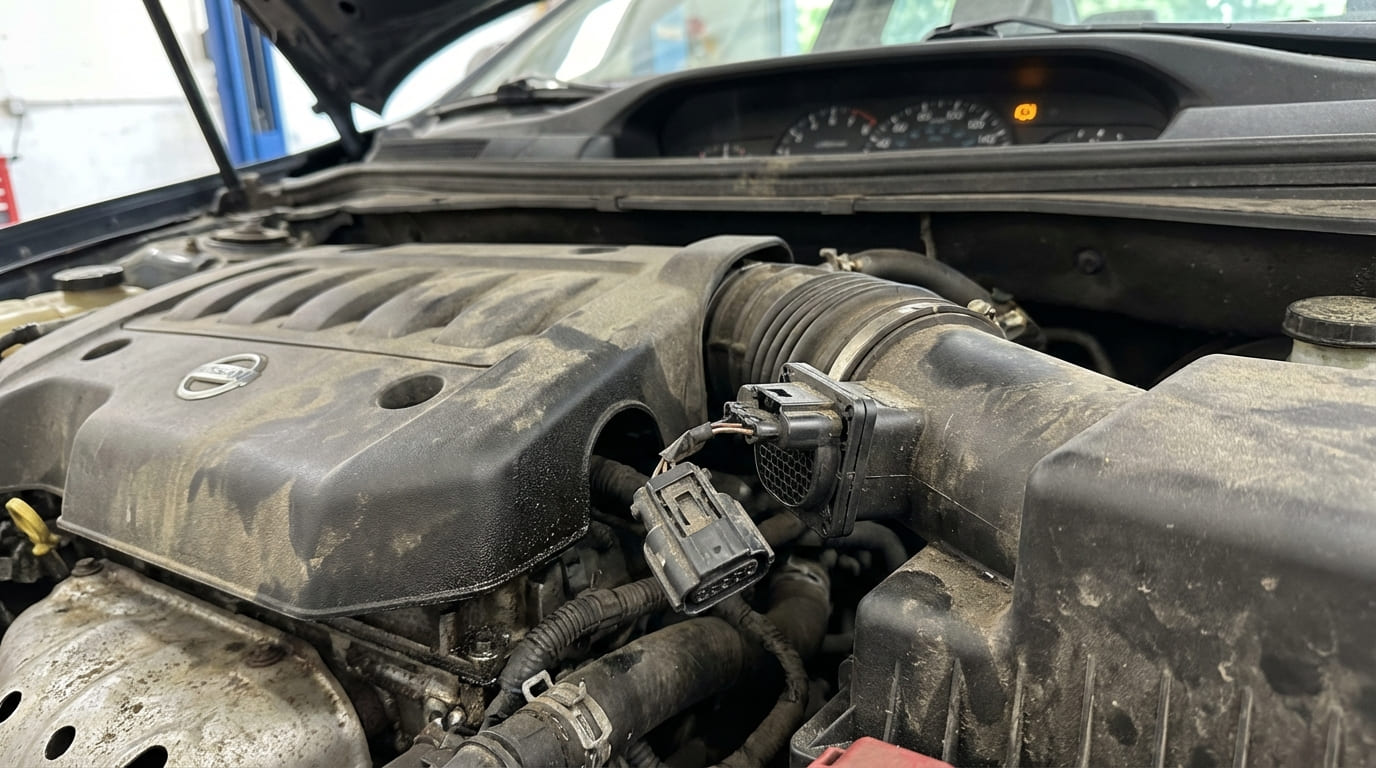
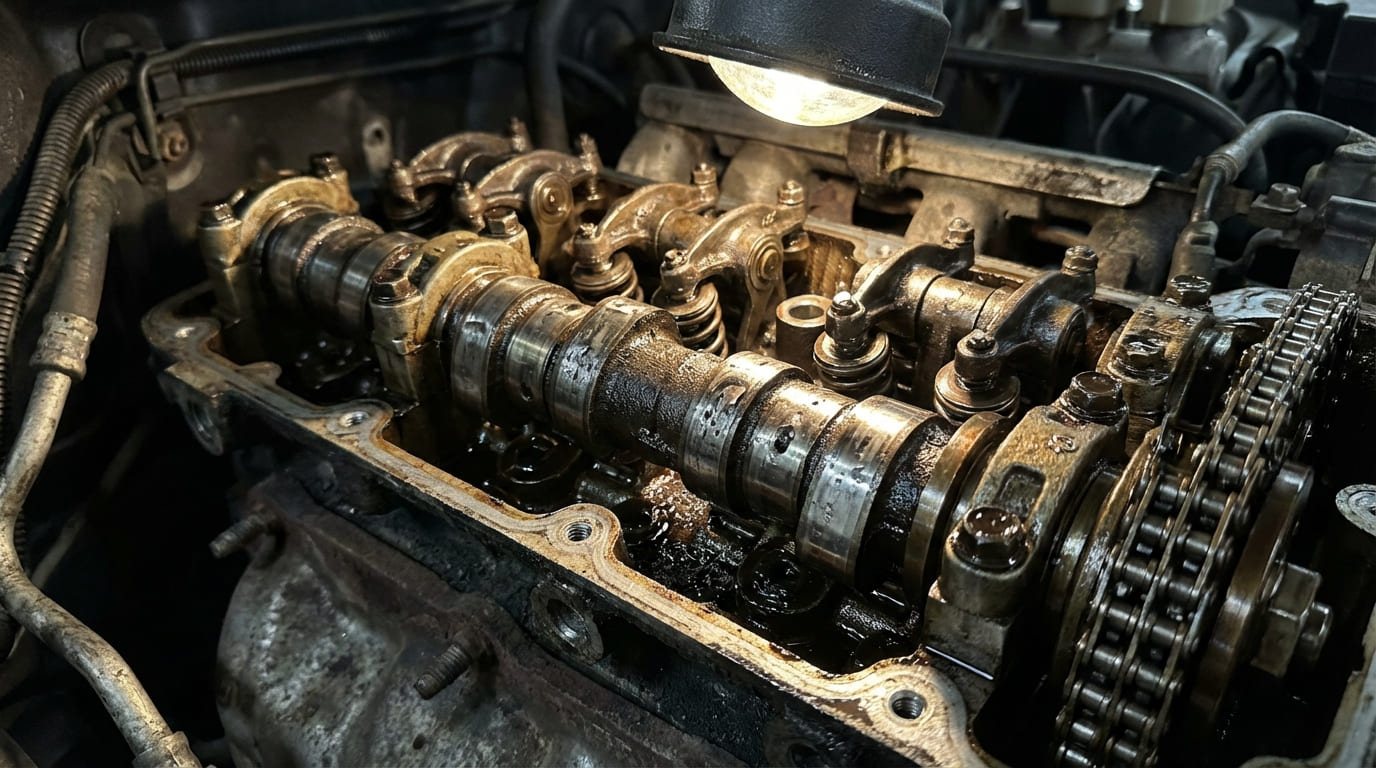
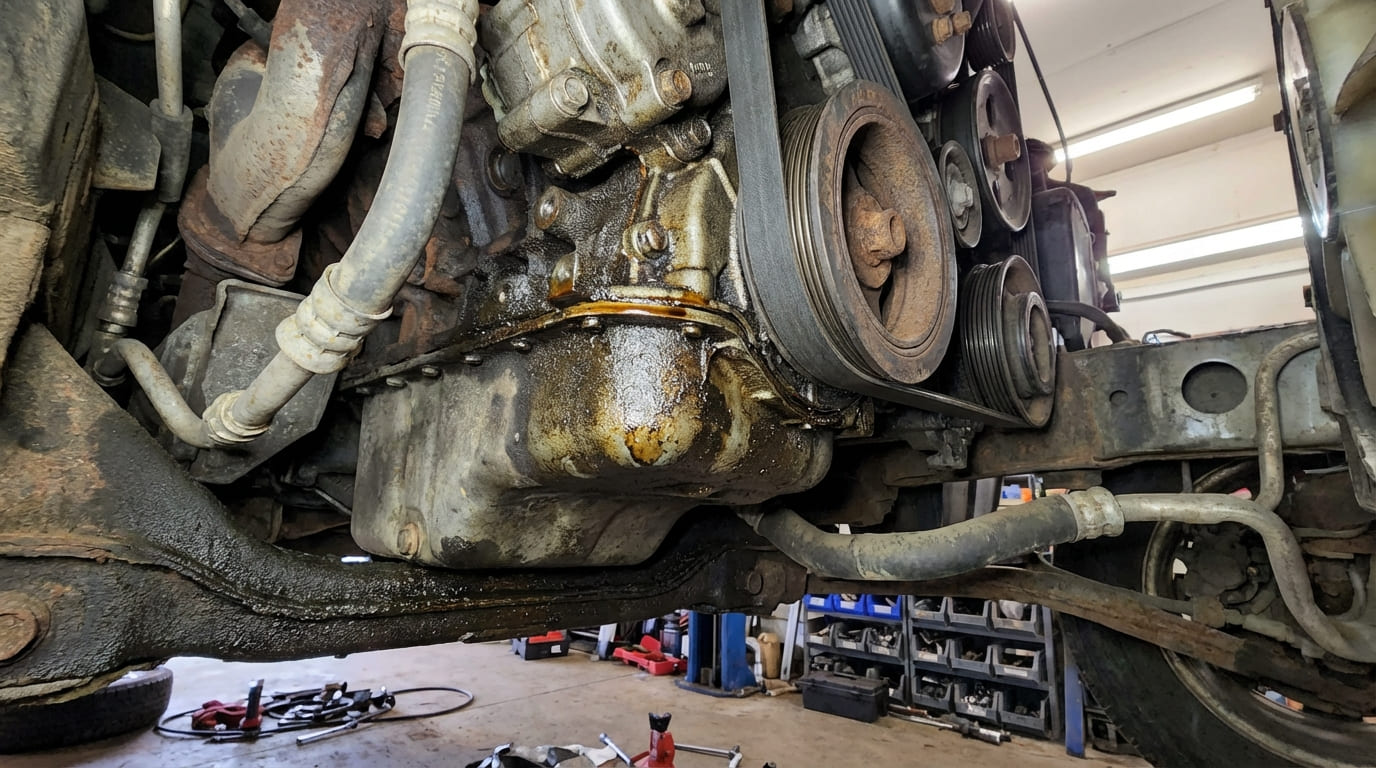
An oil pump replacement typically costs $400 to $2,500+, but the pump itself is cheap ($80–$400)—you are paying entirely for labor access. Oil pan-mounted pumps (common on V8 trucks) run $450–$1,000, while timing-cover-mounted pumps (modern V6/DOHC engines) cost $1,000–$2,500. Critical Warning: True oil pump failure is rare. In my shop, 80% of “low oil pressure” diagnoses are actually clogged pickup screens, worn engine bearings, or faulty sensors. Never authorize an engine teardown without a mechanical pressure test and an oil filter inspection first.
Total Installed Cost by Engine Access Type
Where the pump is located dictates your bill. Labor rates average $100–$160/hour at independent shops.
| Pump Location | Typical Labor Hours | Parts Cost | Total Drive-Out | Common Applications |
|---|---|---|---|---|
| Oil Pan Mounted (Internal) | 3–6 hrs | $80–$200 | $450–$1,100 | GM LS V8s, older FWD 4-cylinders, classic RWD |
| Timing Cover Mounted (Front) | 6–12 hrs | $120–$350 | $900–$2,200 | Modern DOHC I4, most FWD V6 (Camry, Accord) |
| Chain-Driven (Deep Front Cover) | 10–15 hrs | $150–$400 | $1,500–$3,000 | Twin-turbo V6, some modern direct-injection engines |
| Engine Removal Required | 15–25+ hrs | $150–$500 | $2,500–$4,500+ | Audi/VW (certain layouts), Mini Cooper, some transverse V6 |
Cost Breakdown by Vehicle Class
Engine layout and chassis packaging drive massive price differences across vehicle segments.
| Vehicle Class | Typical Examples | Installed Cost Range | Why It Costs This Much |
|---|---|---|---|
| Full-Size V8 Truck | F-150 5.0L, Silverado 5.3L, Ram Hemi | $500–$1,100 | Longitudinal mount, oil pan drops easily, excellent access |
| Economy Inline-4 | Honda Civic, Toyota Corolla, Mazda3 | $700–$1,400 | Timing cover access, but engine bay is tight; subframe drop often needed |
| Midsize V6 Sedan/SUV | Camry V6, Highlander, Accord V6 | $1,200–$2,200 | Transverse V6 requires extensive teardown to reach front timing cover |
| Boxer Engines | Subaru Outback, WRX, Forester | $1,400–$2,600 | Engine must be lifted or removed; pump is buried behind timing gears |
| European Luxury / Turbo | BMW N54/B58, Audi 3.0T, Mercedes | $1,800–$3,500+ | Complex timing procedures, specialized locking tools, expensive OEM parts |
| Compact Euro (FWD) | Mini Cooper, VW Golf GTI, Fiat | $2,000–$4,500+ | Often requires complete engine removal just to access the oil pump |
Regional Pricing: US, UK, Canada, Australia, NZ & Ireland
A 10-hour timing cover job is highly sensitive to local labor rates. All figures converted to USD for comparison.
| Country | Indie Shop Rate | Dealer Rate | Typical V6 Timing Cover Job | Notes |
|---|---|---|---|---|
| 🇺🇸 United States | $100–$150/hr | $150–$210/hr | $1,400–$2,200 | Dealerships will often recommend a crate engine over a pump replacement. |
| 🇨🇦 Canada | C$110–$160/hr | C$160–$220/hr | C$1,600–$2,500 | Slightly higher labor; similar parts pricing. |
| 🇬🇧 United Kingdom | £70–£110/hr | £120–£180/hr | £1,100–£1,900 | VAT (20%) included; strong market for quality aftermarket pumps (Melling, Aisin). |
| 🇦🇺 Australia | A$120–$170/hr | A$170–$240/hr | A$2,100–$3,200 | High labor rates make engine-out jobs financially devastating. |
| 🇳🇿 New Zealand | NZ$110–$160/hr | NZ$160–$220/hr | NZ$1,900–$3,000 | JDM import engines often make used swaps cheaper than deep teardowns. |
| 🇮🇪 Ireland | €75–€120/hr | €130–€190/hr | €1,300–€2,200 | VAT at 23%; Euro-spec timing tools required for most jobs. |
The “It’s Not the Pump” Diagnostic (Read Before Spending)
Low oil pressure rarely means the pump is dead. Worn bearings, clogged screens, and bad sensors are far more common. If you replace the pump without checking these, you will waste thousands.
Step 1: The Mechanical Gauge Test (Mandatory)
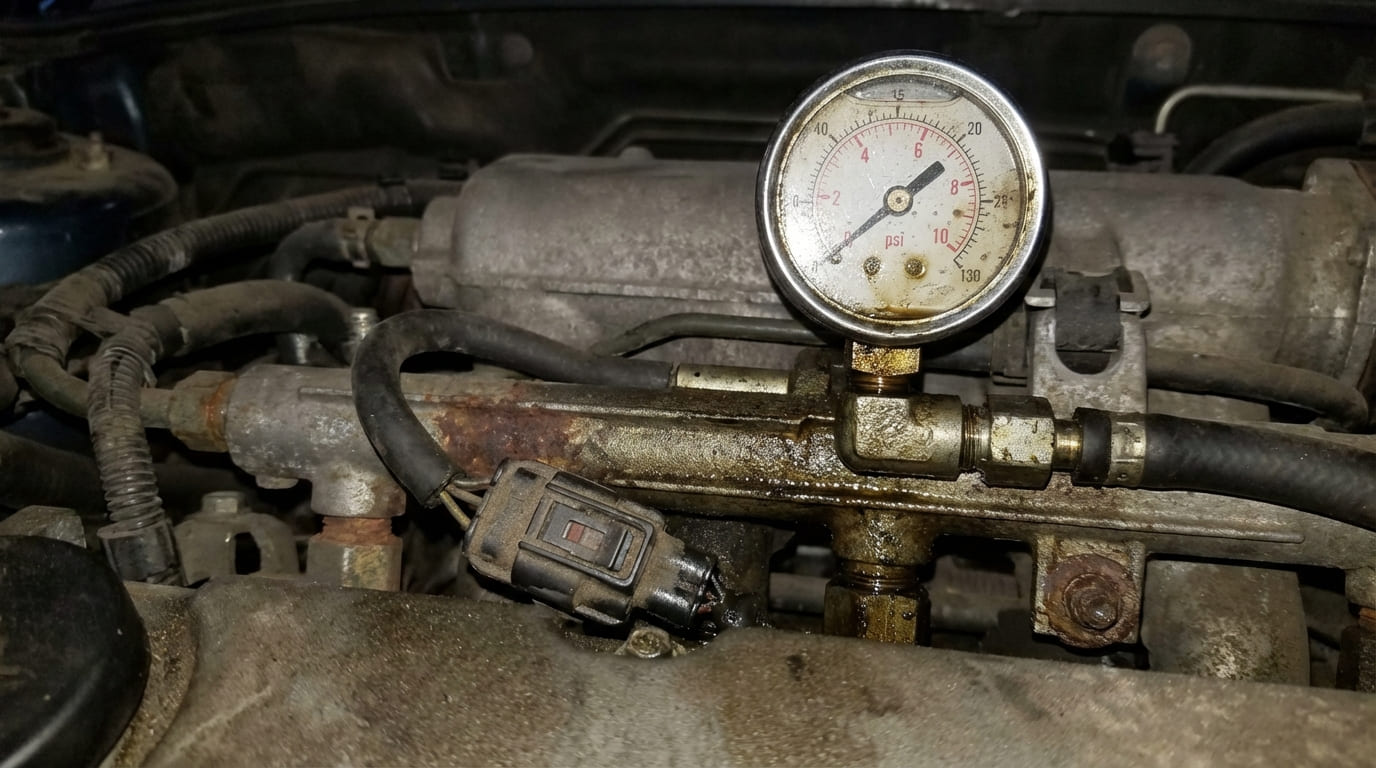
Never trust the dashboard light or digital cluster. Remove the oil pressure sender and screw in a calibrated mechanical gauge.
Typical Specs: 10–15 psi at hot idle, 40–60 psi at 2,000 RPM. If the mechanical gauge reads normal but the dash light is on, you need a $30 sensor, not a $1,500 pump job.
Step 2: The Oil Filter Autopsy
Cut open the old oil filter and inspect the pleats for metal. This tells you exactly what is failing:
- Gold/Brass flakes: Oil pump gear or thrust bearing wear. (Pump replacement justified).
- Copper/Lead flakes: Main or rod bearing wear. (A new pump will not fix this; the engine needs a rebuild).
- Silver/Aluminum flakes: Rod bearings or camshaft wear.
- Thick Sludge: Poor maintenance. The pickup screen is likely choked, starving the pump.
Step 3: The Pickup Screen Inspection
If the oil pan is off, check the pickup tube screen. A glob of RTV silicone from a previous repair, a broken dipstick tip, or heavy sludge will block oil flow. The pump is fine; it’s just suffocating.
Shop Foreman Warning: A 2010 Honda came in with lifter noise and low pressure. The dealer quoted $2,200 for a new pump and timing chain. We dropped the pan and found a massive glob of silicone sealant blocking the pickup screen from a prior valve cover job. We cleaned the screen, reused the pump, and charged $350. Always rule out restriction first.
Hidden Costs & “While You’re In” Parts
If you are paying for 10 hours of labor to access a timing-cover-mounted pump, skipping these parts guarantees a comeback.
- Oil Pickup Tube & Screen: $50–$150. If the screen is dented or heavily varnished, replace it. Don’t risk it.
- Oil Pressure Sensor/Switch: $20–$60. Eliminate false electrical readings post-repair.
- Timing Chain/Belt Kit: $200–$700. If the pump is driven by the timing chain and you have over 100k miles, replace the chain, tensioners, and guides while the cover is off.
- Front Crankshaft Seal: $15–$40. You are already staring at it. Replace it to prevent a future front-main leak.
- Oil Pan Gasket / RTV: $20–$50. Use OEM-specified sealant. (See critical mistakes below).
Critical Mistakes That Destroy Fresh Repairs
Oil pump jobs are unforgiving. Make these errors, and the engine will die on the first startup.
✅ Do This
- Prime the oil pump before startup. Pack the pump gears with assembly lube or petroleum jelly, and use a drill-driven priming tool (if applicable) or pre-fill the filter. A “dry start” will score the new pump gears and starve the bearings in seconds.
- Use a torque angle gauge for timing cover bolts. Many are torque-to-yield (TTY) or require specific angle turns to seal against high-pressure oil galleries.
- Verify timing alignment. If the pump is driven by the timing chain, use factory locking tools. Being off by one tooth can bend valves on interference engines.
⚠️ Never Do This
- Don’t over-apply RTV on the oil pan. Squeeze-out inside the pan will break off and immediately clog your new pickup screen. Use a thin, continuous bead.
- Don’t ignore bearing clearance. If your engine has 200k miles and the bearings are worn, clearances are too large to hold pressure. A high-volume pump might mask it temporarily, but the engine needs a rebuild.
- Don’t reuse stretch bolts. Timing cover and oil pan bolts on modern aluminum engines often stretch. Reusing them causes warpage and massive oil leaks.
Real Shop Case Studies: What Actually Goes Wrong
Case #1: The Viscosity Band-Aid (5.7L Toyota Tundra)
Symptom: Flickering oil light at hot idle. Owner was quoted $1,800 for a new oil pump.
Discovery: Mechanical gauge showed 9 psi at hot idle (spec is 10 psi). The pump was fine; the rod bearings had slight wear from 210k miles, increasing oil clearance.
Lesson: We switched from 5W-30 to a high-mileage 10W-30. Pressure stabilized at 14 psi. Sometimes, thicker oil is the correct, $40 fix for a high-mileage engine. Don’t assume mechanical failure immediately.
Case #2: The DIY Timing Trap (2014 Ford EcoBoost)
Symptom: DIYer attempted to replace a timing-chain-driven oil pump to save $1,500.
Discovery: Failed to use the camshaft locking tools. Upon reassembly, the timing was off by two teeth. The engine started, then immediately bent 8 intake valves.
Lesson: Timing-cover-mounted pumps are not weekend jobs. If you don’t have the factory service manual and specialized locking fixtures, pay a professional. A $1,500 repair became a $4,500 head and valve job.
Case #3: The Sensor Ghost (2018 Chevy Silverado)
Symptom: “Low Oil Pressure” message on dash, engine sounded perfectly fine, no lifter tick.
Discovery: Mechanical gauge read a perfect 45 psi at idle. The oil pressure sensor screen was clogged with sludge, sending a false signal to the ECU.
Lesson: If the engine sounds quiet but the light is on, test mechanically first. A $35 sensor and an oil change fixed the truck.
Decision Framework: Repair, Rebuild, or Scrap?
Use this matrix to decide the financial and mechanical path forward.
| Scenario | Recommendation | Why |
|---|---|---|
| Low pressure, filter has gold flakes, engine sounds quiet | Replace Oil Pump + Pickup Screen | True pump failure. Pump gears are worn, but bottom end is safe. |
| Low pressure, filter has copper/silver flakes, engine knocks | Engine Rebuild or Used Swap | Bearings are destroyed. A new pump will not fix spun bearings. Cut your losses. |
| Low pressure at hot idle only, high mileage (180k+) | Try heavier oil viscosity first | Bearing clearances have opened up. Thicker oil may restore pressure for $50. |
| Pump is fine, but pickup screen is choked with RTV/sludge | Clean/Replace Pickup Screen + Pan Gasket | Restriction issue, not a pump issue. Saves thousands in unnecessary parts. |
| Engine requires removal to access pump (Audi/Mini) | Used Engine Swap vs. Pump Replacement | Labor to pull the engine is the same. If the engine has 150k+ miles, swap in a warranted used engine instead of putting a new pump on an old motor. |
Frequently Asked Questions
Can I drive with a bad oil pump?
Absolutely not. If the pump is truly failing, oil pressure will drop to zero. Driving even a few miles without oil pressure will spin the rod bearings, score the crankshaft, and destroy the engine completely. If your oil light comes on and stays on, shut the engine off immediately and tow the vehicle.
Why is my oil light on but the engine sounds fine?
This is almost always a faulty oil pressure sensor, a wiring issue, or a clogged sensor screen. If the engine had zero oil pressure, you would hear loud ticking, knocking, or rattling from the lifters and bearings. Always verify with a mechanical gauge before tearing down the engine.
Do I need to prime the oil pump before starting the engine?
Yes. Oil pumps are not self-priming if they are completely dry. You must pack the gears with assembly lube or petroleum jelly, and ideally pre-fill the oil filter. If the pump has to suck air out of the system before it can pull oil, the engine will run dry for several seconds, causing permanent damage to the bearings and camshafts.
Will a high-volume oil pump fix my low oil pressure?
It can mask the symptom, but it doesn’t fix the root cause. Low oil pressure on a high-mileage engine is caused by excessive bearing clearance (worn bearings), not a weak pump. A high-volume pump just moves more oil through the oversized clearances. It’s a band-aid; the engine still needs a rebuild.
How long does an oil pump replacement take?
Oil pan-mounted pumps take 3–6 hours (same day). Timing cover-mounted pumps take 8–15 hours (1–2 days). Jobs requiring engine removal can take 3–5 days, largely due to the time required to safely disconnect and reconnect all chassis wiring, AC lines, and subframe components.
What causes an oil pump to fail prematurely?
The #1 killer of oil pumps is contaminated oil. Metallic debris from worn engine parts, or chunks of RTV silicone from sloppy previous repairs, gets sucked through the pickup screen and grinds away the internal pump gears. Skipping oil changes or using the wrong filter also accelerates wear.
Final Takeaway
Oil pressure issues are almost never just about the pump. Before you authorize a $2,000 teardown, demand a mechanical pressure test and an oil filter autopsy. If there is copper or silver metal in the filter, your bearings are gone, and a new pump won’t save the engine. If the filter is clean, you likely have a clogged pickup screen, a bad sensor, or worn bearing clearances that can be managed with heavier oil.
If the pump truly is dead, understand that labor access dictates your bill. On pan-mounted V8s, it’s a straightforward repair. On modern transverse V6s or European engines, the labor cost often exceeds the value of the repair, making a warranted used engine swap the smarter financial decision. Diagnose the entire system—viscosity, filter, pickup, bearings, and sensor—before you crack the pan.