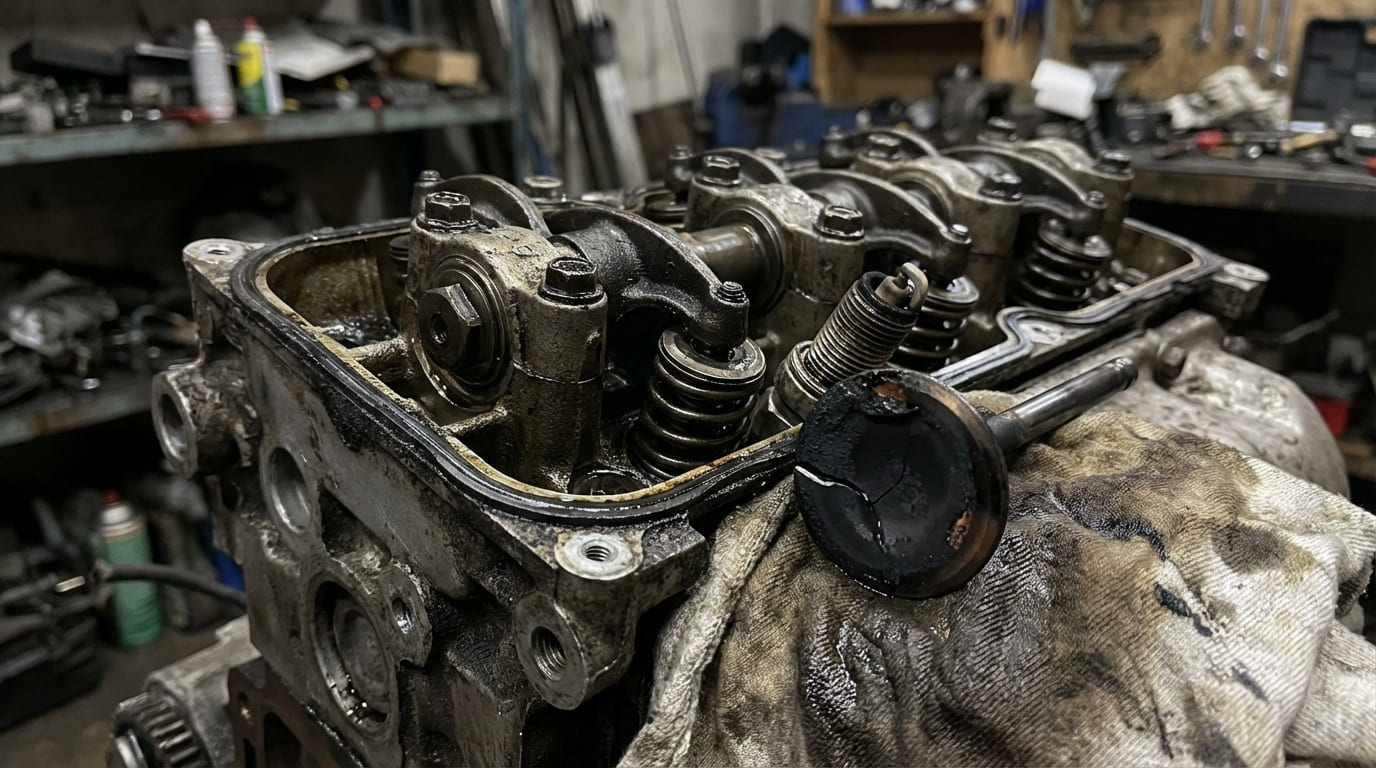
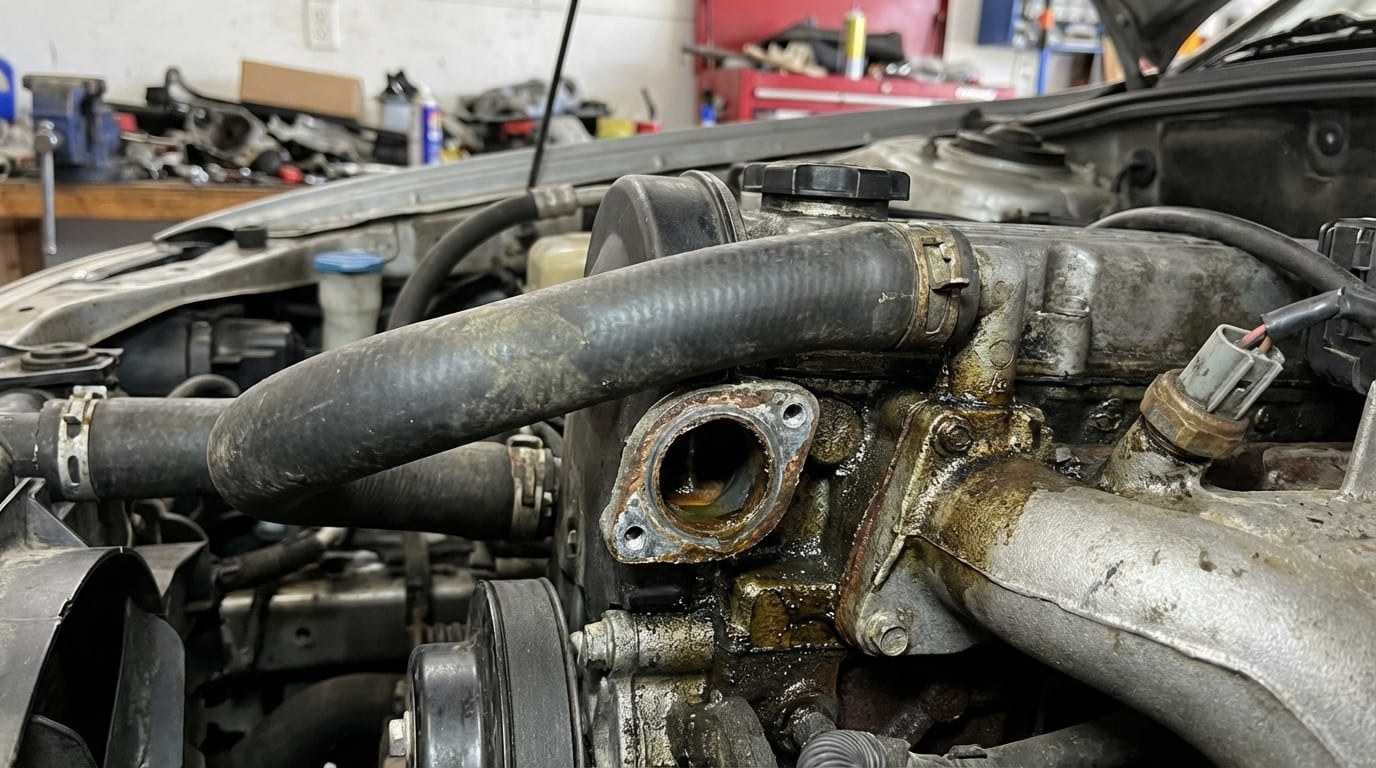
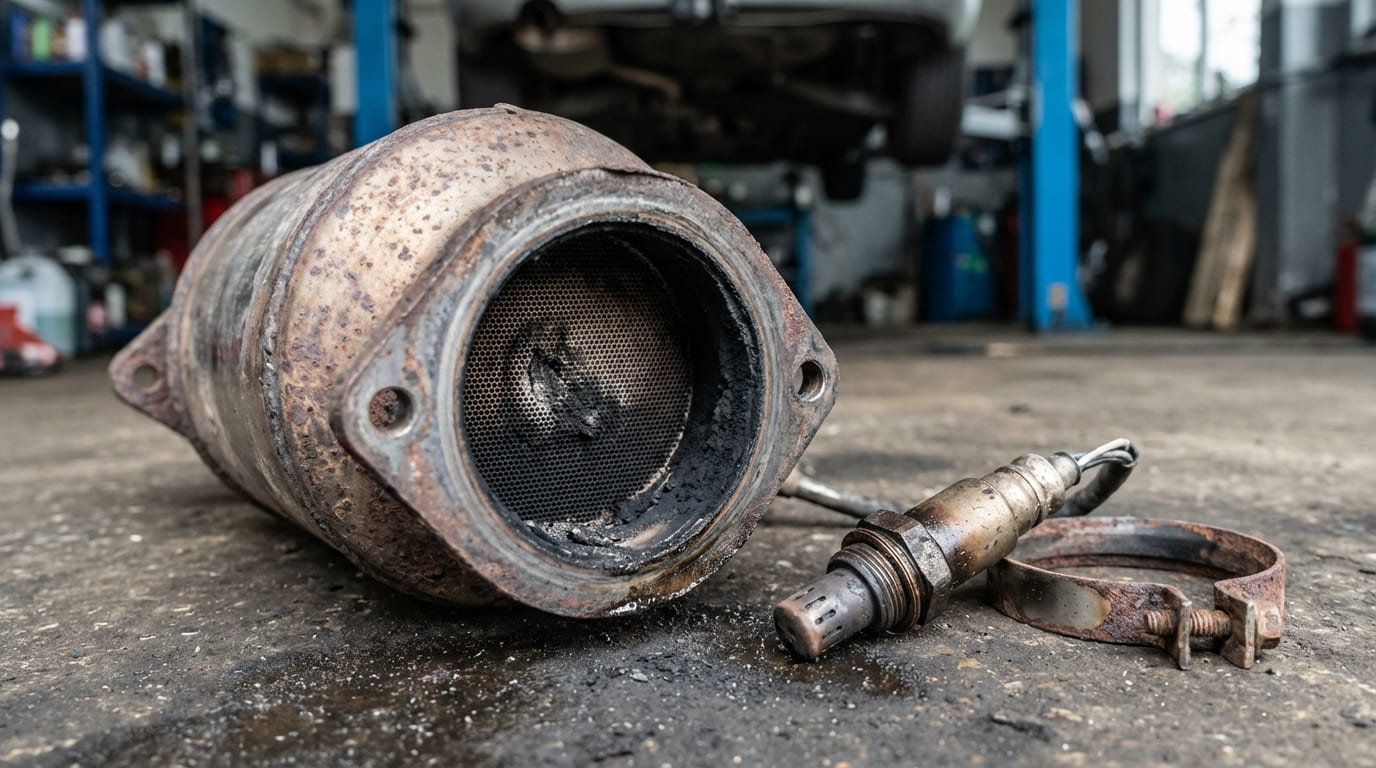
As a master mechanic, I’ve seen connecting rod failures take down engines in every way imaginable. The key to saving time and money isn’t just recognizing the symptoms—it’s diagnosing correctly before tearing into the engine. This guide cuts through the noise and gives you the real-world signs, how to test for them, and whether repair is even viable.
Audible Symptoms of Connecting Rod Damage
The first clue is often what you hear. Rod-related noises are distinct but easily confused with other engine issues. Here’s how to tell the difference.
1.1 Rod Knock (Lower End Knock)
A rhythmic, metallic knock that increases with RPM is classic rod knock. It’s loudest at idle or under light load and typically comes from the lower half of the engine block. Use a mechanic’s stethoscope or chassis ear to isolate the sound—press near the oil pan rails around each cylinder. If the knock peaks at one cylinder, suspect rod bearing wear or rod misalignment.
Don’t confuse this with main bearing noise, which is deeper and more constant across RPMs, or valve train tick, which is higher-pitched and located at the top of the engine. Piston slap often fades as the engine warms; rod knock does not.
1.2 Clattering or Grinding Under Load
A chaotic, grinding, or clattering sound—especially during acceleration—is a red flag. This often means the rod cap is loose, bolts are sheared, or the rod is fractured. I’ve seen rods still attached but bouncing inside the crankcase, destroying everything in their path.
If you hear this, stop driving immediately. Continued operation risks catastrophic engine damage, including cracked blocks or ruined crankshafts.
Performance and Operational Symptoms
Noise alone isn’t enough. Combine it with performance issues to confirm your suspicion.
2.1 Severe Misfire or Violent Engine Shake
A bent rod can cause the piston to travel off-center, leading to piston-to-valve contact. This results in a severe misfire, often with a P030X code. Compression will be low or zero. A leak-down test helps: if air escapes through the oil fill cap, it’s likely past the rings or bearings due to rod misalignment.
A completely broken rod means no piston movement—zero compression, no combustion. The engine runs on fewer cylinders and shakes violently.
2.2 Significant Power Loss
Power loss of 30–40% can occur before knock becomes noticeable. A bent rod increases internal friction and may reduce effective compression ratio. Combine this with noise or misfire, and the case for rod damage strengthens.
2.3 Engine Seizure or Failure to Turn Over
If the engine won’t crank or feels bound up, something is physically blocking rotation. A broken rod can jam against the crankshaft or cylinder wall. But don’t assume it’s mechanical failure—hydro-lock from water or coolant ingestion can cause identical symptoms.
How to check: Remove all spark plugs and attempt to crank. If water or coolant sprays out, you’ve got hydro-lock. If the engine still won’t turn, inspect for internal damage.
Visual and Physical Symptoms
These signs often appear after the fact—but catching them early can prevent total engine loss.
3.1 Low Oil Pressure at Idle
Oil pressure below 10 psi at idle on an engine that should have 20–30 psi suggests excessive bearing clearance. A bent rod can misalign the bearing, accelerating wear. Always verify with a mechanical gauge—electric sensors are often inaccurate.
3.2 Metallic Shavings in Oil or on Drain Plug
Brass or copper flakes mean bearing material is shedding. Silver or steel particles point to rod or crankshaft wear. If the engine is still running, send an oil sample to a lab—they can detect wear metal trends before failure occurs.
3.3 External Engine Damage
A hole in the block, oil pan, or timing cover is the definitive sign of a thrown rod. At this point, the engine is usually beyond economical repair. I’ve seen rods punch through aluminum blocks—repair costs often exceed a replacement long-block.
Definitive Diagnostic Procedures
Don’t guess. Confirm with these tests.
4.1 Compression and Leak-Down Tests
Perform a compression test first. Any cylinder more than 20% below the highest reading needs further investigation. Near-zero compression suggests a broken rod or severe mechanical failure.
Follow with a leak-down test. If air escapes through the oil fill cap, it’s likely past the rings or into the crankcase—indicating rod or bearing damage. Hissing from the exhaust or intake suggests bent valves, which can be caused by a bent rod.
4.2 Borescope Inspection
Insert a borescope through the spark plug hole to watch piston movement. Rotate the crank slowly. A bent rod will show incomplete travel, binding, or scraping. Look for valve contact marks or cylinder wall scoring—clear signs of mechanical interference.
4.3 Oil Pan Removal and Inspection
This is the most revealing non-teardown step. Remove the oil pan to inspect rod caps, bearings, and crankshaft. Look for loose caps, spun bearings, or metal fragments. If you see a rod with visible bend or cap movement, the diagnosis is confirmed.
Recommended / Avoid List
- ✅ Use a mechanical oil pressure gauge to verify electric readings.
- ✅ Perform a leak-down test after compression test to pinpoint failure location.
- ✅ Clean rod bolt threads with a thread chaser—dirty threads cause false torque readings.
- ⚠️ Never reuse torque-to-yield (TTY) rod bolts. Stretch isn’t always visible, and failure is likely.
- ⚠️ Don’t assume knock is rod-related—check idler pulleys, tensioners, and balance shafts first.
- ⚠️ Never drive with confirmed rod knock. Even short distances can destroy the crank or block.
Common Causes of Connecting Rod Damage
Most rod failures have a root cause:
- Hydro-lock (water or coolant in cylinder)
- Over-revving (exceeding redline, especially with manual transmissions)
- Detonation (from poor fuel, carbon buildup, or aggressive timing)
- Lubrication failure (low oil, clogged pickup, worn pump)
- Overheating (warps rods over time)
Hydro-lock is the most common cause I’ve seen—especially in trucks driven through flooded roads. Detonation creates pressure spikes that exceed design limits. And lubrication issues almost always leave behind bearing debris.
Repairability and Cost Considerations
Can you fix one rod? Technically, yes. But realistically, it’s rarely cost-effective. A bent or broken rod likely damaged the piston, rings, cylinder wall, and crankshaft journal. The block may be cracked or holed.
Repair costs vary:
- Partial rebuild (rod, piston, bearings): $800–$1,500 in parts, $1,200–$2,000 labor
- Full rebuild with crank and block service: $2,500–$4,000+
- Remanufactured long-block: $1,800–$3,500 installed
For most economy vehicles, a reman long-block is smarter than piecemeal repairs. For performance or high-value engines, a full rebuild may be worth it.
In my shop, we always inspect rod straightness and crankshaft journals before assuming bearing wear is due to oil neglect. Worn bearings are often a symptom—not the cause. Misalignment from a bent rod destroys bearings fast.
Sudden seizure doesn’t always mean a broken rod. Check for coolant or water in the cylinder first. I’ve saved customers thousands by diagnosing a failed head gasket instead of assuming rod failure.
Overheating weakens rods over time. I’ve seen engines with no over-revving or hydro-lock history fail due to repeated thermal stress. Always check cooling system history when diagnosing rod damage.
Diagnostic Comparison Table
| Symptom | Most Likely Cause(s) | Less Common But Possible Causes | Diagnostic Next Step |
|---|---|---|---|
| Rhythmic knock, RPM-dependent | Worn rod bearings, loose rod cap | Main bearing knock, accessory drive noise | Stethoscope test, oil pressure check |
| Chaotic clatter or grinding | Broken rod, separated cap | Timing chain slap, failed balance shaft | Oil pan removal, visual inspection |
| Severe misfire, low compression | Bent rod causing piston-to-valve contact | Blown head gasket, camshaft failure | Leak-down test, borescope |
| Engine won’t turn over | Hydro-lock, thrown rod | Seized starter, broken flexplate | Remove spark plugs, attempt manual rotation |
| Hole in block or oil pan | Thrown connecting rod | Foreign object damage (rare) | External inspection, assess repairability |
Diagnose the system, not just the part. A bent rod is rarely the root cause—it’s the result of hydro-lock, detonation, or lubrication failure. Always check service history, fluid levels, and recent repairs. And when in doubt, consult the factory manual for torque specs and service limits—what’s acceptable on one engine can destroy another.