In my shop, ignition coil complaints come in all shapes—some obvious, some sneaky. Over two decades, I’ve learned that while misfires are common, the root cause isn’t always the coil. Below is how I approach these cases, balancing diagnostic efficiency with technical precision.
Primary Symptoms of a Faulty Ignition Coil
A failing ignition coil disrupts spark delivery, leading to incomplete combustion. Recognizing the symptoms early can prevent damage to the catalytic converter and other components. Here are the most common signs, based on real-world diagnostics.
Engine Misfire and Performance Issues
A misfire is the most telltale sign. You’ll feel it as rough idle, hesitation during acceleration, or a drop in power. On coil-on-plug (COP) systems, the misfire typically sticks to one cylinder. In waste-spark systems (common on older engines), one failed coil can affect two cylinders. If the engine runs fine at startup but misfires when warm, heat-induced coil failure is likely.
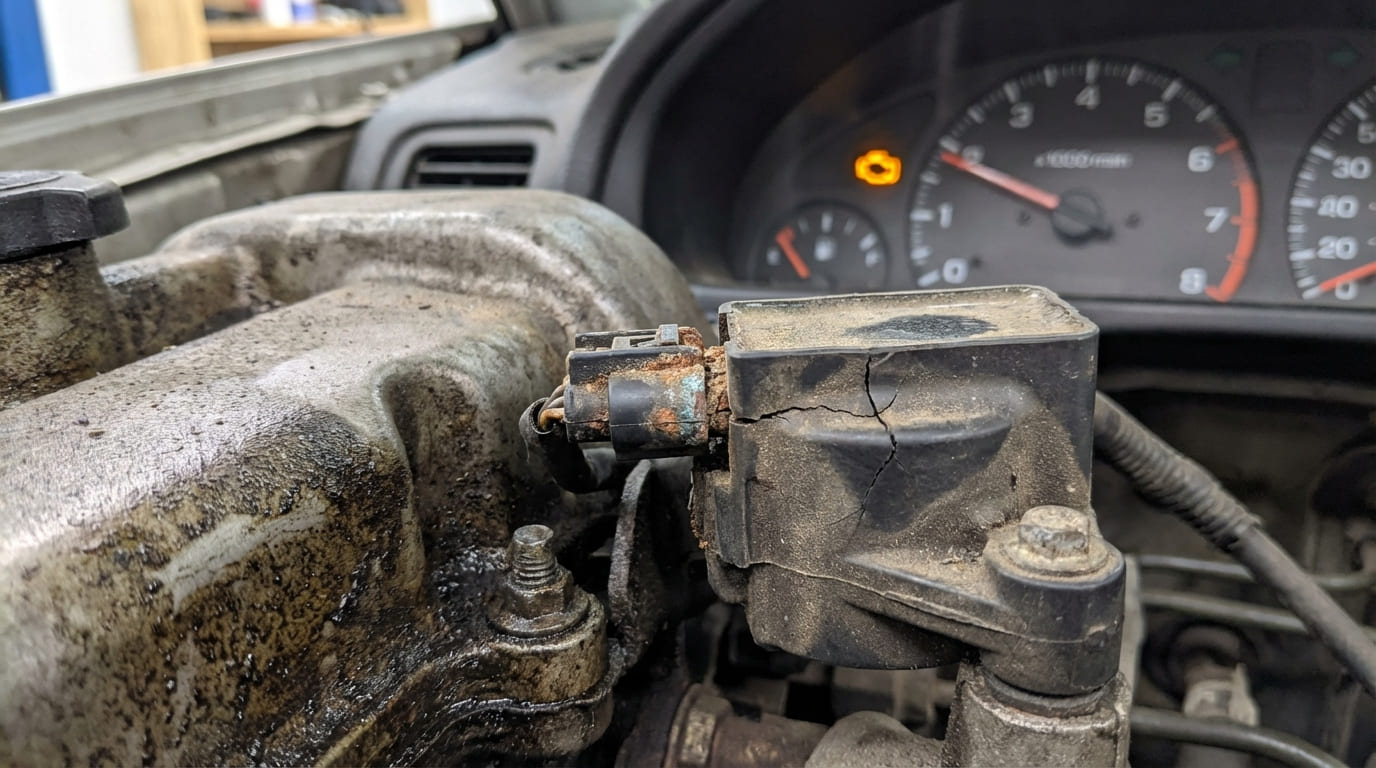
Check Engine Light with Misfire Codes
The ECU detects misfires and stores diagnostic trouble codes (DTCs). P030x codes (e.g., P0301 for cylinder 1) point to a misfire. P035x codes indicate a primary or secondary circuit fault in the coil itself. However, don’t assume the coil is bad—always verify. A P0300 (random/multiple misfire) could be caused by vacuum leaks, fuel issues, or sensor faults.
Reduced Fuel Economy
Unburned fuel from misfires gets dumped into the exhaust. The ECU may also enrich the mixture to compensate, dropping fuel economy by 10–15%. If you’ve noticed a sudden dip in MPG and no change in driving habits, investigate misfire codes.
Engine Stalling or Hard Starting
Intermittent coil failure often worsens with heat. The car may start fine cold but stall at stoplights or refuse to restart until it cools. This is classic thermal breakdown—internal coil windings short when hot. If you’ve replaced the coil and the problem returns, check the wiring and ground circuits.
Increased Exhaust Emissions and Failed Smog Test
High hydrocarbon (HC) readings on emissions tests are a dead giveaway. Unburned fuel exits through the exhaust, triggering failure in states with strict smog laws. On older vehicles without OBD2, this may be the first sign of trouble.
Backfiring or Popping from Exhaust
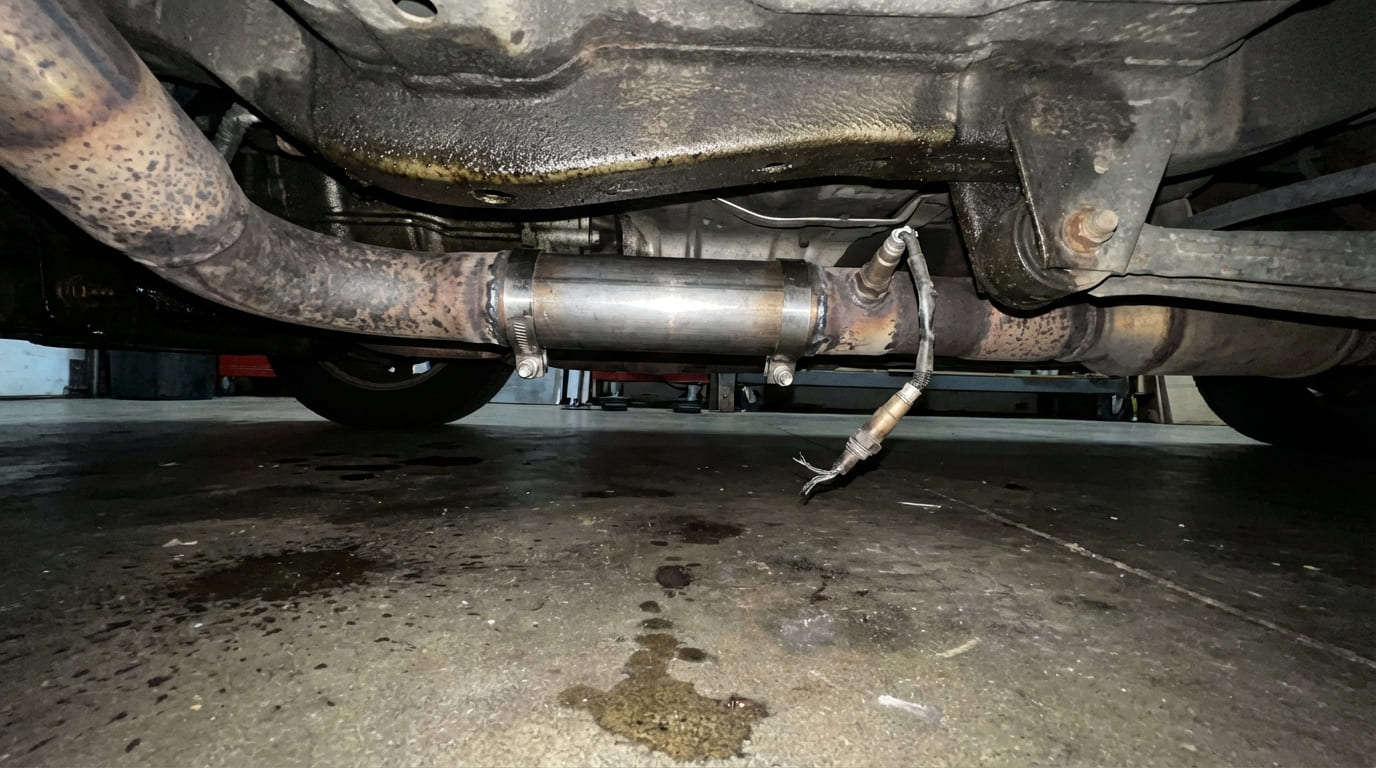
Delayed or weak spark can cause fuel to ignite in the exhaust manifold instead of the cylinder. This results in loud pops or bangs, often mistaken for an exhaust leak. If backfiring coincides with a misfire code, suspect the ignition system.
How to Diagnose a Bad Ignition Coil: Step-by-Step
Replacing coils without testing leads to wasted money. Follow this proven diagnostic path to confirm failure and avoid comebacks.
1. Read and Analyze DTCs with a Scan Tool
Use an OBD2 scanner that shows live misfire counts per cylinder. If cylinder 3 shows 300+ misfires at idle and others are near zero, focus there. Also check fuel trims: long-term trims above +15% suggest the ECU is adding fuel due to misfires.
2. Perform a Coil Swap Test
Swap the suspect coil with one from a known-good cylinder. Clear the codes and test drive. If the misfire moves to the new cylinder, the coil is bad. If the misfire stays, the problem is likely the spark plug, injector, or mechanical issue.
3. Inspect for Physical Damage
Remove the coil and check for:
- Cracks in the housing or boot
- Carbon tracking (black lines where spark jumped)
- Corrosion or bent pins in the connector
- Oil or moisture in the spark plug well
Even minor damage can cause arcing and misfires.
4. Test Coil Resistance with a Multimeter
Set your multimeter to ohms and check:
- Primary resistance: Between the power and control terminals. Expect 0.5–2.0 ohms (verify with OEM specs).
- Secondary resistance: Between the spark plug tower and power terminal. Typical range: 6,000–15,000 ohms.
Out-of-range readings confirm failure. But some coils pass this test and still fail under load—so don’t rely on it alone.
5. Conduct a Spark Test
Use a dedicated spark tester with a 7/16″ or 1/2″ gap. Connect it to the coil and ground it to the engine block. Crank the engine. A strong blue-white spark is healthy. A weak yellow spark or no spark indicates failure. Always use a solid ground—loose connections cause false negatives.
6. Check Wiring and Power Supply
Back-probe the coil connector with a voltmeter:
- Check for 12V on the power wire with the key on.
- Verify ground continuity (less than 0.5 ohms).
- Monitor the control signal with a lab scope or NOID light—should pulse during cranking.
No power or ground? Trace the circuit. A broken wire or blown fuse can mimic coil failure.
Costs and Repair Decisions
Ignition coils range from $30 to $120 each, depending on the vehicle. Labor at a shop: $70–$120 per hour. On most 4-cylinder engines, replacing one coil takes 30–60 minutes. For DIYers, it’s a straightforward job with basic tools.
Repair vs. Replace: If one coil fails on a high-mileage engine, replace all spark plugs. Consider replacing all coils if they’re over 100k miles—preventative maintenance avoids future misfires. But don’t replace all coils just because one failed—test the others first.
| Part | Average Cost (Aftermarket) | Average Cost (OEM) |
|---|---|---|
| Ignition Coil (Single) | $30–$70 | $80–$120 |
| Spark Plug (Copper) | $3–$6 | $8–$12 |
| Spark Plug (Iridium) | $10–$15 | $18–$25 |
Common Pitfalls and Master Tips
Even experienced techs get tripped up. Here’s what to avoid—and what to do instead.
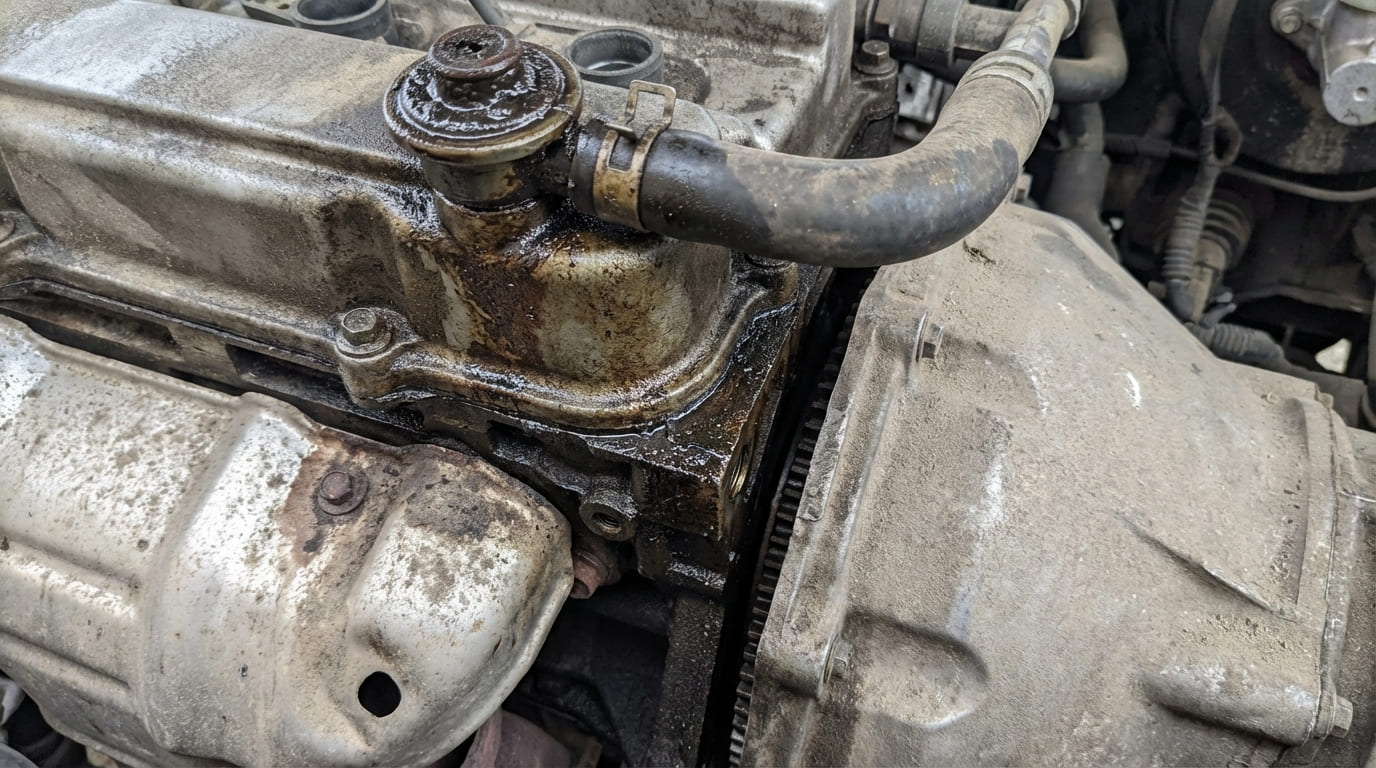
In my shop, we always inspect the spark plug well for oil before replacing a coil. On Subarus, Hondas, and BMWs, leaking valve cover gaskets flood the chamber with oil, causing spark to ground out. Clean the well, fix the leak, and the original coil often works fine. Replacing the coil without fixing the oil leak is a waste.
We never reuse coil mounting bolts on aluminum cylinder heads. They stretch and corrode, leading to cracked coils or stripped threads. Always use new bolts or apply anti-seize if reusing. Torque to spec—overtightening is a common cause of coil failure.
When diagnosing intermittent stalling, I perform a heat-soak test. Run the engine until hot, then monitor misfire counts with a scan tool. If misfires spike at operating temperature, the coil is breaking down. A cold engine test won’t catch this.
When the Coil Isn’t the Problem: What Else to Check
Many issues mimic coil failure. Rule these out before buying parts.
- Spark plugs: Worn or fouled plugs increase firing voltage demand, stressing the coil. Inspect and gap them.
- Fuel injectors: A clogged injector causes a lean misfire. Use a scan tool to check fuel trims or perform a balance test.
- Compression: Low compression (from worn rings or valves) prevents proper combustion. Do a compression or leak-down test.
- Wiring: Chafed wires or bad grounds disrupt coil operation. Test voltage drop under load.
Final Diagnostic Table: Symptom-Based Troubleshooting
| Symptom | Most Likely Cause | Less Common Causes | Diagnostic Priority |
|---|---|---|---|
| P030x + high misfire count on one cylinder | Faulty ignition coil or spark plug | Wiring issue, low compression, clogged injector | Swap test, then compression test |
| P035x code | Coil primary circuit fault (coil, wiring, connector) | ECU driver failure | Check wiring, power, ground, and resistance |
| Intermittent misfire, worse when hot | Failing coil (heat-induced resistance) | Bad ground, failing ECU, fuel pressure drop | Heat-soak test with live data |
| Rough idle, P0300 | Vacuum leak, multiple failing components | Multiple bad coils, cam timing issue | Check fuel trims and perform smoke test |
Ignition diagnostics require patience. While a bad coil is a frequent culprit, it’s not the only one. Always verify with testing, not just codes. Your best tool isn’t the scanner or the meter—it’s your ability to ask the right questions and follow the evidence.