In my shop, I’ve pulled apart hundreds of engines over two decades—some barely holding together, others quietly failing from within. An engine rebuild isn’t a quick fix. It’s a full restoration of the engine’s core components, aimed at returning it to reliable operation, often with performance and longevity close to factory new. But knowing when it’s actually necessary? That’s where experience matters.
What Exactly Is an Engine Rebuild?
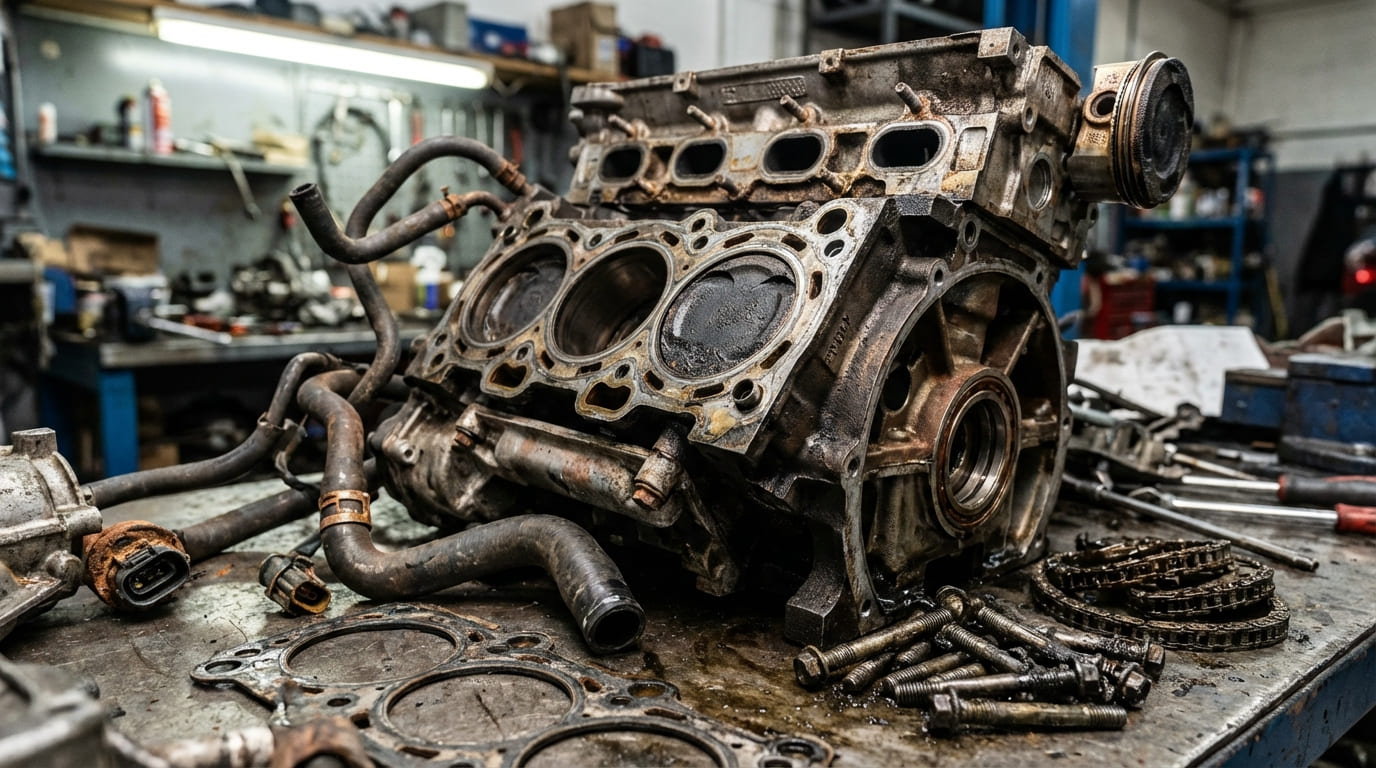
An engine rebuild is a complete mechanical overhaul. It involves disassembling the engine, inspecting every internal component, replacing worn or damaged parts, reconditioning critical surfaces, and reassembling to factory specifications. Unlike a simple repair, a rebuild targets the root cause of failure and restores the engine’s internal integrity.
Scope and Key Components
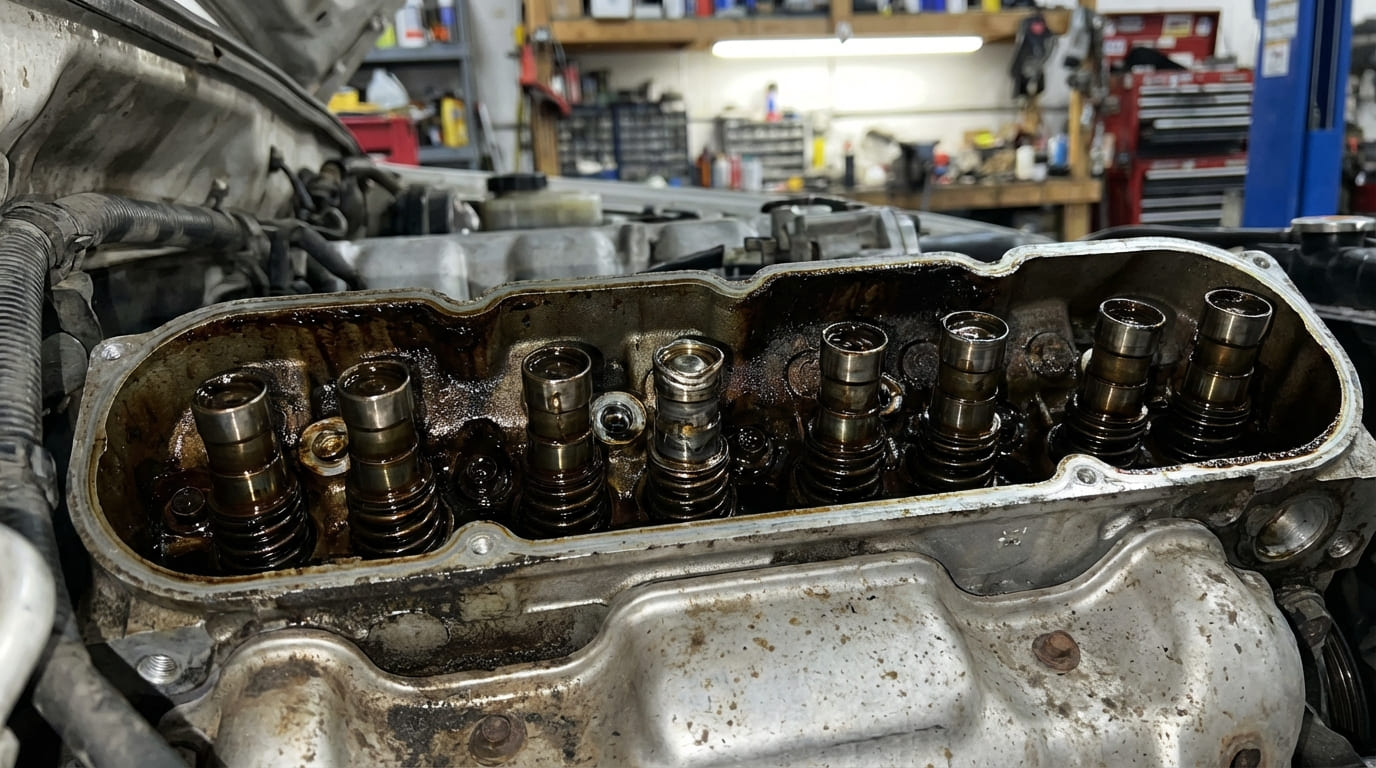
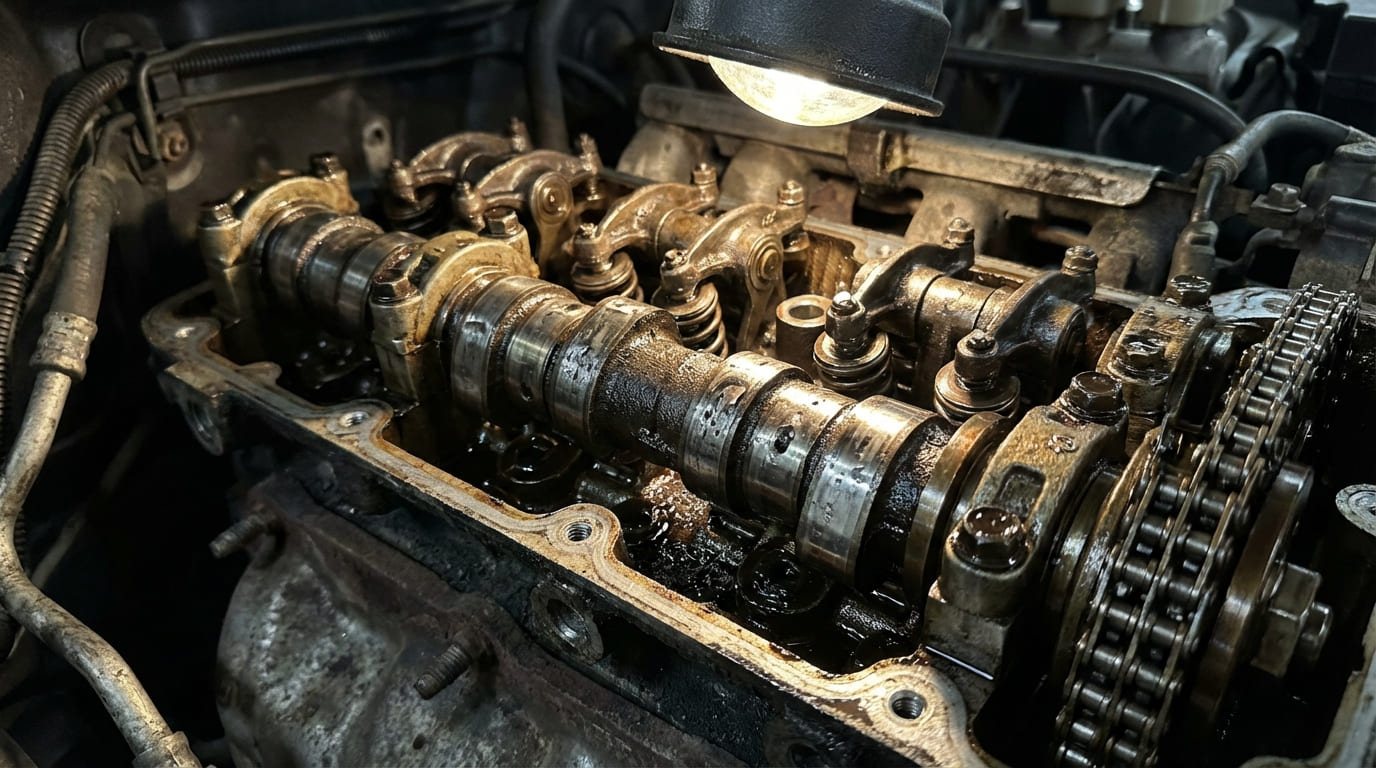
The process begins with full disassembly: removing the cylinder heads, oil pan, timing cover, and rotating assembly. The block and heads are cleaned, magnafluxed (if needed), and machined to restore flatness, bore size, and bearing surfaces. Common replacements include pistons, rings, rod and main bearings, camshaft, lifters, timing set, gaskets, seals, and valve train components.
Every dimension is checked: piston-to-wall clearance, crankshaft endplay, rod side clearance, valve stem-to-guide clearance, and cylinder taper. Precision matters—exceeding OEM tolerances by even 0.001″ can lead to premature failure.
Rebuild vs. Replacement: Making the Call
Rebuilding preserves the original engine block and often the heads. It’s ideal when the core castings are sound and the vehicle has sentimental, vintage, or low-market-value status. A quality rebuild typically costs 40–60% of a new long-block replacement but requires 15–25 hours of labor.
Replacement—using a remanufactured or used engine—is faster and often comes with a warranty. But it can cost $2,500–$5,000+ installed, and you lose engine history. For high-mileage daily drivers, replacement may be more practical.
In my shop, we always rebuild engines that are rare, high-performance, or in vehicles we plan to keep long-term. For everything else, we compare labor cost vs. remanufactured engine pricing. If labor exceeds $1,800, replacement starts to make sense.
Top-End Repair vs. Full Rebuild
A top-end rebuild focuses on the cylinder heads: valves, guides, springs, seals, and head gasket. It doesn’t touch the crankshaft, rods, or pistons. This is sufficient for burned valves or head gasket leaks with healthy compression and no blow-by.
If you’re already pulling the heads and the engine has over 150,000 miles, consider going full rebuild. The extra labor cost is minimal once the engine is apart, and you’ll avoid another teardown in 30,000 miles.
When Is a Rebuild Actually Necessary?
Not every smoking or noisy engine needs a rebuild. The decision should be based on diagnostic evidence, not just symptoms. Here’s how to tell when a full teardown is unavoidable.
Diagnostic Steps to Confirm Rebuild Need
Before pulling the engine, perform these tests:
- Compression Test: Warm engine, disable fuel and spark, remove all spark plugs, hold throttle wide open, crank each cylinder 4–5 revolutions. Compare readings to factory specs (usually 120–160 psi, max variation 10–15%).
- Wet Test: Add 1–2 teaspoons of oil to low cylinders and retest. If compression jumps significantly, rings or cylinder walls are worn. If no change, suspect valves or head gasket.
- Leak-Down Test: Pressurizes each cylinder (100 psi) and measures leakage percentage. Over 20% leakage is a concern. Listen for air escaping: into intake (intake valve), exhaust (exhaust valve), crankcase (rings), or coolant (head gasket).
- Oil Analysis (UOA): Lab testing of used oil reveals metal content. Rising iron = cylinder or crank wear; copper/lead = bearing wear; aluminum = piston damage. Trend data is critical—single readings can be misleading.
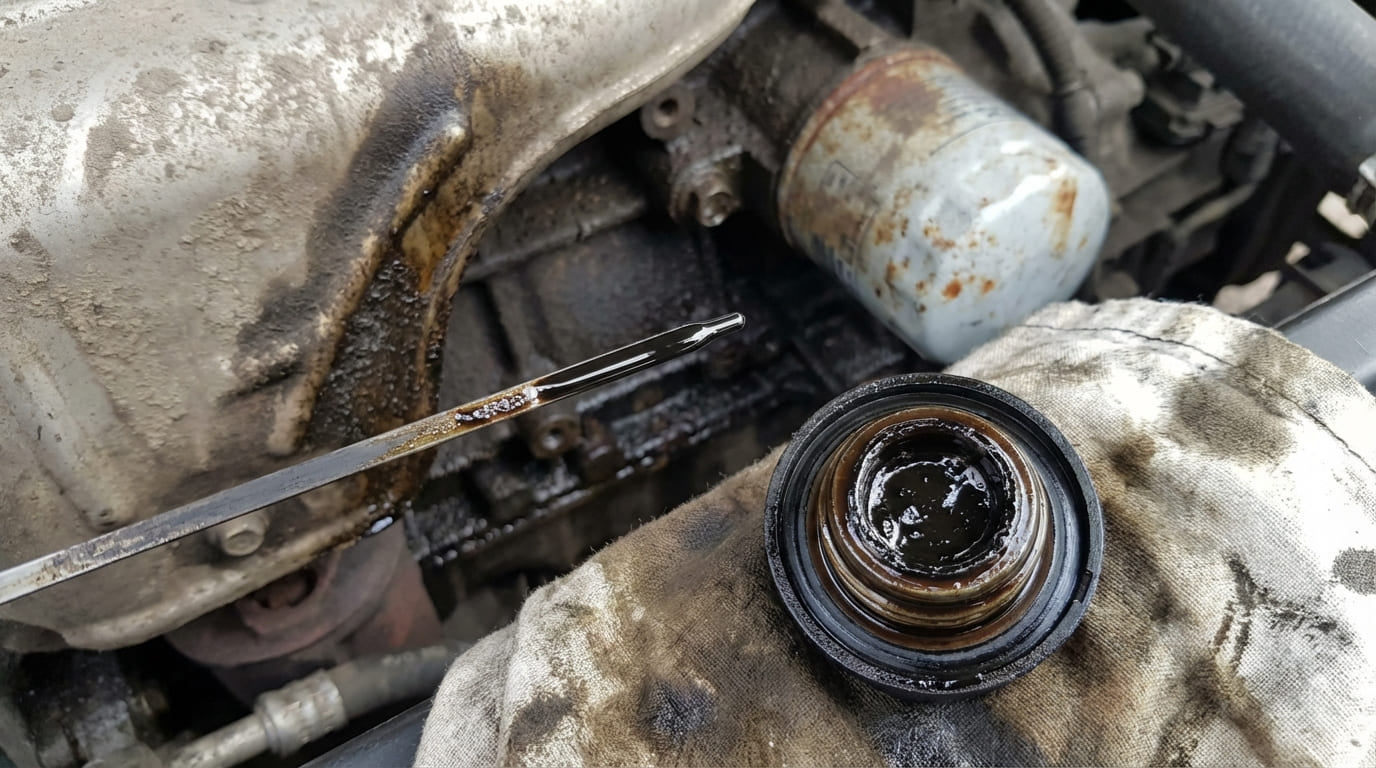
- Visual Inspection: Cut open the oil filter. Metallic sludge or visible flakes indicate advanced wear. Check for coolant contamination (milky oil) or excessive sludge (poor maintenance).
Key Indicators and Real-World Interpretation
Use this table to evaluate symptoms and determine rebuild necessity:
| Symptom | Possible Causes | Rebuild Likely? | Notes |
|---|---|---|---|
| Low compression (all cylinders) | Worn rings, cylinder wear, glazing | Yes, if wear exceeds specs | Wet test helps; check for detonation damage or lack of maintenance |
| Low compression (one cylinder) | Burned valve, head gasket, cracked head | Maybe—could be top-end repair | Leak-down test pinpoints issue; resurface head if warped |
| High oil consumption (>1 qt/1,500 mi) | Worn rings, valve seals, PCV fault | Only if internal wear confirmed | Rule out PCV, turbo seals, or external leaks first |
| Excessive blow-by | Worn rings, cylinder taper | Yes, if severe and consistent | Verify PCV system is functional; measure pressure at oil filler |
| Rod or main bearing knock | Bearing wear, spun bearing, misalignment | Yes—imminent failure risk | Do not drive long-term; inspect crank for scoring or runout |
| Metal in oil | Bearing wear, piston damage, scoring | Depends on type/amount/trend | UOA trend analysis is key; trace iron is normal |
| Coolant in oil or oil in coolant | Head gasket, cracked head/block, intake gasket | Only if gasket or casting failure confirmed | Intake gaskets often overlooked—especially on V8s |
Noise alone isn’t proof of failure. I once diagnosed a “rod knock” that turned out to be a cracked exhaust manifold. Always verify the source with a stethoscope or chassis ear before committing to a rebuild.
Costs, Viability, and Decision Framework
Rebuilding typically costs $2,000–$4,000 out-of-pocket (parts and machine work) if you do the labor yourself. Professional shop labor runs $1,800–$3,000. Compare this to remanufactured engine pricing: $2,500–$5,000 installed.
Ask these questions before proceeding:
- Is the vehicle worth the investment?
- Are core parts (block, heads) crack-free and within spec?
- Are replacement parts available and affordable?
- Do you have the tools and workspace?
If the car is worth $3,000 and the rebuild will cost $3,500, walk away. There’s no shame in retiring an engine. I’ve scrapped more than I’ve saved—knowing when not to rebuild is just as important.
Best Practices for a Successful Rebuild
Even perfect parts fail if assembly is sloppy. Follow these proven steps:
- ✅ Clean all bolt threads with a tap. Dirty or stretched threads lead to inaccurate torque and bolt failure.
- ✅ Use assembly lube on bearings, cam lobes, and lifters. Dry starts destroy rebuilt engines in seconds.
- ✅ Torque bolts in stages and correct sequence. This prevents warping and ensures even clamping force.
- ⚠️ Never reuse torque-to-yield (TTY) head bolts unless the manual explicitly allows it. These stretch permanently.
- ⚠️ Always perform a leak-down test after rebuild, before startup. Catches sealing issues early.
- ⚠️ Double-check all clearances—even with machined parts. Reputable shops make mistakes.
Real-World Cases That Changed Minds
Situation: 2003 Toyota 4Runner with white smoke and coolant loss. Owner assumed head gasket.
Diagnosis: Compression even, but leak-down showed air in intake manifold. Cracked intake gasket between coolant and plenum.
Outcome: Replaced intake gasket for $300. No rebuild needed.
Lesson: Not every coolant issue is a head gasket. Test before tearing down.
Situation: 5.0L Ford Mustang with deep knock under load. Owner bought new pistons and rods.
Discovery: Bearings looked fine. Crankshaft had 0.003″ runout—bent from prior imbalance.
Outcome: Replaced crank. Knock gone. Saved $2,800.
Lesson: Noise doesn’t always mean wear. Check crank straightness and balance.
Situation: Diesel pickup with low power and high oil consumption. Compression down across all cylinders.
Discovery: Bore scope showed glazing but no scoring. Wet test failed. EGR cooler leak caused carbon buildup on intake valves.
Outcome: Cleaned intake and replaced EGR cooler. Power restored.
Lesson: Compression loss isn’t always mechanical. Rule out airflow and sensor issues first.
Final Thought
A rebuild is a major commitment. It’s not a cure-all for every aging engine. The key is disciplined diagnostics: test, retest, and rule out simple causes before disassembling the short block. Always consult the factory service manual—specs vary widely between engines. And remember: preserving a good engine is always cheaper than rebuilding a bad one.