In my shop, hydraulic lifter noise is one of the more common complaints—especially on engines with over 100,000 miles. The ticking or clattering sound might seem like a simple fix, but the real issue isn’t always the lifter itself. And the cost? It can range from $800 to over $4,000 depending on engine type, labor rates, and what you find under the valve cover. Let me break down exactly what you’re paying for, how to diagnose it right, and whether repair or replacement makes financial sense.
Hydraulic Lifter Replacement Cost Overview
The total cost for professional hydraulic lifter replacement varies significantly. These are the real-world price ranges I see across independent shops and dealerships. Keep in mind: these assume no major complications. Hidden damage can double the bill.
| Engine Type | Total Cost Range (Parts + Labor) |
|---|---|
| Four-cylinder | $800 – $1,500 |
| V6 / Inline-6 | $1,200 – $2,500 |
| V8 / V10 / V12 | $1,800 – $4,000+ |
The biggest cost driver isn’t the lifters—it’s labor. On modern engines, accessing the valve train can require removing the intake manifold, turbocharger, or even the engine mounts. That’s where the hours add up.
What Affects the Final Price?
Three factors dominate the final invoice: engine design, labor rates, and hidden damage. Here’s how they play out in real repairs.
- Engine configuration: DOHC, turbocharged, or transverse V6 engines often require 2–3x more labor than a simple inline-4.
- Vehicle make/model: Luxury or performance models (e.g., BMW N54, Ford EcoBoost, GM LS) have complex access paths and higher OEM part costs.
- Labor rates: $80–$110/hour in rural areas vs. $150–$200+ in major cities. Same job, different zip code—$1,000+ difference.
- OEM vs. aftermarket parts: OEM lifters cost more but often last longer. On some engines (e.g., Toyota 2JZ, Nissan VQ), aftermarket lifters fail within 12 months due to poor check valve design.
- Additional repairs: Worn cam lobes, pitted rocker arms, or sludge buildup can turn a $1,500 job into a $3,500 teardown.
In my shop, we always quote a range—not a flat rate—because we’ve learned the hard way: what you see under the valve cover is rarely the full story.
Parts Cost Breakdown
Here’s what you’ll pay for components, based on common engines I’ve worked on.
| Part | Cost Range |
|---|---|
| Hydraulic lifter (OEM) | $15 – $75 each |
| Hydraulic lifter (aftermarket) | $8 – $40 each |
| Valve cover gasket set | $20 – $100 |
| Intake manifold gasket set | $30 – $150 |
| Timing cover gasket (if needed) | $50 – $200 |
| Rocker arms | $10 – $60 each |
| Pushrods | $5 – $25 each |
| Camshaft (replacement) | $200 – $800+ |
| Engine oil & filter | $30 – $100 |
Pro tip: Replace the full set of lifters—even if only one is noisy. On engines over 80,000 miles, the rest are likely worn. Replacing just one means you’ll be back in six months, paying labor again.
Labor: The Hidden Cost
Labor makes up 60–80% of the total cost. Here’s how long these jobs typically take.
| Engine Type | Labor Hours |
|---|---|
| Four-cylinder | 6 – 12 hours |
| V6 / Inline-6 | 8 – 16 hours |
| V8 / V10 / V12 | 10 – 25+ hours |
Dealership labor rates are often 30–50% higher than independent shops. If you’re paying cash, consider a trusted independent with ASE-certified techs. You’ll save $500+ on labor alone.
How to Diagnose a Bad Hydraulic Lifter
Don’t assume ticking = bad lifter. Many issues mimic lifter noise. Follow this diagnostic path before authorizing any repair.
Step 1: Identify the Noise
Classic symptoms:
- Ticking at cold start that fades as engine warms
- Constant tapping at idle, worse at higher RPM
- Noise localized to valve cover area
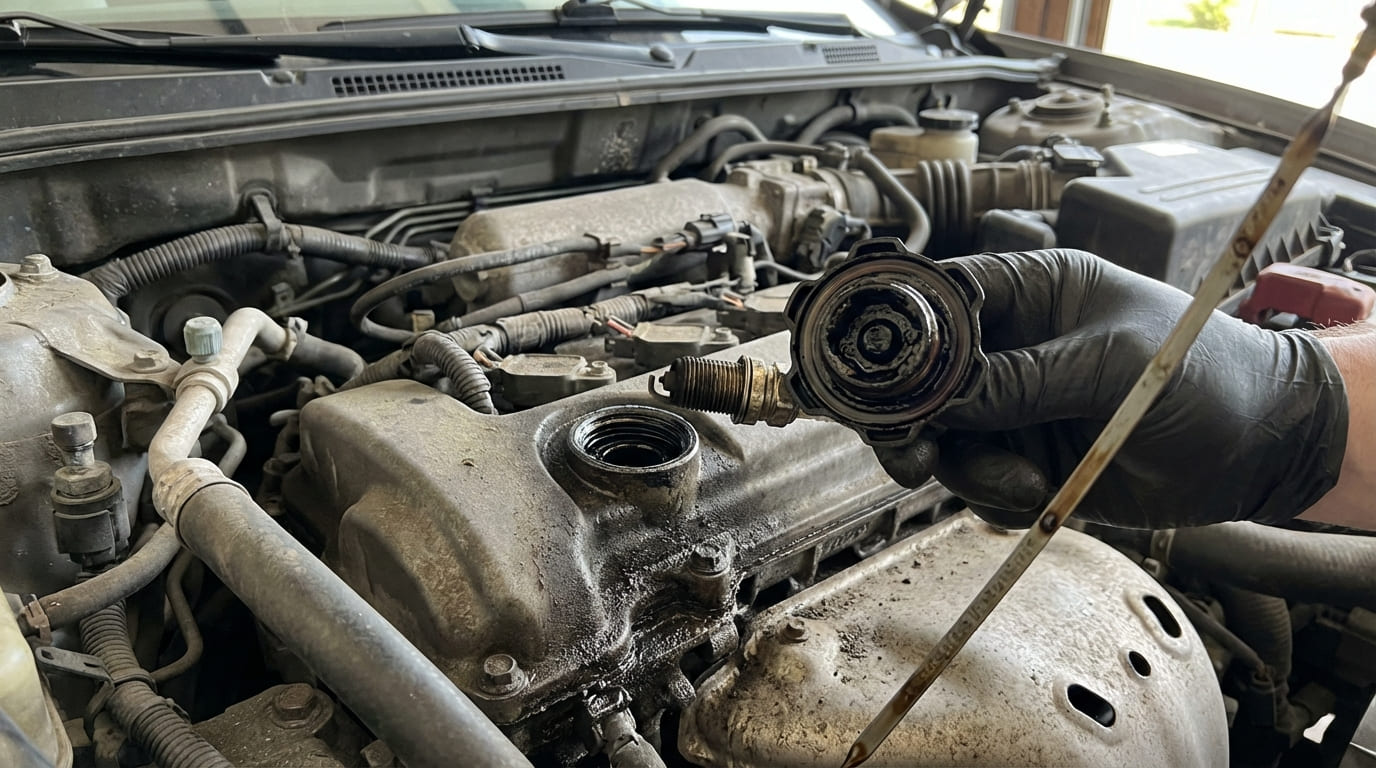
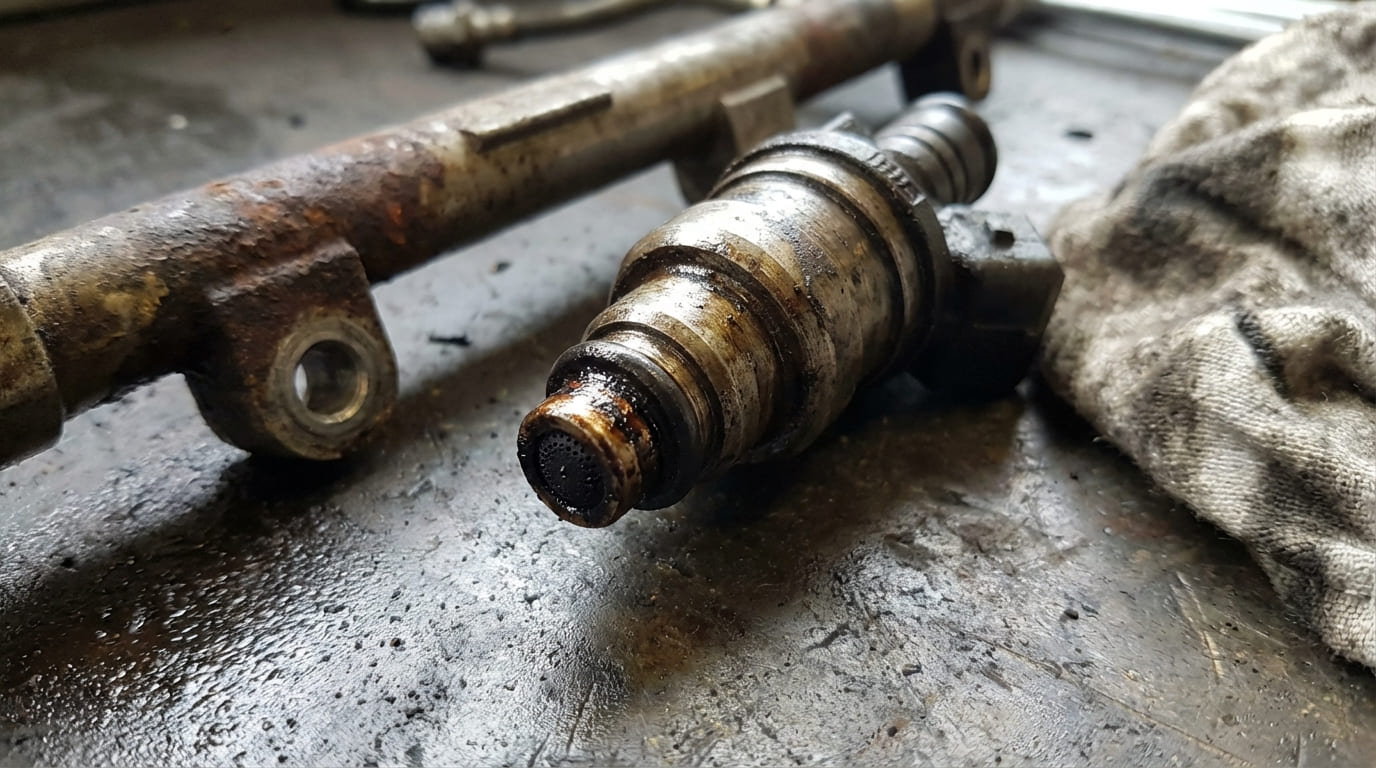
But fuel injectors, exhaust leaks, and belt tensioners can sound similar. Use a mechanic’s stethoscope to isolate the source.
Step 2: Check Oil Pressure
Low oil pressure collapses lifters. Do this first.
- Install a mechanical oil pressure gauge at the engine’s sender port.
- Start engine cold and monitor pressure at idle and 2,000 RPM.
- Compare to factory specs (usually 10–15 PSI at idle, 40–60 PSI at 2,000 RPM).
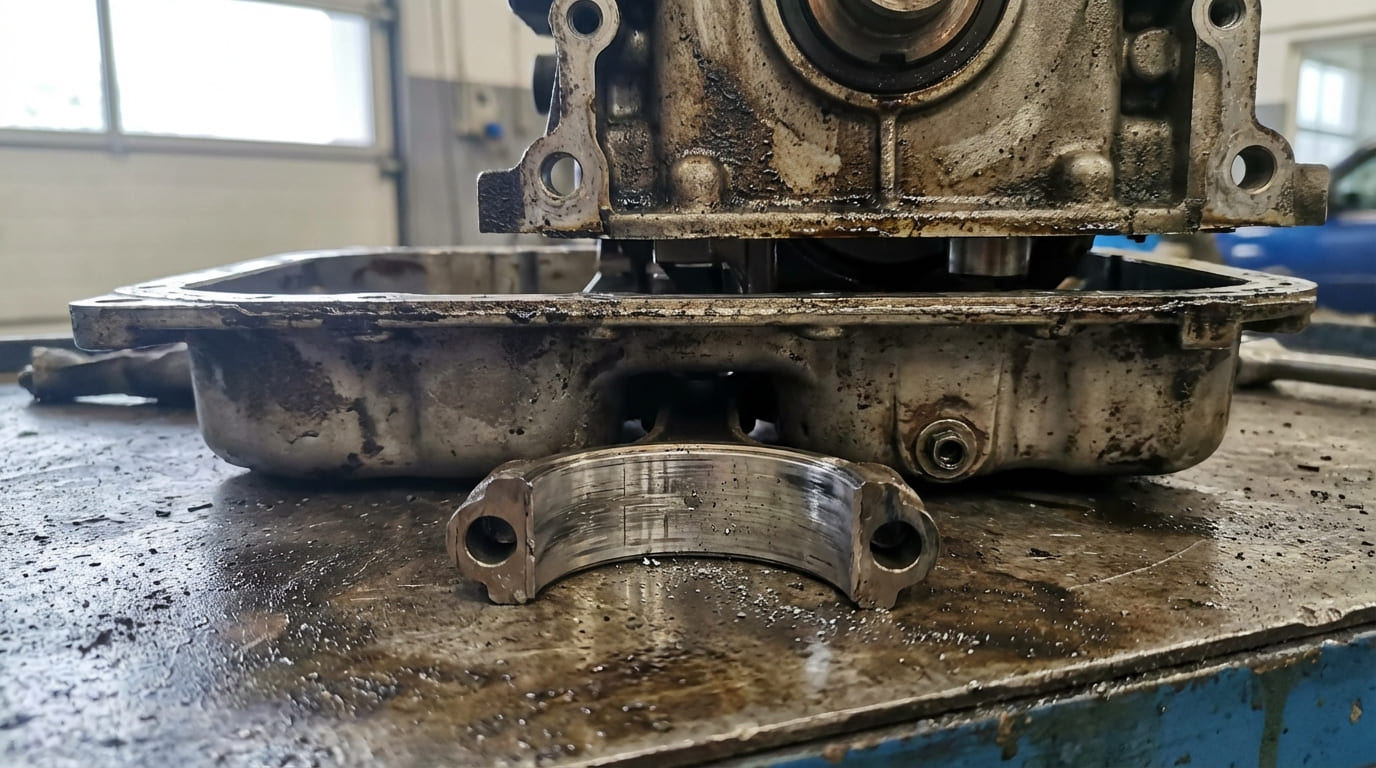
If pressure is low, investigate oil pump, pickup tube, or main bearing wear before touching lifters.
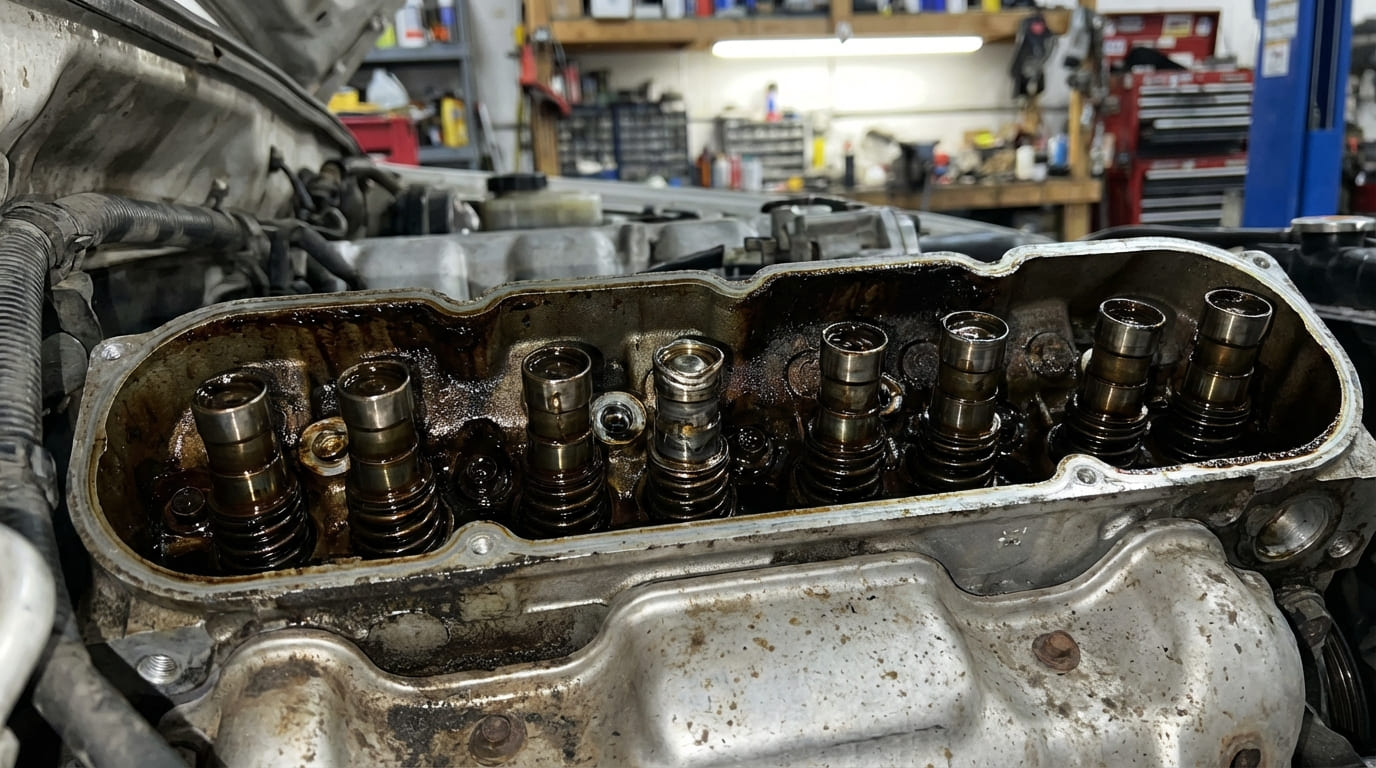
Step 3: Remove Valve Cover
Visual inspection reveals the truth:
- Look for collapsed lifters (excessive pushrod-to-rocker clearance)
- Check for oil sludge blocking lifter bores
- Inspect cam lobes for spalling or wear
- Examine rocker arms for pitting or cracking
In my shop, we always pull the valve cover before quoting a lifter job. I’ve saved customers $2,000 by finding a cracked oil pickup tube instead of replacing lifters.
Step 4: Optional – Oil Analysis
For high-mileage engines or those with poor maintenance history, an oil lab test can detect:
- Elevated iron (cam/lifter wear)
- Silicon (dust ingestion from bad air filter)
- Sludge precursors (oxidation, glycol contamination)
It’s $30–$50, but can prevent unnecessary teardowns.
Repair vs. Replace: When to Walk Away
Consider these factors before committing:
- Vehicle value: If the car is worth $3,000, a $2,500 repair rarely makes sense.
- Mileage: Over 150,000 miles? The engine may have other wear (bearings, rings) that could fail soon.
- Underlying cause: If low oil pressure or sludge caused the failure, new lifters will fail again without addressing the root issue.
If the camshaft is worn, the repair cost jumps by $800–$1,500 in parts and labor. On some engines, cam replacement requires pulling the engine. At that point, engine replacement or vehicle retirement may be more cost-effective.
DIY: Is It Worth It?
I’ve seen skilled DIYers pull this off. But it’s not a beginner job.
What You Need
- Skill level: Advanced. You must understand valve train geometry, torque sequences, and timing systems.
- Tools: Torque wrench, cam holding tool, valve spring compressor, engine support bar, gasket scraper.
- Time: 10–20+ hours, depending on engine access.
My rule: If you’ve never removed a valve cover on that engine before, don’t start with lifter replacement. Practice on a junkyard motor first.
Mistakes are expensive. Over-torquing head bolts on aluminum heads causes warpage. Misaligned timing on an interference engine can destroy the engine. And if you don’t prime the lifters, you’ll have noise for 10–15 minutes—or longer.
After the Repair: How to Verify Success
Don’t just start it and drive off. Follow this checklist:
- Start engine and let oil pressure build. Listen for lifter pump-up (30 seconds to 2 minutes).
- Recheck oil pressure with mechanical gauge—should match pre-repair levels.
- Drive under load: highway speeds, hills, multiple heat cycles.
- Inspect for oil leaks, especially at gasket joints.
- Scan for check engine lights—misfires or cam timing codes can indicate assembly errors.
Best Practices: Do This, Avoid That
- ✅ Clean lifter bores and oil passages with a soft brush and solvent—debris kills new lifters.
- ✅ Prime lifters before install: soak in clean oil or use a priming tool.
- ✅ Use a thread chaser on head bolt holes—especially in aluminum heads.
- ⚠️ Never reuse torque-to-yield (TTY) head bolts unless factory specifies it. They stretch and lose clamping force.
- ⚠️ Follow factory torque sequence and stages—never guess.
- ⚠️ Don’t overuse RTV silicone. Only apply where specified. Chunks can break off and clog oil galleries.
Real-World Scenarios and Lessons Learned
| Symptom | Most Likely Cause | Less Common But Possible | Notes |
|---|---|---|---|
| Cold-start tick that fades | Worn hydraulic lifter(s) | Low oil pressure, dirty oil passages | Verify oil pressure first—don’t assume lifter failure |
| Persistent tick at all temps | Collapsed lifter or bent pushrod | Rocker arm wear, cam lobe damage | Inspect valvetrain with cover off before deciding |
| Tick after oil change | Air in lifter galleries | Wrong oil viscosity, clogged pickup screen | Often resolves in 10–15 minutes; wait before panicking |
| No tick, but low oil pressure | Worn oil pump or main bearings | Cracked oil pickup tube | Lifters collapse secondarily—fix root cause |
Situation: 2012 V6 SUV with loud valve train tick. Owner changed oil twice already.
Discovery: Cracked oil pickup tube causing low pressure. One lifter collapsed.
Lesson: Replacing lifters without fixing oil pressure leads to repeat failure. Always test pressure first.
Situation: 1998 inline-6 pickup. DIYer replaced one lifter—noise returned in 3 weeks.
Discovery: Five other lifters showed varnish and partial collapse.
Lesson: Lifter wear is systemic. Replace the full set on high-mileage engines.
Situation: 2015 turbo four-cylinder. $2,200 lifter quote.
Discovery: Cam lobes worn from prolonged lifter collapse.
Lesson: Always inspect the camshaft. The real cost may be much higher than expected.
The biggest mistake I see? Assuming the lifter is the root cause. Ticking points to the valvetrain, but the real issue could be oil pressure, sludge, or cam wear. Always verify before you disassemble.