In my experience overseeing thousands of engine repairs—from routine rebuilds to catastrophic failures—the term “thrown rod” comes up often, sometimes accurately, sometimes not. More than a few times, I’ve seen customers walk in convinced their engine “threw a rod” because it made a knock or lost oil pressure. While dramatic, the phrase carries specific mechanical meaning, and understanding it can save time, money, and misguided teardowns.
What a “Thrown Rod” Actually Means
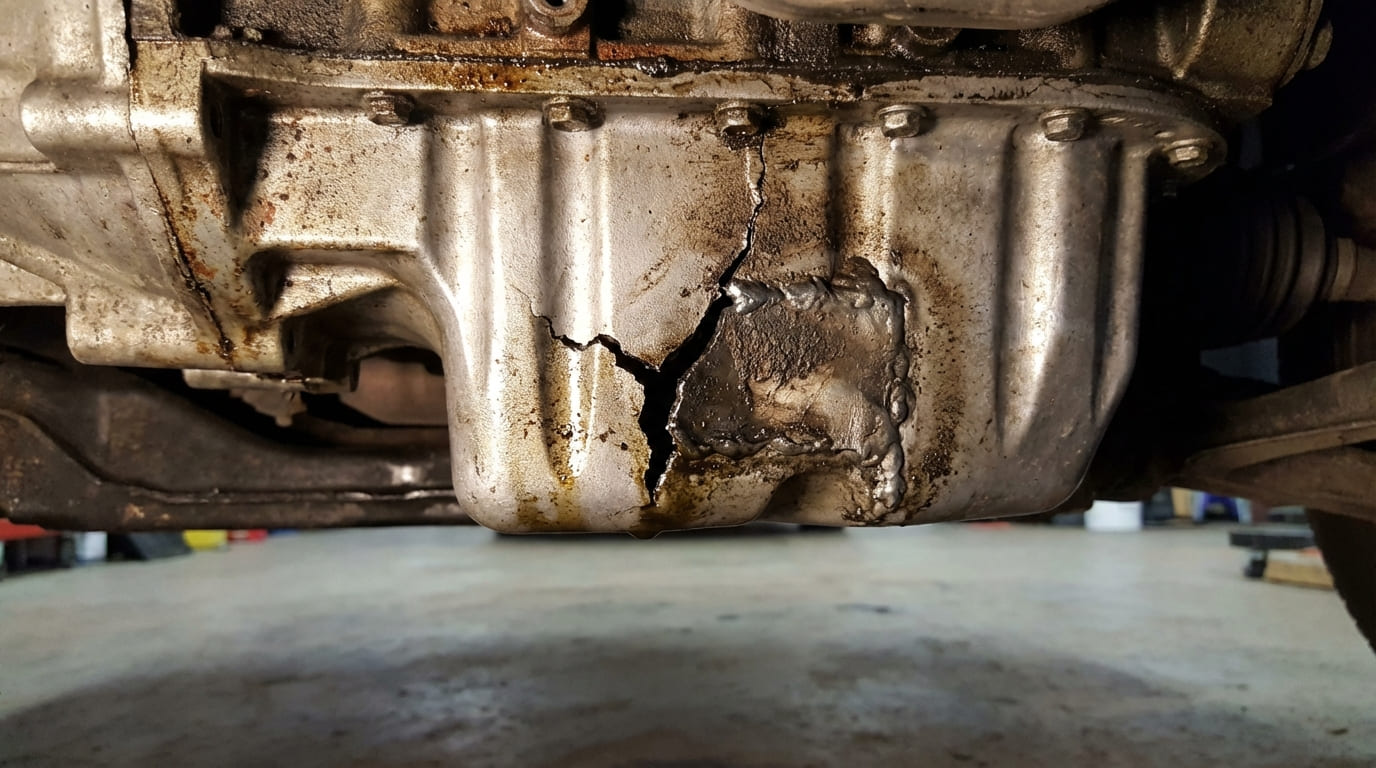
A “thrown rod” refers to a connecting rod that fractures or detaches during engine operation, usually due to extreme stress or fatigue. The rod, which links the piston to the crankshaft, breaks free and is flung around inside the engine block with tremendous force. This is not gradual wear—it’s sudden, violent mechanical failure. When this happens, the rod often punches through the engine block or oil pan, causing immediate and severe damage.
How to Check for a Thrown Rod
Before assuming the worst, verify the symptoms. A thrown rod presents clear signs:
- Sudden loss of oil pressure followed by engine seizure or stalling.
- Massive oil leak from the side of the engine—sometimes spraying several feet.
- Knocking or banging noise that rapidly worsens under load, then stops (because the engine seizes).
- Engine won’t turn over even with a good starter and battery.
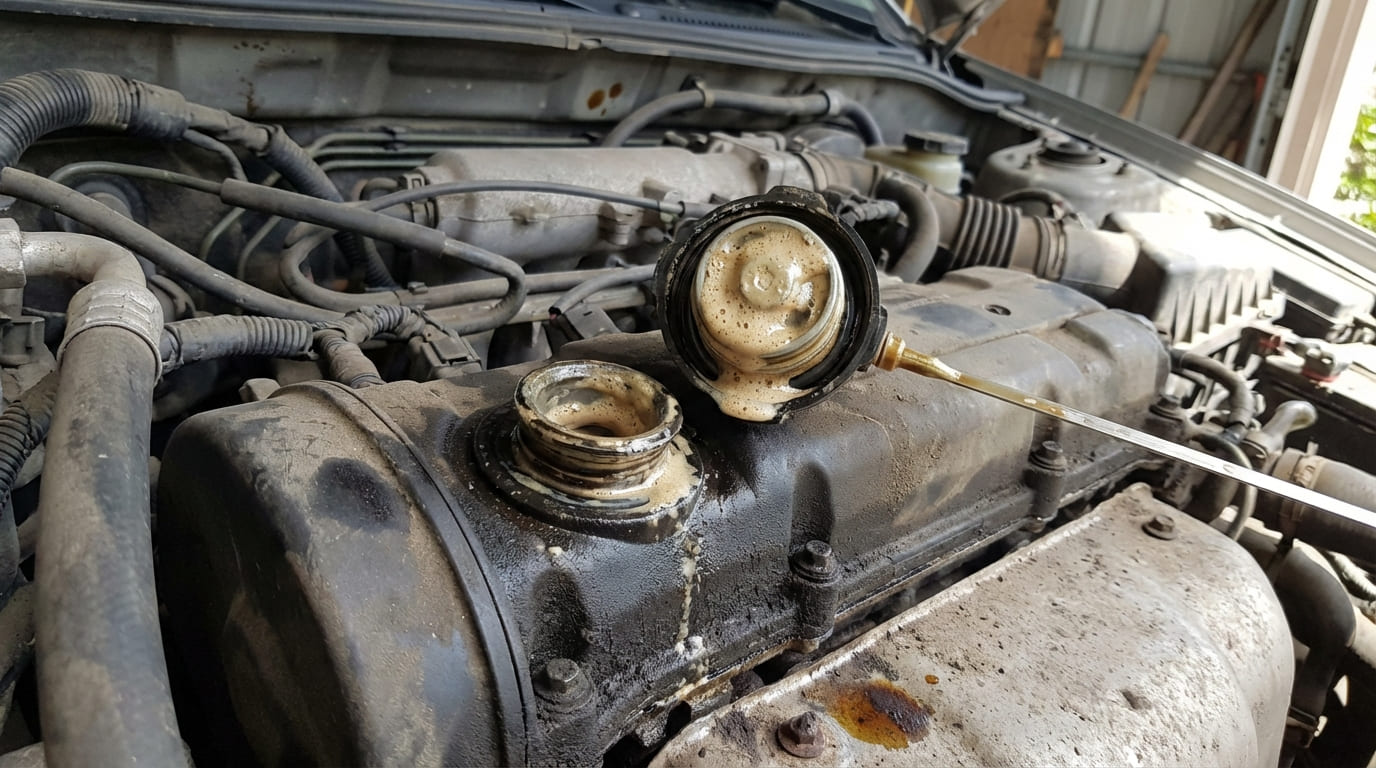
Remove the oil filler cap and look inside while cranking the engine (if possible). If you see violent movement or oil mist shooting out, internal damage is likely. The definitive check? Drop the oil pan. If you find rod fragments, shredded bearings, or a missing rod cap, the rod has failed.
In my shop, we always pull the oil pan before calling it a “thrown rod.” I’ve seen oil pump failures and broken timing chains mimic the same symptoms. Don’t condemn the engine until you’ve seen the evidence firsthand.
Why Connecting Rods Fail
Three main failure paths lead to a thrown rod: bearing failure, bolt failure, or material failure. Bearing issues are by far the most common.
Connecting Rod Bearing Failure
When the oil film between the rod bearing and crankshaft journal breaks down, metal-to-metal contact begins. This leads to rapid overheating, galling, and eventual bearing spin or disintegration. Without that cushion, the rod begins to hammer the crank, accelerating toward catastrophic failure.
Common causes:
- Oil starvation: Caused by low oil level, clogged pickup screen, or failed oil pump. Even a collapsed anti-drainback valve in a cheap oil filter can restrict flow under high RPM.
- Contaminated oil: Dirt, metal particles, or coolant (from a leaking head gasket) destroy bearing surfaces quickly.
- Over-revving or detonation: Common in modified or turbocharged engines. High cylinder pressure overloads the rod and bearing.
- Wear over time: Bearings degrade with age and mileage. I’ve seen engines with 150,000+ miles fail simply because the bearings wore beyond safe clearance.
Connecting Rod Bolt Failure
These bolts are precision components designed to stretch slightly when torqued. If they fail, the rod cap flies off, and the rod breaks loose.
- Improper torque: Under-torqued bolts loosen; over-torqued ones stretch permanently and lose clamping force.
- Reusing torque-to-yield (TTY) bolts: Never reuse TTY bolts. They are designed for one-time use and lose elasticity after stretching.
- Thread debris: Oil sludge or metal shavings in the bolt holes can prevent proper torque and lead to uneven loading.
I always clean rod bolt threads and tap the block holes with a thread chaser. A speck of dirt can throw off torque by 20%—enough to cause failure.
Material or Manufacturing Defects
Less common, but I’ve seen rods fail due to casting voids, forging flaws, or machining damage. One V8 came in with a clean fracture through a subsurface inclusion—no oil or bearing issues. Lab analysis confirmed it was a factory defect. Hydrolock (water in the cylinder) can also force a rod to bend or break instantly, since water doesn’t compress.
Damage Caused by a Thrown Rod
When a rod fails, it doesn’t stop at one part. The damage spreads fast and deep.
Primary Structural Damage
The rod’s violent motion destroys everything in its path:
- Engine block: Often punctured near the crankcase. Even small holes compromise structural integrity.
- Oil pan: Torn or split, especially on aluminum pans.
- Crankshaft: Journals are gouged, bent, or fractured. If the rod hits multiple throws, the whole shaft is junk.
- Piston: Shattered or driven into the rod beam. Skirts crack, pin bores deform.
Secondary System Damage
Debris from the failure circulates through the engine, causing ripple damage:
- Oil pump: Metal fragments can seize the gears.
- Oil galleries: Clogged with bearing material and steel shavings.
- Cooling system: If the block crack hits a water jacket, coolant leaks into the oil or out the side.
- Valvetrain: In interference engines, a seized piston can bend valves or damage the camshaft.
- Turbocharger: Oil feed lines carry debris. I’ve replaced turbos after rod failures due to contaminated oil, even if the turbo seemed fine.
- Catalytic converter: Can plug from burning oil or coolant post-failure.
Repair Feasibility and Component Replacement
After a thrown rod, most internal parts are non-repairable. Here’s what you can and can’t save:
| Component | Typical Outcome | Repair Feasibility | Notes |
|---|---|---|---|
| Cylinder Block | Punctured or cracked | Non-repairable | Welding rarely restores strength. Bore alignment is usually compromised. |
| Crankshaft | Severely scored or fractured | Non-repairable | Grinding won’t fix bends or cracks. Replacement is safer. |
| Connecting Rods | Destroyed or fatigued | Replace as set | Even undamaged rods may be stressed. Use a balanced set. |
| Pistons | Cracked or deformed | Replace as set | Heat and shock can affect all pistons. Never mix old and new. |
In 20 years, I’ve seen exactly one welded block last more than a year. Unless it’s a rare or collector vehicle, just replace the engine.
Rod Knock vs. Thrown Rod: Don’t Confuse the Two
Many owners hear a knock and assume the rod is gone. But rod knock is a warning sign—not the end result.
Knock occurs when rod bearing clearance exceeds 0.003″–0.005″. It’s a rhythmic, metallic knock under load, loudest when accelerating.
How to diagnose:
- Use a mechanic’s stethoscope on the engine block near each cylinder.
- Perform a cylinder deactivation test: disable spark or fuel to one cylinder at a time. If the knock disappears when one cylinder is dead, that’s your culprit.
But not all knocks are rod-related. Piston slap, timing chain noise, or bad lifters can sound similar. Oil pressure readings help: if pressure is low (< 10 psi at idle), bearing wear is likely.
I once saved a customer $6,000 by diagnosing piston slap instead of a thrown rod. The fix? A valve adjustment and oil change. Always verify before tearing down.
Diagnostic Checklist: What to Do If You Suspect a Thrown Rod
Follow this logic to avoid misdiagnosis:
- Check for white smoke and coolant loss: Could be a head gasket or intake leak—common on V6 engines.
- Inspect oil for metal flakes: Drop the oil pan. Look for bearing material (shiny brass/steel flakes).
- Try to rotate the engine: Remove spark plugs. If it turns freely, it may be hydrolock, not mechanical seizure.
- Test oil pressure: Use a mechanical gauge. A steady drop over time points to bearing wear.
- Listen for load sensitivity: Rod knock gets worse under acceleration. Valvetrain noise is often constant.
Repair Options After a Thrown Rod
Rebuilding the original engine is rarely cost-effective. Most blocks can’t be safely repaired. Your options:
- New OEM engine: Most reliable, but expensive—$4,000–$8,000 installed.
- Remanufactured engine: $2,500–$5,000. Comes with new internals and warranty. Best balance of cost and reliability.
- Used engine: $1,000–$2,500. Riskier, but viable if inspected properly. Always do a compression test, oil pressure check, and bore scope inspection first.
After installation, run the engine with a calibrated oil pressure gauge for at least 30 minutes. Watch for fluctuations or drops—signs of debris or poor assembly.
Every thrown rod has a root cause. Was it low oil? Bad tune? Contaminated fuel? Fix the cause, not just the symptom, or you’ll be doing this job again.