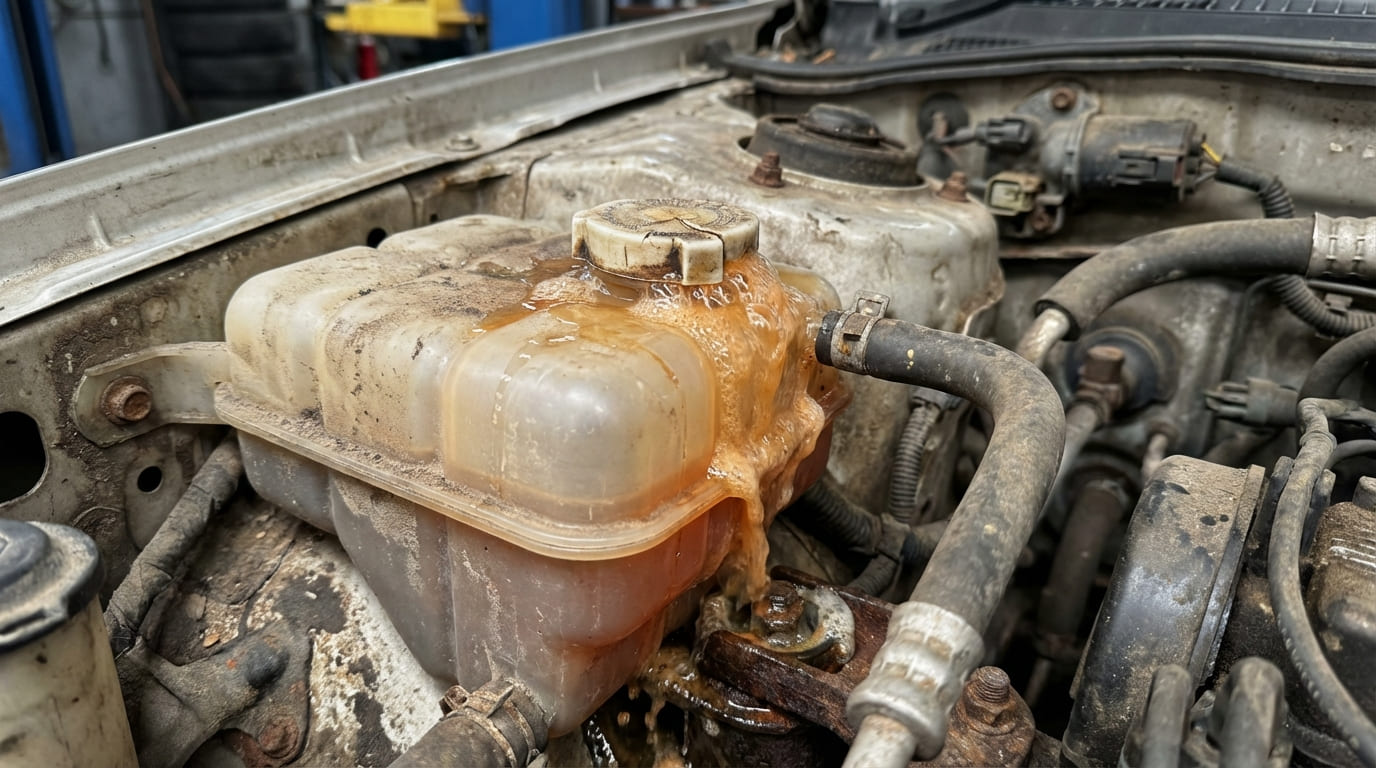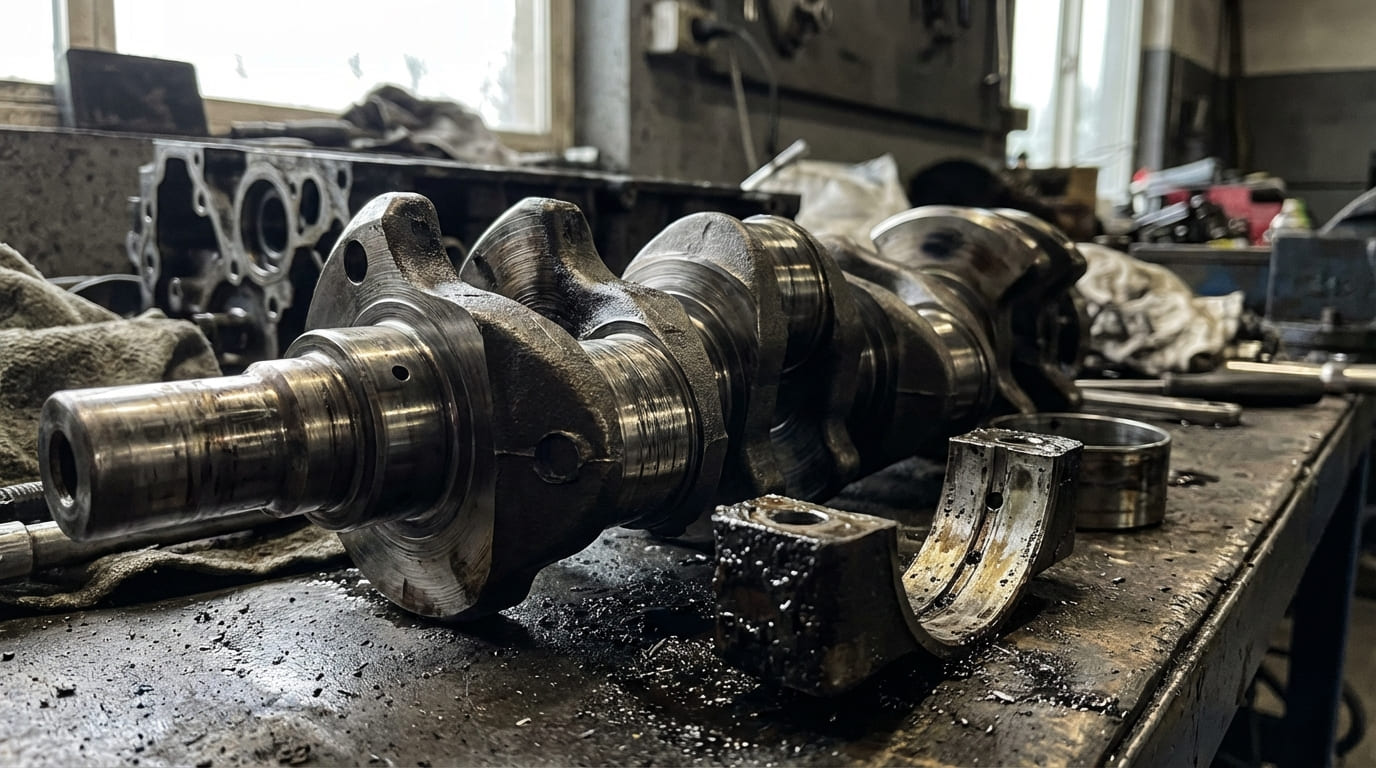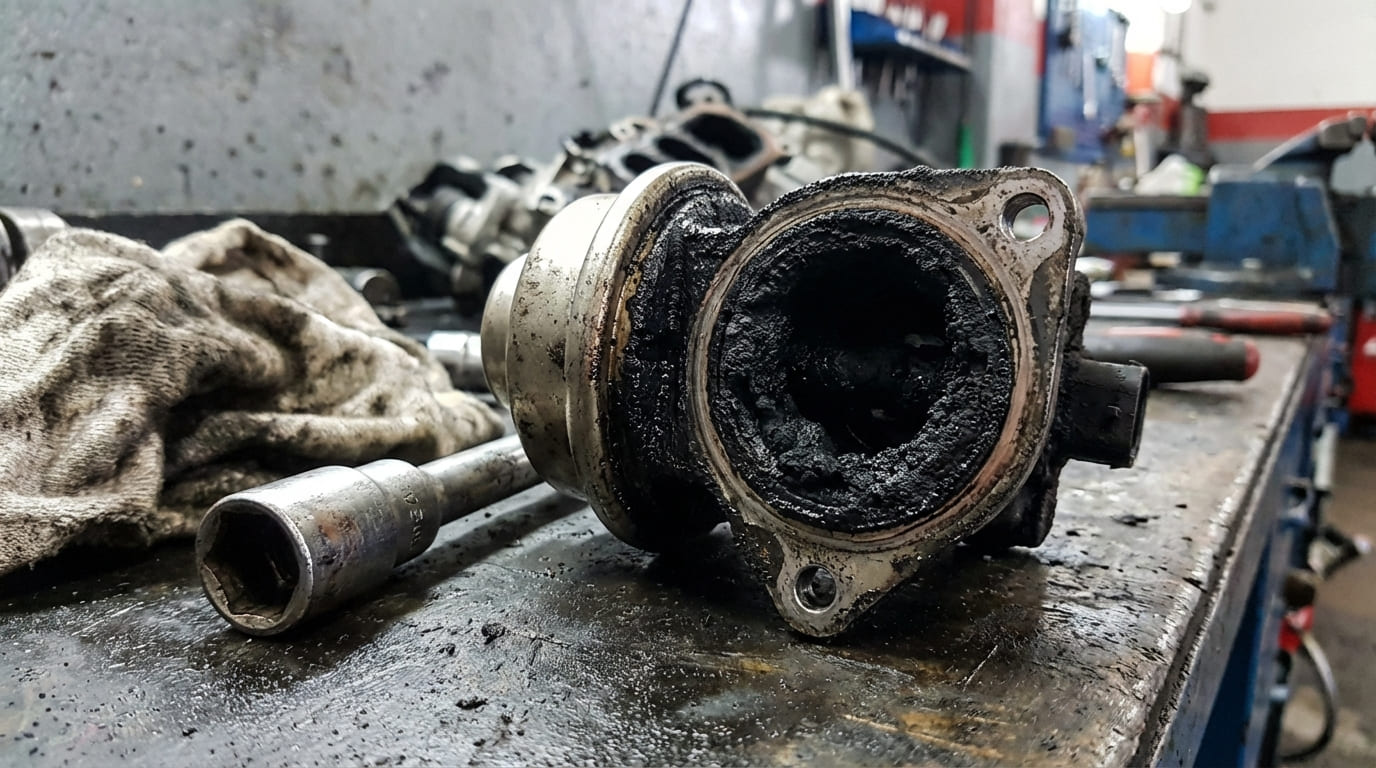
In my two decades in the shop, few issues come across the bay as often as black smoke complaints on diesel engines. While it’s tempting to jump to conclusions—especially when the internet says “just replace the injectors”—the reality is more layered. Black smoke and rough running are symptoms, not diagnoses. What I’ve found over time is that a methodical, systems-based approach beats guesswork every time. Let’s walk through the real-world possibilities, how to test for them, and what to watch out for along the way.
Excess Fuel Delivery
Black smoke under load usually means unburned fuel exiting the exhaust. When air can’t keep up with fuel, you get soot. But before tearing into injectors, consider the full picture.
Fuel Injector Malfunction
Injectors are a common culprit, but not always the root cause. In my experience, failed injectors often get blamed when another issue—like poor airflow or timing—is actually at fault.
- Stuck open or leaking injector: Allows fuel to dribble into the cylinder when it should be off, leading to incomplete combustion.
- Poor spray pattern or clogged nozzle: Can disrupt atomization, reducing burn efficiency even if fuel volume is correct.
- Incorrect injector timing: On electronically controlled units, calibration offsets or faulty solenoids can delay or extend injection events.
How to Check: Perform a cylinder contribution test using live data. A weak cylinder may indicate poor combustion. Follow up with a return flow test—more than 10 ml/minute per injector suggests internal wear. For definitive results, bench test removed injectors for spray pattern and opening pressure.
Cost to clean or replace: $150–$350 per injector. OEM or certified remanufactured units are worth the premium—aftermarket injectors often fail prematurely.
In my shop, we always flow-test injectors after removal—even if they pass in-vehicle diagnostics. I’ve seen injectors with perfect return rates but clogged nozzles causing soot under load.
High Fuel Pressure
If the rail pressure is higher than commanded, the engine gets more fuel than intended. This often shows up as black smoke under acceleration.
- Fuel pressure regulator failure: Can cause over-pressurization if stuck closed or misreading ECM commands.
- High-pressure pump over-pressurization: Mechanical faults or internal control valve issues can cause this—more common in older CP3 pumps.
How to Check: Use a scan tool to compare “desired” vs. “actual” rail pressure PIDs. A consistent gap suggests regulation problems. Confirm with a mechanical gauge T’d into the rail—sensor data can be misleading. Idle pressure typically 300–600 bar, rising to 1,800–2,200 bar under load (verify OEM specs).
Repair vs Replace: A faulty regulator may cost $120–$250 to replace. A failed high-pressure pump runs $800–$1,500. Diagnose thoroughly before replacing the pump—many are swapped out unnecessarily.
Incorrect Fuel Grade or Contamination
Low cetane fuel doesn’t ignite as quickly, leading to late combustion and soot. Water or gasoline contamination can also disrupt combustion timing.
How to Check: Draw a fuel sample into a clear jar and let it sit overnight. Water separates to the bottom; gasoline may cause haziness. Use a fuel test kit or lab analysis for definitive results. Cetane should be 45+ for most modern diesels.
Never assume the fuel is clean—even from a reputable station. I’ve traced multiple black smoke cases to contaminated bulk deliveries at rural depots.
Insufficient Air Intake
Even with perfect fueling, without enough air, you’ll get smoke. Many techs overlook airflow until after injectors are replaced.
Air Filter Restriction
A clogged filter increases intake restriction, lowering cylinder charge. On some trucks, I’ve seen filters so loaded they pulled the housing inward.
How to Check: Inspect the filter and housing for debris or collapse. Check the air restriction indicator—if red, replace immediately. Compare MAP and BARO readings at KOEO: they should be within 0.2 psi. At idle, MAP should drop slightly. A large delta suggests restriction or a faulty sensor.
Cost: $25–$60 for a filter. Always inspect the housing for cracks or warping when replacing.
Turbocharger Malfunction
Low boost is a frequent cause of black smoke under load. On variable geometry turbos (VGT), a stuck actuator or coked vanes can limit airflow.
How to Check: Monitor actual vs. desired boost on a scan tool. A healthy turbo should respond smoothly to load. Use bidirectional control to test actuator movement. Then, perform a borescope inspection—bent compressor wheels, damaged housings, or coked vanes won’t always make noise but kill performance.
Repair vs Replace: Cleaning VGT vanes costs $200–$400. A rebuilt turbo: $800–$1,600. New units exceed $2,000. Always clean the EGR cooler and intake if carbon is present.
Movement on a bidirectional test doesn’t mean the vanes are clear. I’ve seen actuators move freely while internal linkages were seized. Physical inspection is non-negotiable on high-mileage VGTs.
Charge Air Cooler and Intake Leaks
Leaks between the turbo and intake manifold let pressurized air escape. The engine gets less oxygen, so fuel goes unburned.
How to Check: Perform a smoke test on the intake system. Look for leaks at intercooler seams, hose clamps, and charge pipes. Alternatively, conduct a boost pressure drop test: pressurize the system and monitor for a drop exceeding 10% over 30 seconds.
Cost: Intercooler replacement $300–$900. Simple hose repairs: $50–$150.
Mass Air Flow (MAF) Sensor Malfunction
A contaminated MAF under-reads airflow, so the ECM calculates less fuel—but if the signal drifts high, it can cause over-fueling.
How to Check: Monitor live MAF data. At idle, expect 5–10 g/s, scaling with RPM. Erratic or flatlined readings indicate failure. Clean only with MAF-safe spray—alcohol or carb cleaner damages the hot wire.
Cost: $80–$200 for replacement. Cleaning often restores function if contamination is light.
Intake Manifold and Swirl Flap Issues
Carbon buildup in the intake or stuck swirl flaps can disrupt turbulence in the combustion chamber—critical for efficient mixing.
How to Check: Use a borescope to inspect intake runners and flaps. Command actuator movement via scan tool and verify physical response. Binding or carbon jamming is common on European diesels with high short-trip mileage.
Cost: Cleaning: $200–$400. Replacement: $600–$1,200. Consider deleting flaps only if legal and supported by tuning.
Poor Combustion Efficiency
Even with good fuel and air, if the conditions for ignition aren’t right, you get rough running—especially when cold.
Glow Plug System Issues
Failed glow plugs don’t always prevent startup, but they can cause white smoke and rough idle until the engine warms.
How to Check: Test resistance: most glow plugs read 0.5–2.0 ohms. Open circuit or high resistance means replacement. Use a power probe to verify voltage during pre-heat cycle. No power? Check relay and control module.
Cost: $25–$60 per plug. Labor: 1–2 hours. Always replace all plugs if one fails—others are likely near end-of-life.
EGR System Malfunction
An EGR valve stuck open at idle introduces too much exhaust gas, diluting the charge and causing misfires.
How to Check: Monitor EGR position via scan tool. Should read 0% at idle and wide-open throttle. Command open/close and watch for response. Visually inspect the valve—carbon buildup can jam the pintle even if the motor moves.
Cost: Cleaning: $100–$200. Replacement: $300–$600. Use OEM valves—cheap aftermarket units often fail within a year.
Exhaust System Restriction
Backpressure affects both airflow in and out. A clogged DPF or melted DOC can mimic turbo or fuel issues.
Diesel Particulate Filter (DPF) Clogging
Excessive soot or ash loading increases backpressure, reducing turbo efficiency and airflow.
How to Check: Monitor differential pressure sensor data. Over 200 mbar at wide-open throttle suggests restriction. But don’t trust the sensor alone—verify with a borescope for channel blockage or melted substrate.
Cost: Forced regeneration: $150–$300. DPF cleaning: $400–$700. Replacement: $2,000–$4,000. Consider cleaning before replacement if ash load isn’t excessive.
Catalytic Converter Restriction
A collapsed or melted DOC substrate can create a significant exhaust restriction.
How to Check: Install a backpressure gauge at the pre-DOC O2 sensor port. Should stay under 0.5 bar at 2,500 RPM. Confirm with a borescope.
Cost: $1,200–$2,500. Often replaced with DPF in integrated systems.
Engine Mechanical Issues
Low compression or incorrect timing can cause both smoke and rough running. These are often overlooked in favor of electronic fixes.
Low Compression
Worn rings, burnt valves, or a leaking head gasket reduce cylinder pressure, leading to poor combustion.
How to Check: Perform a compression test. Compare cylinders—variance over 10% or readings below 280 psi (on many modern diesels) indicate trouble. Follow up with a leak-down test to pinpoint the source: intake, exhaust, or crankcase.
Repair cost: $2,000+ for ring/valve work. Head gasket: $1,500–$3,000. Not economical on high-mileage engines unless already apart.
Incorrect Valve Timing
A stretched chain or misaligned belt throws off combustion events, leading to inefficiency and smoke.
How to Check: Use scan tool to check cam/crank correlation. If offset, verify with physical timing marks. Always inspect tensioners and guides on interference engines.
Cost: $800–$1,800. Timing kits often include chain, guides, and tensioners—replace all together.
Electronic Control System Malfunctions
While rare, ECM faults or sensor errors can create misleading symptoms.
Engine Control Module (ECM) Failure
Internal faults can corrupt fueling maps or sensor interpretation.
How to Check: Scan for internal module codes. Test power and ground circuits—excessive voltage drop can mimic ECM failure. Swap with known-good unit if possible.
Cost: $800–$1,500 for reprogrammed unit. Labor: 2–4 hours. Rare—rule out sensors and wiring first.
Sensor Input Errors
Faulty ECT or FTS sensors can cause the ECM to enrich fuel unnecessarily.
How to Check: Compare ECT reading to ambient when cold. A 50°F difference suggests drift. Test resistance against OEM charts. Use a calibrated thermometer to verify.
Cost: $20–$80 per sensor. One of the cheapest and most overlooked fixes.
Sensor drift doesn’t always set a code. I’ve fixed chronic cold smoke issues by replacing ECT sensors that were “in range” but inaccurate. Always cross-check with physical conditions.
Recommended / Avoid
- ✅ Recommended: Clean injector bore and threads with a tap before installation. Debris or burrs can cause leaks or seating issues.
- ✅ Recommended: Perform a full scan tool assessment before replacing parts. Look at fuel trims, boost, and timing correlation.
- ✅ Recommended: Use OEM or certified remanufactured injectors when possible. I’ve seen aftermarket units cause more problems than they solve.
- ⚠️ Avoid: Reusing torque-to-yield bolts unless the manual explicitly allows it. Stretch is part of their design, and reuse can lead to head gasket failure.
- ⚠️ Avoid: Assuming a DTC points directly to the failed part. A P0087 (fuel rail pressure too low) could be the pump, regulator, or even a clogged filter.
- ⚠️ Avoid: Skipping mechanical tests because “it’s a diesel.” Compression and leak-down still matter, even with advanced electronics.
Diagnostic Scenarios and Probabilities
| Symptom | Most Likely Cause | Less Common but Possible | Notes |
|---|---|---|---|
| Black smoke under acceleration | Low boost (turbo issue) | Leaking injectors, clogged air filter | Check boost data first—many injector replacements are unnecessary. |
| Rough idle, white smoke at startup | Failed glow plugs | Low compression, faulty ECT sensor | Verify glow plug resistance and command signal. |
| Black smoke at idle | EGR valve stuck open | Injector dribble, incorrect timing | Scan tool EGR position data is key here. |
| Gradual power loss and smoke | DPF clogging | DOC restriction, turbo actuator failure | Check differential pressure and perform back pressure test. |
Situation: A 2012 Ram 2500 came in with black smoke under load and a check engine light. Scan tool showed P006B—insufficient boost.
Initial Assumption: I figured the VGT actuator was stuck. Common issue on that model.
Deep Dive: After confirming actuator movement, I checked boost pressure—still low. Then I pulled the intake hose and found the VGT vanes were frozen from carbon. Cleaning them restored full movement.
Nuanced Lesson Learned: Movement on a bidirectional test doesn’t guarantee proper vane position. Physical inspection matters—especially on high-mileage trucks with short-trip duty cycles.
Situation: A Ford 6.7L Power Stroke had chronic black smoke. Owner had already replaced two injectors.
Initial Assumption: More bad injectors. But the return flow test showed normal numbers.
Deep Dive: I checked intake restriction and found the air filter housing was partially collapsed. Replacing the housing and filter cleared the smoke.
Nuanced Lesson Learned: Don’t assume fueling issues because of smoke. Airflow restrictions can mimic injector problems—always check the simple stuff first.
Situation: A diesel SUV ran rough when cold, but smoothed out after a few minutes. No DTCs.
Initial Assumption: Glow plug issue. But all tested within spec.
Deep Dive: I checked ECT live data and saw it reading 190°F when ambient was 30°F. Replaced the sensor—fixed the cold start behavior.
Nuanced Lesson Learned: Sensor drift doesn’t always set a code. Cross-check sensor data with physical conditions before condemning other components.
On the bench and in the bay, I’ve learned that diesel diagnostics are rarely about a single part. More often, it’s about understanding the balance between fuel, air, timing, and control. While scan tools give us incredible insight, they don’t replace hands-on testing or critical thinking. Always consult the specific service manual for your engine—specs vary widely between manufacturers and even model years. What works on one Cummins might not apply to a Duramax or an I4 European engine.