In my 20 years as a master mechanic, oil consumption is one of the most misunderstood issues car owners face. Many assume decoking—a deep engine cleaning process—will fix excessive oil burn. The truth? It depends entirely on the root cause. Decoking can help if carbon buildup is restricting piston rings, valve seals, or the PCV system. But if the problem is mechanical wear like scored cylinders or worn turbo seals, no amount of cleaning will stop the oil loss. This guide cuts through the noise with actionable diagnostics, cost insights, and real-world repair logic.
When Decoking Works (and When It Doesn’t)
Decoking is not a universal fix. Its success hinges on accurate diagnosis. Here’s the breakdown:
Decoking helps when:
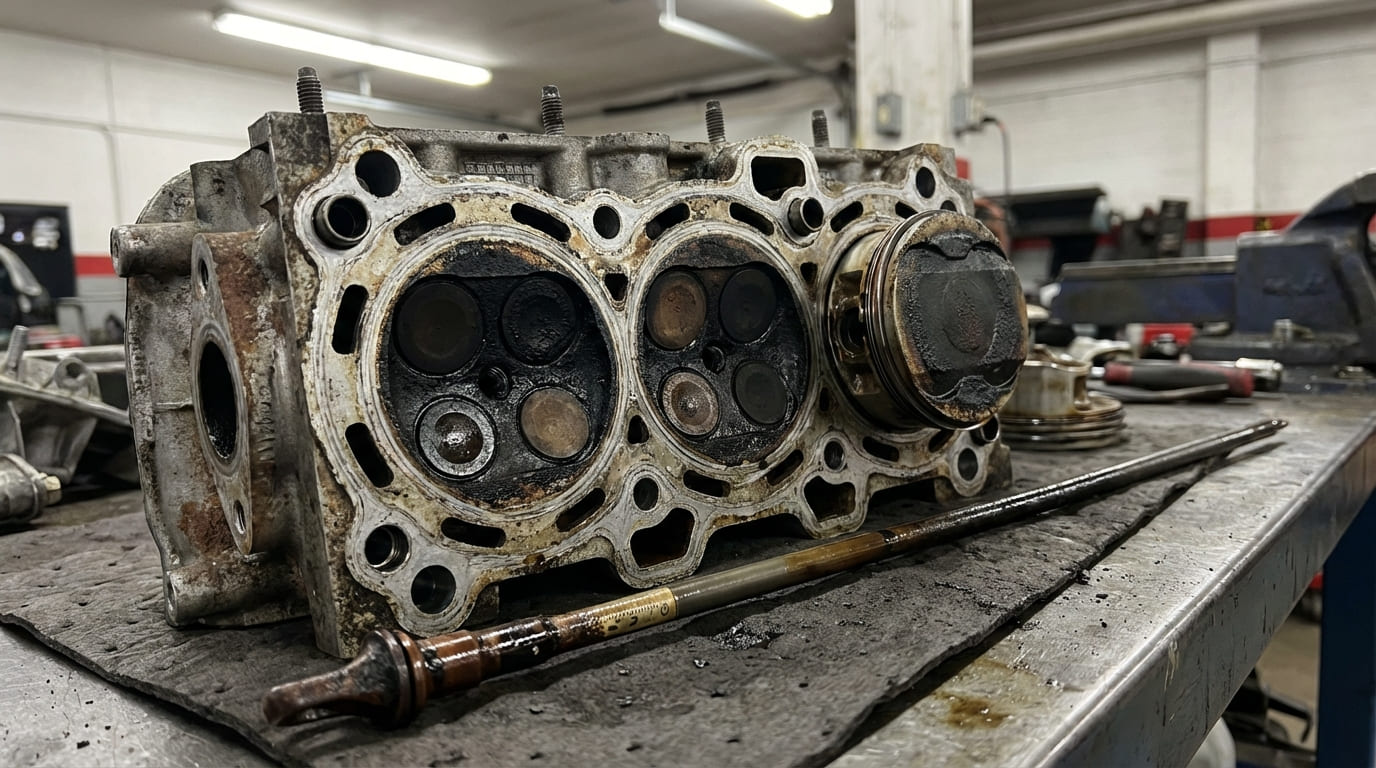
- Carbon has glued piston oil rings in place, preventing proper scraping.
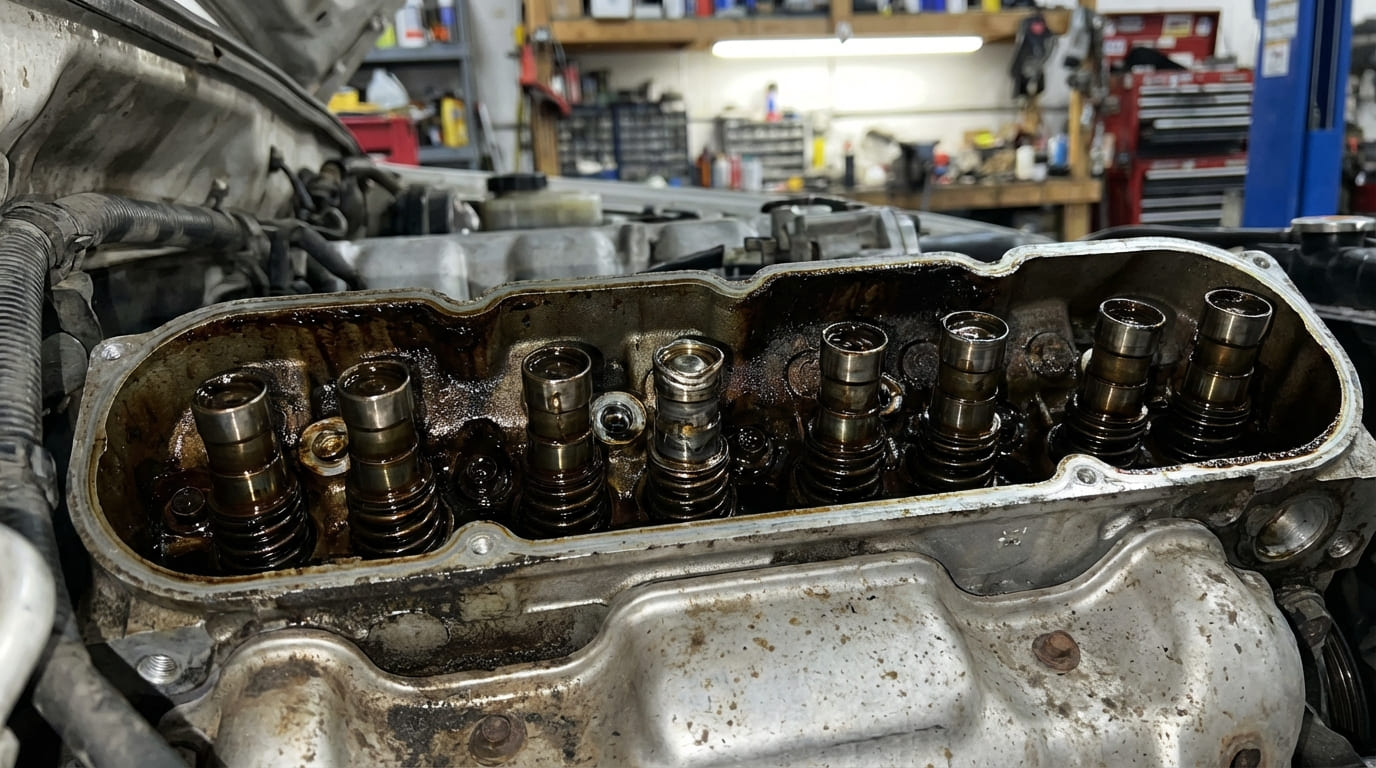
- Intake valve deposits are lifting or damaging valve stem seals.
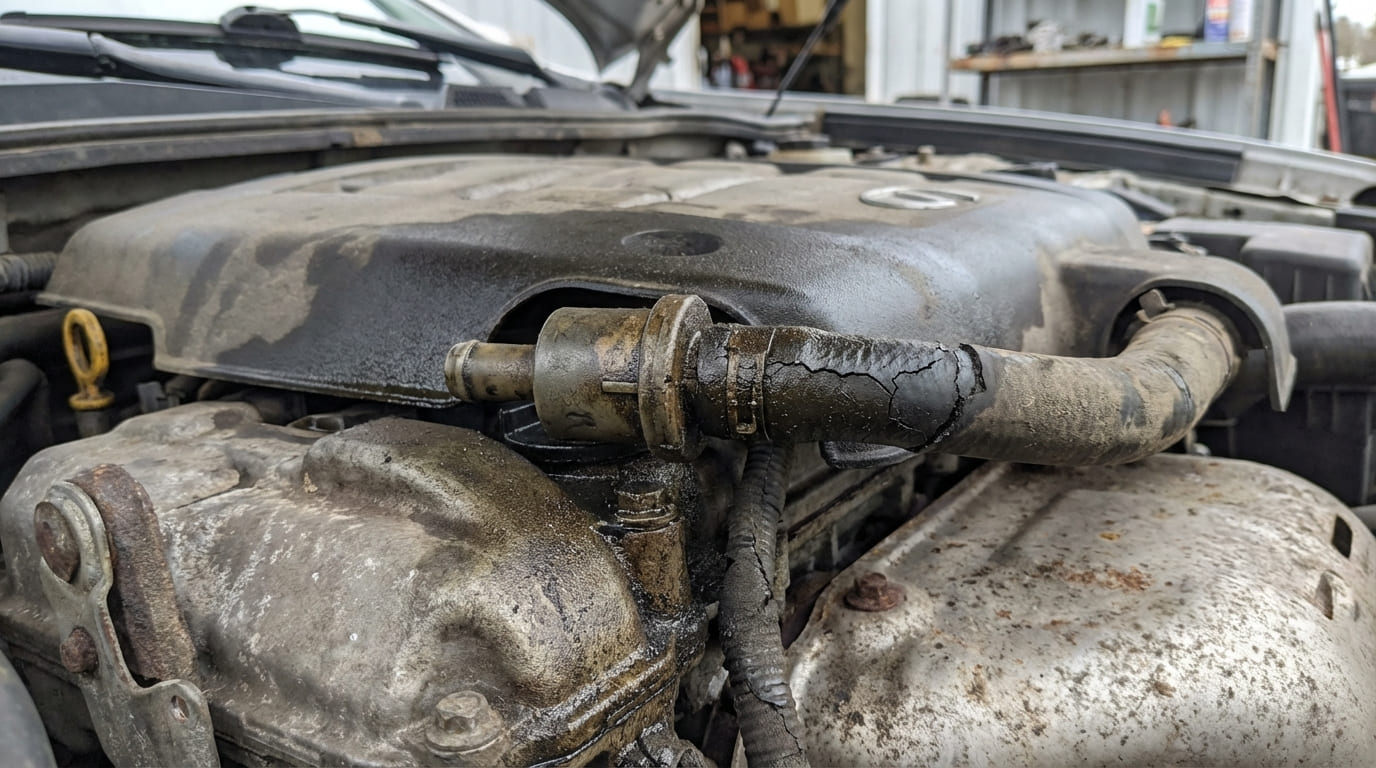
- PCV system flow is restricted due to sludge or carbon, increasing crankcase pressure.
This is common in direct-injection engines, where fuel doesn’t wash over intake valves, allowing carbon to accumulate unchecked.
Decoking won’t help when:
- Piston rings are worn or broken.
- Cylinder walls are scored or glazed.
- Valve guides are loose or seals are physically worn.
- Turbocharger center seals have failed.
These are mechanical failures. No chemical or blasting treatment restores lost clearances or seal integrity.
In my shop, we always diagnose before we decarb. I’ve seen shops charge $800 for walnut blasting on engines with 30% leak-down—only to send the customer right back for a rebuild. Test first. Guess later.
How Carbon Buildup Causes Oil Consumption
Carbon doesn’t just reduce performance—it directly contributes to oil burn by interfering with critical sealing components.
Piston Ring Land Fouling
Carbon packs into the ring grooves, especially the second and oil rings, preventing them from moving freely. When the oil control ring can’t expand and contract, it fails to scrape excess oil off the cylinder walls. During the intake stroke, that oil gets pulled into the combustion chamber and burned.
Direct-injection engines are especially prone because fuel doesn’t contact the piston crown, allowing blow-by gases and oil vapor to bake into hard deposits over time.
Valve Stem Seal Interference
Carbon buildup on valve stems can prevent valve stem seals from seating properly. In severe cases, deposits act like sandpaper, wearing through the seal lip. The result? Oil drips into the combustion chamber during cold starts or deceleration, causing blue-tinted exhaust smoke.
PCV System Restriction
A clogged PCV valve or sludged hose disrupts crankcase ventilation. Instead of drawing vapors into the intake, pressure builds—sometimes up to 3–4 psi. That pressure forces oil past weak points: turbo seals, rear main seals, or into the intake via the breather system.
On turbocharged engines, this means oil ends up in the intercooler or throttle body—even if the turbo itself is fine.
How to Diagnose Carbon-Related Oil Consumption
Don’t assume. Test. Here’s how to confirm if carbon is the culprit:
Step-by-Step Diagnostic Checklist
- Measure oil consumption: Track miles between fill-ups. Burn more than 1 quart per 1,200 miles? It’s excessive for most modern engines.
- Check for external leaks: Use UV dye and a black light. A leaking valve cover gasket dripping onto the exhaust can mimic burning oil.
- Test crankcase pressure: Remove the oil cap at idle. If you feel pressure pushing out—or hear gurgling in the dipstick tube—the PCV system is restricted.
- Perform a leak-down test: If air escapes through the oil filler cap, the issue is ring-related. But is it stuck or worn rings?
- Use a borescope: Insert through the spark plug hole. Look for:
- Packed ring lands or sludge in oil ring grooves.
- Heavy carbon on piston crowns.
- Coated intake valves (common in direct-injection engines).
If the borescope shows free-moving rings and clean cylinder walls, but heavy valve deposits, decoking may help. If rings are stuck or walls are worn, mechanical repair is needed.
Decoking Methods: What Works and What’s a Waste
| Method | Target Area | Impact on Oil Consumption | Cost & Notes |
|---|---|---|---|
| Chemical fuel additive (PEA-based) | Fuel injectors, light piston deposits | Low to moderate | $10–$20. Best for prevention. Limited effect on ring lands. |
| Aerosol intake cleaning | Intake valves, plenum | Moderate (DI engines only) | $100–$200 DIY. Risk hydro-lock if overused. Protect MAF and throttle body. |
| Walnut blasting | Intake valves and ports | High (if carbon is the cause) | $300–$800 at a shop. Requires disassembly. Risk media left in cylinders. |
| Manual decoking (engine apart) | Piston ring lands, crowns | High (if rings were stuck) | $2,000+ with labor. Only justifiable during rebuild or head work. |
Recommended vs. Avoid
- ✅ Recommended: Use Top Tier gasoline. Higher detergent levels slow deposit formation.
- ✅ Recommended: Perform intake cleaning every 60,000 miles on direct-injection engines, especially with frequent short trips.
- ✅ Recommended: Clean bolt threads with a tap before reinstalling head or main caps. Debris alters torque and risks failure.
- ⚠️ Avoid: Reusing torque-to-yield (TTY) head bolts unless the manual explicitly allows it. They stretch and lose clamping force.
- ⚠️ Avoid: Assuming blue smoke always means bad valve seals. Could be PCV overpressure pushing oil into the intake.
- ⚠️ Avoid: Aggressive decarbonizing chemicals without checking O2 sensor and catalytic converter compatibility.
When Decoking Won’t Fix Oil Consumption
Carbon is often a scapegoat. Here are the real mechanical causes—and how to spot them:
Worn Piston Rings or Cylinder Walls
Compression and leak-down tests show consistent blow-by. Borescope reveals glazed or scored cylinder walls. Rings may look intact but have lost tension. No cleaning restores this wear. A rebuild is the only fix.
Worn Valve Guides or Seals
Classic sign: blue smoke at startup after overnight parking. Borescope shows cracked or flared seals. If you can wiggle the valve stem sideways, the guide is worn. Requires valve job or seal replacement.
Turbocharger Seal Failure
Check the compressor inlet and intercooler for oil. Inspect turbo shaft for play. If it wobbles, the center seal is gone. Oil is being pumped into the intake. Needs turbo repair or replacement—$800–$2,000.
Block Cracks or Porosity
Rare, but possible. Oil seeping from the block side (not near gaskets) or coolant mixing with oil. Pressure-test the cooling system. Repairable only by welding or block replacement.
Situation: 2014 turbo four-cylinder burning a quart every 800 miles. Tried two fuel additives.
Discovery: Borescope showed moderate carbon but free rings. Leak-down test: 28% loss, air roaring from dipstick. Cylinder walls had visible wear.
Lesson: Wear, not carbon, was the issue. Decoking would’ve wasted $600. Engine needed rebuild.
Situation: Luxury SUV with blue smoke at startup. Dealer quoted $2,500 for valve job.
Discovery: Borescope revealed thick intake valve carbon. After walnut blasting, smoke vanished. Seals were intact—carbon had lifted them.
Lesson: Deposits can mimic mechanical failure. Inspect before disassembling.
Situation: High-mileage truck with oil in intercooler. Assumed turbo failure.
Discovery: Turbo was dry. PCV hose was clogged solid. Crankcase pressure forced oil past the turbo housing.
Lesson: A blocked PCV can overload good components. Clean the whole system.
In my shop, we don’t guess—we test. Decoking can reduce oil consumption, but only when carbon is the true cause. For modern direct-injection engines, it’s a valuable tool. But for worn internals, it’s a dead end. Always verify with a borescope, leak-down test, and pressure checks. And consult your factory service manual: tolerances vary by engine. What’s acceptable on one may be critical on another.