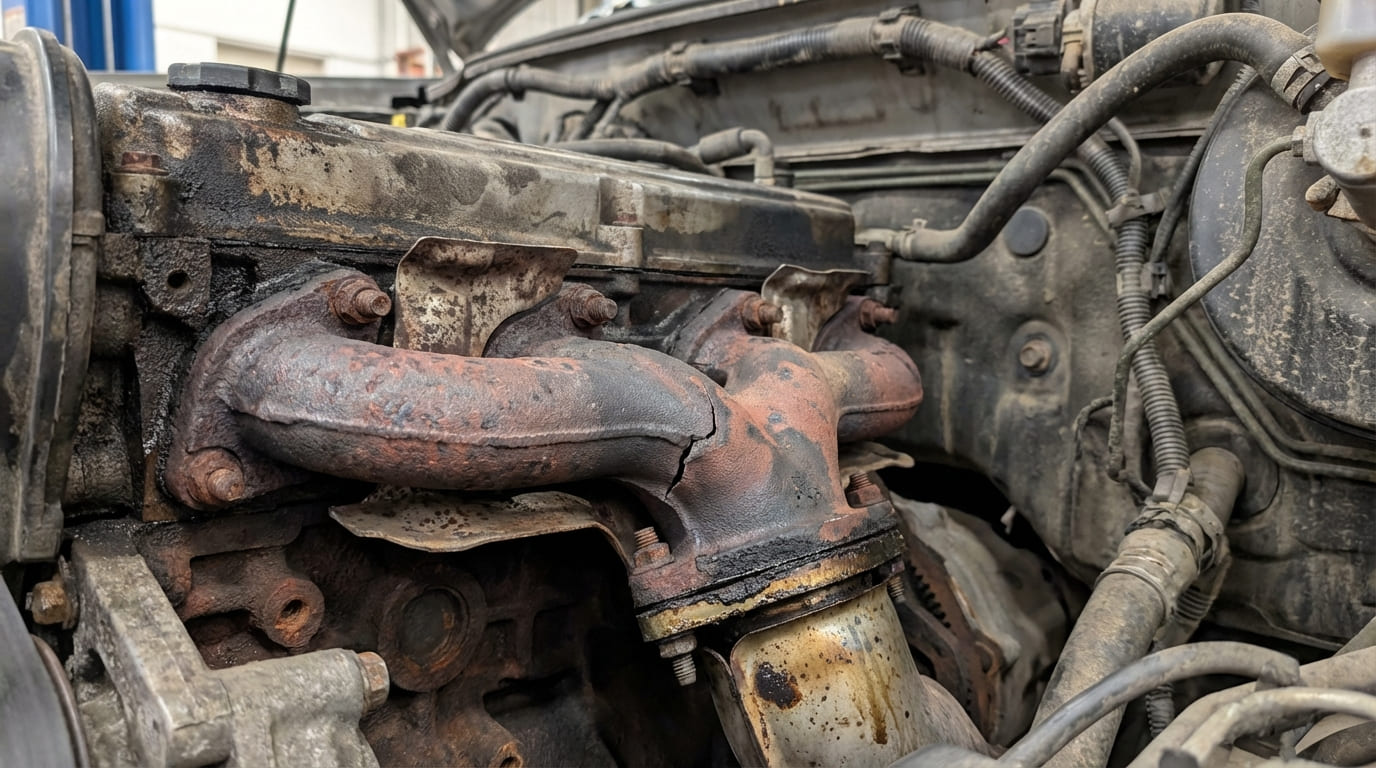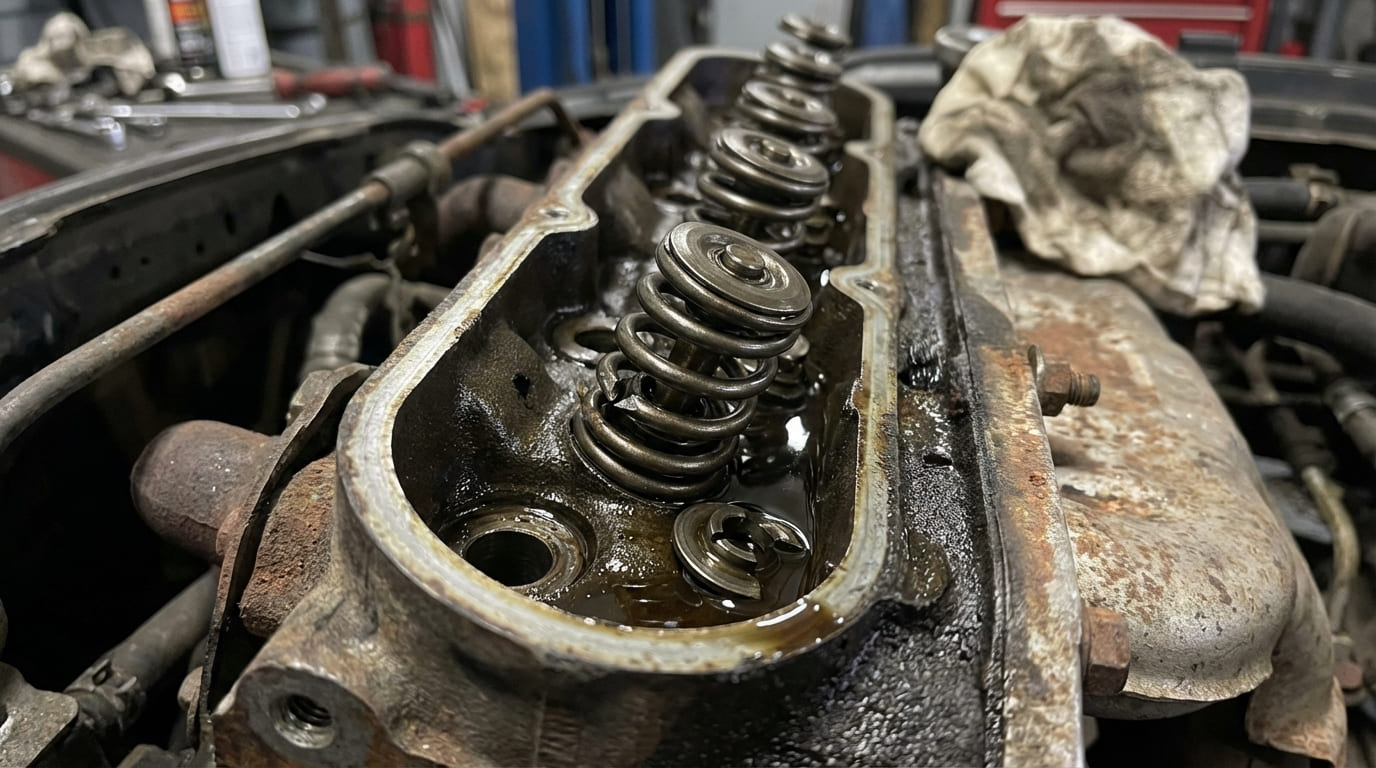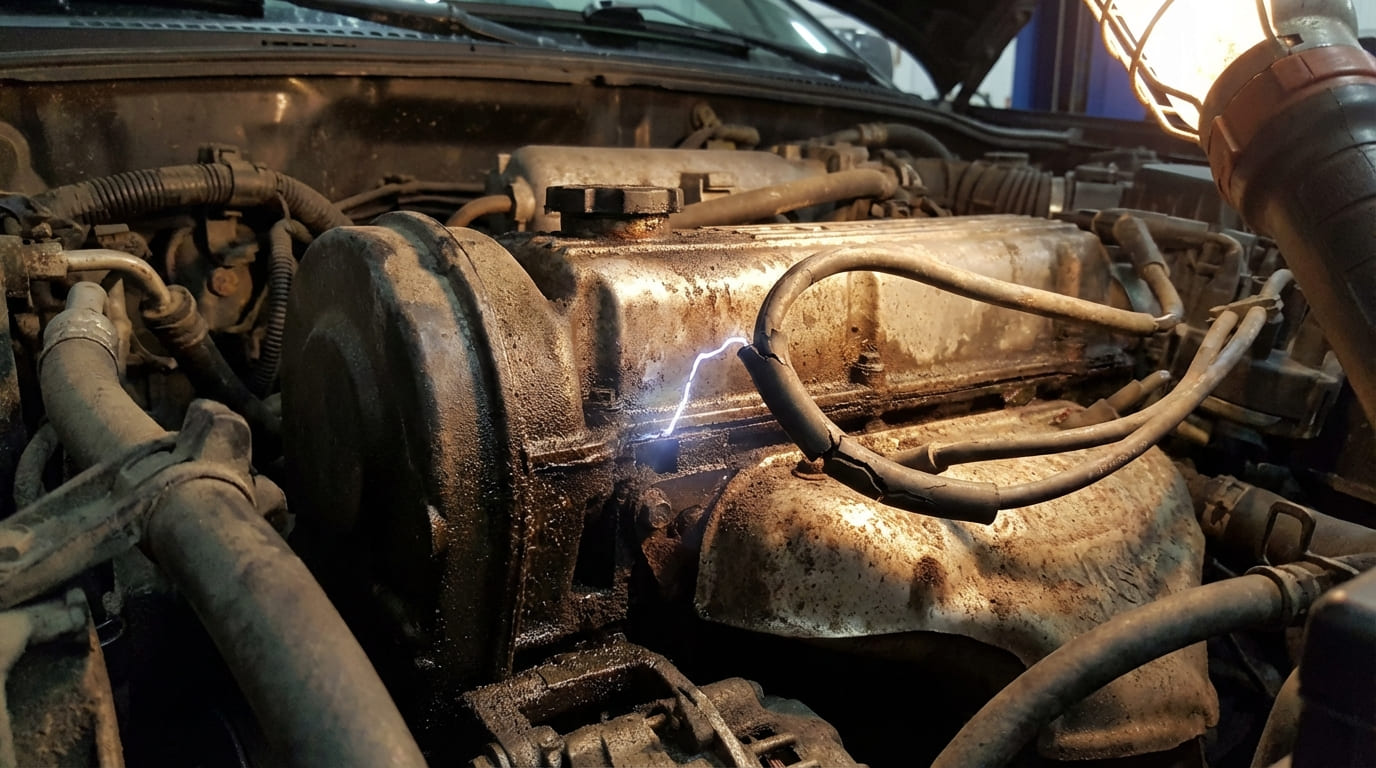
In my two decades as a shop foreman, I’ve seen more than a few engines come in with bottles of “miracle” head gasket sealer in the radiator cap. I get it—nobody wants to pull a head, and sometimes the repair bill feels like a death sentence for an older car. But real talk: head gasket sealants aren’t a fix. They’re a Hail Mary pass with mixed odds. In my experience, they occasionally buy time under very specific conditions. More often than not, they complicate things down the road.
When Head Gasket Sealant Might Work (And When It Won’t)
Head gasket sealants are not a permanent repair. At best, they offer temporary relief for minor, external coolant leaks—like a pinhole weep in the block or casting porosity. They fail completely when combustion gases are leaking into the coolant, oil is mixing with coolant, or there’s visible warpage or cracking. If your engine shows white exhaust smoke, overheats repeatedly, or has milky oil, skip the bottle and start saving for real repairs.
Here’s how to quickly assess viability:
- Is the leak external and slow? (e.g., a damp spot, not a stream)
- Is there no white smoke at startup or under load?
- Is the coolant reservoir free of foam or milkiness?
- Does a block tester show no combustion gases in the coolant?
- Has the engine maintained stable temperature?
If you answered “no” to any of these, sealant will not work. Move on to proper diagnosis.
How to Diagnose a Head Gasket Problem Yourself
Before spending a dime on additives, confirm what you’re dealing with. These steps replicate what we do in the shop:
- Pressure test the cooling system: Use a hand pump to pressurize the radiator to 15 psi (or OEM spec). Watch for 15 minutes. A drop indicates a leak—external or internal.
- Perform a block test: Use a combustion leak tester (aka “block tester”) with the radiator cap off. Pump air through the chemical solution. A color change (blue to green) confirms exhaust gases in the coolant—meaning the head gasket is breached.
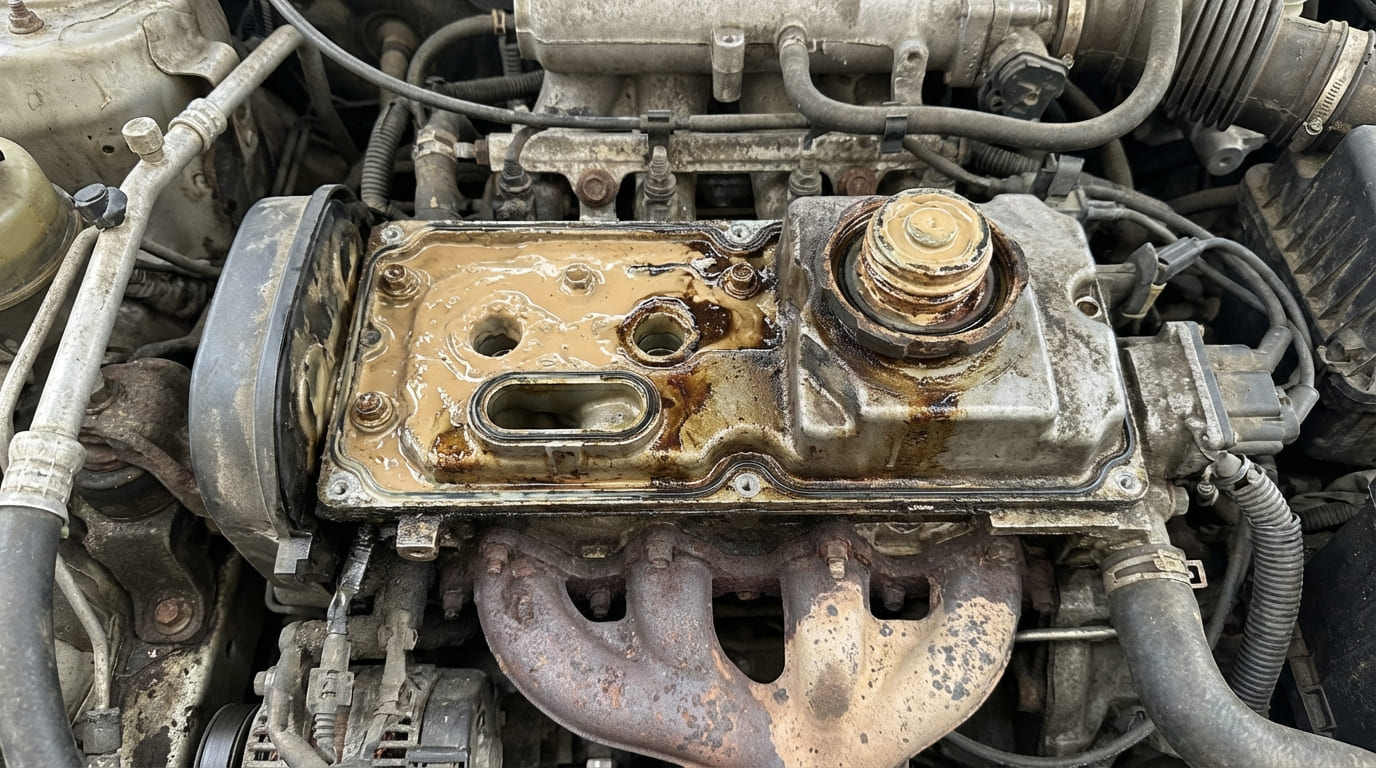
- Inspect the oil: Pull the dipstick and check under the oil cap. Milky residue or froth means coolant is in the oil—sealant won’t fix this.
- Check for white exhaust smoke: Cold-start smoke that persists after warm-up is a classic sign of coolant entering the combustion chamber.
- Look for bubbles in the radiator: With the cap off and engine running, air bubbles surfacing in the coolant indicate combustion pressure leaking in.
- Scan for overheating patterns: Intermittent overheating, especially under load, often points to a head issue—even without visible leaks.
Real-World Scenarios: When I’ve Seen Sealant Work (And Backfire)
There are rare cases where it makes sense—but only when the stakes are low and expectations are managed. Here’s what actually happens in the real world:
| Symptom | Most Likely Causes | Sealant Viable? | Recommended Action |
|---|---|---|---|
| External coolant weep at head/block junction | Minor gasket seep, casting porosity | Possibly, if no internal signs | Pressure test, inspect, consider short-term use with caution |
| White exhaust smoke + coolant loss | Head gasket breach, cracked head, warped deck | No | Combustion test, borescope, plan head removal |
| Milky oil | Coolant in oil—could be head gasket, intake gasket, oil cooler | No | Disassemble and trace source; sealant will not help |
| Overheating with no visible leak | Thermostat, water pump, air pocket, clogged radiator | No | Bleed system, verify flow, pressure test |
| Bubbles in radiator when running | Combustion leak into coolant | No | Block test, prepare for head work |
Risks of Using Head Gasket Sealant
The downside often outweighs the slim chance of success. Even if the leak stops, you may be setting up future problems:
- Clogging of radiator tubes or heater core—leads to overheating.
- Damage to water pump seals from suspended particles.
- Thermostat sticking due to residue buildup.
- Contamination of new parts during eventual repair—increasing labor and cost.
- False sense of security—delaying proper repair until engine damage is irreversible.
Situation: A 2008 V6 pickup came in with coolant loss and white smoke. Owner had already dumped two bottles of sealant. No smoke after, but temp still climbed.
Discovery: Pressure test showed slow loss. Block test was negative. Pulled the rad—core was clogged with silicate gel. After flush, found a warped head due to prior overheating.
Nuanced Lesson Learned: Sealant masked the symptom but didn’t stop the root cause. The clog made overheating worse, and we nearly missed the head warp because the leak was temporarily plugged.
Situation: A customer reported a small drip near the rear of the head. No smoke, no temp issues. Used a “lifetime” sealant product.
Discovery: Upon teardown, the leak was actually from a degraded intake manifold gasket allowing coolant into the valley. The block wasn’t breached at all.
Nuanced Lesson Learned: Not all coolant leaks are head gasket failures. Thorough inspection beats chemical fixes every time. The sealant did nothing—but didn’t hurt, either, in this case.
Situation: A high-mileage sedan had a slight coolant seep at the head gasket. Owner added sealant and drove 3,000 miles with no issues.
Discovery: Later, water pump failed. Upon replacement, we found bearing wear and seal damage from abrasive particles in the coolant.
Nuanced Lesson Learned: Even “successful” sealant use carries hidden costs. The temporary fix caused premature failure of a $200 part—costing more in labor than a proper repair would have.
When It Might Be Worth Trying (And How to Do It Right)
I’ve used sealant exactly twice in 20 years—and only under strict conditions:
- Emergency move: Car needs to go 20 miles to a shop, no internal leaks, and owner understands it’s a gamble.
- End-of-life vehicle: Repair cost exceeds car value, and owner wants a few extra months of use.
If you go this route:
- Flush the cooling system thoroughly first—old coolant and debris reduce effectiveness.
- Use only the amount specified—overdosing increases clogging risk.
- Run the engine at idle with the heater on high for 15–20 minutes, then let it cool completely. This cycles the sealant through hot zones.
- Do not drive under load for at least 50 miles.
Proper Repair: What You’re Really Up Against
If the sealant isn’t viable, here’s what a real fix involves—and what it costs:
| Repair Step | Typical Cost (Parts + Labor) | DIY Feasibility |
|---|---|---|
| Head gasket replacement (4-cylinder) | $800–$1,500 | Intermediate–Advanced (8–12 hours labor) |
| Head gasket + head machining | $1,200–$2,000 | Advanced (requires removal, inspection, resurfacing) |
| Cracked block repair (weld/sleeve) | $1,500–$3,000+ | Not recommended for DIY |
| Used engine swap | $2,000–$4,000 | Advanced (lift, mounts, wiring, fluids) |
For DIYers: The job requires torque wrench, feeler gauges, straight edge, and often new head bolts. Torque-to-yield (TTY) bolts must be replaced—reusing them risks improper clamping and repeat failure.
Final Verification: Did the Fix Work?
After any repair—chemical or mechanical—verify it:
- Recheck cooling system pressure hold (no drop over 15 minutes).
- Perform another combustion leak test—zero color change is ideal.
- Inspect for external leaks after a full heat cycle.
- Monitor temperature and coolant level over several drive cycles.
Expert Checklist: What to Do (And Not Do)
- ✅ Recommended: Clean head bolt threads with a bottoming tap before reassembly. Prevents false torque readings and uneven clamp load.
- ✅ Recommended: Use new head bolts, especially torque-to-yield types. Reusing them can lead to improper preload and future leaks.
- ✅ Recommended: Follow factory torque sequence and values exactly—often in multiple stages. Skipping steps risks head distortion.
- ⚠️ Avoid: Using stop-leak products as a substitute for diagnosis. They mask symptoms and complicate future repairs.
- ⚠️ Avoid: Reassembling without verifying deck flatness. Even a slightly warped head can cause repeat failure.
- ⚠️ Avoid: Flushing with high-pressure water alone. Residual sealant may remain; chemical flush followed by neutralization is better.
In my shop, we always tell customers: if the engine has ever overheated severely, assume the head is warped until proven otherwise. A $50 straight-edge check saves a $1,500 redo. And never, ever trust a repair that relies on “magic goo.” The factory service manual is your bible—and it doesn’t list sealant as a repair procedure for a reason.