In my experience, there are moments when a driver finds themselves with a steam-shrouded engine and a dry radiator. The instinct to “just make it home” or “get to a gas station” is strong. But the reality of operating an internal combustion engine without coolant is harsh and unforgiving. While I’ve seen engines survive brief episodes, it’s never safe, and survival is more luck than design. Let me walk you through what happens, what limited options exist, and how to assess the aftermath.
Immediate Consequences of Coolant Loss
When coolant is gone, heat has nowhere to go. Modern engines run tight tolerances—often less than 0.005″ between piston and cylinder wall. Once temperatures spike, metal expands, clearances vanish, and damage begins. Here’s what unfolds in real time.
What Happens When the Engine Runs Hot
Within seconds of coolant loss, heat builds rapidly. Aluminum cylinder heads distort quickly above 250°F. Oil breaks down, bearings lose film strength, and components begin to fail. The chain reaction is predictable and destructive.
- 0–60 seconds: Coolant warning light comes on. Cylinder head temps exceed 300°F. Oil starts thinning.
- 60–90 seconds: Head warpage begins. Piston skirts expand, increasing friction. Rod bearings start overheating.
- 90+ seconds: High risk of head gasket failure, piston scuffing, or bearing spin. Engine may seize.
In my shop, we’ve torn down engines driven less than two minutes without coolant. Half had warped heads. A third showed bearing discoloration or piston scuffing. Don’t assume “just a little way” is safe—it rarely is.
Emergency Scenarios and Damage Mitigation
How to Check If You’ve Lost All Coolant
Don’t guess—verify. Pull over safely and assess:
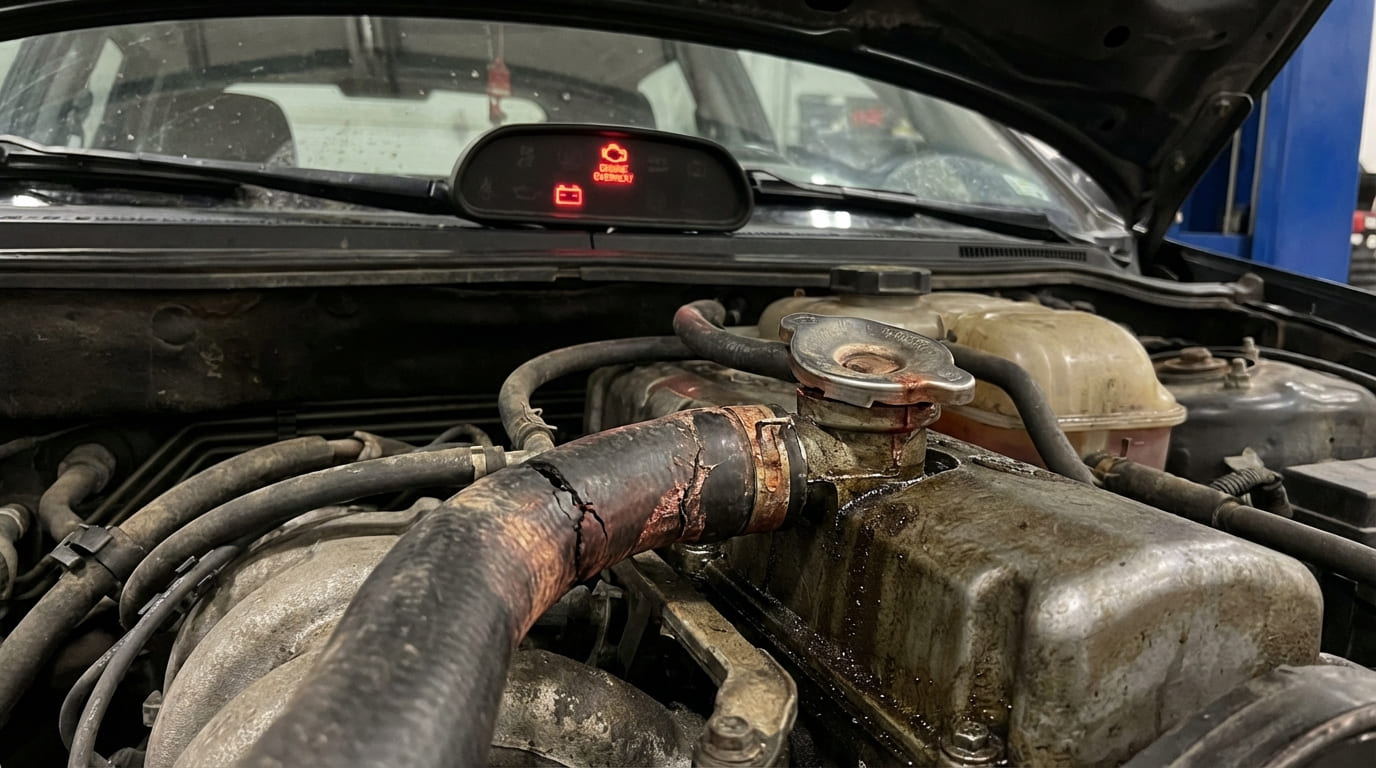
- Check the temperature gauge: Is it in the red?
- Look for steam: Hood smoke means boiling residue or coolant flash-off.
- Test the heater: Cold air on max heat suggests no coolant flow.
- Inspect the overflow tank and radiator (only when cold): Are they empty?
If all signs point to zero coolant, do not continue driving unless absolutely necessary for safety.
Minimal Movement: Last-Resort Protocol
If stranded in traffic or a dangerous location, moving to the shoulder may be unavoidable. These steps reduce (but don’t eliminate) damage:
- Turn off the AC to reduce engine load.
- Set heater to max heat, fan on high—this pulls heat through the heater core.
- Drive slowly, keeping RPMs low. Avoid hills, acceleration, or stop-and-go traffic.
- Shut the engine off if the temp gauge approaches redline.
- Wait 30–45 minutes before attempting restart—metal needs time to contract.
This strategy might allow 1–2 miles of movement at best. It’s not a fix—it’s survival triage.
Using Water in a Pinch: What You Need to Know
In warm weather, clean water can prevent immediate meltdown. It boils at 212°F versus 250°F+ for 50/50 coolant, but it’s better than nothing.
How to do it right:
- Add water only when the engine is cool or warm—not hot.
- Use distilled water if possible. Tap water introduces minerals that cause scale.
- Drive only far enough to reach a repair shop.
- Flush the system and refill with proper coolant mix within 100 miles.
I’ve seen customers add water and forget the flush. Three months later, they’re back with a clogged heater core or corroded water pump. Water is a temporary bridge—not a destination.
Post-Overheat Diagnosis: What to Do Next
After any significant overheat—especially with zero coolant—assume internal damage until proven otherwise. Here’s the diagnostic workflow I use in my shop.
Step-by-Step Inspection Process
Follow this sequence to identify hidden damage:
- Visual inspection: Check for external leaks, cracked hoses, failed water pump, or radiator damage.
- Oil and coolant check: Look for milky oil (coolant in oil) or oil sheen in coolant (oil in coolant).
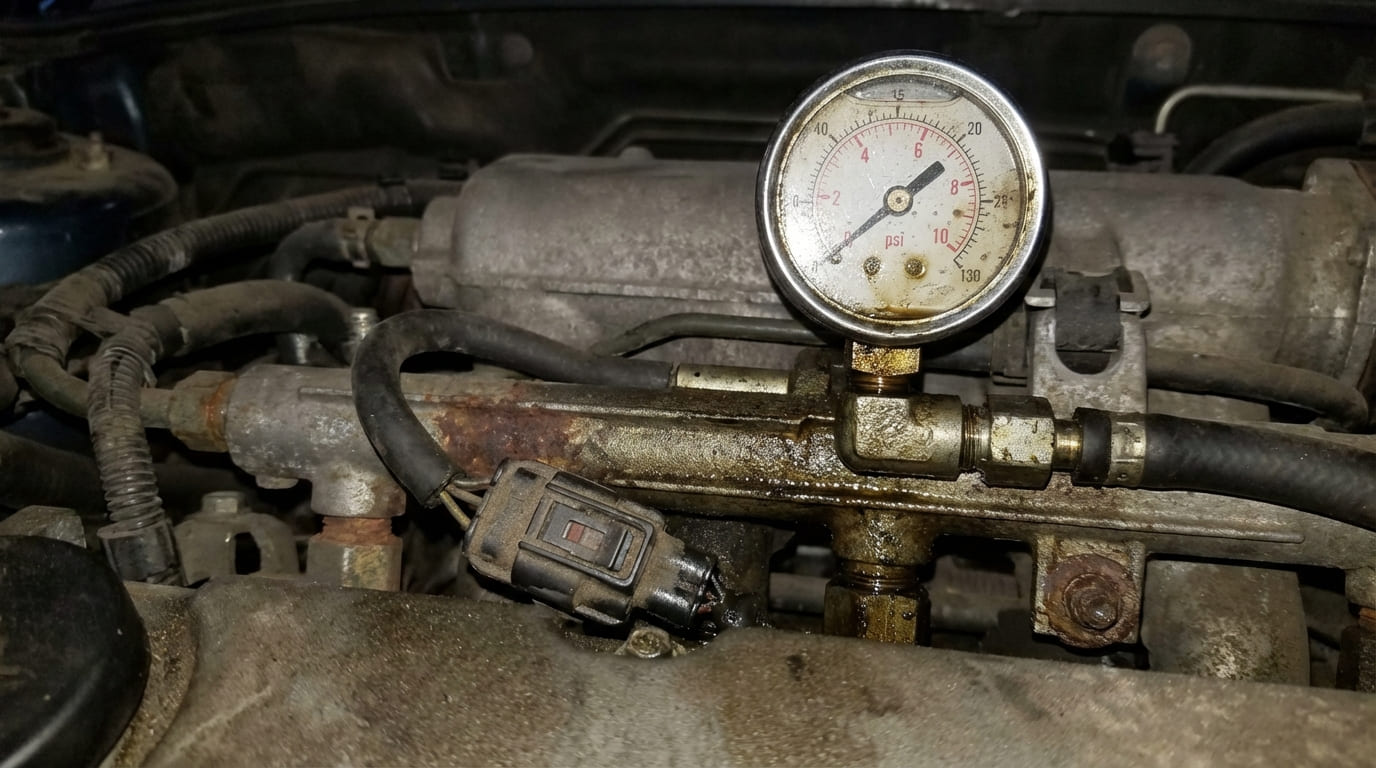
- Pressure test: Pressurize the cooling system to 15 psi and hold for 20 minutes. Any drop indicates a leak.
- Block test (combustion leak): Use a chemical tester to detect exhaust gases in coolant—confirms head gasket or crack.
- Compression and leak-down test: Low or uneven compression suggests gasket failure, warpage, or piston damage.
- Borescope inspection: Look inside cylinders for scuffing, melting, or carbon buildup.
Repair vs. Replace: Cost and Viability
Depending on findings, repair costs vary widely. Here’s a realistic breakdown:
| Repair Type | Typical Cost Range | Repair vs. Replace Advice |
|---|---|---|
| Cooling system flush and refill | $100–$200 | Always worth doing. Prevents future issues. |
| Thermostat or radiator replacement | $150–$400 | Cost-effective fix. Do it early. |
| Water pump replacement | $300–$700 | Replace with timing belt if applicable. |
| Head gasket replacement | $1,200–$2,500 | Only if block/head are undamaged. Otherwise, consider engine replacement. |
| Engine replacement (used/rebuilt) | $2,000–$4,000 | Often more economical than a new long-block on high-mileage vehicles. |
If compression is down and the block is warped beyond spec, don’t waste money on a head gasket job. In my shop, we call that “throwing good money after bad.” Diagnose fully before disassembling.
Real-World Cases and Key Lessons
Every overheat tells a story. These cases show why assumptions can lead to misdiagnosis and wasted labor.
Situation: 2012 Honda Accord towed in—overheated on highway, customer drove 5 miles after warning.
Initial Assumption: Head gasket failure—common on high-mileage four-cylinders.
Discovery: Compression was even, no combustion gases in coolant. Borescope revealed piston scuffing on cylinder 3. Block was warped 0.003″ diagonally.
Key Takeaway: Not every overheat kills the head gasket first. Localized hot spots from a failing water pump caused piston-to-wall contact. Always inspect multiple systems.
Situation: 2008 Ford Explorer with white smoke and coolant loss. Owner added water repeatedly.
Initial Assumption: Blown head gasket—classic symptoms.
Discovery: No gases in coolant, compression good. Pressure test revealed leak at intake manifold—common on 4.0L SOHC engines.
Key Takeaway: Intake manifold leaks can mimic head gasket failure. Rule out external sources before pulling the head.
Situation: Turbocharged VW with coolant loss and oil in expansion tank.
Initial Assumption: Head gasket or cracked head from boost pressure.
Discovery: Oil cooler housing gasket failed—allowed coolant into oil and vice versa. No engine damage.
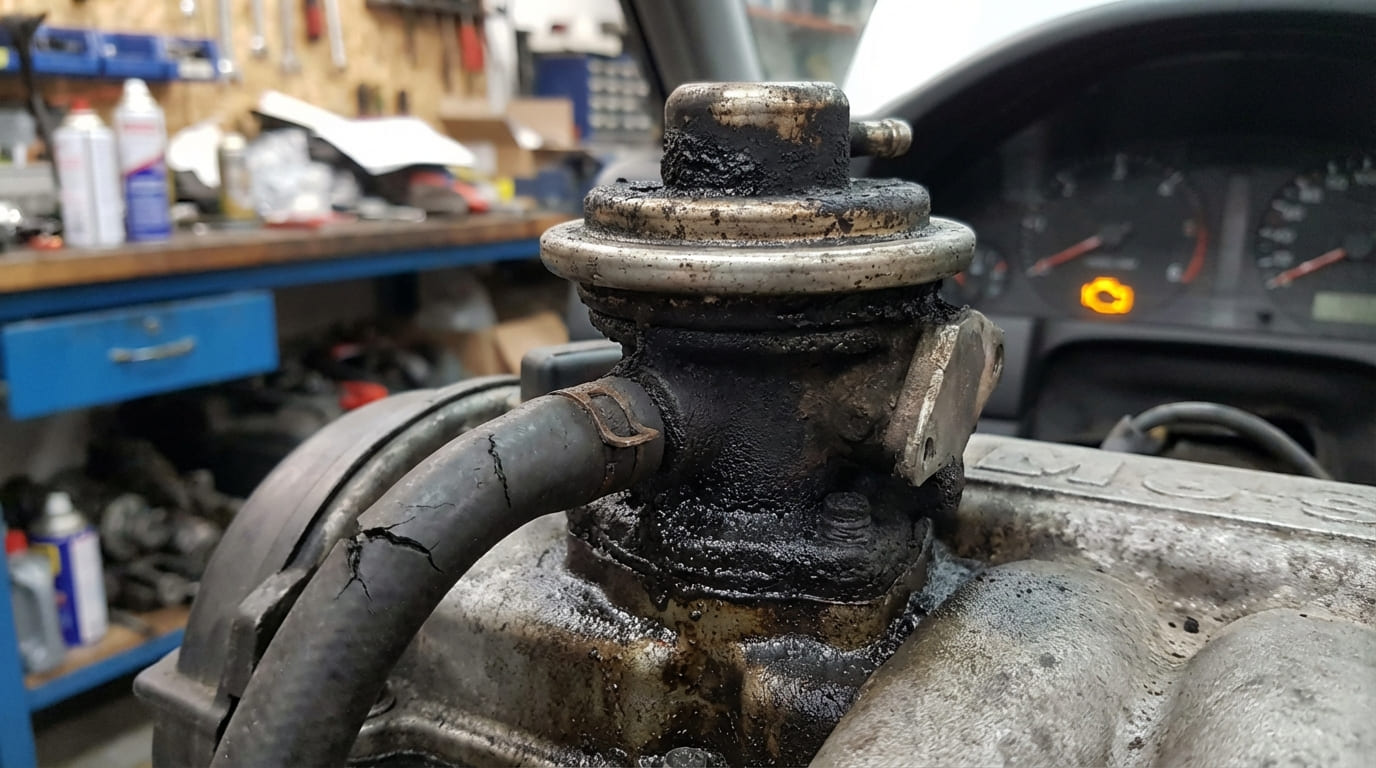
Key Takeaway: Ancillary components like oil coolers or EGR coolers can fail and mimic internal engine issues. Test the whole system.
Final Recommendations
Driving without coolant is never safe. Even brief operation risks catastrophic damage. If you must move the vehicle, minimize distance and monitor temperature closely. After any overheat, perform a full diagnostic before investing in repairs.
- ✅ Always replace thermostat and radiator cap during coolant service—they’re cheap and critical.
- ✅ Use a torque wrench and factory sequence when reinstalling cylinder heads.
- ✅ Clean head bolt threads with a bottoming tap—ensures accurate clamping force.
- ⚠️ Never reuse torque-to-yield (TTY) head bolts—they’re stretched during first use.
- ⚠️ Never add cold coolant to a hot engine—risk of thermal shock cracking.
- ⚠️ Never restart an overheated engine without verifying coolant level and system integrity.
Outcomes vary—some engines survive short dry runs, others fail instantly. Variables include engine material, load, oil condition, and ambient temperature. But relying on luck is not a strategy. Diagnose, repair, and refill correctly the first time.