Fuel injector replacement typically costs between $400 and $1,500 for most vehicles, though high-pressure systems like gasoline direct injection (GDI) or diesel common rail can exceed $2,000. This range includes parts, labor, and related components. The final cost depends on your vehicle’s make, model, engine type, and the root cause of failure. As a master mechanic, I’ve seen too many owners pay for unnecessary injector replacements because the real issue—like a vacuum leak or fuel pump problem—was overlooked. This guide cuts through the noise with actionable diagnostics, cost breakdowns, and field-tested advice to help you make the right call.
Average Cost Breakdown
The total cost of fuel injector replacement comes down to two main factors: parts and labor. Below is a realistic estimate based on common configurations.
| Engine Type | Parts Cost (Set) | Labor Hours | Labor Cost ($110/hr avg) | Total Estimated Cost |
|---|---|---|---|---|
| 4-Cylinder PFI | $160 – $300 | 2 – 3 | $220 – $330 | $400 – $700 |
| V6 PFI (intake off) | $240 – $600 | 4 – 5 | $440 – $550 | $700 – $1,200 |
| GDI Engine | $400 – $1,000 | 3 – 6 | $330 – $660 | $800 – $1,700 |
| Diesel Common Rail | $800 – $2,000+ | 6 – 8+ | $660 – $1,000+ | $1,500 – $3,000+ |
Key Factors That Affect Cost
Fuel System Type and Engine Complexity
Port fuel injection (PFI) systems are simpler and cheaper to service. GDI and diesel injectors operate under extreme pressure, require precise calibration, and often need electronic coding—driving up both parts and labor. Inline engines are generally easier to access than V-configurations, especially when turbochargers or intercoolers block access.
Labor Rates by Region and Shop Type
Independent shops typically charge $80–$120/hour; dealerships range from $120–$160. While dealers have OEM tools and software, many independents now offer equivalent diagnostics at lower rates. Always ask if injector coding is included in the quote.
Number of Injectors Replaced
Replacing just one injector is cheaper but risky on high-mileage engines. If one fails, others are likely near the end of their life—especially in GDI engines prone to carbon buildup. Replacing a full set may cost more upfront but prevents repeat labor charges and drivability issues down the road.
In my shop, we rarely replace a single injector on a GDI engine with over 100,000 miles. The odds of another failing within 12 months are too high. We test flow rates and recommend full-set replacement when deviation exceeds 5%.
Must-Do Diagnostics Before Replacement
Never replace an injector based on a misfire code alone. Many issues mimic injector failure. Follow these steps to confirm the problem:
Step-by-Step Diagnostic Process
- Scan for codes and live data: Check misfire counters and fuel trims. Long-term fuel trim above +10% suggests a lean condition (clogged injector); below -10% suggests rich (leaking injector).
- Perform a cylinder balance test: Disable each injector one at a time. A weak cylinder shows less RPM drop. A dead cylinder may stall the engine.
- Test fuel pressure and leak-down: Use a compatible gauge. Pressure should hold within 5 PSI over 10 minutes. A drop indicates a leaking injector or faulty check valve.
- Check injector resistance: Use a multimeter. High-impedance injectors: 12–16 ohms. Low-impedance: 2–5 ohms. Out-of-spec readings suggest internal coil failure.
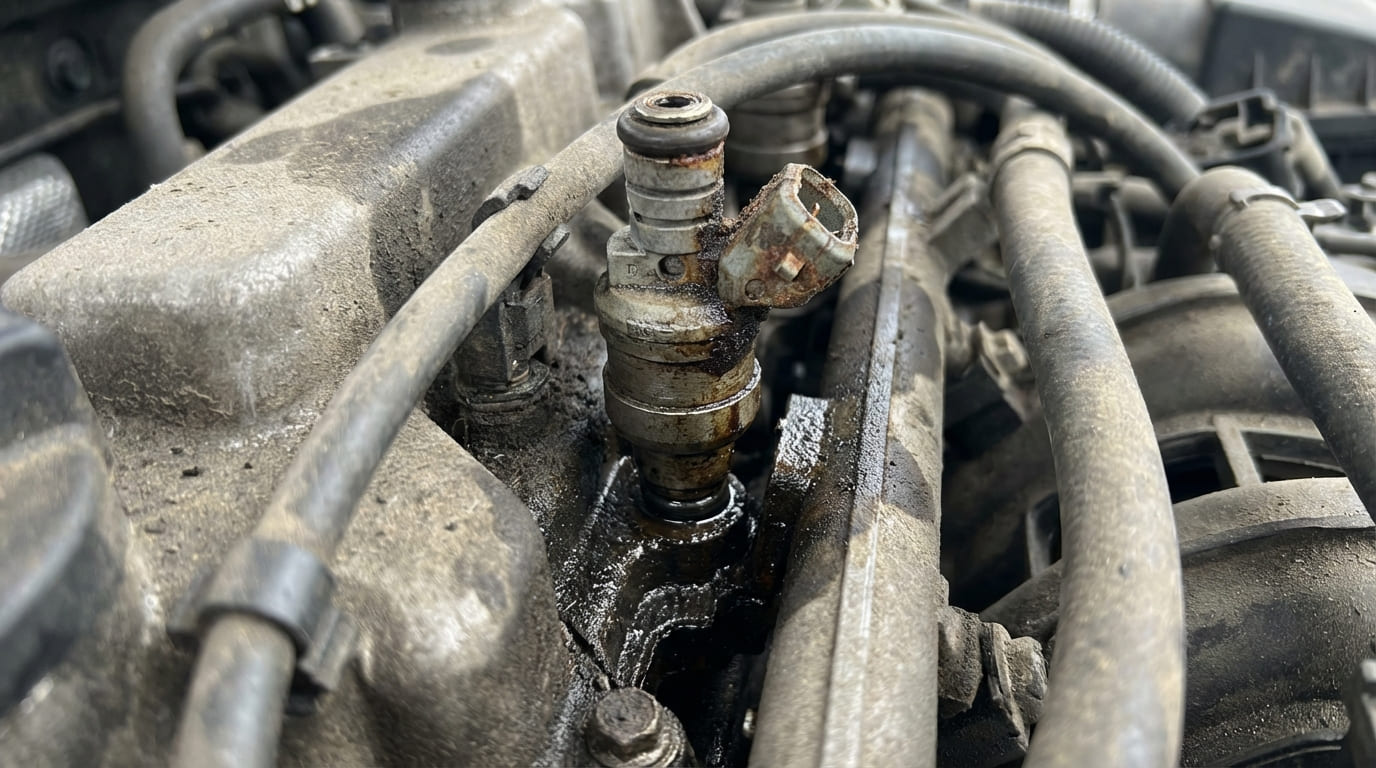
- Inspect for external leaks: Look for fuel pooling around the injector base or rail. Replace O-rings if wetness is present.
- Flow test off-vehicle (if possible): Send suspect injectors to a shop with a flow bench. Compare spray pattern and flow rate. More than 5% deviation from spec means replacement.
I once diagnosed a “bad injector” that turned out to be a cracked intake manifold gasket. The lean condition triggered misfires on one cylinder. Always rule out vacuum leaks before pulling injectors—especially on older V6 engines with plastic manifolds.
Parts Options: OEM vs Aftermarket vs Reman
Your choice affects reliability and long-term performance. Here’s how they compare:
| Option | Cost (Per Injector) | Pros | Cons |
|---|---|---|---|
| OEM | $100 – $800+ | Precise flow calibration, includes coding data, best warranty | Most expensive, longer wait time |
| Aftermarket (Bosch, Denso, Delphi) | $60 – $500 | Good quality if reputable brand, faster availability | Flow rates may vary; coding not always included |
| Remanufactured | $40 – $300 | Cheapest option, often with warranty | Quality varies; some rebuilders skip flow testing |
On a 2010 BMW GDI, a customer replaced one injector with a cheap aftermarket unit—no coding done. The car ran worse. The ECU couldn’t adapt. Always code new injectors on GDI and diesel engines. It’s not optional.
Labor Complexity and DIY Feasibility
Some injector jobs are DIY-friendly; others require professional tools and expertise.
When You Can DIY
Inline 4-cylinder PFI engines with easy access are feasible for intermediate DIYers. You’ll need a torque wrench, fuel line disconnect tools, and basic hand tools. Typical time: 2–3 hours.
When to Call a Pro
GDI, diesel, or any job requiring intake manifold removal, fuel rail disassembly, or coding should be left to professionals. These systems demand specialized tools, leak-down testing, and software programming.
- Intake manifold removal adds 2–3 hours of labor
- High-pressure systems must be depressurized safely before service
- Injector pullers, calibrated torque wrenches, and OEM scan tools are often required
Ancillary Parts and Hidden Costs
Always replace these components during injector service to avoid comebacks:
- Fuel rail O-rings and seals: $5–$30 (always replace—even if they look good)
- Intake manifold gaskets: $20–$100 (if removed)
- Fuel filter: $15–$50 (critical on diesel and high-mileage PFI)
- High-pressure fuel lines: $50–$200+ each (prone to cracking on GDI/diesel)
- Spark plugs: $10–$30 each (if fouled from misfires)
On a Cummins diesel, I replaced an injector—only for it to fail again in two weeks. The high-pressure fuel pump was shedding metal, contaminating the new unit. Always check fuel cleanliness and pump health before replacing diesel injectors.
Post-Replacement Verification Steps
Skipping these steps risks leaks, poor performance, or repeat failures.
- Pressure test without starting: Cycle the key to pressurize the system, then inspect all connections for leaks.
- Clear codes and reset fuel trims: Let the ECU relearn with the new injectors. Skipping this causes rough idle.
- Perform drive cycle and monitor live data: Check fuel trims and misfire counters. If trims are still off, look for vacuum leaks or MAF issues.
- Program injector codes (GDI/diesel): Required on most modern vehicles. Use OEM-level tools like TechStream, GDS, or Autel MaxiSys.
What Happens If You Delay Replacement?
Ignoring a faulty injector can lead to expensive secondary damage:
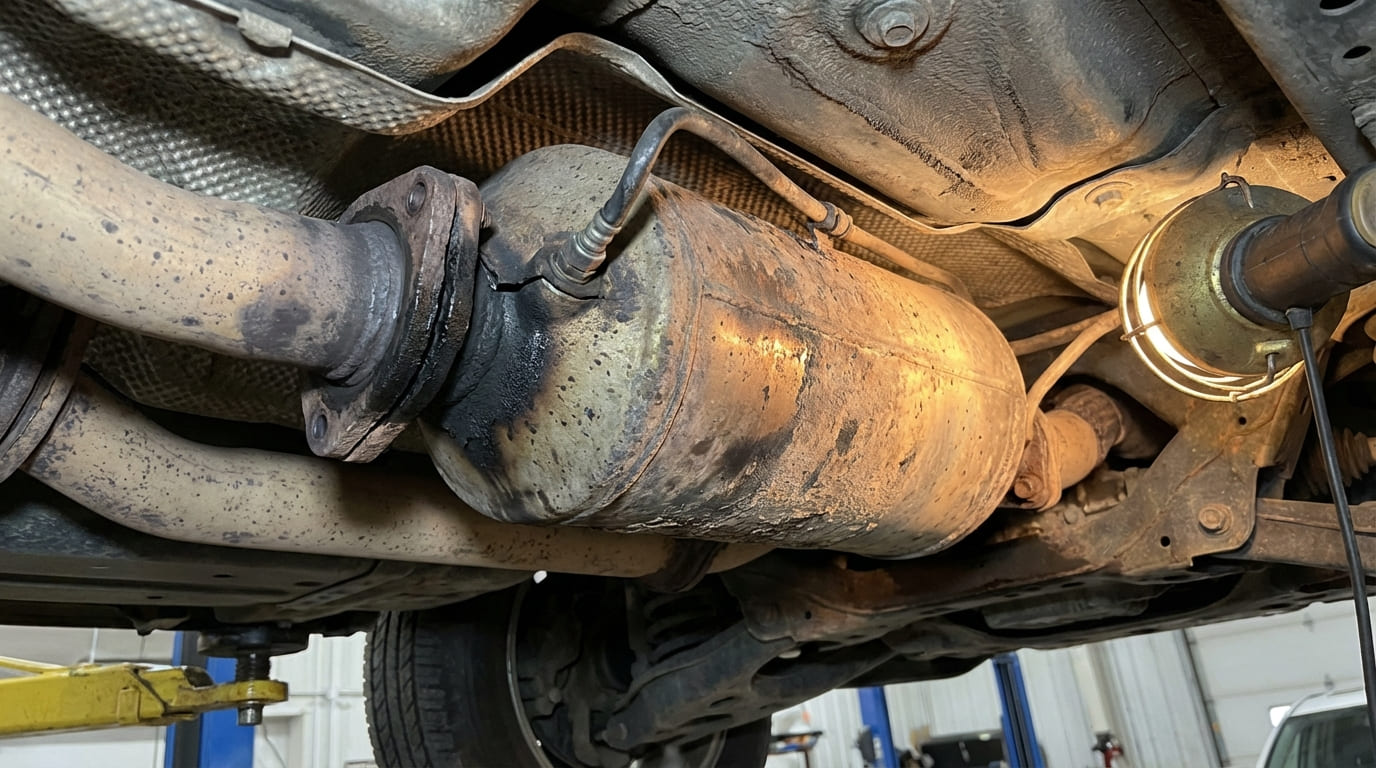
- Catalytic converter failure: Raw fuel from a leaking injector overheats the cat—replacement costs $1,000–$2,500.
- Hydro-lock: A severely leaking injector can fill a cylinder with fuel. Compression can bend connecting rods—engine replacement needed.
- Cylinder wash-down: Excess fuel strips oil from cylinder walls, accelerating wear and increasing oil consumption.
- Detonation: Lean misfires from clogged injectors cause knock, which can crack pistons or damage bearings.
Diagnostic Decision Table
| Symptom | Most Likely Causes | Next Diagnostic Step | Probability |
|---|---|---|---|
| Single-cylinder misfire (P030X) | Ignition coil, spark plug, clogged injector, vacuum leak | Swap coil/plug; perform balance test | Coil/Plug: 60%, Injector: 25%, Leak: 15% |
| Multiple misfires, rough idle | Failing injectors, low fuel pressure, intake leak | Check pressure, scan trims, inspect manifold | Pressure: 35%, Injectors: 30%, Leak: 35% |
| Fuel smell under hood | Leaking O-ring, cracked fuel line, injector seal | Visual inspection, pressure test | O-ring: 70%, Line: 20%, Injector: 10% |
| Poor fuel economy, no codes | Clogged injectors, MAF sensor, driving habits | Check fuel trims, flow test, clean MAF | Injectors: 40%, MAF: 30%, Habits: 30% |
Recommended and Avoid List
- ✅ Replace all fuel rail O-rings and seals—never reuse them.
- ✅ Clean fuel rail and intake ports during reassembly to prevent flow restrictions.
- ✅ Use a torque wrench on fuel rail bolts—over-tightening cracks rails.
- ⚠️ Avoid reusing old electrical connectors—pins fatigue and cause intermittent faults.
- ⚠️ Avoid skipping fuel filter replacement on high-mileage vehicles—debris kills new injectors.
- ⚠️ Avoid cheap aftermarket injectors without verified flow data—mismatched flow causes imbalance.