Exhaust smoke color is one of the most telling signs of engine trouble. As a master mechanic, I use it as a starting point—not a final diagnosis. This guide cuts through the noise and delivers actionable steps to identify and fix the root cause of white, blue, and black smoke, based on real-world diagnostics and repairs.
White Exhaust Smoke: Is It Vapor or Coolant?
Light white smoke at startup that clears in a minute or two is usually harmless condensation. But thick, continuous white smoke with a sweet smell means coolant is burning in the combustion chamber. That’s a serious issue requiring immediate attention.
How to Check for Internal Coolant Leaks
Follow these three tests in sequence—they’re reliable and cost-effective.
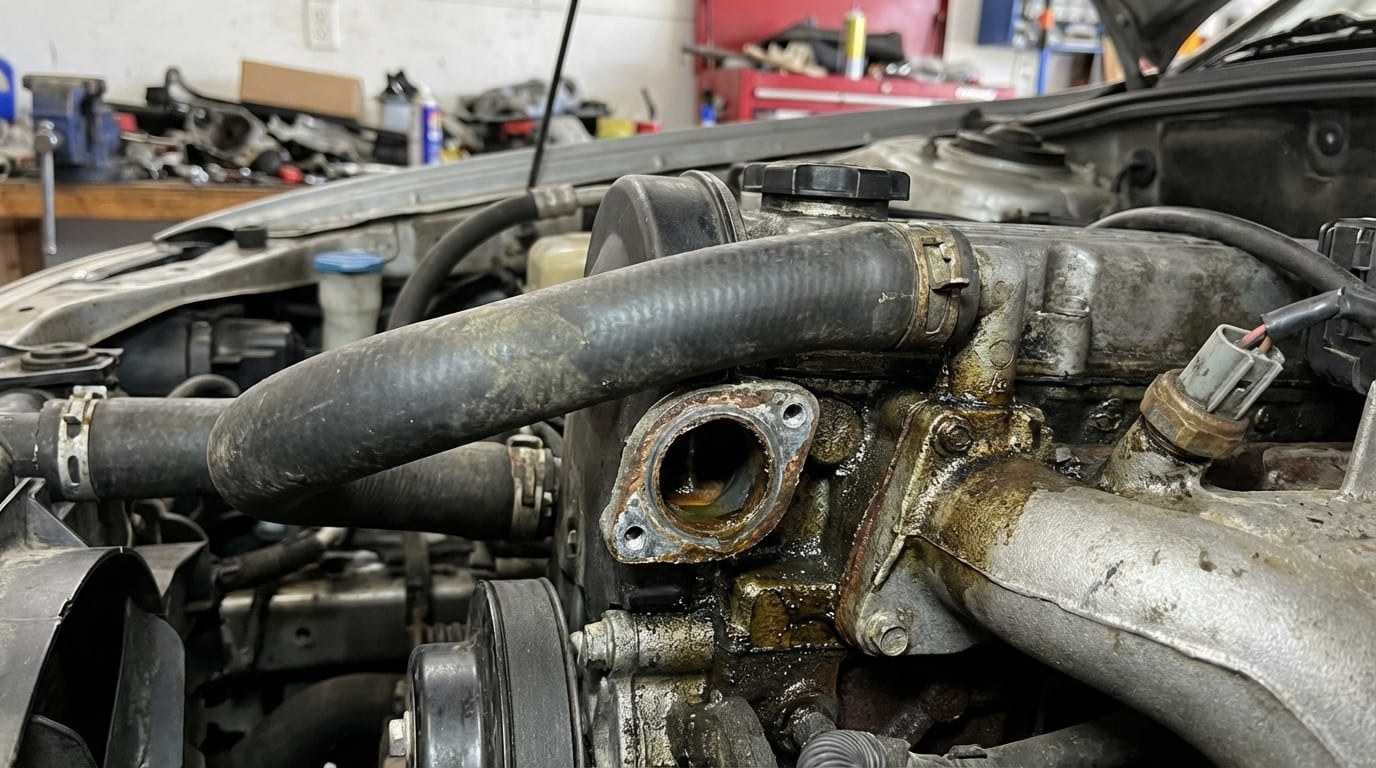
- Coolant System Pressure Test: Use a hand pump to pressurize the cooling system to the cap’s rated pressure (typically 13–18 PSI). Hold for 30 minutes. A drop with no external leak suggests an internal breach.
- Chemical Block Test (Combustion Leak Detector): This kit uses a color-changing fluid. Draw air from the radiator neck while the engine runs. A shift from blue to green or yellow confirms exhaust gases in the coolant.
- Cylinder Leak-Down Test: At TDC, apply 100 PSI to each cylinder. Listen for air bubbles in the radiator (head gasket or crack) or sound from the intake/exhaust (valve issues).
Common Causes and What to Do
Once you confirm coolant is entering the combustion chamber, pinpoint the source.
| Issue | Symptoms | Repair Cost (USD) | Repair vs Replace? |
|---|---|---|---|
| Blown Head Gasket | Overheating, milky oil, coolant loss | $1,200–$2,500 | Repairable—replace gasket, resurface head, check bolt pattern |
| Cracked Cylinder Head | Intermittent overheating, misfires | $1,800–$3,500 | Repairable if crack is small; welding or cold plug possible |
| Cracked Engine Block | Severe coolant loss, oil contamination | $2,500–$6,000+ | Replace block or engine—rarely cost-effective to repair |
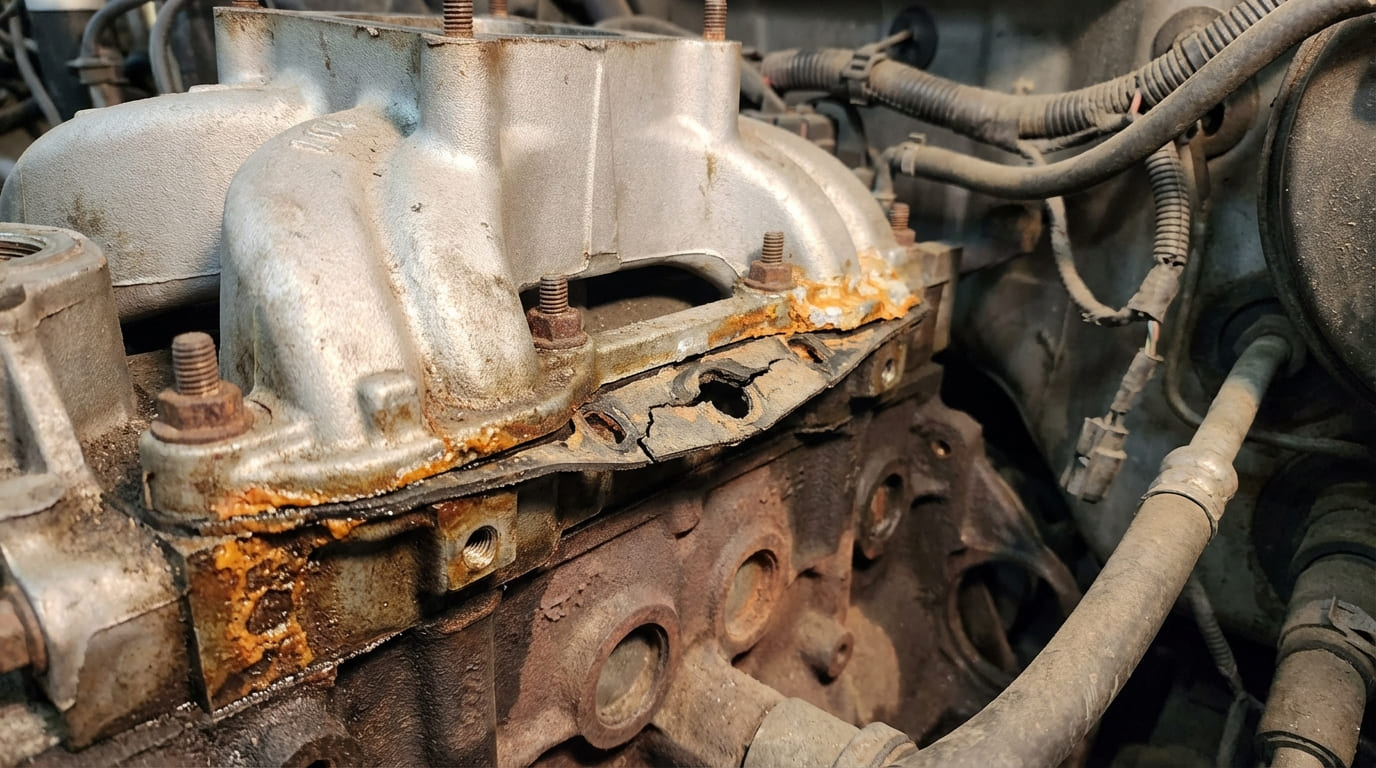
In my shop, we never replace a head gasket without checking the block and head for flatness. Replacing the gasket on a warped surface guarantees a comeback. Always measure with a straight edge and feeler gauge—aluminum heads can warp at just 0.0015” out-of-flat.
Blue Exhaust Smoke: Burning Oil? Track the Source
Blue smoke means oil is getting into the combustion chamber. The timing of the smoke tells you where to look first.
- On cold start or deceleration: Oil is seeping past valve stem seals or guides.
- Under acceleration: Worn piston rings or cylinder walls are likely.
- Constant smoke: Could be turbocharger seals, PCV issues, or severe engine wear.
Diagnostic Steps That Actually Work
Don’t jump to conclusions. Follow this order:
- Inspect the PCV System: Remove the oil cap while the engine idles. You should feel steady vacuum. No vacuum or puffing indicates high crankcase pressure—check for clogged hoses or a stuck valve.
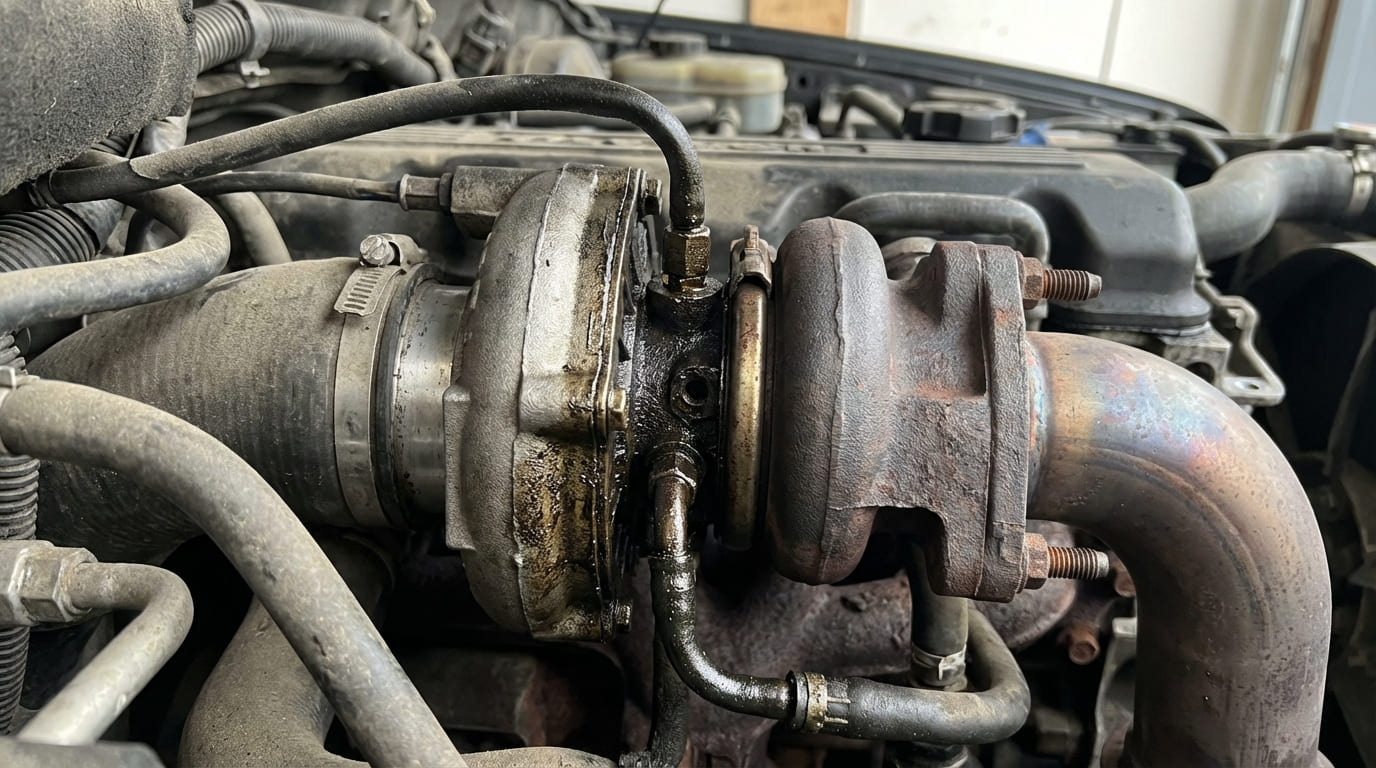
- Check Turbocharger Seals: Look for oil in the intake pipe or intercooler. Spin the shaft—excessive play (more than 0.006” radial) means seals are failing.
- Perform a Leak-Down Test: Air escaping into the crankcase points to ring wear. Combine with a compression test for confirmation.
- Borescope Inspection: Look inside the cylinders for glazing or vertical scoring—signs of ring or cylinder failure.
Repair Options and Cost Reality
| Issue | Typical Fix | Cost (USD) | DIY Feasibility |
|---|---|---|---|
| Worn Valve Stem Seals | Replace seals (valve job or spring compressor method) | $400–$900 | Intermediate—requires timing access on some engines |
| Failed PCV System | Replace valve and clean hoses | $100–$250 | Easy—1-hour job on most vehicles |
| Worn Piston Rings | Engine rebuild or replacement | $3,000–$6,000 | Not recommended for DIYers |
| Failed Turbo Seals | Rebuild or replace turbo | $800–$2,000 | Intermediate—requires intake/exhaust disassembly |
I’ve seen dozens of turbos replaced unnecessarily. Before you pull the turbo, check the PCV system. A collapsed breather hose can force oil past good seals. On BMWs and Audis, this is a common failure point—replace the entire CCV system if it’s over 80,000 miles.
Black Exhaust Smoke: Too Much Fuel or Not Enough Air
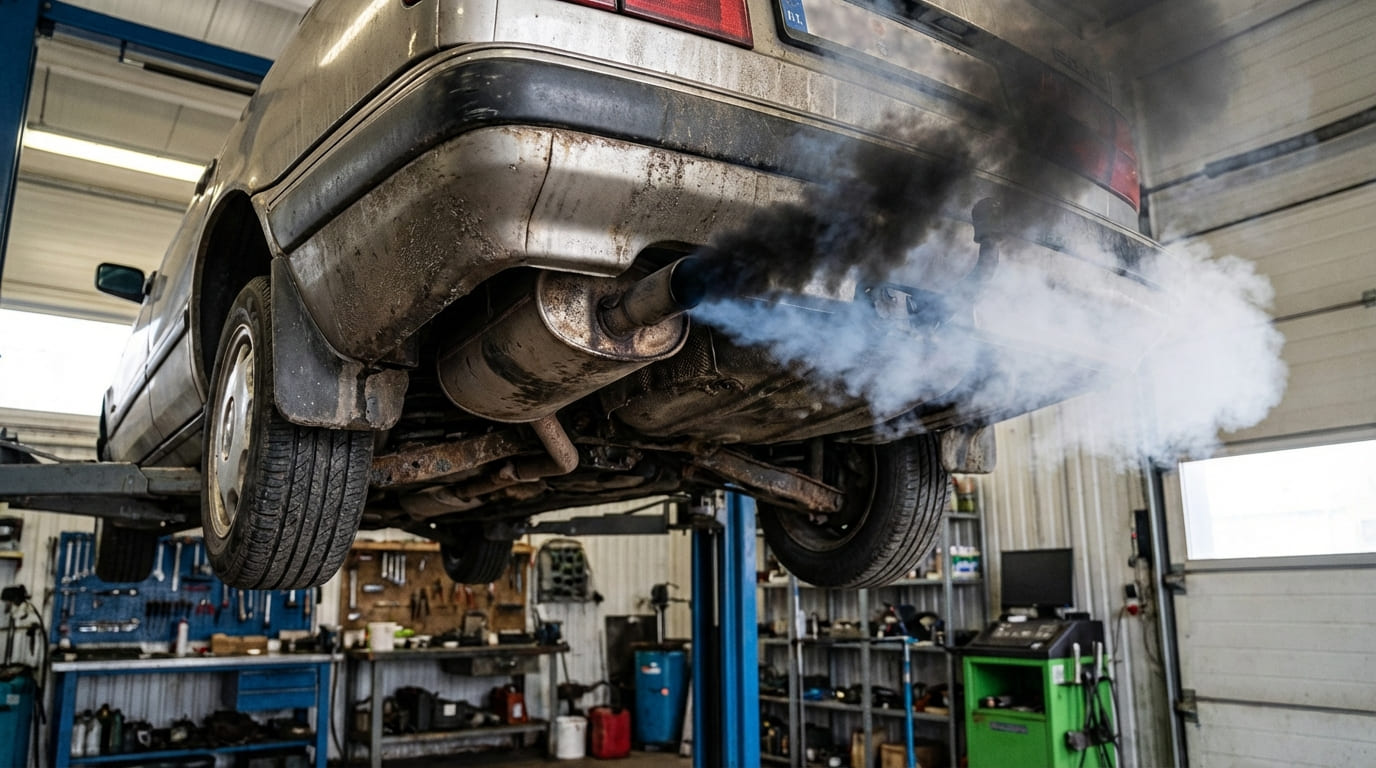
Black smoke means incomplete combustion due to a rich air-fuel mixture. On gasoline engines, it’s usually a sensor or fuel issue. On diesels, it often points to timing, injectors, or airflow problems.
Step-by-Step Diagnosis
- Scan for Live Data: Use an OBD2 tool to check short-term (STFT) and long-term (LTFT) fuel trims. Consistently negative trims mean the ECU is removing fuel—base mixture is too rich.
- Inspect Air Filter and Intake Path: A clogged filter is the easiest fix. Also check for collapsed hoses or debris in the intake.
- Test Fuel Pressure: Connect a gauge to the fuel rail. Pressure should match specs (e.g., 50–60 PSI for most port-injected engines). High pressure? Check the regulator and return line.
- Flow Test Injectors: Remove and test on a bench. Look for leakage after shut-off or more than 7% flow variation between injectors.
- Check MAF and O2 Sensors: Clean the MAF with proper cleaner. Test O2 sensor response—voltage should swing between 0.1V and 0.9V quickly.
Diesel-Specific Issues
Black smoke under load on a diesel often means:
- Incorrect injection timing (check belt or pump alignment)
- Clogged or dripping injectors
- Excessive carbon buildup in intake or on valves
- Boost leaks or EGR system faults
On modern diesels, carbon buildup can cause black smoke even with perfect injectors and timing. A borescope inspection of the intake and pistons can reveal the real issue. Don’t skip physical inspection just because scan data looks normal.
Final Checklist: What to Do and What to Avoid
- ✅ Always pressure test the cooling system after any head gasket repair—catches leaks before reassembly.
- ✅ Use a torque angle gauge for torque-to-yield (TTY) head bolts. Torque alone isn’t enough—angle ensures proper clamping force.
- ✅ Clean head bolt threads with a bottoming tap—debris can cause false torque readings and gasket failure.
- ⚠️ Never reuse TTY bolts unless the factory manual explicitly allows it. In 20 years, I’ve never seen a reused TTY bolt perform reliably.
- ⚠️ Don’t skip flatness checks on heads and blocks. Even 0.002” warp can cause repeat failures.
Smoke Type Comparison: Quick Reference
| Smoke Type | Most Likely Causes | Initial Diagnostic Test | Repair Viability |
|---|---|---|---|
| White (persistent) | Head gasket, cracked head | Coolant pressure + block test | Repairable—replace gasket or head |
| White (transient) | Condensation | Observe for 10 minutes | No repair needed |
| Blue (startup) | Valve seals, PCV fault | Smoke pattern + PCV check | Repairable—seals or hoses |
| Blue (under load) | Worn rings, turbo seals | Leak-down + borescope | Rebuild or replace |
| Black (gasoline) | Clogged air filter, MAF fault | OBD2 data + visual check | Usually repairable |
| Black (diesel) | Injector timing, carbon buildup | Scan tool + borescope | Service injectors or clean intake |
Exhaust smoke isn’t a riddle—it’s a symptom. The color gives you a direction, but real diagnosis comes from testing, not guessing. I’ve saved customers thousands by checking the PCV before the turbo, or the air filter before the injectors. Always start simple. The engine doesn’t lie—if you know how to ask.