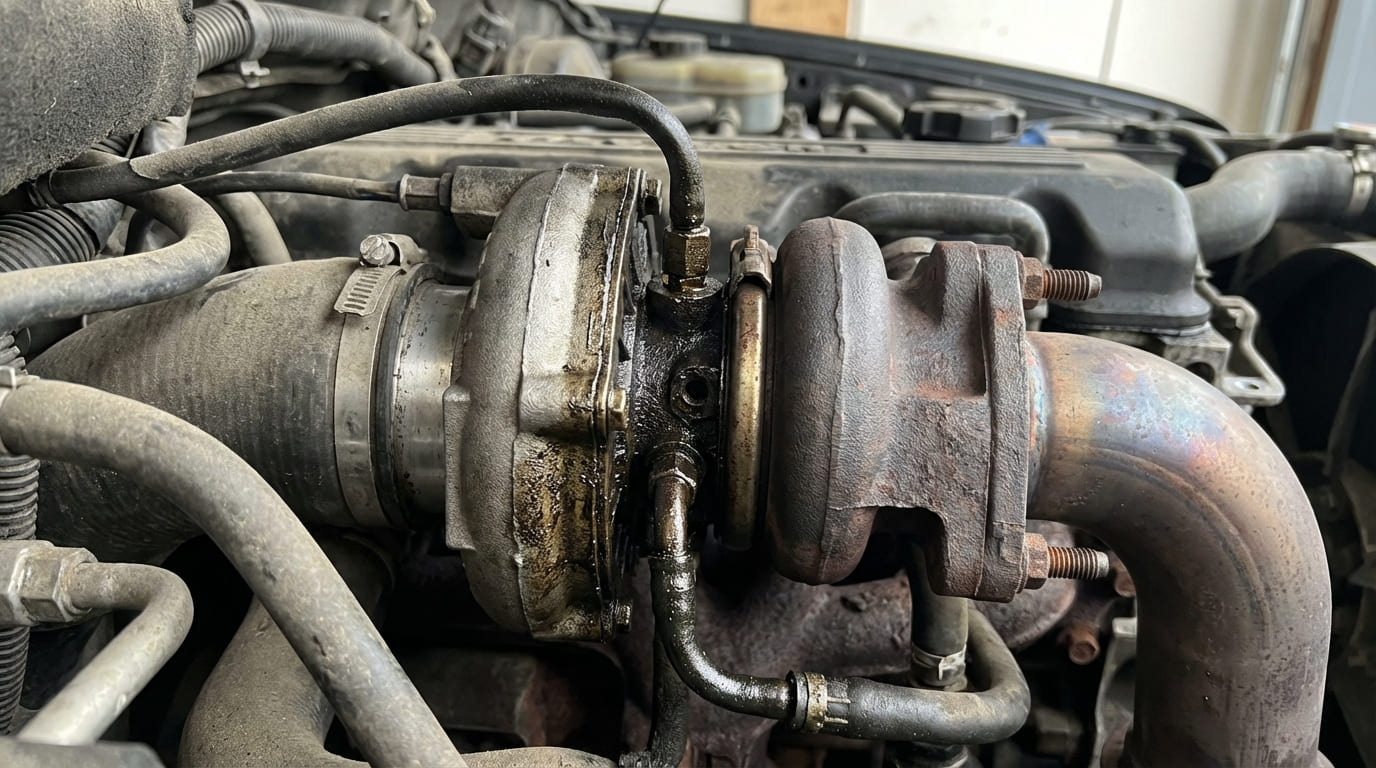
Replacing a turbocharger is a major repair that can cost anywhere from $1,000 to over $4,000, depending on your vehicle and choices made during the repair. As a master mechanic, I’ve seen too many owners pay for replacements that weren’t needed—or worse, replace a turbo only to have the new one fail in months due to overlooked root causes. This guide cuts through the noise and gives you the real-world costs, diagnostics, and critical steps to get it right the first time.
How Much Does Turbocharger Replacement Cost?
Total cost breaks down into three main categories: the turbo unit itself, labor, and supporting components. Skipping any of these can lead to repeat failure or inflated long-term costs.
1. Turbo Unit Cost
The type of turbo you choose affects both price and reliability. Here’s what you’ll face at the parts counter.
| Type | Cost Range | Best For |
|---|---|---|
| OEM (Original Equipment) | $800–$3,000+ | European luxury cars, diesel trucks, long-term ownership |
| Aftermarket (New) | $400–$1,500 | Performance builds, budget-conscious DIYers |
| Remanufactured | $300–$1,200 | Domestic vehicles, short-term fixes |
| Used (Salvage) | $100–$500 | Emergency repairs only—high risk |
In my shop, we only install OEM or high-tier aftermarket turbos on diesel engines. The failure cost isn’t just the part—it’s downtime and collateral damage. On a VW TDI or Ford Power Stroke, a $400 reman might save money today but cost you a blown intercooler tomorrow.
2. Labor Cost
Most shops charge $90–$180 per hour, and turbo replacement takes 4–12 hours depending on engine layout.
- Inline-4 engines (e.g., Subaru WRX, VW Golf TDI): 5–7 hours
- V6 twin-turbo (e.g., Ford EcoBoost, Mercedes V6 diesel): 9–12 hours due to tight access, coolant lines, and heat shielding
Dealerships and European specialists often charge top-end rates. A $150/hour shop doing 10 hours of work adds $1,500 in labor alone.
3. Ancillary Components You Should Replace
Skimping here is the #1 reason for repeat turbo failure. Always budget for these.
| Component | Cost | Why It Matters |
|---|---|---|
| Oil Feed/Drain Lines | $50–$200 | Clogged lines starve the turbo of oil—replace them every time |
| Gaskets & Seals Kit | $30–$150 | Prevents exhaust and oil leaks; OEM kits include critical seals |
| Engine Oil & Filter | $40–$100 | Fresh synthetic oil is mandatory—old oil contains metal debris |
| Coolant (if water-cooled) | $20–$50 | Modern turbos use coolant; refill and bleed properly |
| Exhaust Manifold Studs/Nuts | $10–$50 | High heat causes breakage—especially on VW/Audi and Ford |
| Intercooler Inspection/Replacement | $150–$800 | Oil saturation or debris can damage the new turbo |
I’ve had customers come in with “replaced turbos” that failed in 2,000 miles. Every time, they skipped oil lines or reused gaskets. The turbo isn’t a standalone part—it’s part of a system. Fix the whole system or you’re just buying time.
Before You Replace: Diagnose Correctly
Not every turbo noise or power loss means replacement. Misdiagnosis is common and expensive. Here’s how to verify.
How to Check for Real Turbo Failure
Use these practical steps before authorizing any work.
- Scan for DTCs: Codes like P0299 (underboost) or P009B (boost control) are starting points—not proof of failure.
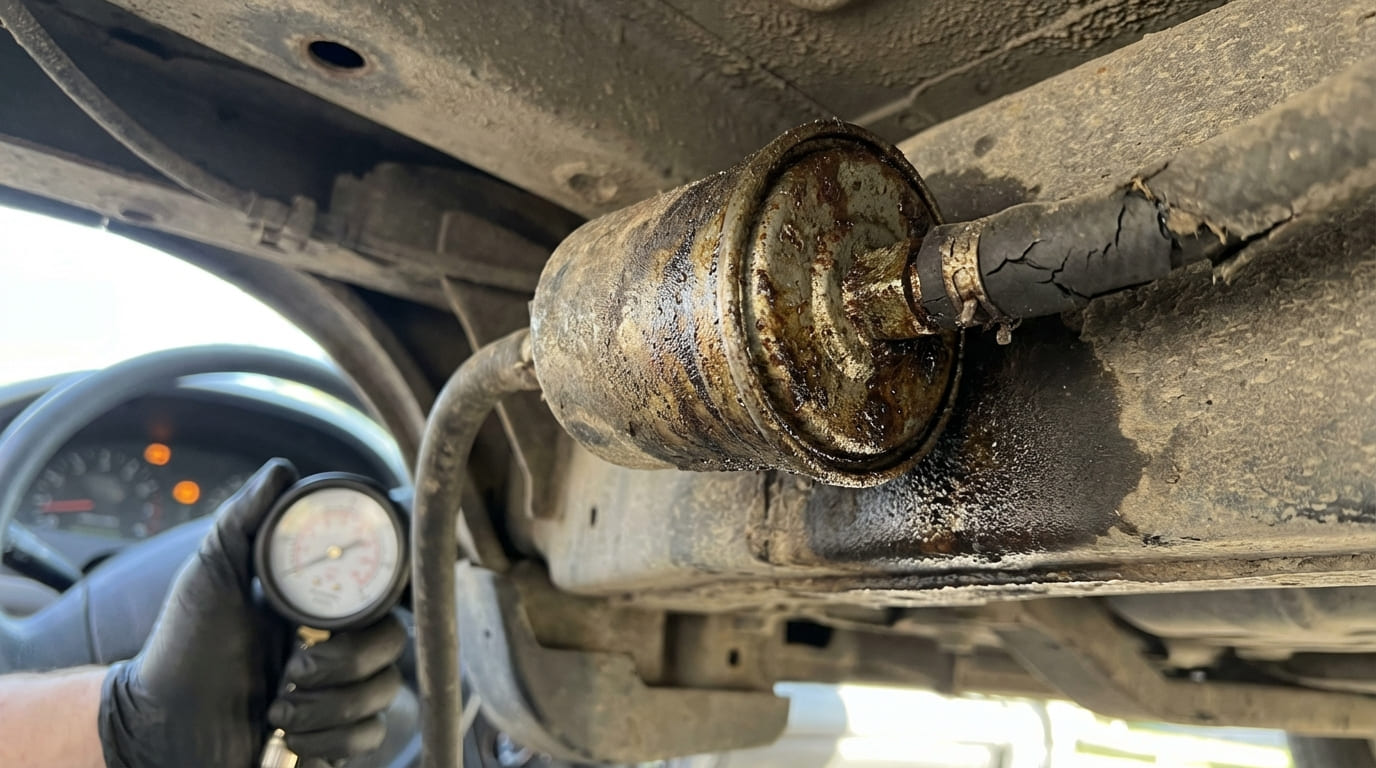
- Check boost pressure with a scan tool or gauge: Compare actual vs. requested boost. If they match, the turbo may be fine.
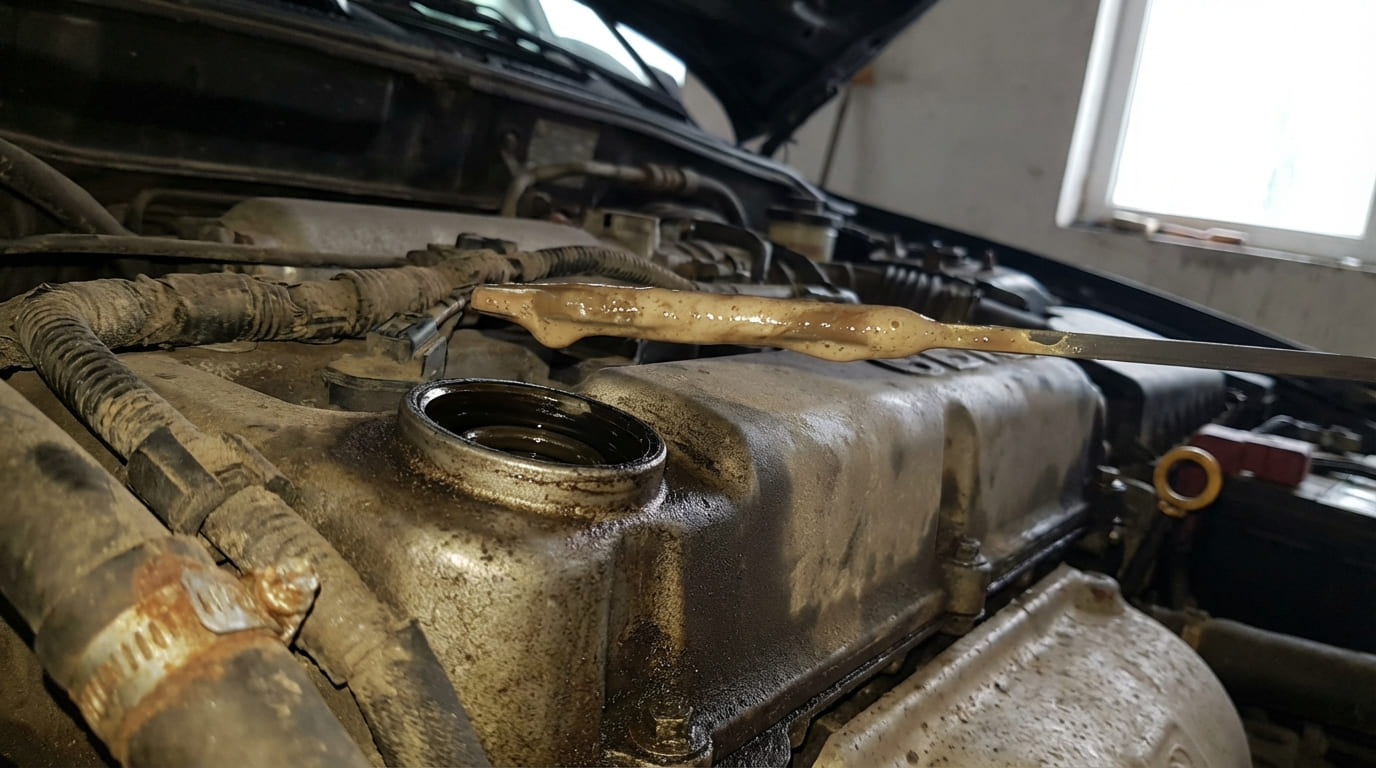
- Inspect for oil in intake or exhaust: Remove intercooler inlet hose. Heavy oil residue suggests seal failure.
- Spin the turbo shaft by hand: Should rotate smoothly with minimal play. Excessive wobble or grinding = bad bearings.
- Smoke test the intake system: Many “turbo” issues are actually boost leaks in hoses or intercoolers.
- Verify wastegate or VGT actuator function: Stuck vanes or seized actuators mimic turbo failure—common on diesels and variable geometry turbos.
Common Misdiagnoses (And What to Check Instead)
These symptoms often point elsewhere:
- Blue smoke under boost: Could be turbo seals, but also check PCV system and valve stem seals.
- Black smoke: Usually fuel or injector issue—not turbo. Scan for injector or EGR codes first.
- Whining noise: Turbo bearing wear is possible, but rule out alternator, AC compressor, or exhaust leaks.
- Check Engine Light: MAF sensor, vacuum leaks, or software glitches often mimic turbo faults.
A 2012 VW Passat TDI came in with P0299 and low power. Previous shop quoted $2,200 for a turbo. I checked actuator position—found carbon-seized VGT vanes. Cleaned and recalibrated: $300 repair, turbo saved. Always test actuator movement before condemning the turbo.
A Subaru WRX owner bought a used turbo online after seeing blue smoke. I checked crankcase pressure—PCV system was clogged, oil was sludged. Fixed the root cause, turbo lasted another 40,000 miles. Replacing the turbo without fixing PCV would’ve failed in weeks.
Repair vs. Replace: What Makes Sense?
Ask these questions before committing:
- How many miles are on the car? Over 150,000? A reman or quality aftermarket may be sufficient.
- Is the engine otherwise healthy? If oil consumption, coolant leaks, or sludge are present, fix those first.
- What caused the failure? Oil contamination, poor maintenance, or boost abuse? Address the cause or the new turbo dies too.
On high-mileage trucks or daily drivers, I recommend a reman from a reputable supplier like Turbochargers Unlimited. On performance or diesel applications, I go OEM or BorgWarner GT series. Never install a no-name turbo on a truck you depend on.
Critical Installation Tips
Follow these to avoid early failure.
- ✅ Prime the turbo: Fill the oil inlet port and spin the shaft by hand before startup.
- ✅ Replace oil feed lines: Especially on VW/Audi and Ford—braided lines collapse internally over time.
- ✅ Use new gaskets and correct torque specs: Reusing exhaust gaskets causes leaks. Follow factory sequence for manifold bolts.
- ⚠️ Never reuse torque-to-yield (TTY) bolts: These stretch during installation and lose clamping force.
- ⚠️ Never rev the engine immediately: Idle for 1–2 minutes to establish oil pressure.
- ⚠️ Always change oil and filter: Old oil contains metal particles from the failed turbo.
One final note: consult the factory service manual. Special procedures exist for electronic wastegates, twin-scroll turbos, and compound systems. Skipping them risks improper operation and voids warranties.