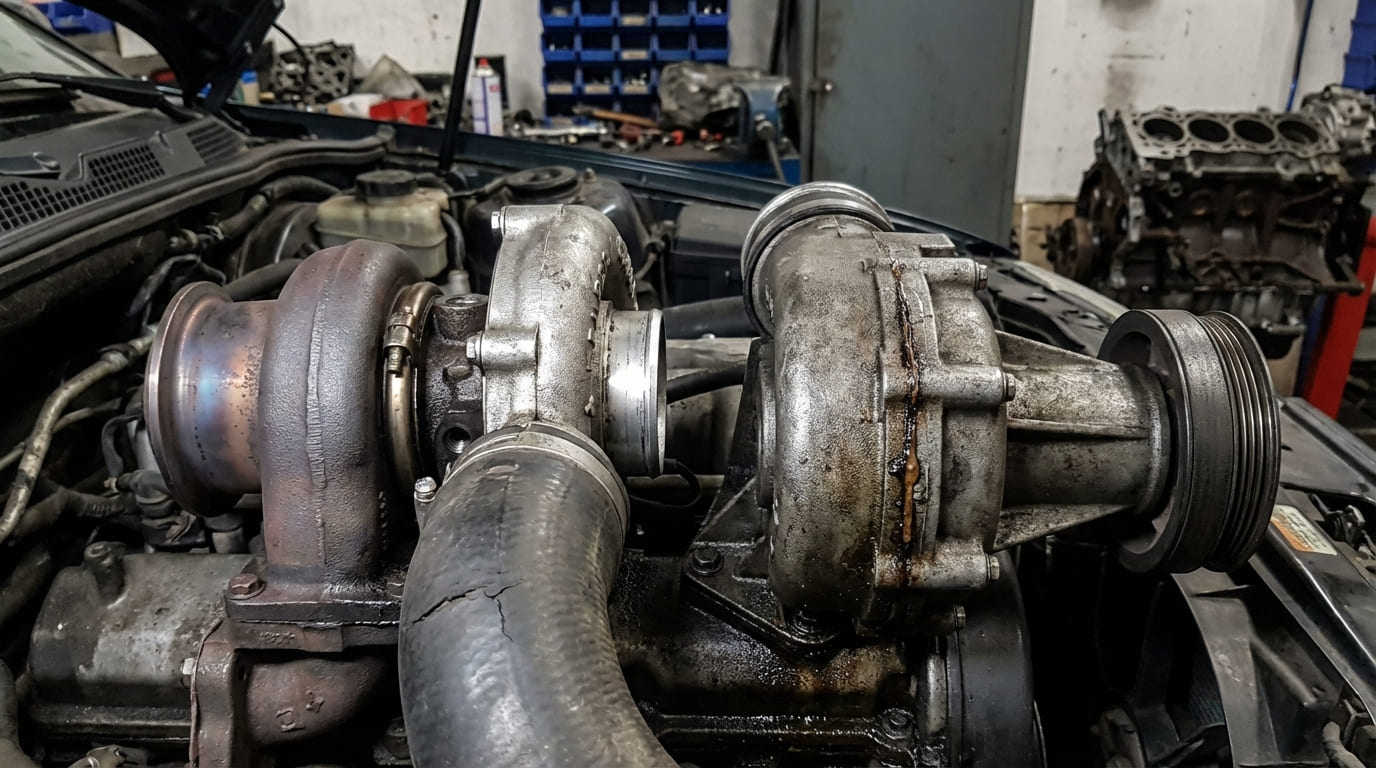
In my two decades in the shop, I’ve seen both turbochargers and superchargers bolted onto everything from economy hatchbacks to full-size trucks. One question keeps coming up: which system is more efficient? The short answer: turbochargers generally win on thermodynamic and fuel efficiency, especially in modern production engines. But real-world efficiency depends on your engine, driving style, and goals. This guide cuts through theory and gives you what matters—how to diagnose, compare, and choose the right system based on actual performance, cost, and reliability.
Efficiency at a Glance: The Bottom Line
Turbochargers recover wasted exhaust energy, making them more efficient overall—especially under part-load and highway conditions. Superchargers consume engine power to produce boost, creating parasitic loss, but deliver instant throttle response. For most daily-driven and fuel-conscious builds, turbos are more efficient. For street performance and low-RPM torque, superchargers often feel more effective—even if they cost more in fuel.
| Factor | Turbocharger | Supercharger |
|---|---|---|
| Fuel Economy (Real-World) | Better (10–20% gains typical) | Lower (parasitic loss cuts efficiency) |
| Thermodynamic Efficiency | Higher (uses wasted energy) | Lower (draws power directly) |
| Boost Response | Slower (turbo lag) | Instant (mechanical drive) |
| Peak Power Potential | Higher (scalable, compound setups) | Good (limited by RPM and drive ratio) |
| Installation Complexity | High (exhaust, oil, coolant lines) | Lower (bolt-on, belt-driven) |
| Avg. Repair Cost (Labor + Parts) | $800–$2,500 | $600–$1,800 |
In my shop, we always ask: “Are you tuning for efficiency or feel?” If fuel economy and emissions matter, go turbo. If throttle response and simplicity win, a supercharger may be the better practical choice—even if it’s less efficient on paper.
How to Diagnose Efficiency Issues in Forced Induction Systems
Before choosing or modifying a system, verify what’s actually hurting efficiency. Here’s how to check common problems:
Diagnosing Turbocharger Inefficiency
- Check exhaust backpressure: Use a pressure gauge before the turbo inlet. Over 3 psi at idle or 8 psi under load indicates a restriction (clogged cat, collapsed pipe).
- Verify turbo spool timing: Use a boost gauge or OBD2 scanner. If boost doesn’t come in by 2,500 RPM (on a typical 4-cylinder), check wastegate function and turbine flow.
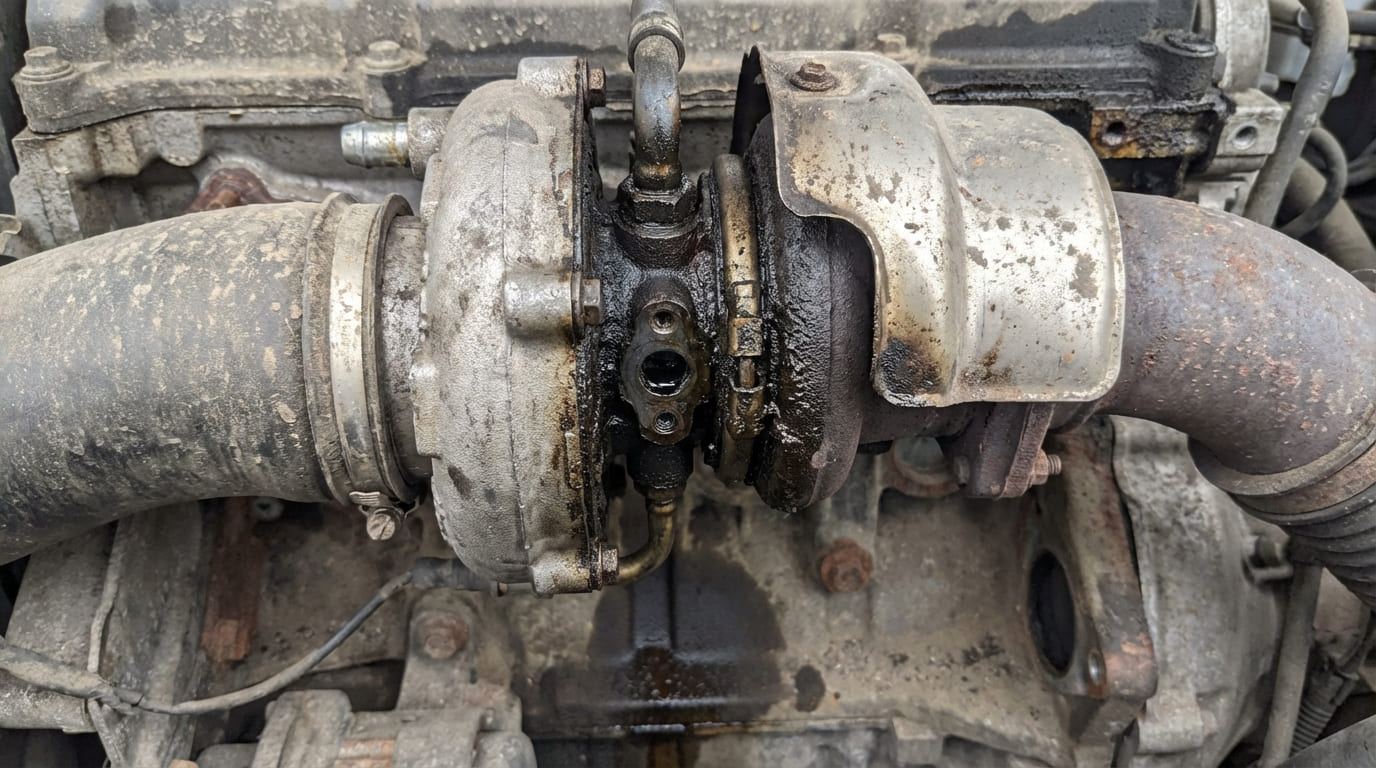
- Inspect for oil coking: Remove the oil feed line. Black, crusty deposits mean poor oil flow or delayed shutdowns. Clean or replace lines and consider an oil cooler.
- Test intercooler efficiency: Measure intake air temperature (IAT) before and after the intercooler. A drop of less than 30°F under boost means it’s undersized or blocked.
Diagnosing Supercharger Inefficiency
- Measure parasitic loss: Use a dyno to compare engine output with the supercharger engaged vs. bypassed. Losses over 15% suggest drive ratio issues or internal drag.
- Check bypass valve operation: With the engine off, manually actuate the bypass. If stuck closed, the supercharger works constantly, killing fuel economy.
- Inspect oil flow (for twin-screw/Roots): Remove the drain plug. Clean oil should flow freely. Sludge or low volume means oil pump or line issues.
- Verify pulley size: A smaller pulley increases boost but also parasitic load. Confirm pulley diameter matches manufacturer specs—aftermarket swaps often overdrive the unit.
Efficiency by Design: What Really Matters
Peak compressor efficiency numbers look good, but real-world gains depend on how well the system matches your engine’s operating range.
Turbocharger: Maximizing Real-World Efficiency
The key is minimizing lag and backpressure while recovering exhaust energy. Twin-scroll turbos separate exhaust pulses for faster spool. Ball-bearing turbos reduce inertia. Variable geometry turbos (VGT) adjust vane angles for optimal flow across RPMs—but are prone to coking if oil isn’t clean.
Intercooling is critical. A front-mount air-to-air intercooler with 3-inch piping and unobstructed airflow can reduce intake temps by 50–70°F. Avoid cheap “top-mount” units in hot engine bays—they heat soak fast.
When I see a turbo car with poor low-end response, I don’t jump to a bigger turbo. I check the catalytic converter first. A clogged cat creates backpressure that kills spool. Fixed that on three cars last month—saved the owners hundreds in unnecessary upgrades.
Supercharger: Managing Parasitic Loss
Roots-type superchargers deliver instant boost but are inefficient at high RPM. Twin-screw units are better but cost more. Centrifugal superchargers behave like turbos—efficiency rises with RPM, making them ideal for high-revving engines.
To reduce parasitic loss, some systems use electromagnetic clutches or bypass valves. At cruise, the supercharger disengages, restoring near-N/A fuel economy. But these parts fail—test the clutch coil resistance (should be 5–20 ohms) and listen for bypass actuation during decel.
I had a customer with a Roots supercharged truck overheating under load. The intercooler was huge, but the oil lines were kinked. Supercharger case ran dry, seized internally. Moral: oil flow is as important as cooling. Always check supply and return lines before startup.
When to Choose Which: Practical Decision Guide
Your driving pattern and engine type should dictate the choice—not just peak efficiency numbers.
| Application | Preferred System | Why (Based on Shop Experience) |
|---|---|---|
| Downsized 4-cylinder, fuel economy focus | Turbocharger | Recovers exhaust energy; OEM tuning maximizes efficiency. Real-world MPG gains of 10–15% common. |
| V8 muscle car, street performance | Supercharger (Roots or twin-screw) | Instant throttle response and linear power preferred. Fuel economy secondary. |
| Track-focused build, high-RPM power | Centrifugal supercharger or turbo | Centrifugal units efficient at high RPM. Turbos work if sized right—avoid lag with ball-bearing units. |
| Diesel truck, towing | Turbocharger (compound or VGT) | High exhaust energy makes turbos ideal. Compound setups improve low-end torque without lag. |
| Stop-and-go driving, emissions compliance | Turbocharger with electric assist | E-turbos reduce lag and improve low-end efficiency. Becoming standard on new performance models. |
A tuner once bragged about a high-boost turbo setup delivering “40% better efficiency.” The car made power but used more fuel than stock. Why? Poor intercooling caused knock, forcing rich fuel trims. No matter how efficient the compressor, if the engine runs rich to stay safe, you lose all gains. Always tune for combustion efficiency, not just boost.
Final Verdict: Which Is More Efficient?
Turbochargers are more efficient in most real-world conditions—especially in production vehicles where fuel economy and emissions matter. They recover wasted energy and allow smaller engines to produce big power. But efficiency isn’t just about thermodynamics. If a turbo’s lag makes the driver throttle harder, or if backpressure isn’t managed, real-world gains vanish.
Superchargers are less efficient due to parasitic loss, but their simplicity, reliability, and immediate response make them a smart choice for certain builds—especially V8s and classic restomods where drivability trumps MPG.
The most efficient system is the one that’s properly sized, well-maintained, and matched to the engine’s duty cycle. Don’t chase peak numbers. Focus on system health, airflow, cooling, and tuning. And always test before and after—real data beats theory every time.