Latest Posts

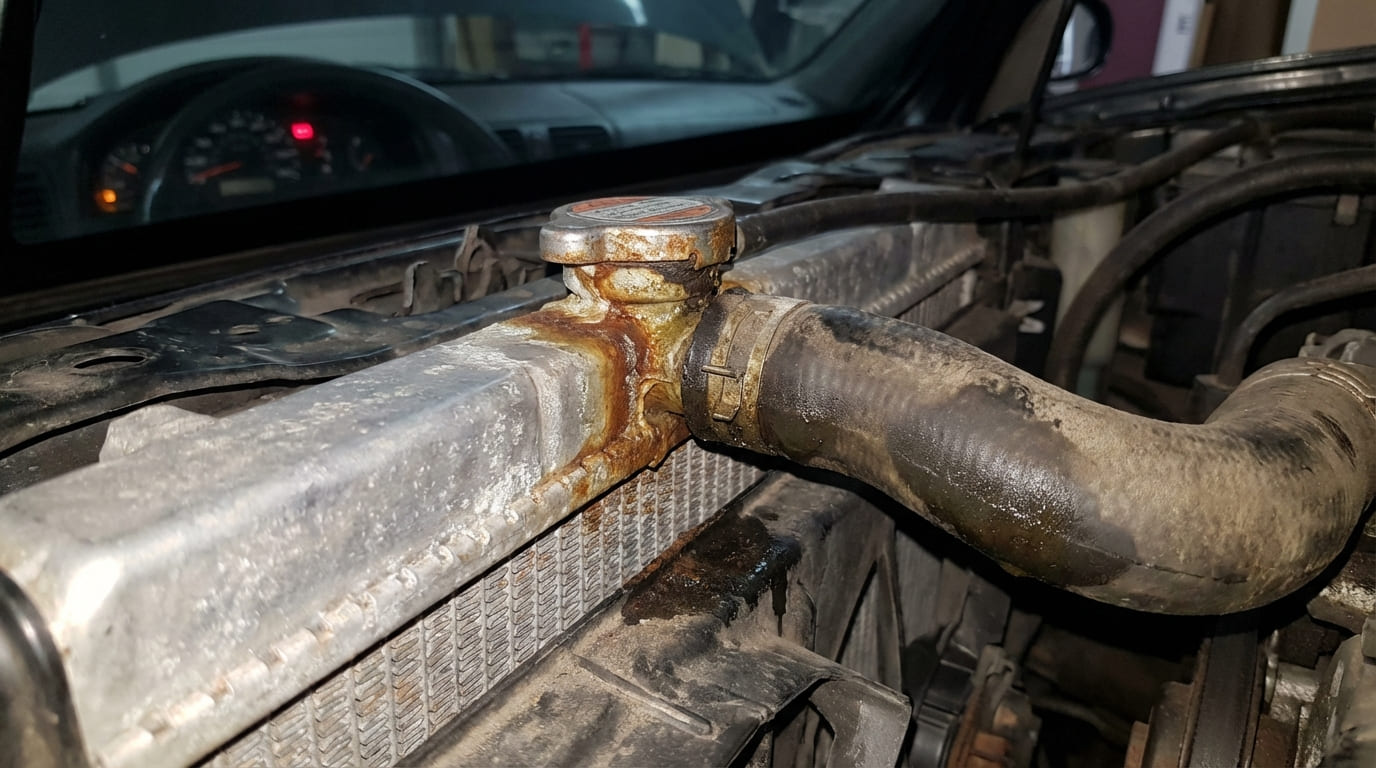
What causes engine overheating?

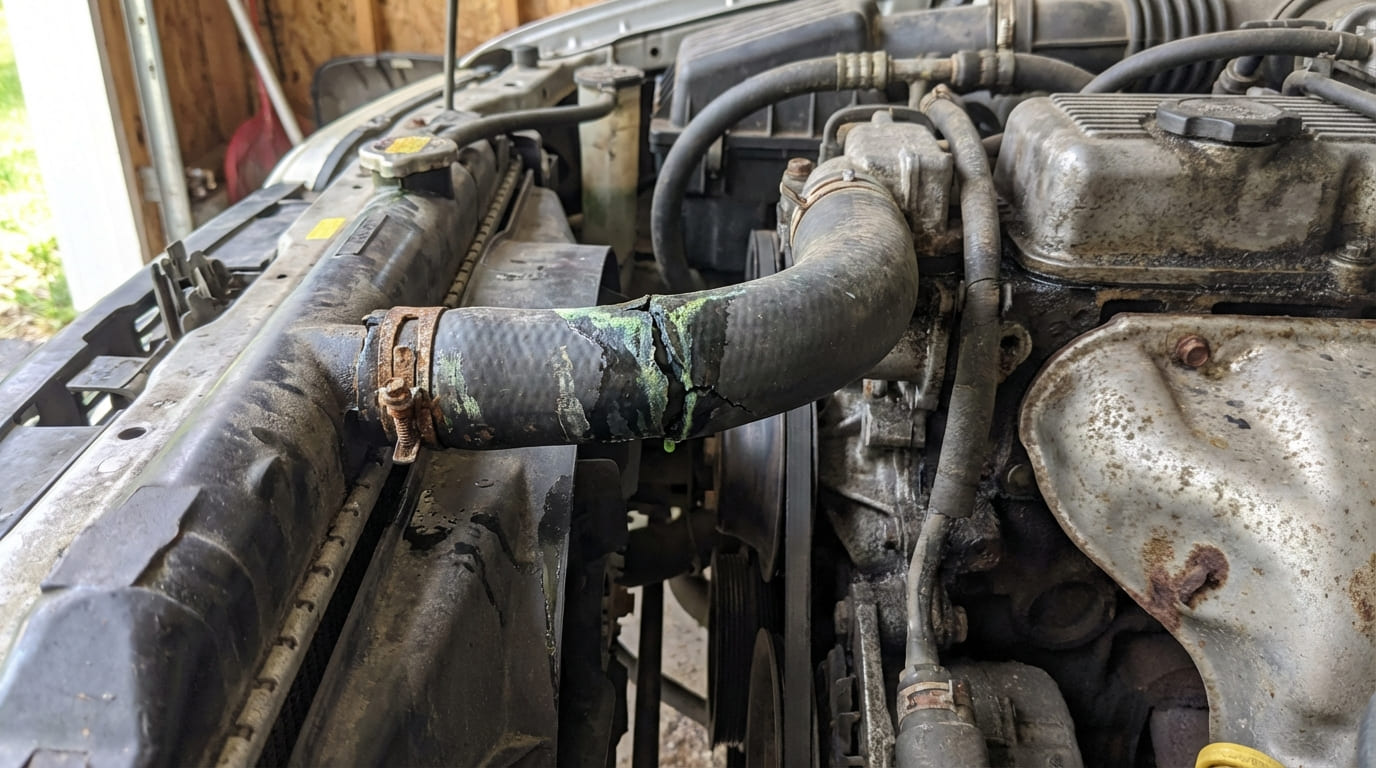
Engine overheating is one of the most common and damaging issues a car owner can face. As a master technician with over two decades of experience, I’ve seen every variation—from simple coolant loss to complex mechanical…
How to flush a radiator internally?

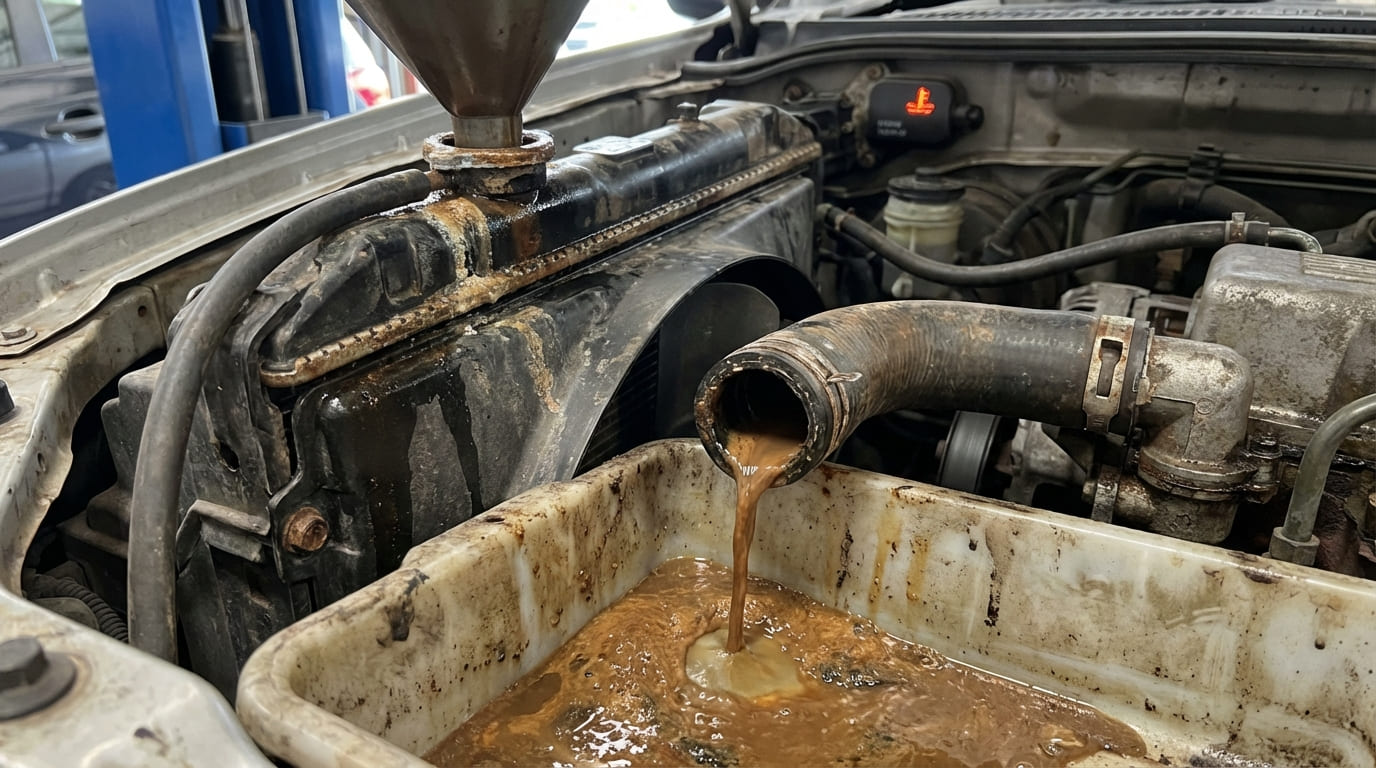
Flushing a radiator internally is a critical maintenance task when coolant flow is restricted by scale, sludge, or corrosion. Done correctly, it restores heat transfer and prevents overheating. Done poorly, it can erode aluminum cores or…

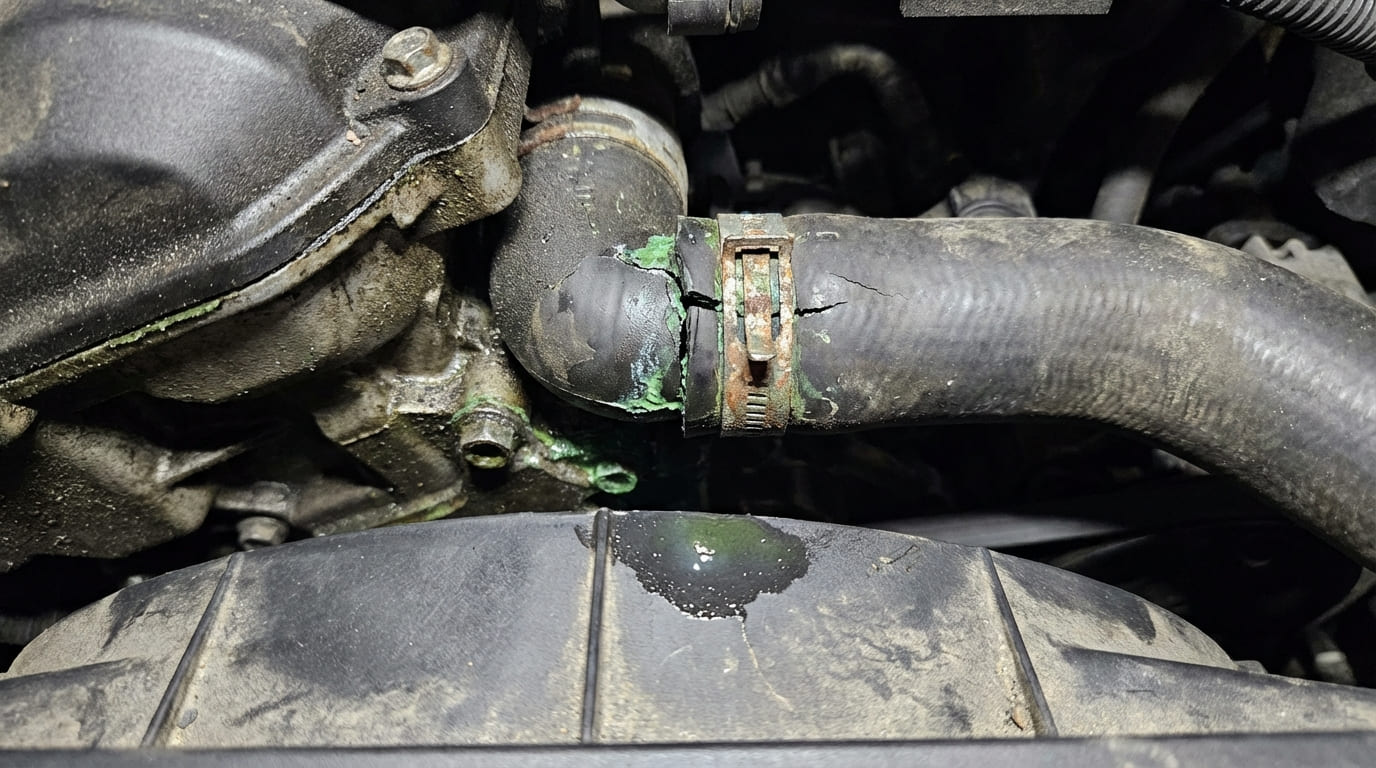
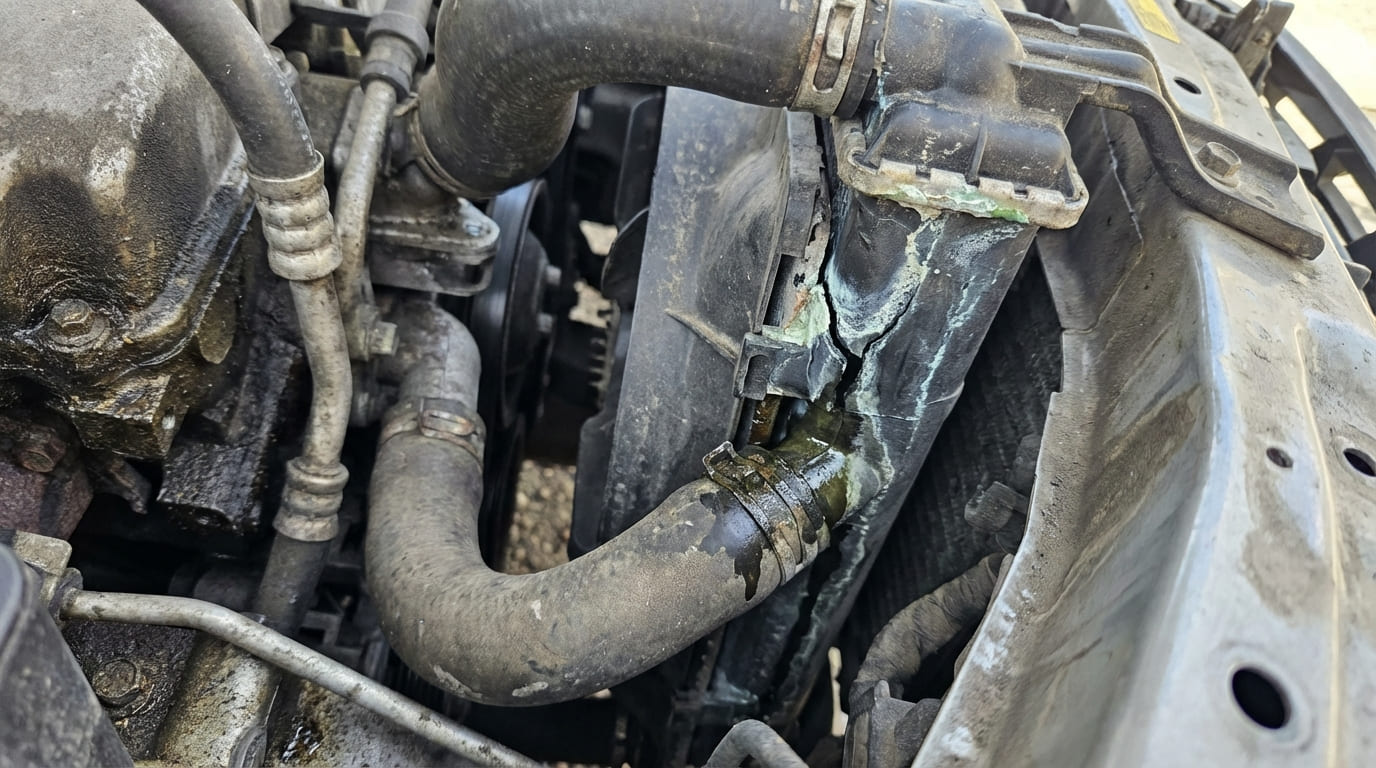
Can a leaking radiator be repaired?

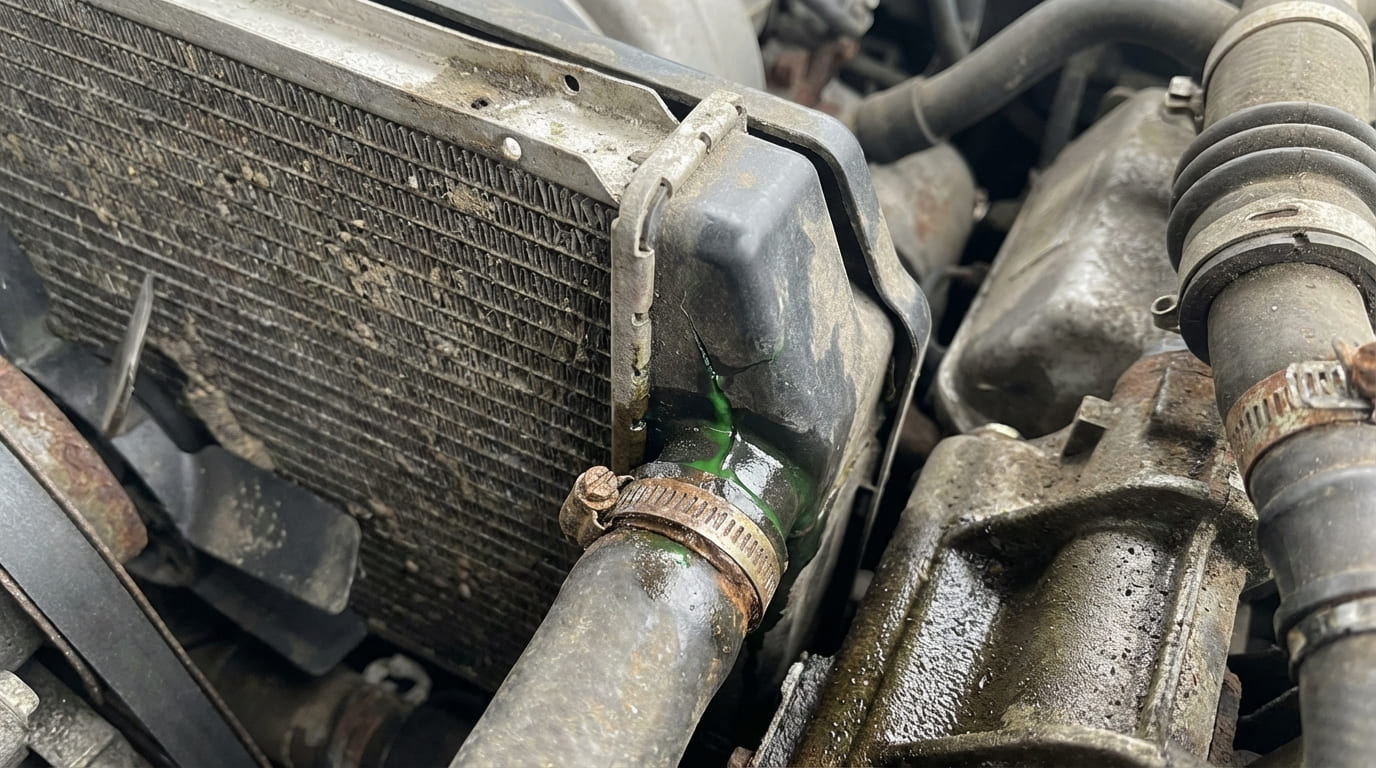
Yes, some radiator leaks can be repaired—but not all. The feasibility depends on the location, severity, and type of radiator. Plastic/aluminum radiators common on modern vehicles behave differently than older brass/copper units. This guide cuts through…

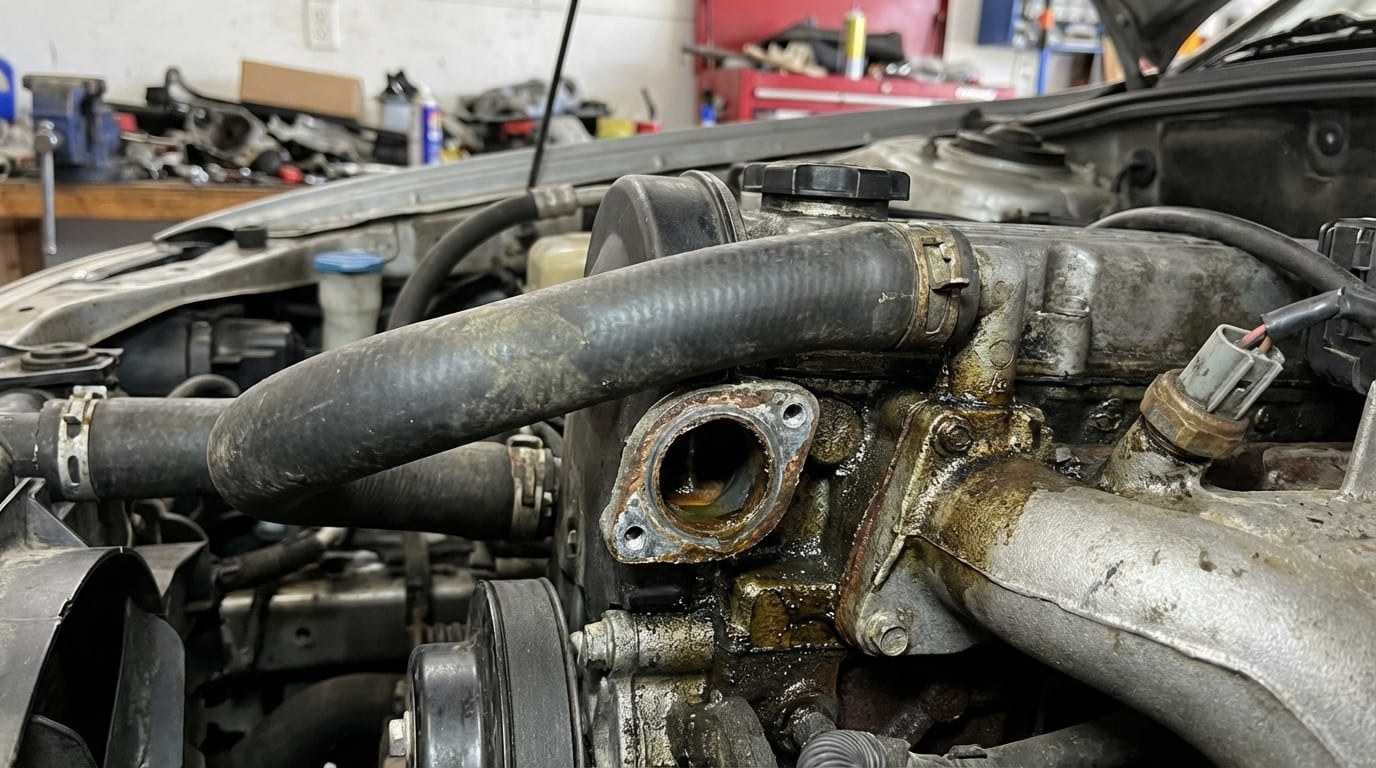
What does an engine thermostat do?

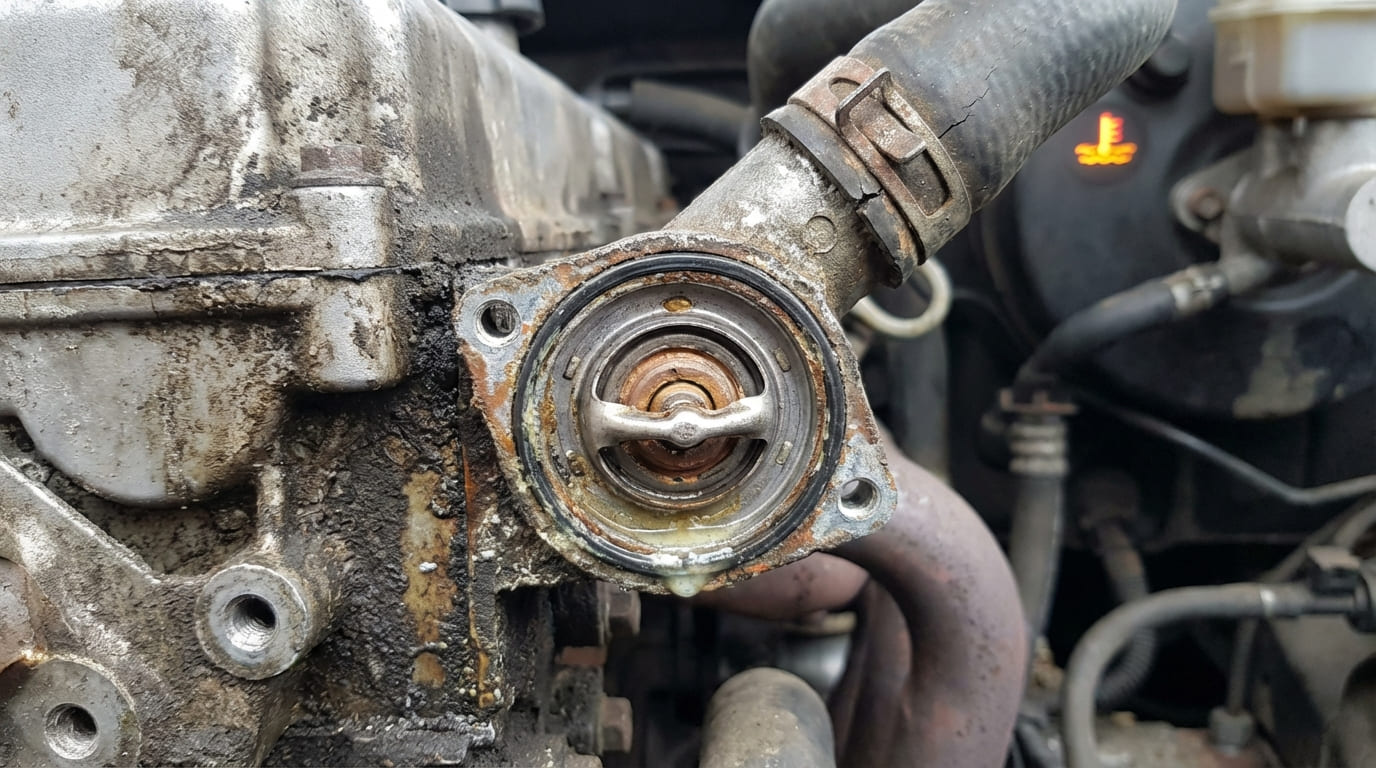
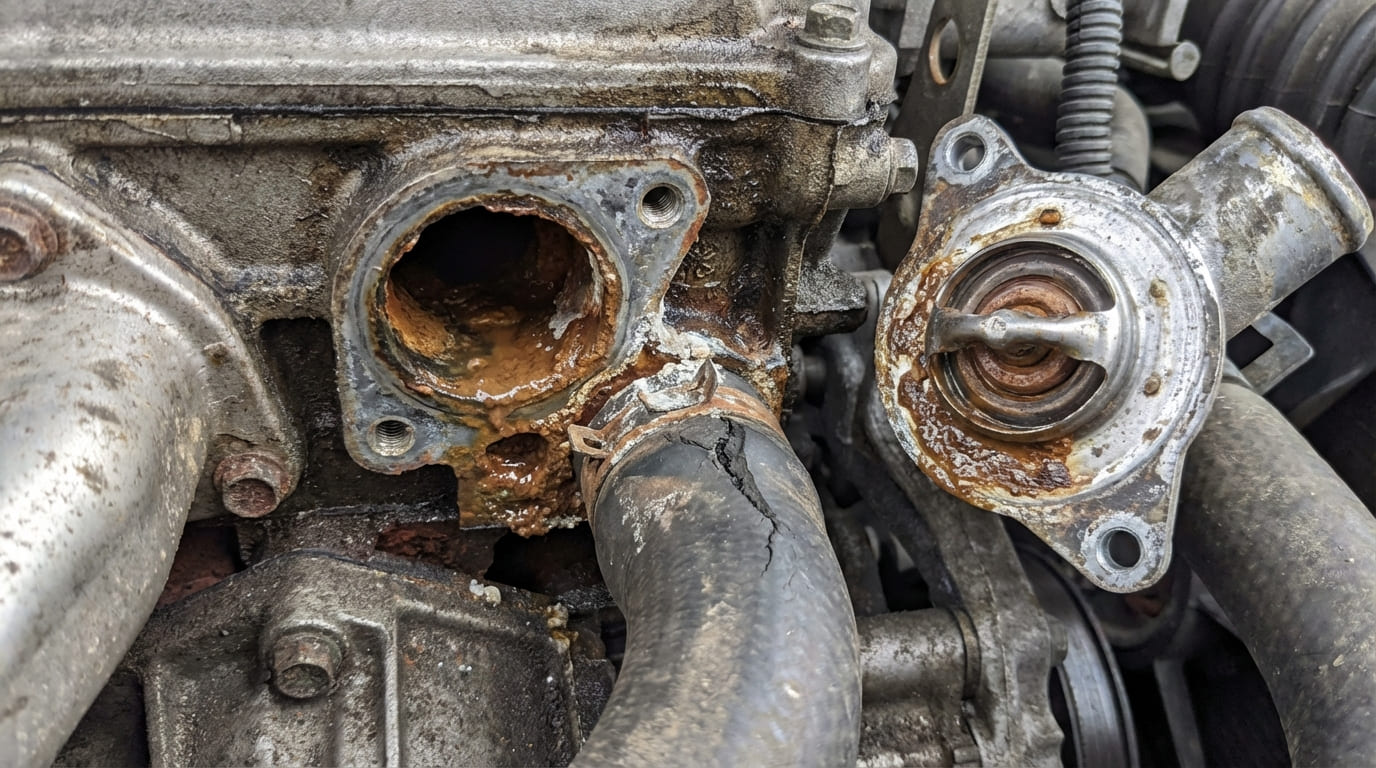
The engine thermostat is a temperature-sensitive valve in the cooling system, usually placed at the engine’s outlet to the radiator. It controls coolant flow to maintain optimal engine temperature—typically between 85–105°C (185–221°F). Its job isn’t just…

How to test a water pump without removal?

As a master mechanic with 20 years in independent and dealership shops, I’ve seen countless water pumps replaced unnecessarily. Overheating, noise, and coolant leaks often point elsewhere. This guide delivers a step-by-step, non-invasive diagnostic process to…

How to clean fuel injectors?

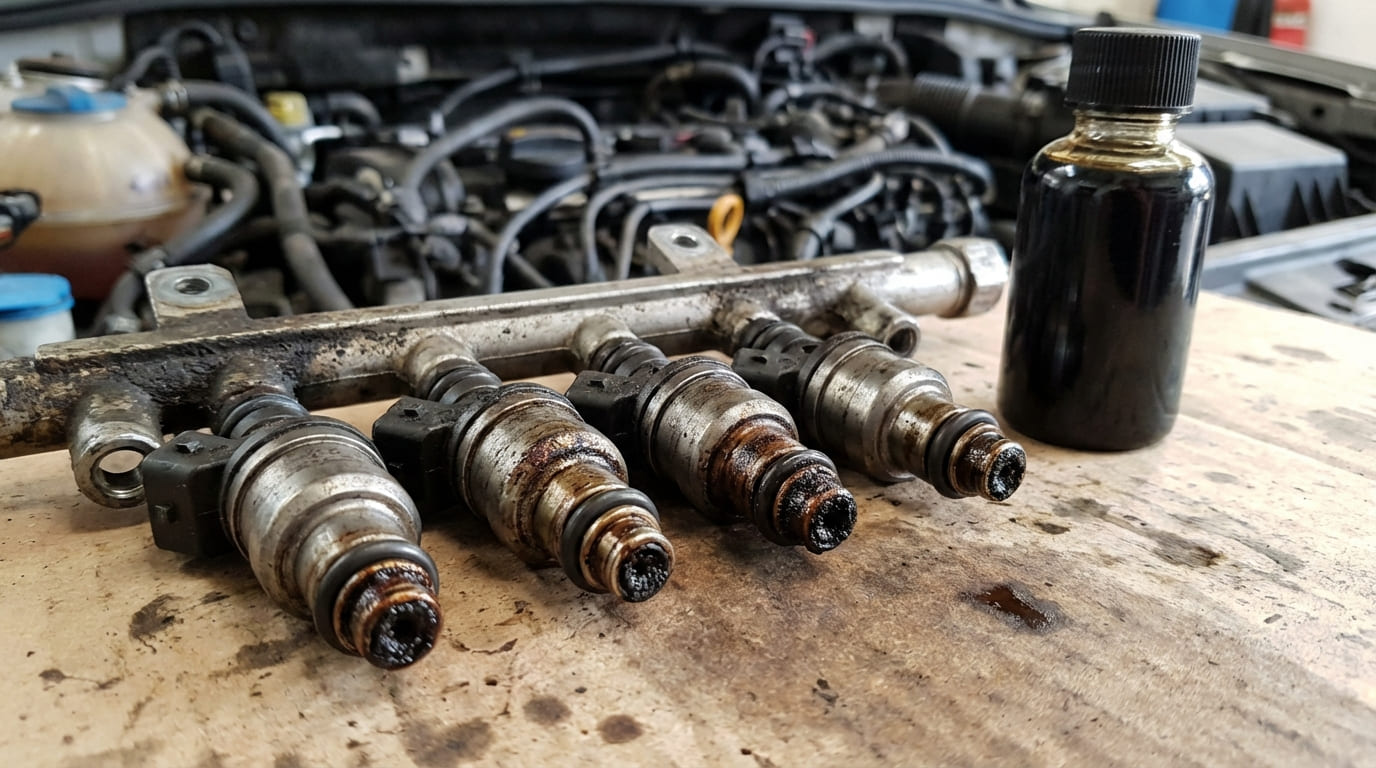
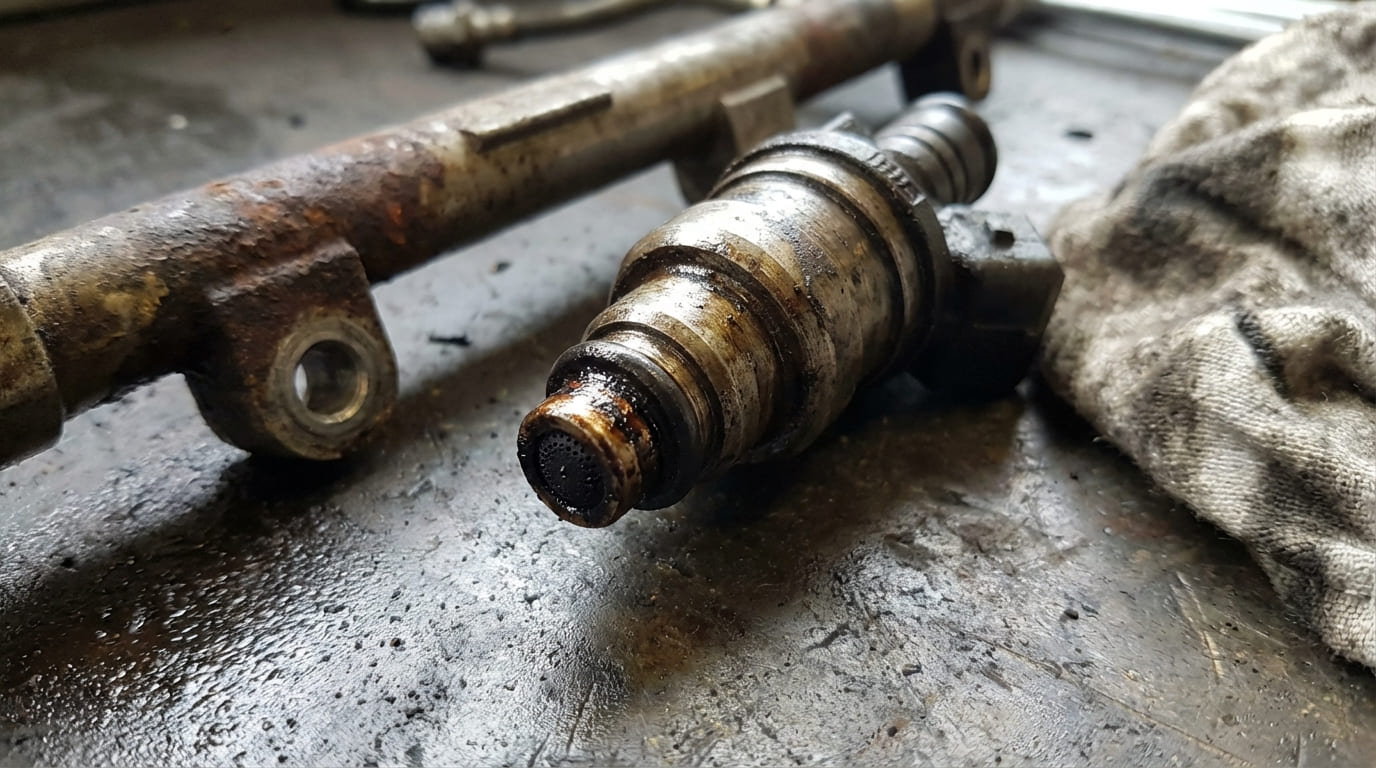
Diagnosis of Fuel Injector Problems Before cleaning, confirm the issue is actually dirty injectors. Many driveability problems mimic injector issues but stem from other causes. Rough idle, misfires, poor acceleration, and reduced fuel economy are common…

What does a water pump do?

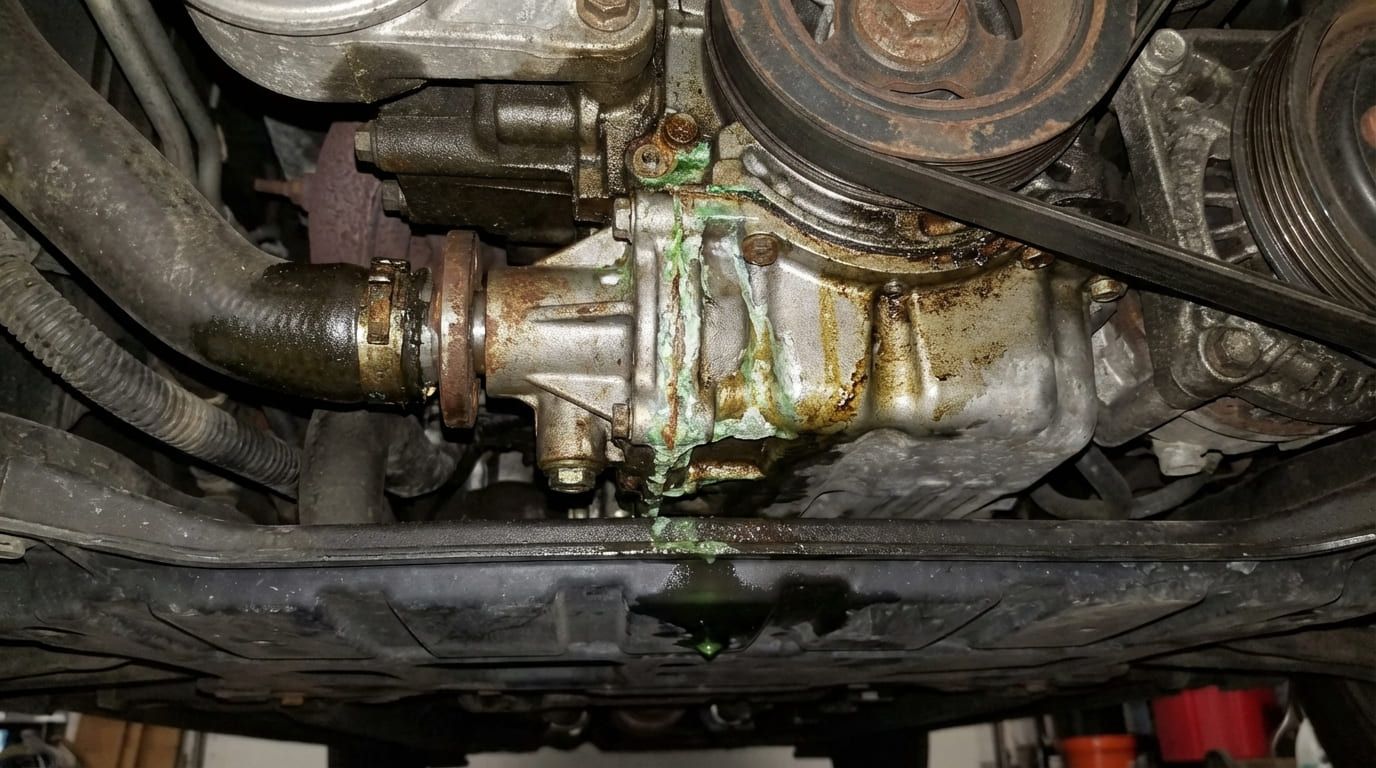
In my experience, the water pump is one of the most overlooked components in the cooling system—until it fails. I’ve seen more than a few engines come into the shop with heat-related damage, and more often…

Can a cracked oil pan be repaired?

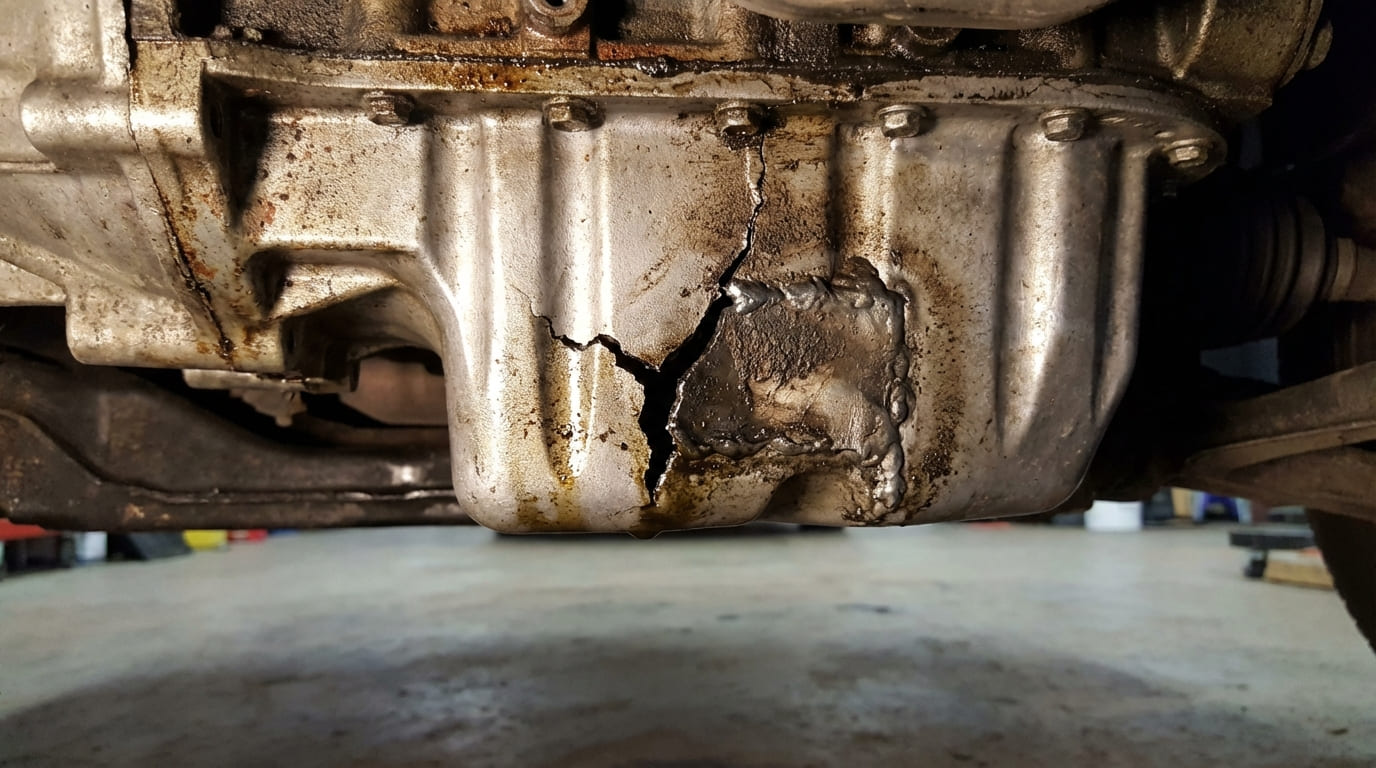
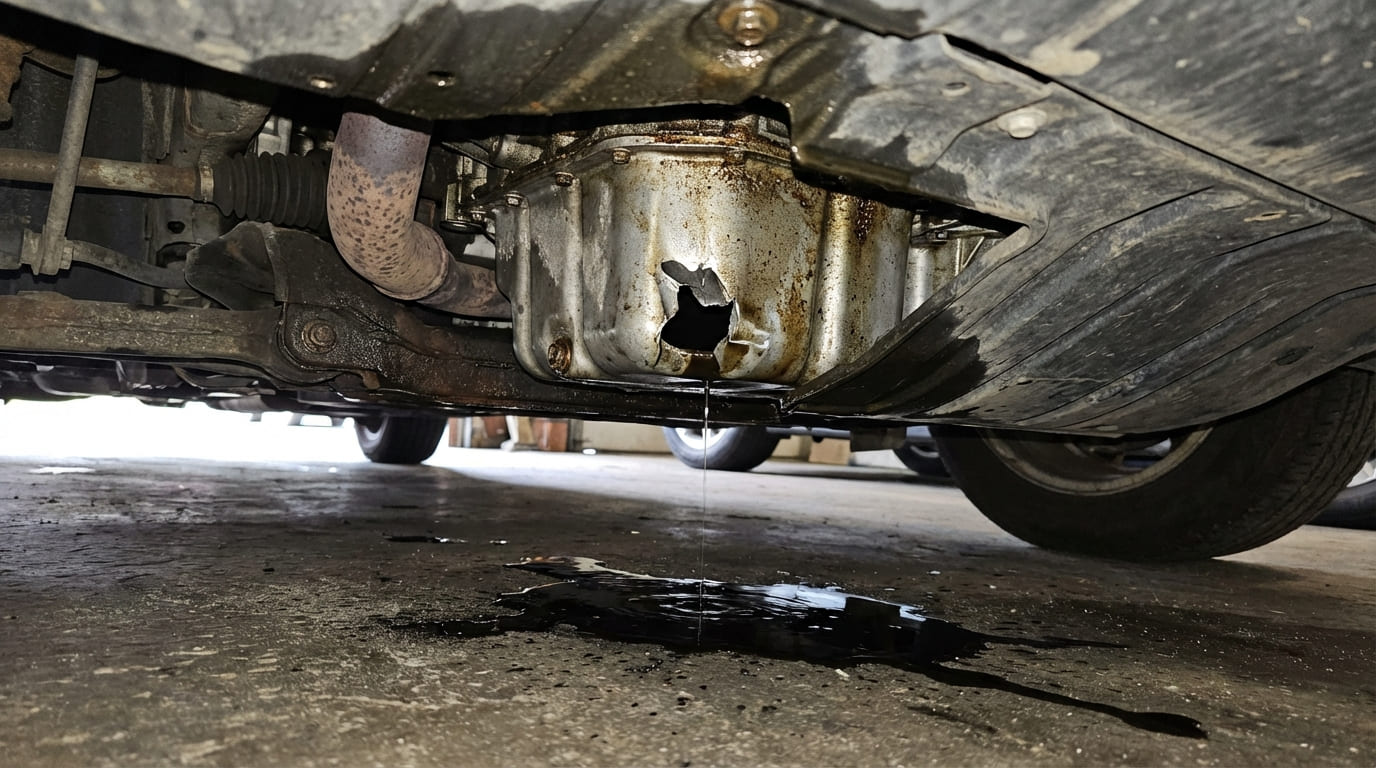
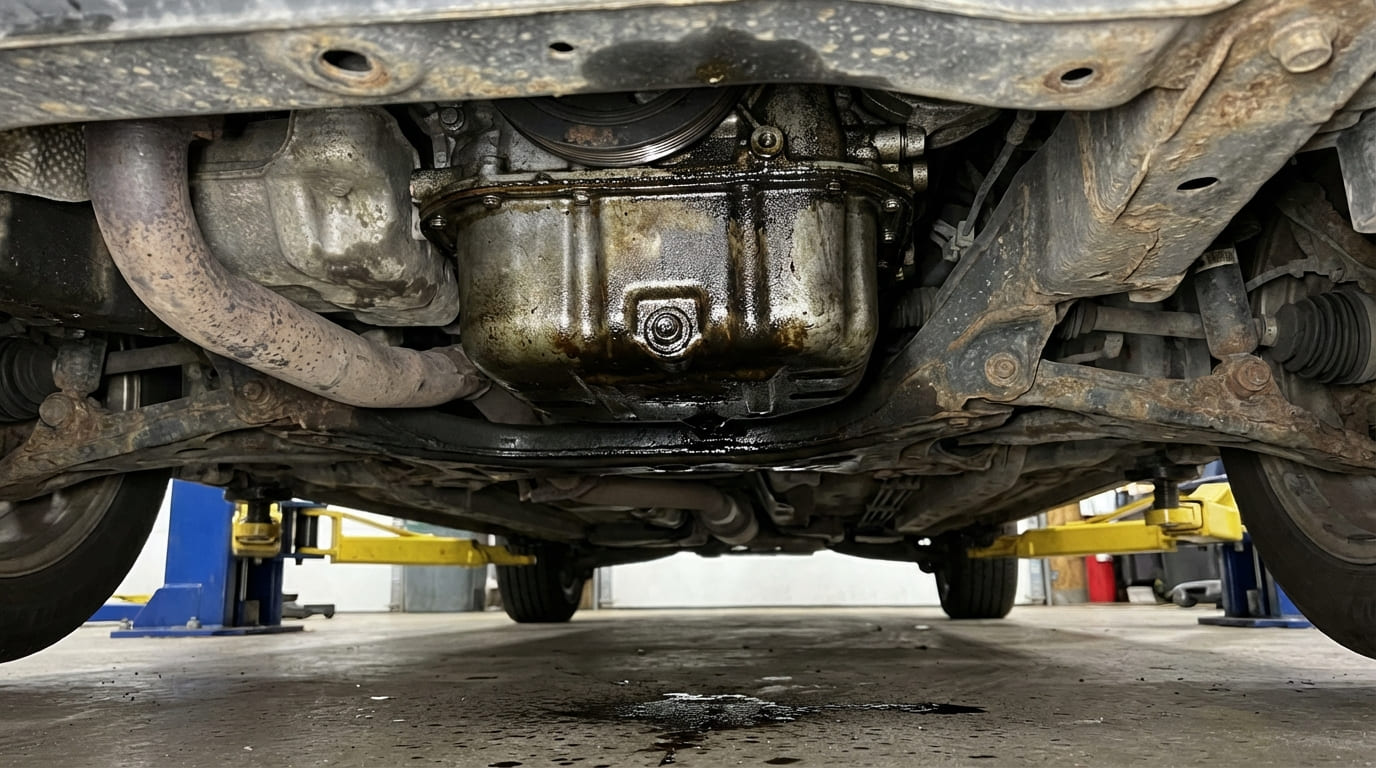
In my 20 years as a master mechanic and shop foreman, I’ve seen oil pan cracks from every cause—road debris, over-tightened drain plugs, and even engine flex on high-torque setups. The short answer: replacement is almost…

What causes oil pan leaks?

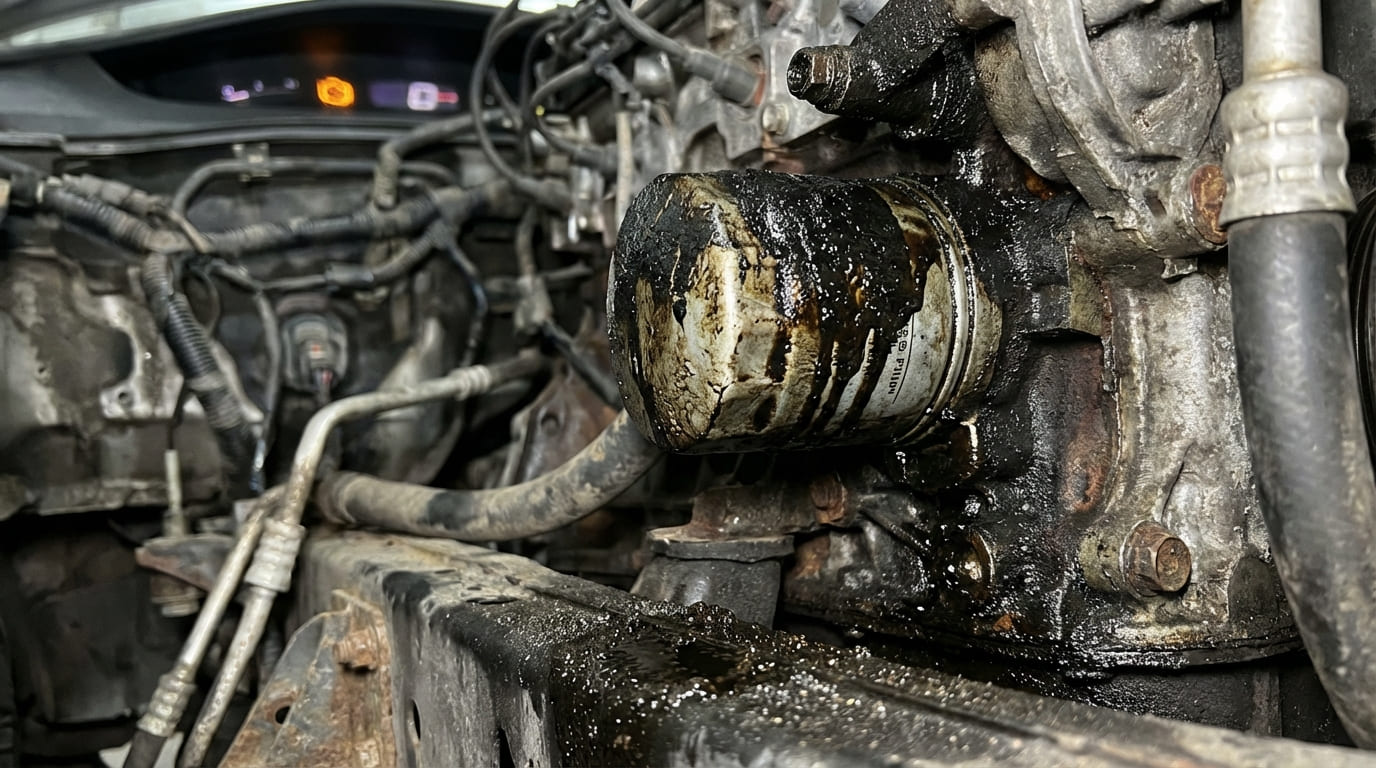
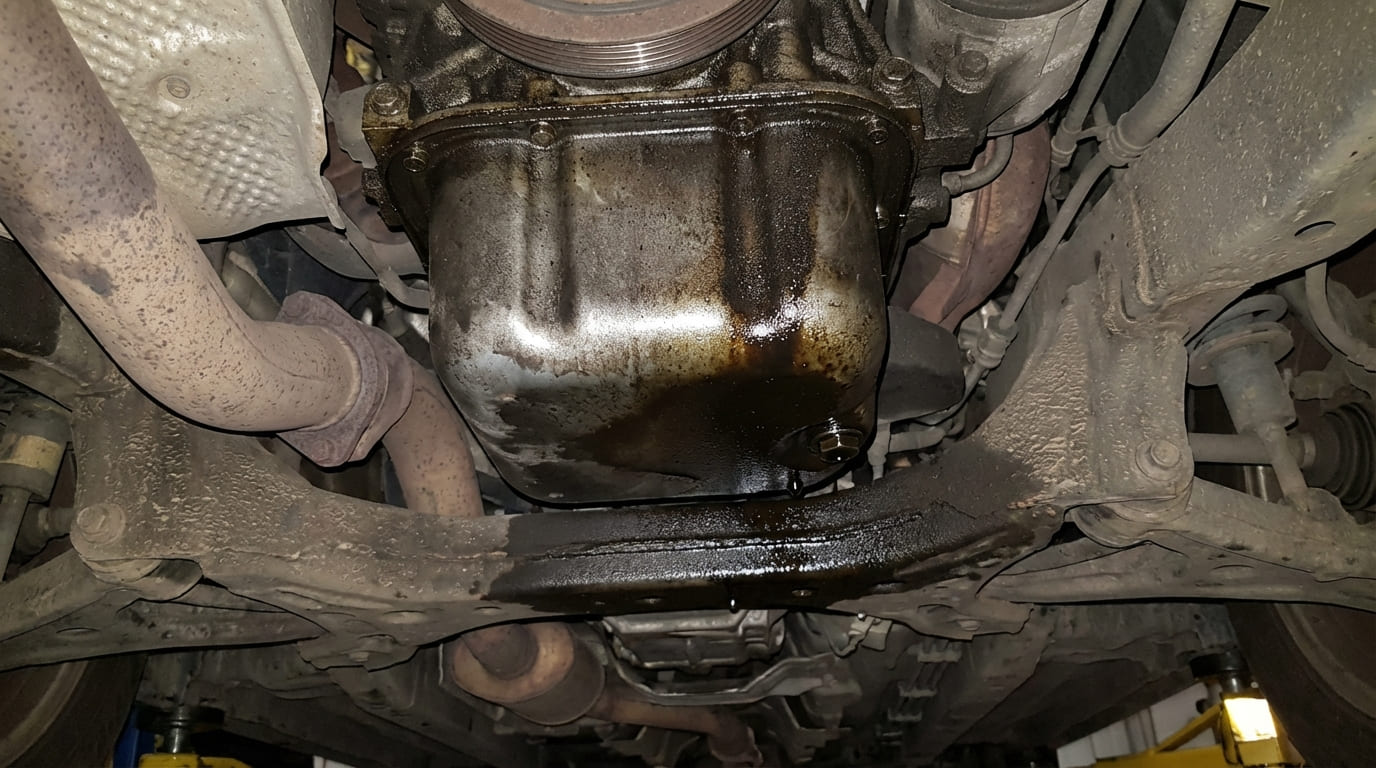
Primary Causes of Oil Pan Leaks Oil Pan Gasket Failure The oil pan gasket is the most common source of leaks. Over time, heat cycles and oil exposure cause gaskets to harden, shrink, or swell—losing their…